Are You Eating Enough? Calculating Calorie Needs for Athletes
3 February 2026
Let’s be real for a second—fueling your body as an athlete is a game in itself. Whether you’re a weekend warrior, a gym rat, or a full-blown competitive athlete, your performance hinges on one major factor: nutrition. More specifically, calories.
So, are you eating enough? The answer might surprise you. A lot of athletes—especially those trying to lean out or stay trim—underestimate how much fuel they actually need. That’s like expecting your car to hit 100 mph with half a tank of gas. Spoiler alert: it’s not gonna happen.
In this article, we’re diving headfirst into the calorie conundrum. If you’ve ever felt sluggish during a workout, stalled on your gains, or struggled to recover, your calorie intake could be the missing piece of the puzzle.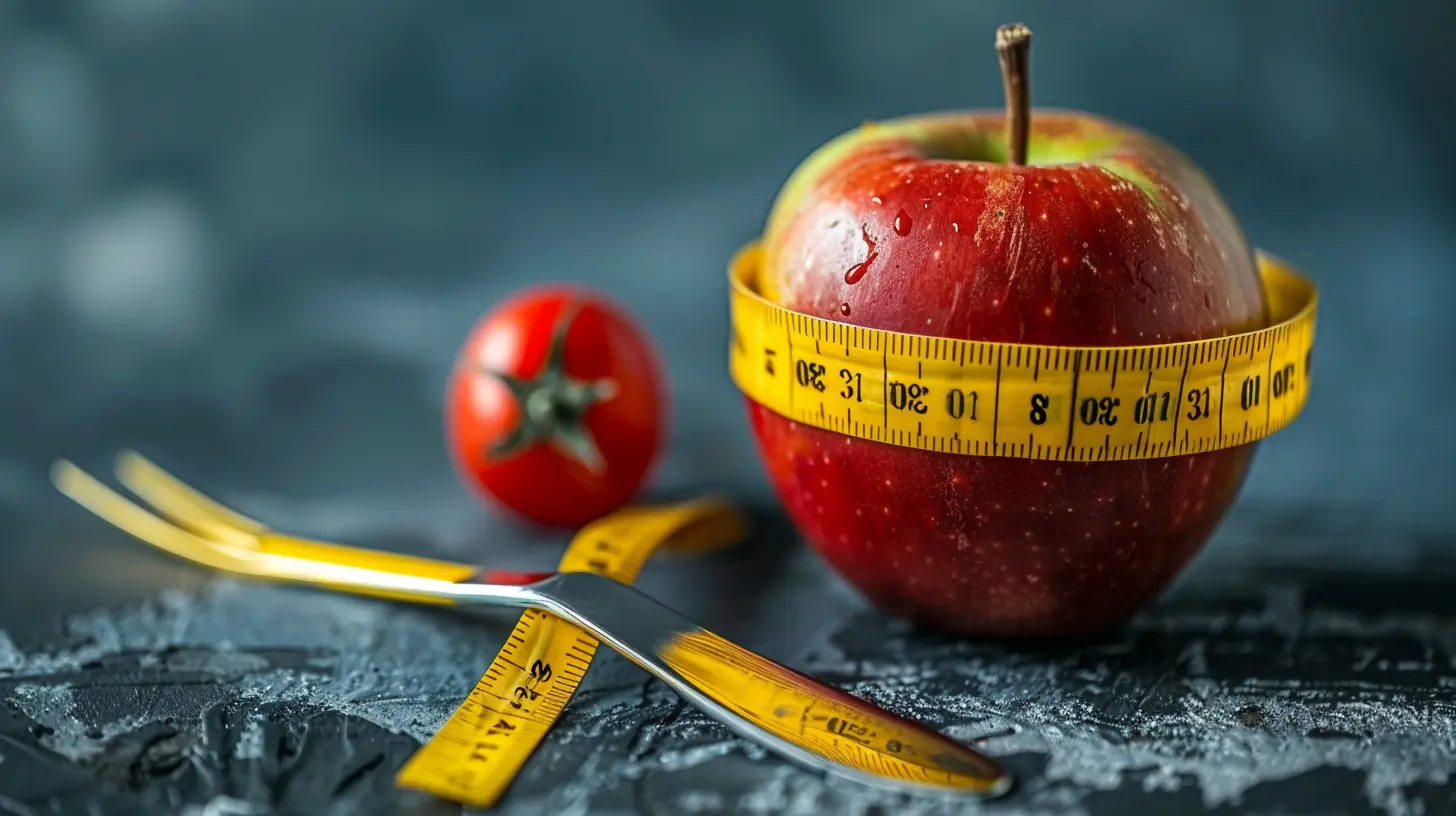
Why Calories Are More Than Just a Number
Let’s clear something up from the get-go: calories aren’t the enemy. They're energy. Fuel. Life force. Without them, your muscles don’t grow, your brain doesn’t focus, and your body doesn’t recover.You need calories to power through a grueling HIIT session, to lift heavy, and even to rest and repair on your off days. So, while the diet industry might make you think fewer calories = better, that’s a dangerous mindset for athletes.
What Happens If You're Not Eating Enough?
If you're under-eating, your body will let you know. Loudly.Here’s what could happen:
- Fatigue that hits you like a brick mid-workout
- Loss of muscle mass, even when you're training consistently
- Slower recovery, meaning more soreness and a higher risk of injury
- Hormonal imbalances, especially for female athletes
- Mood swings, brain fog, and irritability—yep, hanger is real
Under-eating doesn’t just hold you back—it can actually push your goals in reverse.
The Basics: Understanding Your Caloric Needs
Before we whip out any calculators, let’s break down how your total daily calorie needs are built.1. Basal Metabolic Rate (BMR)
This is the number of calories your body needs to stay alive. Literally. Breathing, blinking, keeping your organs humming—that all takes energy. It's your metabolic baseline.2. Physical Activity Level (PAL)
This is where your workouts come in. Whether you’re lifting twice a day or just going for a light jog, every movement adds to your energy needs.3. Thermic Effect of Food (TEF)
Believe it or not, digesting food burns calories too. Eating protein, for example, takes more energy to break down than carbs or fats. TEF usually accounts for about 10% of your daily burn.4. Non-Exercise Activity Thermogenesis (NEAT)
This is all the stuff you do outside the gym—walking the dog, cleaning, fidgeting, etc. It adds up more than you think.Add all of these together and BAM—that's your Total Daily Energy Expenditure (TDEE).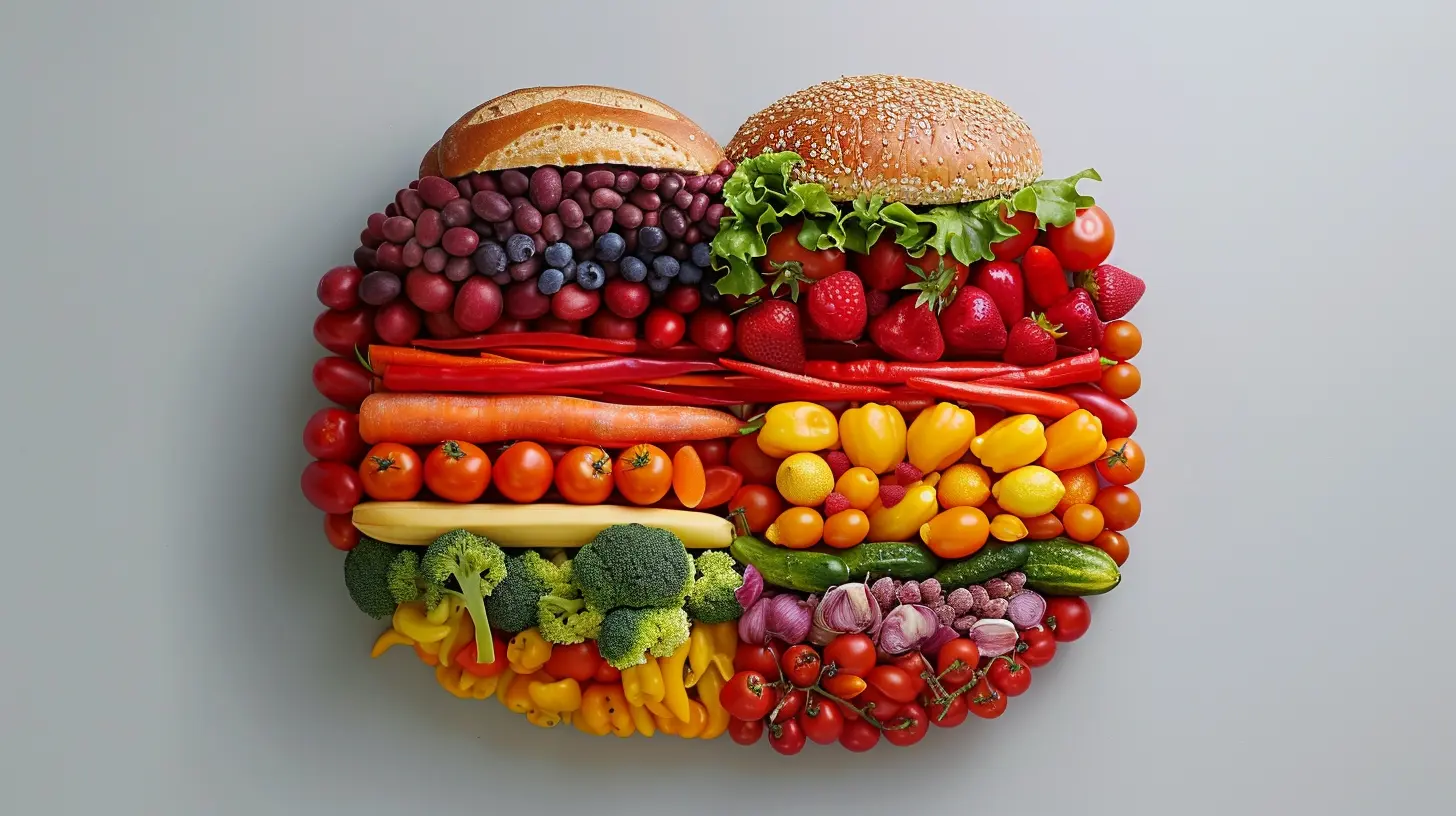
How to Calculate Your Calorie Needs
Okay, ready for some math? Stick with me. I’ll keep it simple.Step 1: Estimate Your BMR
There are several formulas, but the Mifflin-St Jeor equation is widely used and fairly accurate.For men:
BMR = (10 × weight in kg) + (6.25 × height in cm) – (5 × age in years) + 5
For women:
BMR = (10 × weight in kg) + (6.25 × height in cm) – (5 × age in years) – 161
Not into math? No problem—there are plenty of online BMR calculators to do the dirty work for you.
Step 2: Multiply by Your Activity Level
Now we adjust that BMR based on how active you are:- Sedentary (little to no exercise): BMR × 1.2
- Light activity (1–3 days/week): BMR × 1.375
- Moderate activity (3–5 days/week): BMR × 1.55
- Very active (6–7 days/week): BMR × 1.725
- Extra active (twice/day training or intense job): BMR × 1.9
This final number gives you your TDEE, or basically, how many calories you need to maintain your current weight.
But Wait—Athletes Need More!
If you’re seriously training—like multiple hours a day, heavy lifting, endurance sports, high-intensity intervals—you can’t rely on the average calorie needs. You need more.Your body is in overdrive. Muscles are breaking down and rebuilding. Your glycogen stores are constantly being drained and replenished. This means you may need to add 300–1000 extra calories depending on your sport, intensity, and goals.
Maintenance, Deficit, Or Surplus?
Now that you’ve got your baseline, you’ve got to align it with your goals.🔥 Want to Maintain?
Stick close to your TDEE. You can fluctuate up or down a bit, but the key here is consistency.🍴 Looking to Gain Muscle?
Aim for a caloric surplus of about 250–500 calories per day. This supports muscle repair and size gains. Don’t go overboard—this isn’t a license for a junk food free-for-all.🧯 Cutting Calories for Fat Loss?
Sure, a deficit works—but be cautious. Athletes should NEVER drop below their BMR. A modest deficit of 300–500 calories works just fine. You still need fuel to train hard.Macronutrient Breakdown: Not All Calories Are Equal
Once you’ve figured out how many calories you need, the next step is splitting them up into macronutrients.1. Protein – The Muscle Builder
Aim for 1.6–2.2 grams per kilogram of body weight. Protein repairs damaged tissue, supports immune health, and keeps you feeling full.Think: chicken, eggs, tofu, lentils, Greek yogurt.
2. Carbohydrates – The Energy Powerhouse
Carbs are your body’s primary fuel source, especially during workouts. For athletes, 3–7 grams per kilogram of body weight is a solid range, depending on training volume.Think: rice, oats, sweet potatoes, fruits, whole grains.
3. Fats – The Hormone Helper
Don’t fear fat. Your body needs it for hormone production, vitamin absorption, and satiety. Shoot for 0.8–1 gram per kilogram of body weight.Think: avocado, nuts, seeds, olive oil, fatty fish.
The Timing Game: When You Eat Matters Too
It’s not just about what you eat—it’s also when you eat.Pre-Workout
Fuel up 1-2 hours before training with a mix of carbs and protein. Avoid high-fat or high-fiber foods—they’re slow to digest.Example: oatmeal with banana and a scoop of protein.
Post-Workout
The “anabolic window” isn’t as tiny as we thought, but it’s still smart to eat within an hour or so after training. Focus on fast-digesting carbs and lean protein to maximize recovery.Example: grilled chicken, white rice, and veggies.
All Day Long
Athletes often thrive on smaller, frequent meals every 3–4 hours. It keeps energy stable and staves off hunger crashes.Rookie Mistakes Athletes Make With Calories
Think you’re eating right? Maybe. But a lot of athletes fall into these traps:- Skipping meals due to busy schedules (then bingeing at night)
- Underestimating activity level, especially if you’re highly active outside structured workouts
- Neglecting rest day intake—your body still needs fuel to repair!
- Eating “clean” but not enough—whole foods are great, but you still need quantity
- Prioritizing supplements over real food—food first, always
Tools to Stay on Track
If you're serious about dialing in your nutrition, consider these tools:- Food tracking apps (like MyFitnessPal or Cronometer)
- Wearable tech to track TDEE and step count
- Weekly check-ins with a sports nutritionist or coach
- Body composition scans to evaluate muscle vs. fat changes
But remember: Your performance and recovery are the truest indicators of whether your nutrition is working.
Final Thoughts: Listen to Your Body
All the formulas, apps, and nutrition plans mean nothing if you’re not tuned into your own body. Feeling strong, energetic, and like a beast in the gym? You’re probably eating right.But if you’re dragging, not seeing progress, or feeling constantly sore or moody—then it’s time to eat more.
Don’t be afraid of calories. Embrace them. Fuel your body like the high-performing machine it is. You wouldn’t expect a race car to run on fumes, would you?
all images in this post were generated using AI tools
Category:
Sports NutritionAuthor:

Fernando Franklin
Discussion
rate this article
2 comments
Fatima Navarro
Great insights on caloric needs for athletes! Understanding the right intake is crucial for performance and recovery. Tailoring your diet to match activity levels can make a significant difference. Looking forward to more articles on optimizing nutrition for peak performance!
March 15, 2026 at 4:18 AM
Fernando Franklin
Thanks for the kind words! I'm glad you found the article helpful. Stay tuned for more on nutrition for athletes.
Zelda McGill
This article highlights the crucial importance of understanding caloric needs for athletes. Proper nutrition is fundamental for performance and recovery. Tailoring caloric intake to individual activity levels and body composition can make a significant difference in an athlete's success. Great insights!
February 3, 2026 at 5:30 AM
Fernando Franklin
Thank you for your thoughtful comments! I'm glad you found the insights on caloric needs and nutrition for athletes valuable.