Clutch Performance: Can It Be Quantified?
22 July 2026
If you're a sports fan, you've probably heard the term "clutch" tossed around like a game-winning pass in the final seconds of a playoff. It’s that magical moment when a player steps up and delivers in the most pressure-packed situation. We cheer, we scream, we claim, "They're clutch!" But here’s the real kicker—can clutch performance actually be measured? Can we break down those goosebumps-inducing moments into numbers and stats?
In this article, we’ll dig deep into the idea of clutch performance. We'll sift through the emotional thrill and try to find the logic beneath the hype. So grab a drink, sit back, and let’s talk clutch—because it’s not just a buzzword, it might just be a science.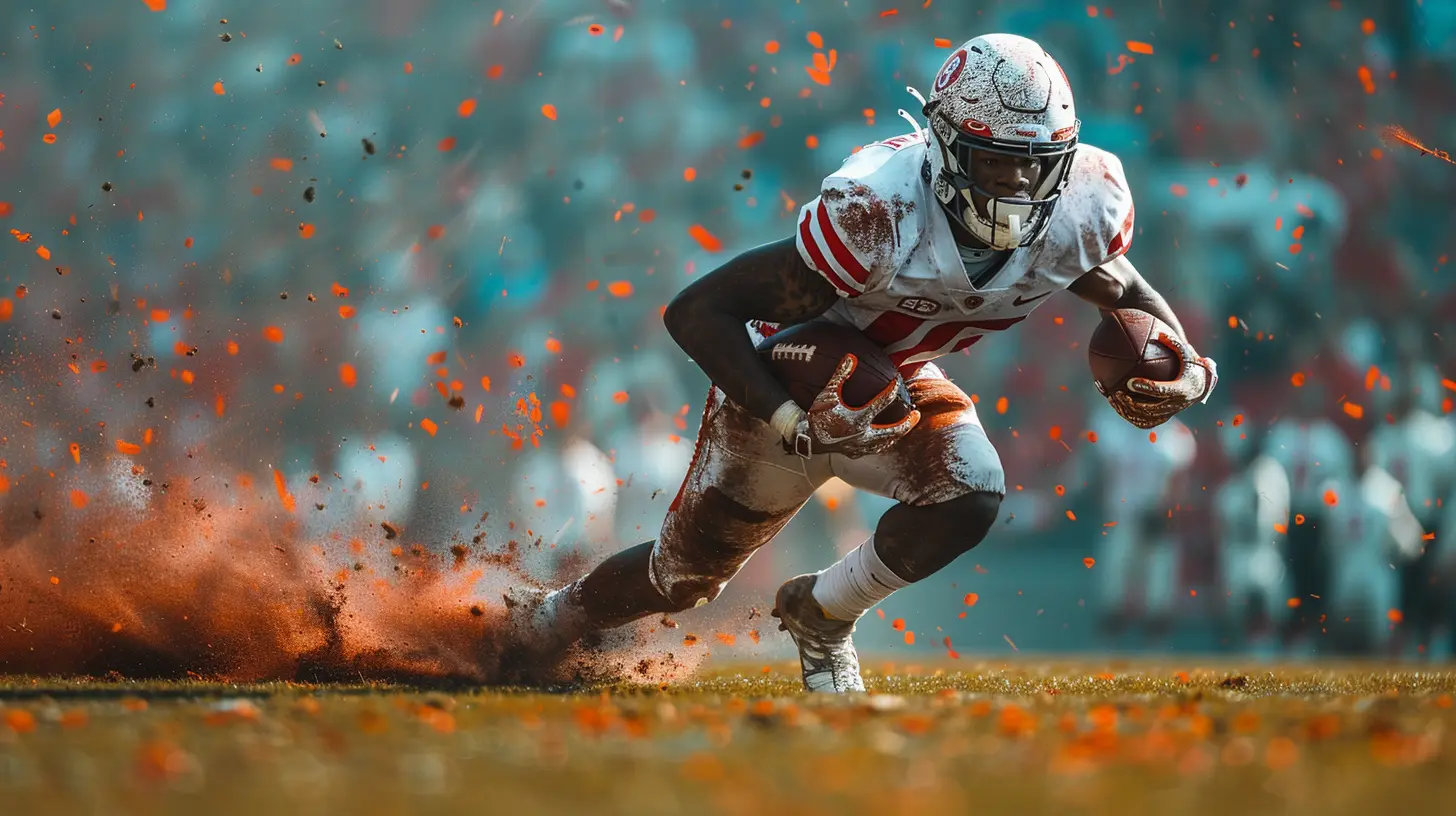
What Is Clutch Performance, Anyway?
Let’s start with the basics. Clutch performance refers to an athlete's ability to perform well under pressure—usually at critical moments in a game. Think of a buzzer-beater in basketball, a last-minute goal in soccer, or a walk-off homer in baseball. Those moments when the pressure is maxed out and everything is on the line—that’s the clutch zone.But clutch doesn’t only mean scoring. It can be a crucial defensive stop, an unbelievable save, or even a smart, game-saving decision. What matters is the context: high stakes, little time, and big consequences.
The Myth vs. The Math
Let’s face it, we romanticize clutch moments. They’re thrilling, cinematic even. But here's the twist: some experts argue that clutch isn't a repeatable skill. Instead, they say it’s just random variance. So, who’s right—the fans or the statisticians?The Skeptical View
Lots of statisticians look at clutch through a cold, hard lens. According to them, many seemingly clutch performances are just statistical noise. For example, a basketball player hitting 60% of free throws late in the game isn't necessarily "clutch"—they’re just doing what they always do.They argue that if clutch were a real, measurable skill, players would consistently outperform their averages in high-pressure spots. But that’s rarely the case. According to research from sites like FiveThirtyEight and various sports analytics studies, most players perform at or slightly below their normal levels under pressure.
The Clutch Believers
But don’t toss out your clutch-loving heart just yet. Many coaches, players, and analysts believe clutch is very real. They point to athletes like Michael Jordan, Tom Brady, or Serena Williams—players known for rising to the occasion again and again.So who’s right? Maybe everyone, to a degree.
Can We Actually Measure Clutch?
Alright, let’s talk numbers. If we want to quantify clutch, we have to define it in measurable ways. And for that, different sports use different metrics.Basketball: Clutch Time Stats
In the NBA, "clutch time" is defined as the last five minutes of a game where the score is within five points. Stats nerds track shooting percentage, turnovers, assists, and more during these moments.Some players consistently shoot better in these scenarios, but most stay on par or slightly decline. That’s understandable—defenses tighten up, nerves kick in, and legs get heavy. Still, numbers like “Clutch Points Per Game” or “Clutch Field Goal Percentage” help analysts identify who’s performing when it counts most.
Baseball: Win Probability Added (WPA)
Baseball is perhaps the most stat-heavy sport out there, and it’s got a cool stat called Win Probability Added. WPA calculates how much a player increases (or decreases) their team’s chances of winning with every play.So if a batter hits a home run in the 9th inning to turn a loss into a win, their WPA skyrockets. It’s one of the best ways to see how impactful a clutch moment really is.
Football: Game-Winning Drives
In the NFL, analysts often look at game-winning drives or fourth-quarter comebacks. Quarterbacks like Tom Brady and Peyton Manning excel here. But again, context matters. Did the drive start at their own 20-yard line with a minute left? Or did a turnover give them the ball practically in the endzone? Not all clutch drives are created equal.
The Psychology of Clutch
Now let's switch gears. What if clutch performance isn’t just about stats but about mindset? Sports psychologists talk about things like "flow" and "mental toughness"—traits that could explain why some athletes thrive under pressure.Staying Cool When It’s Hot
Ever hear someone say, “They have ice in their veins”? That’s not just a figure of speech. Athletes who are calm under fire tend to perform better in clutch moments. They're not thinking about the crowd or the stakes. They’re locked in, focused, and fearless.Confidence is Key
Confidence plays a huge part too. If a player truly believes they can make the shot, nail the kick, or score the goal, they’re more likely to succeed. That self-belief often comes from practice, experience, and yes, past clutch performances.So maybe clutch isn’t a skill like dribbling or passing—but more like emotional control and mental toughness. And those are things you can train and develop.
The Role of Experience
There’s a reason veteran players often shine in clutch moments. It’s not just talent—it’s repetition. They’ve been there before. They know the pressure, the noise, the adrenaline. And because of that, they stay composed when others panic.You might call it instinct, but it’s really experience wrapped in composure.
Clutch in the Eye of the Beholder
Here’s something wild: what we call “clutch” often depends on outcome. If a player takes a wild shot and it goes in, they’re a hero. Miss it, and they’re reckless. So our perspective is a bit biased.Think of it this way—if clutch were only about results, then luck would play a huge role. But if we define it as a good decision under pressure, regardless of outcome, then maybe more players deserve clutch respect.
Trends Across Sports
Clutch isn’t the same in every sport. A baseball player might get one moment every couple of games. But a basketball player can touch the ball dozens of times in the fourth quarter.- In soccer, clutch might mean a last-gasp save or penalty under pressure.
- In hockey, it could be a breakaway goal in overtime.
- In golf, it's sinking a make-or-break putt on the 18th green.
Context matters a lot. So comparing clutch across sports is like comparing apples to flaming juggling chainsaws—it's just not fair.
Famous Clutch Moments That Made Us Believe
Let’s take a walk down memory lane. These are some unforgettable clutch moments that made even the skeptics believe:- Michael Jordan’s “The Shot” over Craig Ehlo in 1989.
- Kirk Gibson’s hobbling walk-off home run in the 1988 World Series.
- David Tyree’s helmet catch in Super Bowl XLII.
- Tiger Woods' 2008 U.S. Open playoff win, playing through a torn ACL.
Were these luck, skill, or something deeper? Maybe a little of everything.
Final Thoughts: Is Clutch Real?
So, can clutch performance be quantified?Honestly, the answer is: kind of.
We can track some clutch stats. We can analyze trends and compare players. We’ve got the tools to estimate how much a play affected the outcome. But the magic of clutch? That part might always live in the gray area between math and myth.
What’s clear is this—some players have a knack for rising when others fall. Whether it’s mindset, skill, experience, or sheer willpower, they find a way to shine brightest when the lights are hottest.
And that, my friend, is what keeps us watching sports with our hearts in our throats and our eyes glued to the screen.
all images in this post were generated using AI tools
Category:
Sports StatisticsAuthor:

Fernando Franklin