Comparing National Teams from Different Continents: A Tactical Overview
10 August 2026
In the world of football, national teams are built not only on the strength of their players but on the tactical philosophies that define them. These philosophies often differ across continents, influenced by culture, history, and the unique playing styles that have evolved over time. Whether it's the flair and creativity of South American teams or the structured and disciplined approach of European squads, each continent has its own footballing identity. Let's dive into the tactical nuances of national teams from different regions and see how they compare.
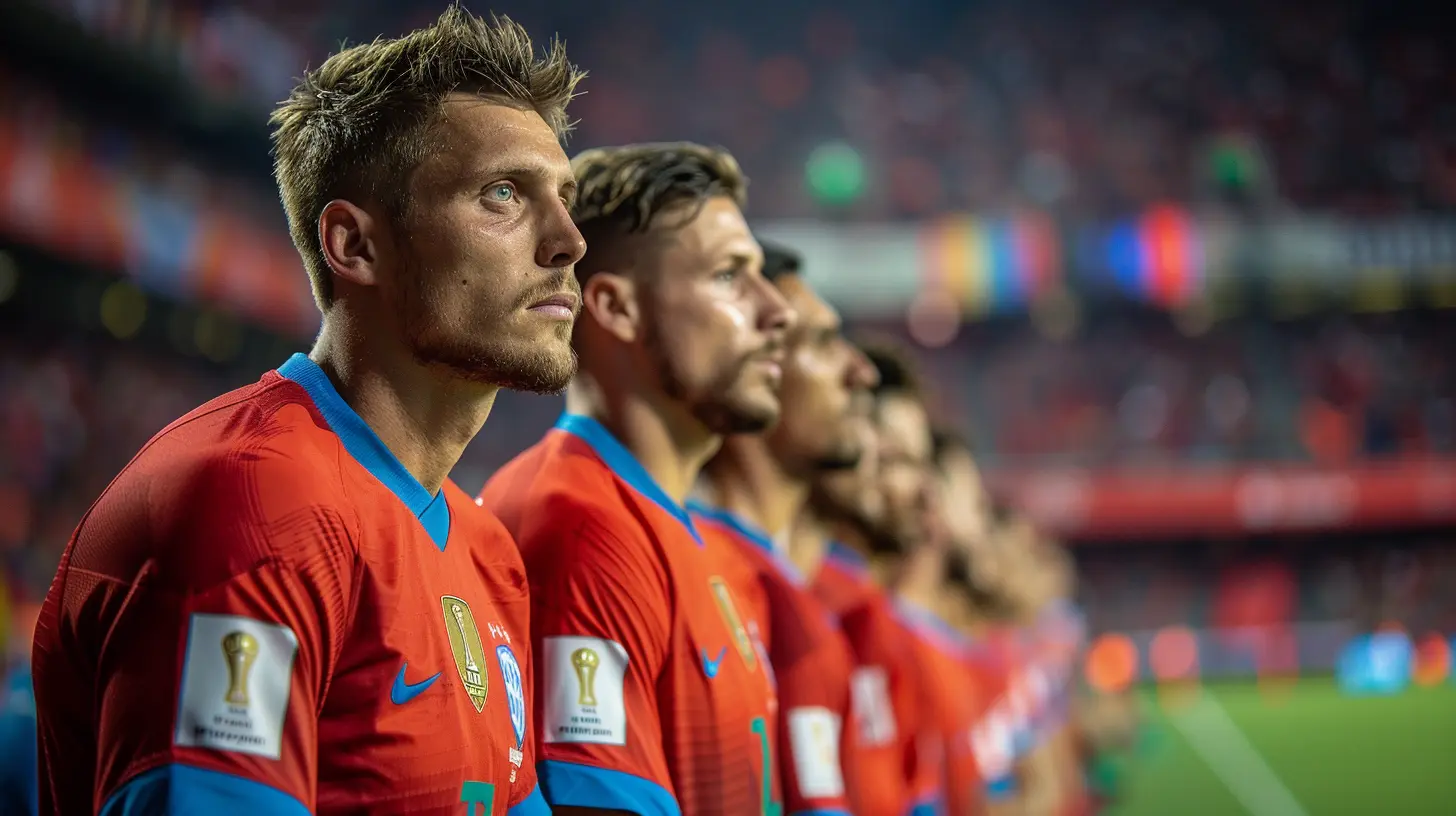
South American Flair
When you think of South American football, one word immediately comes to mind: flair. Teams from this continent, particularly Brazil and Argentina, are known for their creative, attacking style that emphasizes individual skill and fluidity on the ball.Brazil’s Samba Style
Brazil has long been associated with dynamic, attacking play—a style often referred to as "samba football." The Brazilian national team mixes technical brilliance with a free-flowing, attacking mindset. Their game is often built around short passes, intricate dribbling, and a relentless focus on offense.Brazilian players, from Pelé to Neymar, are known for their ability to take on defenders one-on-one, using quick feet and ball control to outmaneuver opponents. The team typically plays with an attacking 4-2-3-1 or 4-3-3 formation, where wide players (wingers) have the freedom to cut inside and create chances.
The defensive aspect? Well, traditionally, defense has often been secondary to Brazilian teams. However, in recent years, Brazil has developed a more balanced approach, mixing flair with tactical discipline, largely due to the influence of managers like Tite, who brought European-style defensive organization to the squad.
Argentina’s Tango on the Pitch
Another South American powerhouse, Argentina, shares many similarities with Brazil but brings its own flavor to the table. Known for crafting some of the world’s best playmakers, such as Diego Maradona and Lionel Messi, Argentina's tactics have historically revolved around the "number 10" role—a creative midfielder who orchestrates the flow of the game.In terms of formation, Argentina often opts for a 4-3-3, with flexible attacking players who can interchange positions throughout the match. The Argentine philosophy emphasizes possession, quick passing, and the ability to unlock defenses with moments of individual brilliance.
But unlike Brazil, Argentina tends to be more balanced between attack and defense. Thanks to players like Javier Mascherano in the past and more recently, Leandro Paredes, Argentine teams have shown a deeper tactical awareness in their defensive strategies. They press high up the pitch, forcing mistakes and capitalizing on them quickly.
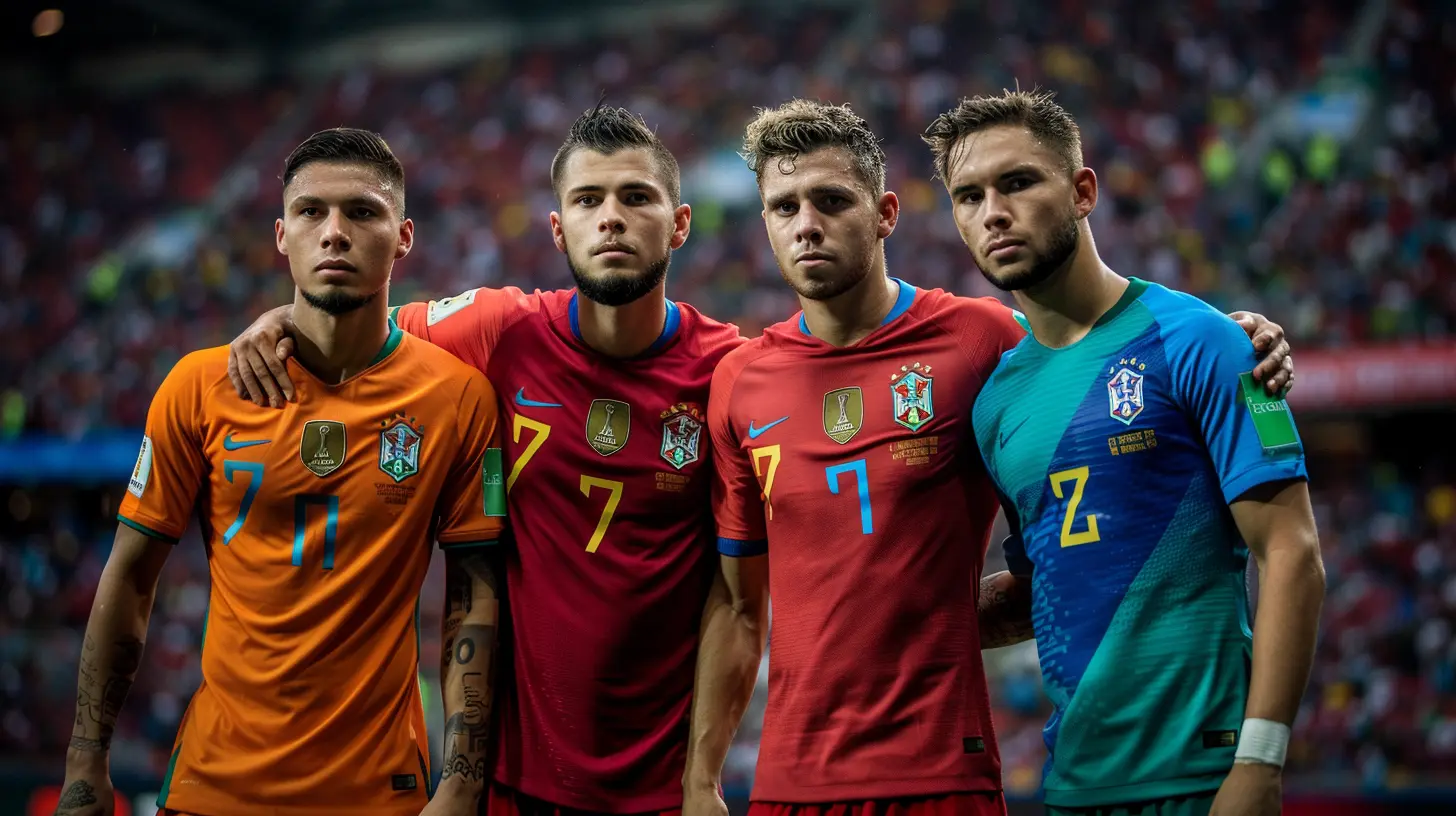
European Discipline and Structure
If South American teams are known for flair, European teams are often associated with tactical discipline, organization, and efficiency. Teams from Europe, particularly Germany, Italy, and Spain, have a reputation for their structured, methodical approach to football.Germany’s Tactical Precision
Germany is the epitome of an organized and disciplined football team. The German philosophy is built around efficiency, precision, and teamwork. While individual stars like Miroslav Klose or Thomas Müller have shined, the German system prioritizes the collective over the individual.Germany typically plays with a 4-2-3-1 formation, which offers flexibility in both attack and defense. The two central midfielders act as a double pivot, providing a solid defensive base while also contributing to the attack when necessary. The wide players, often wingers or fullbacks, make overlapping runs to stretch the opposition’s defense.
German football is all about controlled aggression, with players pressing high, winning the ball back quickly, and transitioning into attack with ruthless efficiency. Their defensive organization, coupled with their ability to exploit even the smallest of spaces, makes them one of the most tactically astute teams in the world.
Italy’s Defensive Mastery
Italy, on the other hand, has long been known for its defensive prowess. The tactical system known as "Catenaccio" (meaning “door-bolt”) is synonymous with Italian football. While modern Italian teams have evolved from the ultra-defensive Catenaccio system, the nation's emphasis on strong defending remains.Italy often employs a 3-5-2 or 4-3-3 formation, with a focus on maintaining a solid defensive structure. Italian defenders are well-drilled in zonal marking, and their ability to read the game is second to none. Players like Giorgio Chiellini and Leonardo Bonucci have exemplified this, showing that defending is not just about tackling but about positioning and intelligence.
Despite being defensively oriented, Italy is by no means averse to attacking football. In recent years, under managers like Roberto Mancini, the Italian national team has adopted a more proactive approach, focusing on possession and quick, vertical passing to break down defenses. The key, however, remains their ability to defend as a unit, making it incredibly difficult for opponents to break through.
Spain’s Tiki-Taka Revolution
Spain brought something entirely new to the table in the 2000s with their tiki-taka football. This style, popularized by Barcelona and implemented in the national team by coaches like Vicente del Bosque, emphasizes short, quick passes and maintaining possession for extended periods.Spain’s 4-3-3 formation is built around controlling the midfield, with technically gifted players like Xavi, Iniesta, and Sergio Busquets pulling the strings. The idea is simple: if you have the ball, the other team can’t score. However, tiki-taka is not just about possession; it’s about wearing down the opponent, creating passing lanes, and exploiting gaps in the defense.
While Spain's tiki-taka style has had its share of critics—some argue it can become too passive—it has proven effective, leading Spain to European Championships and a World Cup victory. Their patient, methodical approach to football is a stark contrast to the more direct, counter-attacking styles of other nations.
African Teams: Physicality and Pace
African teams have often been underestimated in international football, but they bring something unique to the game—raw physicality and blistering pace. Teams like Nigeria, Senegal, and Cameroon are known for their athleticism, physical strength, and direct style of play.Nigeria’s Speed and Power
Nigeria is a team that thrives on physicality and speed. Their players, typically strong and athletic, often dominate in one-on-one situations. The Super Eagles tend to play with a direct style, utilizing their wingers and fullbacks to create chances from wide areas.Nigeria often lines up in a 4-4-2 or 4-2-3-1 formation, with a focus on quick transitions from defense to attack. Their game plan revolves around winning the ball back in the midfield and launching fast counter-attacks. While they may not be as tactically sophisticated as European teams, their ability to overpower opponents with sheer athleticism makes them a formidable opponent.
Senegal’s Compact Defense and Counter-Attack
Senegal, much like Nigeria, relies on physicality and pace, but they tend to be more structured defensively. They often play in a 4-3-3 formation, with a compact defensive setup that aims to frustrate opponents and limit space in the final third.Senegal’s key strength lies in their ability to absorb pressure and hit teams on the counter-attack. With players like Sadio Mané leading the line, Senegal can transition from defense to attack in a flash, catching opponents off guard. Their defensive organization, combined with their explosive pace in attack, makes them one of Africa’s most tactically astute teams.
Asian Teams: Discipline and Teamwork
Asian teams, while not historically as successful as their counterparts from Europe or South America, have made significant strides in recent years. Teams like South Korea and Japan are known for their discipline, work ethic, and tactical flexibility.South Korea’s High-Pressing Game
South Korea is a team built on hard work and discipline. They often play with a high-pressing style that forces opponents into mistakes. South Korea typically lines up in a 4-4-2 or 4-2-3-1 formation, with an emphasis on teamwork and defensive organization.Their game is centered around quick transitions, much like many European teams. South Korean players are drilled to press high up the pitch and win the ball back quickly. While they might not have the individual stars that some other teams boast, their collective effort and tactical discipline make them a difficult side to break down.
Japan’s Technical Precision
Japan, much like South Korea, emphasizes discipline and teamwork, but they add a layer of technical precision to their play. Japan’s tactical approach is built around possession football, with an emphasis on quick, one-touch passing and movement off the ball.Japan often plays in a 4-3-3 or 4-2-3-1 formation, with technically skilled midfielders controlling the tempo of the game. Their tactical philosophy is similar to Spain’s tiki-taka, where patience and precision are key. While Japan may not have the physicality of African or South American teams, their technical ability and tactical intelligence make them a force to be reckoned with.
Conclusion: A Global Tactical Mosaic
It’s fascinating to see how footballing styles differ across continents. South American teams bring flair and creativity, while European teams offer structure and discipline. African teams emphasize physicality and pace, while Asian teams focus on teamwork and tactical flexibility. Each continent has its own unique approach to football, shaped by history, culture, and the players that define them.Ultimately, no one style is "better" than the others. Football is a game of balance, and the best teams are the ones that can blend these different tactical philosophies into a cohesive whole. So next time you watch a match between teams from different continents, pay attention to the tactics at play—you might just learn something new about the beautiful game.
all images in this post were generated using AI tools
Category:
National TeamsAuthor:

Fernando Franklin