Controlling Possession: How to Dominate Time of Play
4 June 2026
In any sport, whether it's soccer, basketball, or even hockey, there’s one golden rule if you want to win consistently—control the game. But what does controlling the game really mean? At its core, it’s about dominating possession. That means keeping the ball (or puck) on your side, dictating the pace, and forcing your opponent to play your game—not theirs.
Let’s dive into how players and teams can master possession and totally take over the clock, the field, and ultimately, the outcome.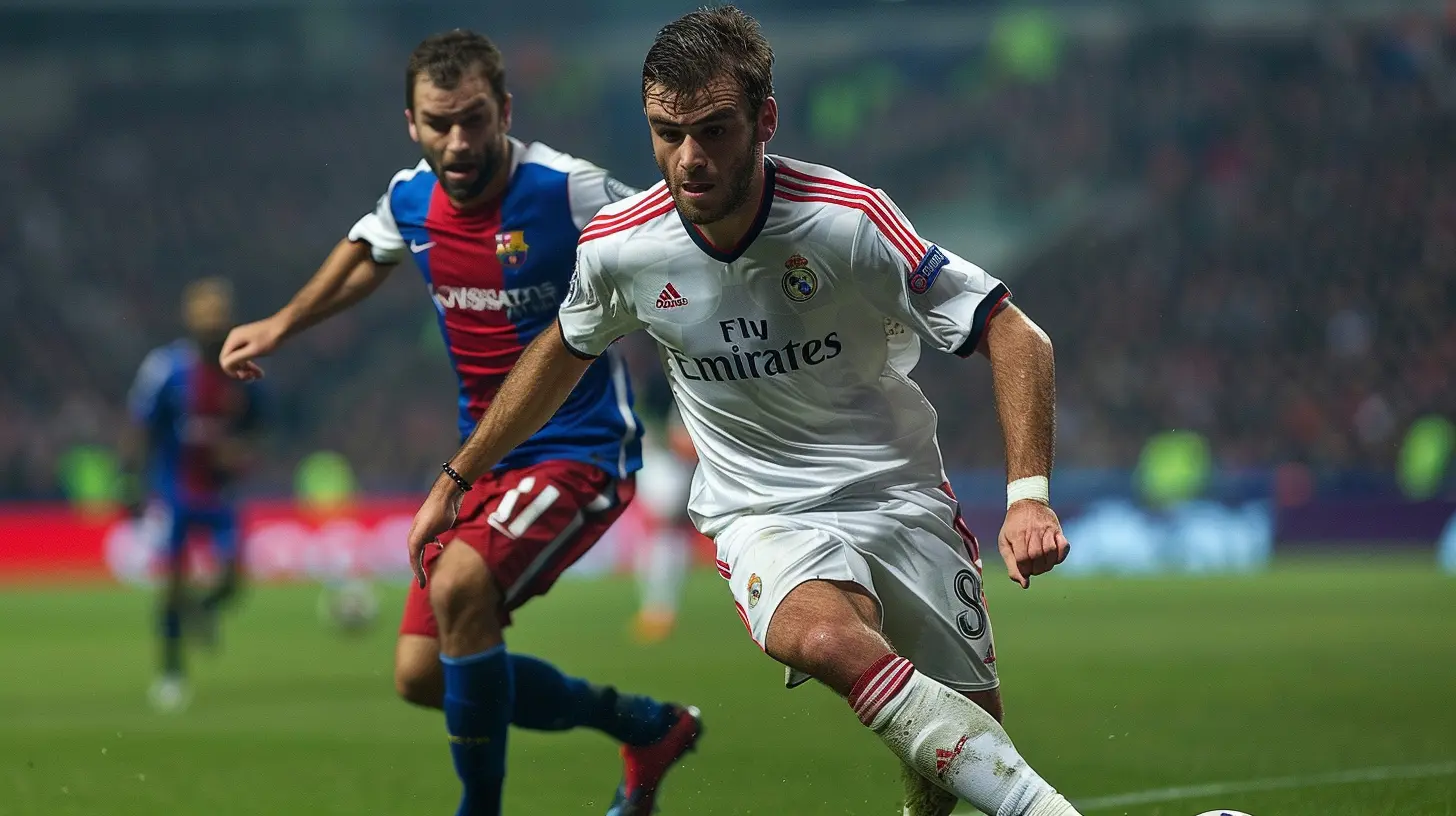
What Is “Possession” and Why Does It Matter?
Think of possession like holding the remote when you're watching TV with friends. Whoever has it decides what everyone watches. Same deal in sports. If you’ve got the ball, you're the one calling the shots.In sports like soccer or basketball, possession equals control. And when you’ve got control, the opponent is stuck reacting. That gives you a major power advantage. You can build up plays, create scoring chances, and take the energy out of the opposition’s game.
It’s Not Just About Time… It’s What You Do With It
Sure, the scoreboard might show who had the most possession, but that stat only matters if it leads to shots, chances, or points. Possession without purpose is like revving your engine in neutral. Loud, but going nowhere.
The Psychological Edge of Possession
Holding onto the ball isn’t just a tactical move—it’s a mental game too.When your team is dominating possession, the other side starts to chase. And guess what? Chasing gets old fast. It’s exhausting. The more tired they get, the more space you create. That opens up lanes, weakens defenses, and gives you complete control.
Ever been in a game where you just couldn’t get the ball? Frustrating, right? That’s the psychological weight of possession. It messes with your head.
Key Elements of Possession-Based Play
Want to dominate time of play? Get these fundamentals down first:1. Accurate Passing
At the heart of possession play is tight, crisp, clean passing. Sloppy passes? You might as well hand the ball over.- Keep passes short and simple.
- Avoid risky long balls unless there's a clear payoff.
- Move the ball quickly—don’t hold onto it for five seconds too long.
It’s like a game of hot potato. Don’t let it burn your hands.
2. Smart Positioning
Know where to be and when to be there. It’s not about running everywhere—it’s about moving with intent.- Spread the field or court.
- Create triangles—these give multiple passing options.
- Make yourself available. Always be an option.
Imagine your team as a web. The more connected it is, the harder it is to tear apart.
3. Ball Retention Skills
Dribbling, shielding, turning—these skills help you hold the ball under pressure.- Use your body to protect the ball.
- Know when to pass and when to take a man on.
- Don’t force it—reset if needed.
Keeping the ball is like keeping a secret. Don’t let the other team get near it.
4. Field Vision & Awareness
It’s chess—not checkers. Always think two, three moves ahead.- Keep your head up.
- Know where teammates and opponents are.
- Anticipate space before it opens.
The best players don’t just see the play—they see what’s coming next.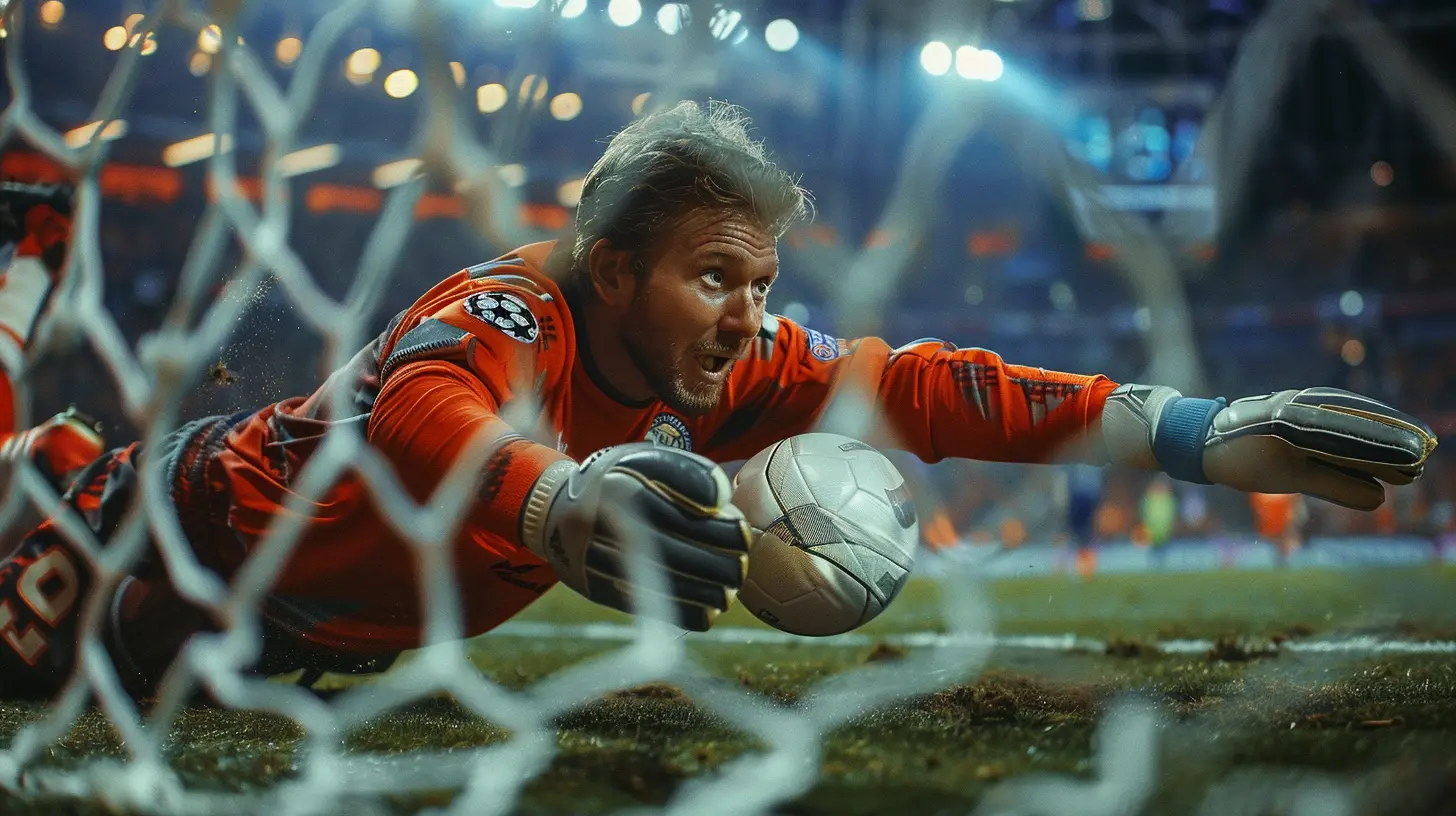
Strategies to Dominate Possession
Now that you’ve got the basics, let’s get tactical.1. Play Out from the Back
Start your build-up play from your defensive line. It draws opponents in and creates space up top.- Encourage defenders to be comfortable with the ball.
- Use your keeper as a passing option.
- Avoid aimless clearances unless you're in danger.
This approach is about patience and confidence. Like a poker face—don’t blink first.
2. Control the Midfield
Midfield is where battles are won or lost. Dominate here, and you can choke the other team’s game.- Use holding mids to dictate tempo.
- Transition quickly from defense to attack.
- Own the second ball after loose passes or clearances.
Think of your midfield like your brain. If it’s sharp, your whole body responds better.
3. Use the Width
Stretch the field and force opponents to spread out. That opens lanes inside.- Switch play often.
- Get your fullbacks or wingers involved.
- Don’t just go down the middle—mix it up.
It’s the classic “pull-apart” move. Make the defense chase shadows.
4. High Press When You Lose Possession
Possession isn’t just about keeping the ball—it’s about getting it back fast.- As soon as you lose it, press high and quick.
- Trap them near their goal.
- Force mistakes and regain control.
It’s like dropping a toy and immediately picking it back up. Don’t give anyone else a chance to take it.
Training Drills to Improve Possession Play
Want to put this into action? Here are some killer drills to sharpen your possession game.Rondo (Keep-Away Circle)
A classic. Small group circles where players keep the ball away from 1-2 defenders in the middle.- Quick touches, fast decisions.
- Builds awareness, passing, and movement.
- Add rules: one-touch only, weaker foot, etc.
5v2 Possession Grids
Set up a mini-field with 5 attackers vs. 2 defenders.- Focus on maintaining possession with limited space.
- Defenders work hard to pressure and win back.
- Rotate players to keep intensity high.
Full-Field Possession Games
Scrimmages where the goal is to keep the ball instead of score.- Limit touches (e.g., 2 touches only).
- Award points for stringing together 10 passes.
- Emphasize smart positioning and movement.
These drills force players to think fast, stay sharp, and work together like gears in a machine.
Common Mistakes that Kill Possession
Even the best teams slip up. Avoid these if you want to keep the ball on a leash.1. Rushing Plays
Don’t panic under pressure. Slow it down when needed.2. Over-dribbling
One too many touches, and it’s gone. Keep it simple.3. Static Movement
Standing still is a possession killer. Keep moving, even off the ball.4. Poor Communication
Call for passes. Warn about incoming pressure. Use your voice—it’s a free tool.The Role of the Coach
A possession-focused team doesn’t just happen on its own. The coach sets the tone.- Encourage a calm, patient style of play.
- Reward smart decisions—not just flashy moves.
- Train game scenarios that emphasize ball control.
Coaching possession is like teaching cooking. It’s not just about ingredients—it’s about timing, rhythm, and knowing when to turn up the heat.
Possession in Real Games: Case Studies
Want proof that possession works? Just look at these legendary teams:FC Barcelona (under Guardiola)
They didn’t just win—they suffocated teams. With 70%+ possession every game, they passed their way to the opponent's net like it was choreographed art.Spain (2010 World Cup)
Same DNA. Slow buildup, precise passes, and total control. They didn’t score much—but they didn’t need to. The other team rarely touched the ball.Manchester City (under Pep again)
Modern day masters of possession. They grind teams down, then strike like a coiled viper when space opens up.These teams didn’t just have the ball—they owned the pace, the rhythm, and the result.
When Not to Focus on Possession
Surprise! Sometimes, dominating the ball isn’t the best strategy.- Against fast-break teams: Holding the ball for too long can be risky if you lose it high up.
- When trailing late: You might need to gamble and go direct.
- If your players lack composure: Possession only works if you’ve got the technical skills to pull it off.
Don’t force possession play. Use it when it fits your squad’s strengths.
Final Thoughts
Controlling possession isn’t just stylish—it’s powerful. It turns games into your story, not theirs. When you dominate the ball, you dominate time. And when you dominate time, you increase your odds of winning—plain and simple.So whether you’re a player, coach, or just a sports junkie, remember this: the ball is your best friend. Treat it right, keep it close, and make the other team beg for a turn.
You’re not just playing the game—you’re writing it.
all images in this post were generated using AI tools
Category:
StrategyAuthor:

Fernando Franklin
Discussion
rate this article
1 comments
Devin Henderson
Possession is more than just holding the ball; it's about dictating the game's rhythm. Teams that master this skill can frustrate opponents and create scoring opportunities. It's a blend of strategy, patience, and precision that separates the good from the great.
June 14, 2026 at 11:29 AM