Cupping Therapy in Sports: What Does the Research Say?
5 December 2025
If you’ve watched the Olympics or professional sports events, you may have noticed athletes sporting circular red marks on their bodies. These marks aren’t from injuries—rather, they’re the result of cupping therapy, an ancient practice that’s making waves in the world of sports.
But does cupping therapy actually work, or is it just another wellness trend? More importantly, what does the research say about its effectiveness in sports performance and recovery? Let's break it all down.
What Is Cupping Therapy?
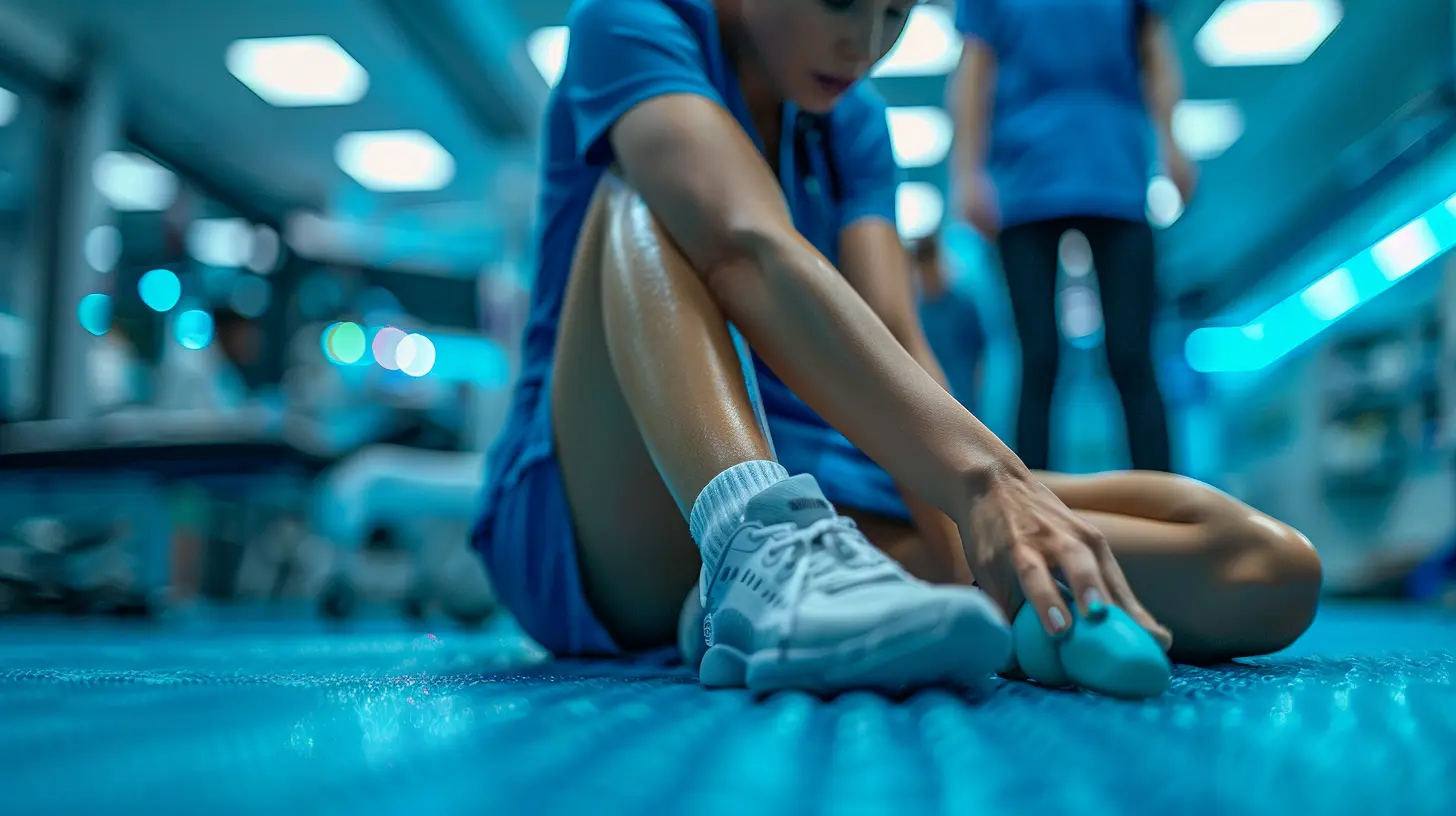
Cupping therapy is a form of alternative medicine that dates back thousands of years, with roots in Chinese, Middle Eastern, and Egyptian medicine. It involves placing cups—typically made of glass, silicone, or plastic—on the skin and creating suction.The suction can be achieved through either:
- Dry Cupping – Using a vacuum pump or heat to create suction inside the cup.
- Wet Cupping – Similar to dry cupping but includes a small incision to draw out a small amount of blood.
Athletes primarily use dry cupping to aid in muscle recovery and reduce soreness. But does it actually work, or is it just another placebo effect?

Why Athletes Use Cupping Therapy
Athletes are always looking for an edge—something that can improve performance, speed up recovery, or prevent injuries. Cupping therapy promises several benefits, including:- Pain relief – Many athletes swear by cupping therapy to alleviate sore muscles and tension.
- Improved blood circulation – The suction effect is believed to increase blood flow to the targeted area, which might help with muscle recovery.
- Reduced inflammation – Some studies suggest that cupping can reduce inflammation, which is crucial for recovery after intense workouts.
- Relaxation and stress relief – Like a deep tissue massage, cupping may help athletes relax before or after competition.
But while many athletes endorse it—most famously, Michael Phelps during the 2016 Olympics—what does science actually say?
What Does the Research Say?
While there’s plenty of anecdotal evidence from athletes, scientific studies on cupping therapy are still somewhat limited. However, some research suggests potential benefits.1. Cupping May Reduce Pain and Muscle Soreness
Several studies indicate that cupping therapy can help reduce pain, particularly in those suffering from chronic pain conditions like fibromyalgia and back pain.A 2018 meta-analysis published in the Journal of Alternative and Complementary Medicine reviewed multiple studies on cupping and concluded that cupping therapy might have positive effects on pain reduction. However, researchers noted that more high-quality clinical trials are needed.
For athletes, reducing post-exercise muscle soreness is a big deal. A 2019 study in the Journal of Acupuncture and Meridian Studies found that cupping therapy helped decrease muscle soreness in soccer players after intense training sessions.
2. Improves Blood Circulation and Recovery
One of the primary claims of cupping therapy is that it improves blood flow, which helps flush out toxins and speeds up recovery.A 2016 study in the BMC Complementary and Alternative Medicine journal found that cupping therapy increased localized blood flow, which might improve oxygen delivery to muscles and accelerate healing.
However, critics argue that any benefit seen might be similar to the effects of massage or foam rolling—other widely accepted recovery techniques.
3. May Reduce Inflammation
Inflammation is a common issue for athletes, especially after strenuous workouts or injuries. Some small studies suggest that cupping therapy might reduce inflammation markers in the body, potentially helping athletes recover faster.A 2019 study in Evidence-Based Complementary and Alternative Medicine found that cupping therapy led to a decrease in pro-inflammatory cytokines, compounds in the body that contribute to inflammation.
While this is promising, researchers stress that the evidence is still preliminary, and more rigorous studies are needed to confirm these findings.
4. Placebo Effect Might Play a Role
One of the biggest criticisms of cupping therapy is that its effects might be largely due to the placebo effect.If an athlete believes cupping will help them recover, they might psychologically feel better—even if there’s no significant physical change happening. This is common in many alternative therapies, but does that mean it’s not worth trying? Not necessarily.

Cupping Therapy vs. Other Recovery Methods
Athletes use various recovery techniques, such as:- Massage therapy
- Foam rolling
- Cold therapy (ice baths, cryotherapy)
- Compression therapy
So, how does cupping stack up?
Massage vs. Cupping
Both massage and cupping aim to improve circulation and reduce muscle tension. However, massage involves direct pressure on the muscles, while cupping relies on suction to pull the skin upward. Some individuals find cupping to be less painful than a deep tissue massage.Foam Rolling vs. Cupping
Foam rolling applies pressure directly to muscle knots, helping to break up adhesions. While cupping doesn’t target trigger points in the same way, it may still improve blood flow. Some athletes use both methods together.Cold Therapy vs. Cupping
Cold therapy helps reduce inflammation and numbs pain, while cupping works by increasing circulation. Some athletes use ice baths immediately after a workout and cupping therapy later for muscle relaxation.Should You Try Cupping Therapy?
So, should you give cupping therapy a shot? If you struggle with sore muscles, tightness, or slow recovery, it might be worth trying. It’s generally considered safe when performed by a trained professional, and many athletes swear by it.However, if you’re looking for strong, research-backed proof, the jury is still out. Some studies show potential benefits, but more high-quality research is needed.
Who Should Avoid Cupping?
Cupping therapy isn't for everyone. You should avoid it if you:- Have skin conditions like eczema or psoriasis
- Take blood-thinning medications
- Have varicose veins or serious circulatory issues
- Are pregnant (without consulting a doctor)
Final Thoughts
Cupping therapy has been around for centuries, and recent research suggests it might have some real benefits—especially for athletes seeking muscle recovery and pain relief. While science hasn’t fully confirmed all its effects, plenty of athletes swear by it.If you’re open to alternative recovery methods and don’t mind a few circular marks, cupping could be a great addition to your routine. Just be sure to consult a professional before diving in!
all images in this post were generated using AI tools
Category:
Sports MedicineAuthor:

Fernando Franklin
Discussion
rate this article
2 comments
Xavier Robinson
Suction cups: sports magic or just weird?
December 16, 2025 at 4:46 AM
Fernando Franklin
Cupping therapy, often seen as unconventional, has mixed research results; some athletes report benefits, while scientific evidence remains inconclusive. It's important to approach it with a critical mindset.
Julianne McEachern
Great article! Cupping therapy presents an intriguing approach to sports recovery. It's essential to stay informed about new methods and their effectiveness—every tool can enhance performance and well-being. Keep exploring!
December 5, 2025 at 4:48 AM
Fernando Franklin
Thank you for your thoughtful comment! I appreciate your support and agree that staying informed about innovative recovery methods like cupping therapy is key to enhancing performance.