Defensive Rotations: Understanding Team Defense
4 May 2026
If you've ever yelled "Switch!" or "Help!" during a pickup game, then congratulations — you're already dipping your toes into the world of defensive rotations. Sounds fancy, right? But at its core, it’s just a team’s way of covering their butt when something goes sideways on defense.
Basketball isn’t just about flashy dunks, deep threes, or killer crossovers. The real magic often happens on the other end of the court — where grit, hustle, and smart decisions take center stage. And within that gritty world of defense, rotations are the glue that holds it all together.
So, buckle up. We're diving head-first into the heart of team defense. Whether you're a baller, a coach, or just a hoops junkie, this is for you.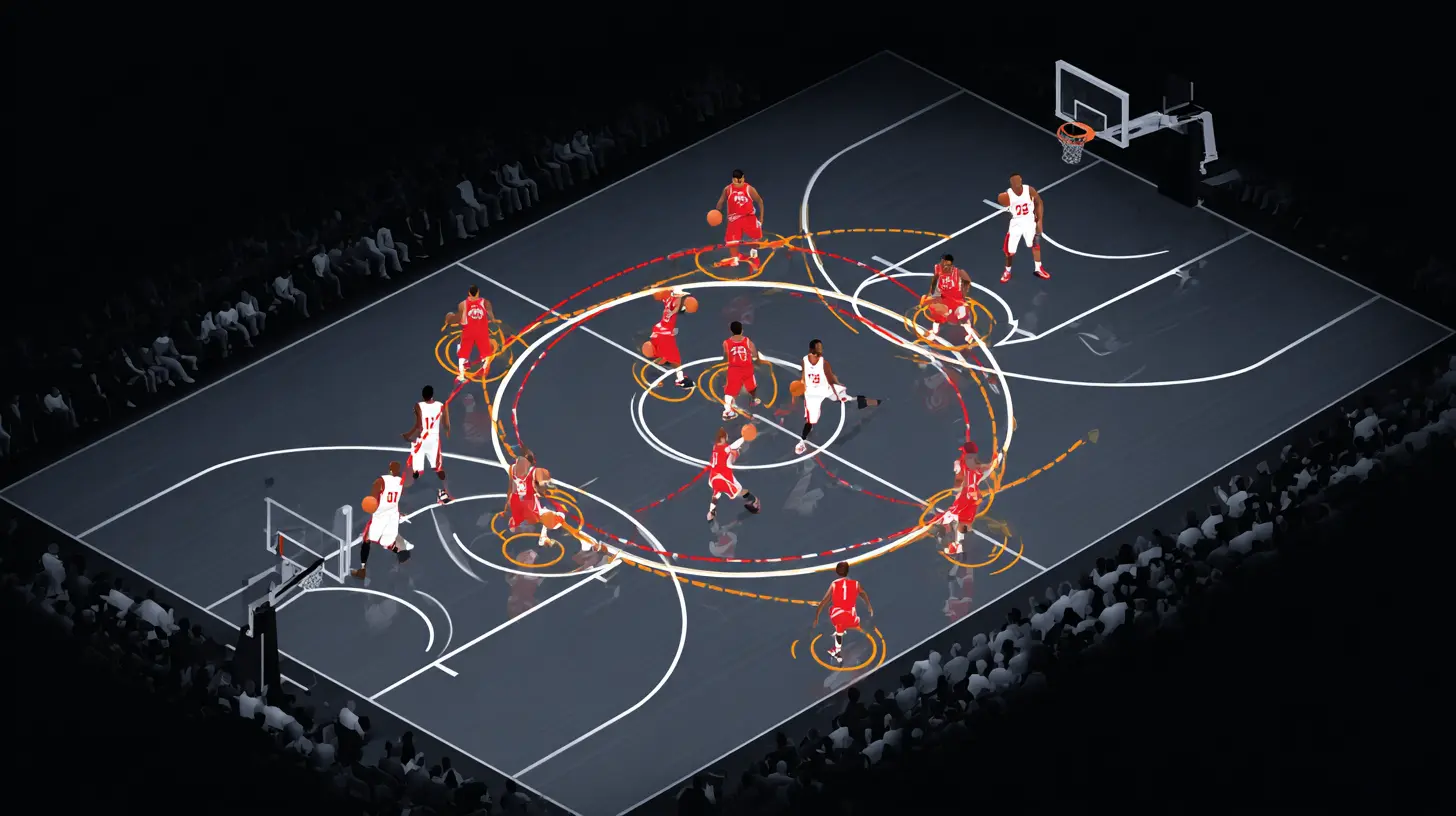
? What Are Defensive Rotations?
Let’s keep it real — defensive rotations are the secret sauce in team defense. At a basic level, they’re a series of calculated movements that defenders make when someone gets beat, whether off the dribble, during a pick-and-roll, or after a breakdown in coverage.Imagine defense like a spider web. If one part of it gets poked, the whole thing responds. Defensive rotations are how the team responds when the structure is threatened.
Here’s the gist:
- A teammate gets beat → You help.
- You help → Your teammate rotates to cover your man.
- It keeps cycling until things settle or a possession ends.
Sounds easy? Not always. Timing is everything.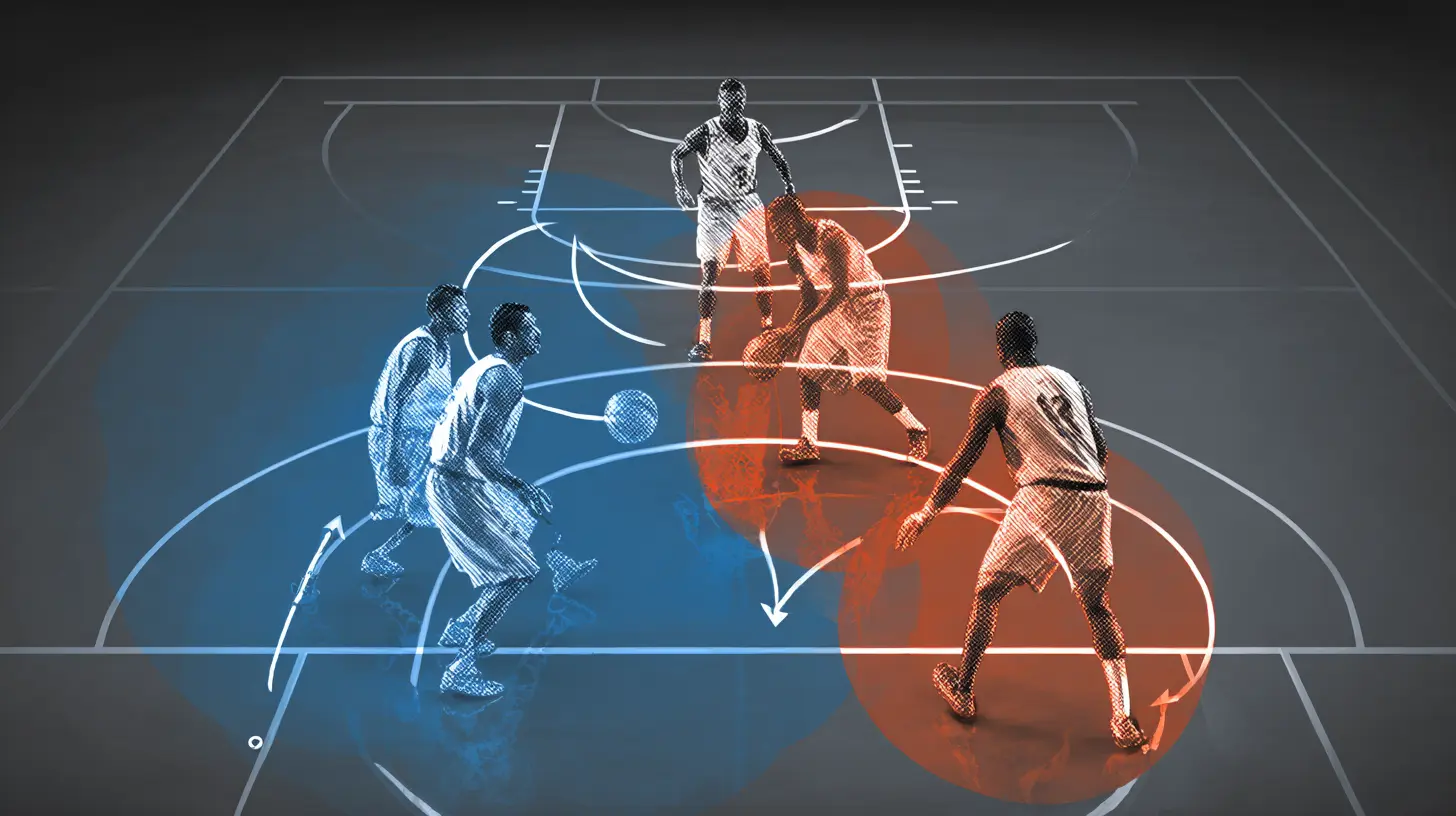
? Why Defensive Rotations Matter
You know that moment when a player drives into the paint and kicks it out to a wide-open shooter? That’s usually the result of bad or late rotations. A strong rotation could’ve forced a tougher shot, a turnover, or even a shot clock violation.So why care?
- Protect the paint – Rotations are crucial to stop dribble penetration.
- Close out on shooters – You can’t let Steph Curry have a party on the perimeter.
- Help your team recover – One mistake doesn’t need to lead to a bucket.
- Create turnovers – Smart rotations pressure ball-handlers and clog lanes.
Defensive rotations don’t just plug holes—they change games.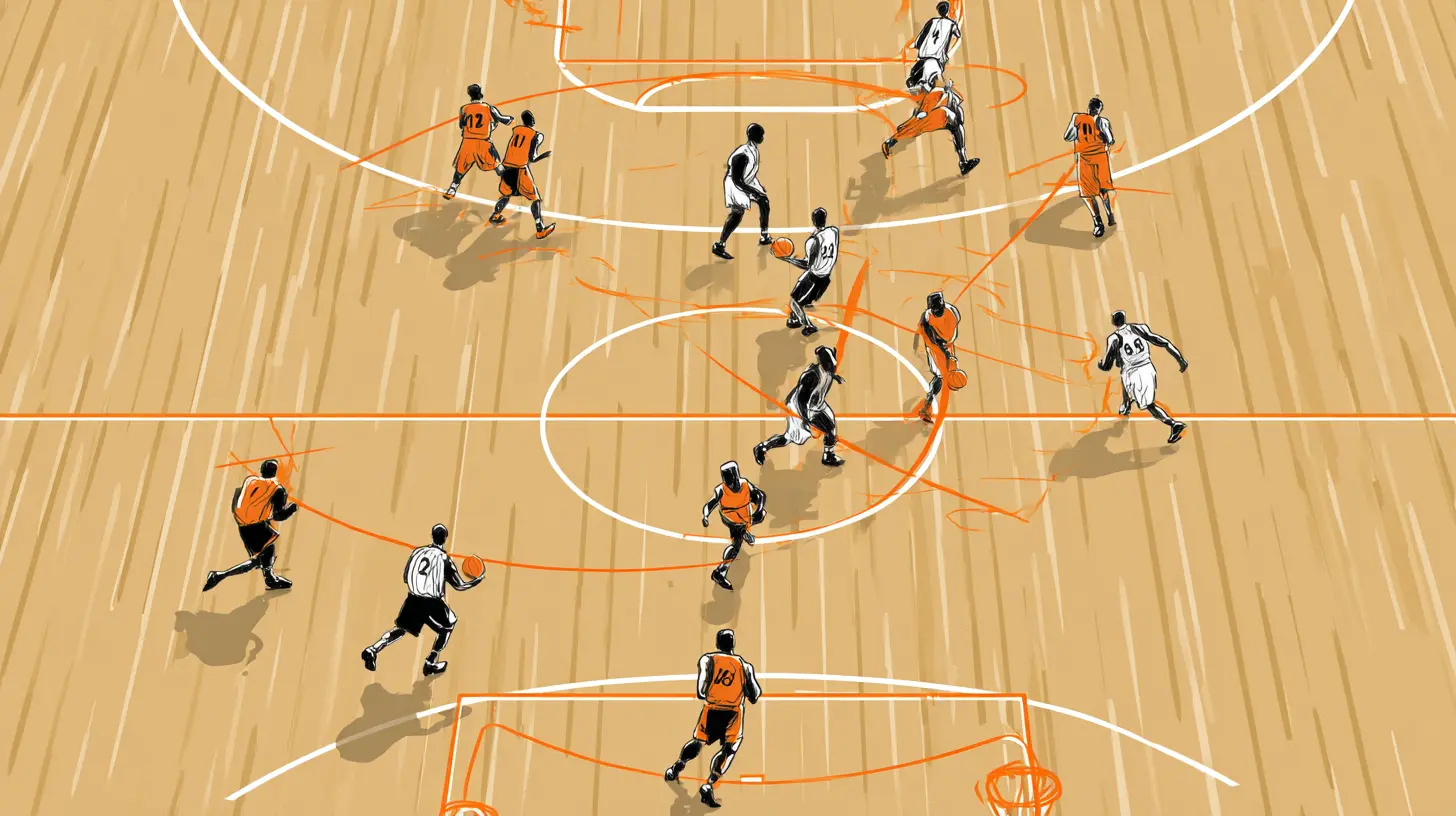
? Types of Defensive Rotations
Let’s break down the essential types. Think of these like tools in a toolbox. Each one serves a different purpose depending on the defensive strategy.1. Help-side Rotation
This is the big one. It kicks in when the ball-handler beats their defender off the dribble. A help-side defender (usually on the weak side) slides over to cut off the drive.But here’s the catch — if you leave your man, someone has to cover him. Enter the chain reaction.
2. Baseline Drive Rotation
When someone drives along the baseline, it wreaks havoc on defensive shape. The rotation starts with the low man stepping in to help. Then, teammates rotate up or in to cover open shooters or bigs.Think of it like water flowing downhill — the movement starts at the bottom and flows upward.
3. Scram Switch
This is more advanced, but super slick. When a mismatch happens (like a small defender stuck on a big in the post), a teammate quickly switches off the ball and takes over. Meanwhile, the guard gets out of dodge and switches onto a more manageable player.Elite teams do this in the blink of an eye.
4. X-Out Rotation
Used when defending the corner three. One defender rotates to close out on a shooter in the corner, while another defender reacts quickly to cover the wing shooter. It forms an “X” pattern — hence the name.Speed and communication are key here.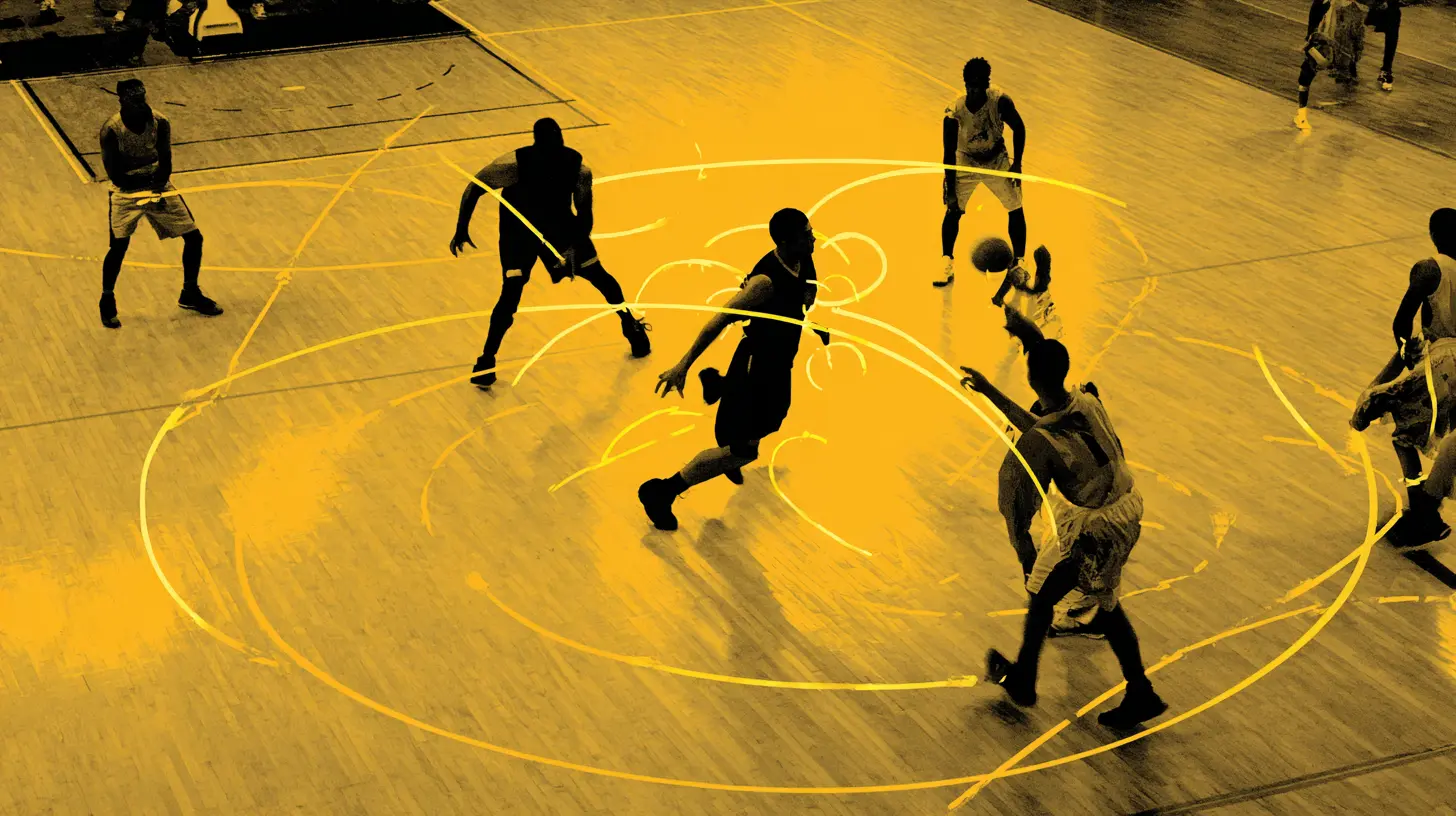
? Communication: The Backbone of Defensive Rotations
You can’t rotate if no one’s talking. Communication is the lifeline of good defense. Think of it like a symphony — every player needs to be in sync.What should players be shouting on defense?
- “Help!” – I'm stepping up, rotate for me!
- “Mine!” – I’ve got the switch.
- “Rotate!” – Time to move, we’ve got a leak!
- “Close out!” – Shooter’s about to pull.
Want elite defense? Get loud. Real loud.
?️♂️ How Teams Practice Defensive Rotations
You think this chemistry happens by chance? Nope. Good teams drill rotations until it’s muscle memory.Drills like:
- Shell Drill – A staple in every gym. Teaches positioning, movement, and — you guessed it — rotations.
- Closeout + Rotate Drill – Focuses on defending the drive and rotating from the help side.
- Scramble Drills – Simulates broken plays where defenders must rotate on the fly.
Repetition sharpens instincts. And in tight playoff games? Instinct wins.
? Examples of Great Defensive Rotation Teams
Let’s tip our cap to the legends of the rotation game.1. Miami Heat
Whether it was the LeBron-Bosh-Wade Big 3 or the gritty 2020 bubble squad, Miami’s rotations have always been elite. Coach Erik Spoelstra drills his team on scrappy, aggressive, and perfectly timed help.2. Boston Celtics (2022-2023)
Switch-heavy, versatile, and scary smart. They slide into rotations like ghosts. One second you think you're open... next second, someone closes out with a hand in your face.3. Golden State Warriors (2014-2019)
They made defense fun. From Draymond Green barking out switches to Klay Thompson rotating like clockwork — it was a thing of beauty. Every rotation had a purpose.? Basketball IQ and Rotations: They Go Hand in Hand
Here’s a little secret — great rotations aren’t just about athleticism. They’re about IQ. You could jump out of the gym, but if you're always rotating late, you’re just... late.Smart defenders:
- Read the offense two moves ahead.
- Know when to stay home vs. when to help.
- Recognize dangerous shooters and weak passers.
- Time their recoveries like a chess move.
Watch film of players like Jrue Holiday, Marcus Smart, or Kawhi Leonard. They rotate with purpose. They don't just chase — they anticipate.
⌛ Common Rotational Mistakes
Everyone messes up sometimes. But recognizing common errors can keep your team sharp.❌ Over-helping
Helping too far off your man = wide-open three. Stay disciplined. Help the helper, but don’t abandon your post.❌ Late Rotations
Rotating a second too late is the difference between a contested shot and a bucket. React fast.❌ Miscommunication
Nobody rotated because... nobody said anything. Talk it out, loudly and clearly. Silence is deadly in defense.? Building a Defensive Culture That Prioritizes Rotations
You can call plays, design schemes, and diagram coverages. But at the end of the day? Rotations are about trust and effort.A championship-level rotation culture includes:
- Accountability – Own your mistakes, learn, and rotate better next time.
- Effort – You might not block the shot, but you better contest it.
- Unselfishness – Rotate, even if you’re leaving your man. Trust the team to cover.
- Consistency – Good rotations become great through repetition and discipline.
Want to see passion? Watch a bench erupt when a teammate makes a perfectly timed rotation and forces a turnover. That’s what it’s all about.
? How Defensive Rotations Fit Into Overall Team Defense
Defensive rotations don’t exist in a vacuum. They’re part of a bigger defensive puzzle — things like individual on-ball defense, help and recover, transition D, and rebounding.Great teams don’t rotate just because. They rotate with a purpose, tied to a game plan. Some teams might:
- Switch on everything.
- Ice side pick-and-rolls.
- Trap high ball screens.
- Drop bigs in the paint.
Rotations adapt based on the scheme. The common thread? Effort. Communication. Awareness.
? The Bottom Line
Defensive rotations aren't just for X's and O's nerds. They're the lifeblood of elite team defense. When one player steps up to help, another fills in the gap. It's like a basketball version of "I've got your back."Rotations are where trust meets action — where team over self shines through.
So next time you’re on the court and your guy gets burned... rotate. And when your teammate does it for you? Clap it up, get back on D, and do it again.
Because great defense isn’t built on isolation. It’s built on connection.
all images in this post were generated using AI tools
Category:
BasketballAuthor:

Fernando Franklin
Discussion
rate this article
1 comments
Elin McCool
Fascinating insights on teamwork and defensive strategies!
May 8, 2026 at 2:37 AM
Fernando Franklin
Thank you! I'm glad you found the insights helpful. Teamwork is crucial in effective defense.