Global Migration and Its Influence on National Team Rosters
19 March 2026
In the world of international sports — especially football (or soccer, for our American friends) — few trends have reshaped the game quite like global migration. You’ve seen it. A Brazilian-born striker wearing the jersey of Italy. A French midfielder of Algerian descent electrifying the pitch. A Canadian hockey squad packed with players whose parents started life thousands of miles away. It’s not just about where you're born anymore. It’s about who you are, and where you choose to belong.
Today, we’re diving deep into how global migration is shaking up national team rosters — and trust me, there’s a lot more going on here than just passports and paperwork.
A World on the Move
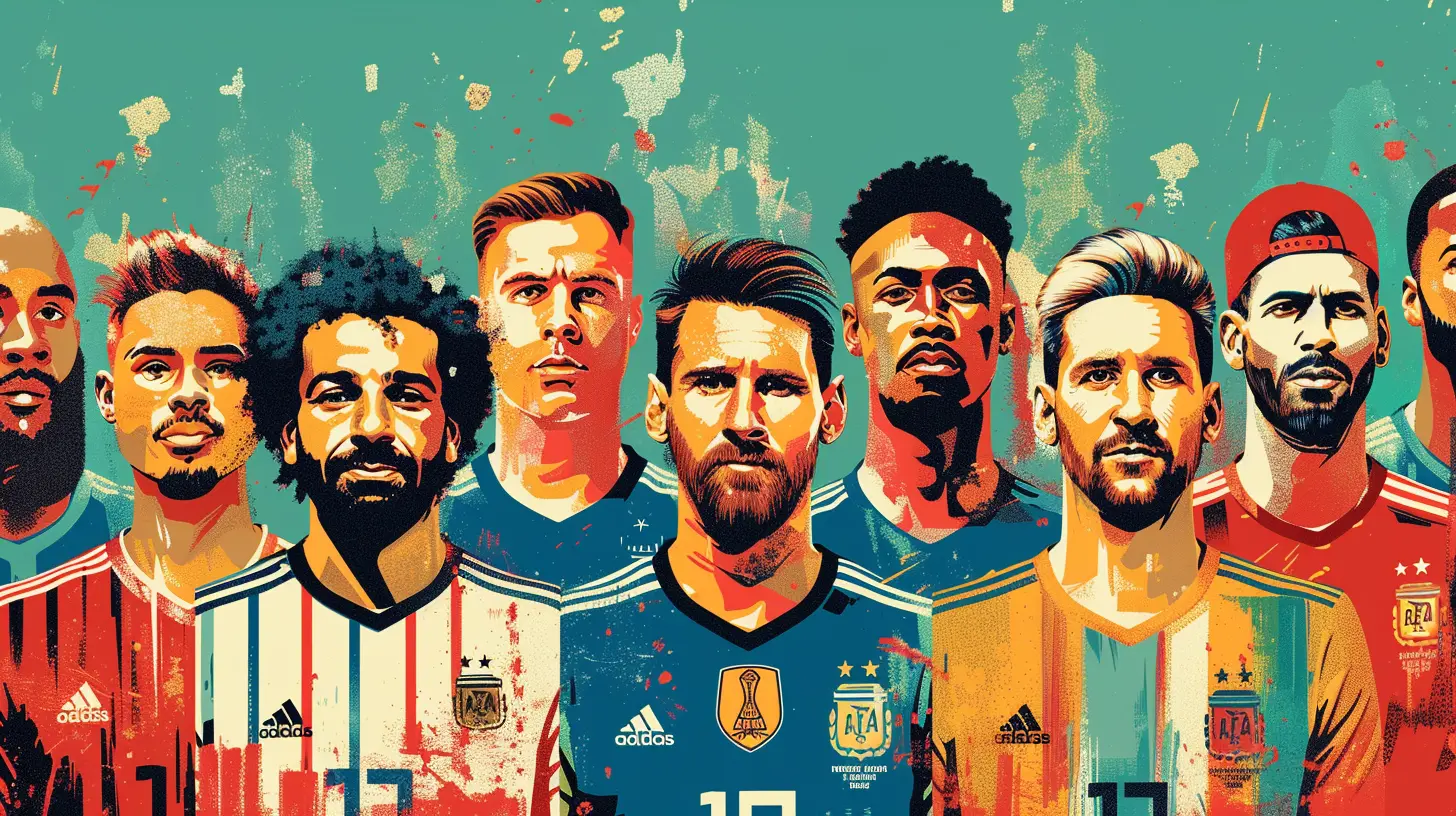
Let’s start with the basics: people are moving like never before.Whether it’s economic opportunity, fleeing conflict, or just searching for a better life, millions of people relocate every year. And when families move, they take their cultures, identities, and — yes — their athletic talents with them. Kids born in one country often grow up in another. The result? A tidal wave of dual-national athletes with choices to make.
Think about it: How many times have you heard a commentator say, “He had the option to represent Country X but chose Country Y”? It happens all the time.
Dual Nationality: A Game-Changer
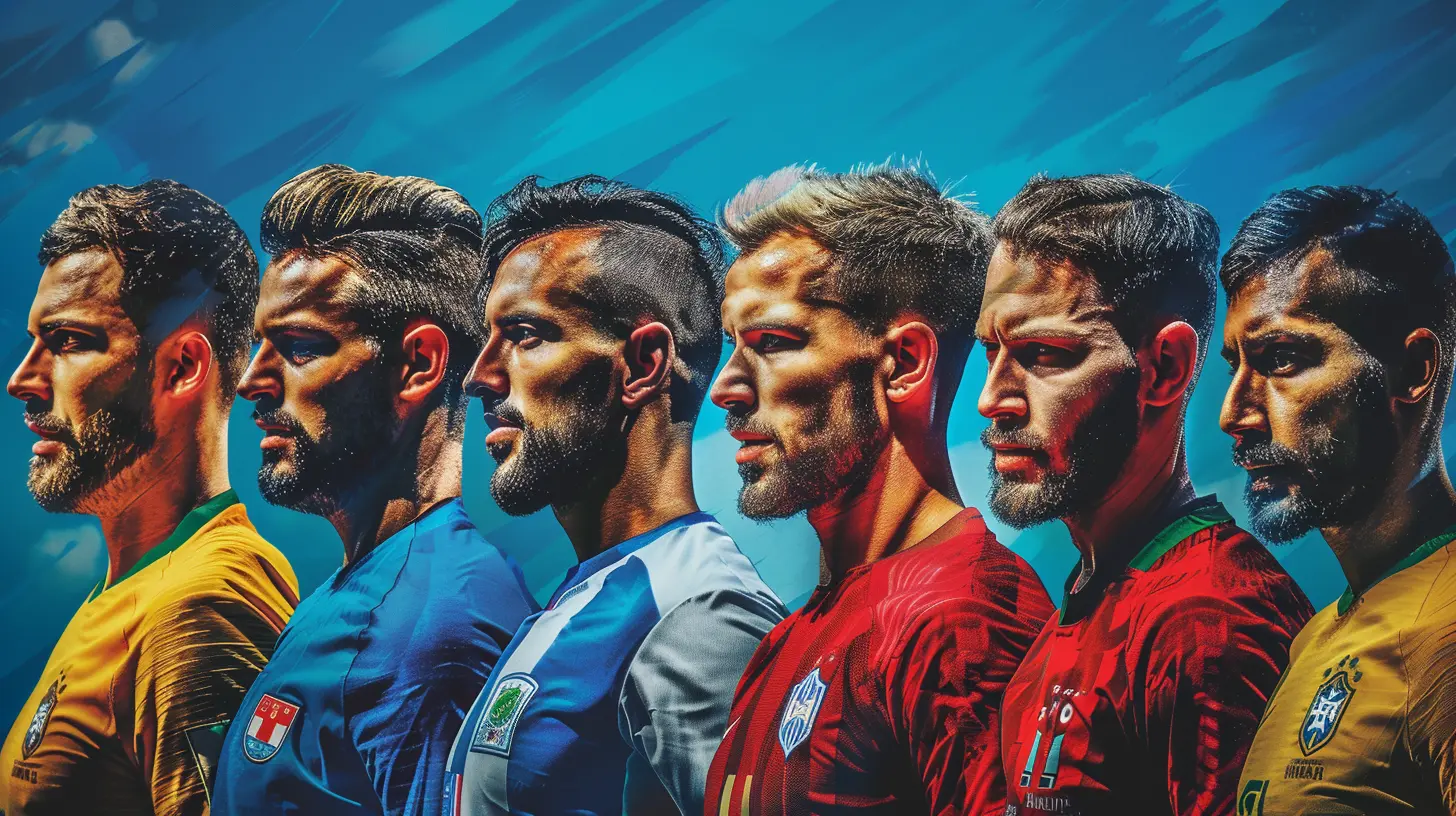
Thanks to loosened immigration laws and more inclusive ideas of nationality, many athletes qualify for more than one country. FIFA, for example, allows players to represent a country if they were born there, have parents or grandparents from there, or if they’ve lived there for a certain number of years.That opens a lot of doors.
Take Jorginho, Italy’s midfield maestro. Born in Brazil, moved to Italy as a teenager, chose to represent the Azzurri. Or Wilfried Zaha, born in Ivory Coast, raised in England, played for England’s youth and senior team before switching allegiance back to Ivory Coast.
There's no shortage of examples. Migration has provided options — and options create strategy.
National Teams: A Global Mosaic
Let’s break it down by sport. Football gets the most attention, but it's not alone in this global reshuffling.Football (Soccer)
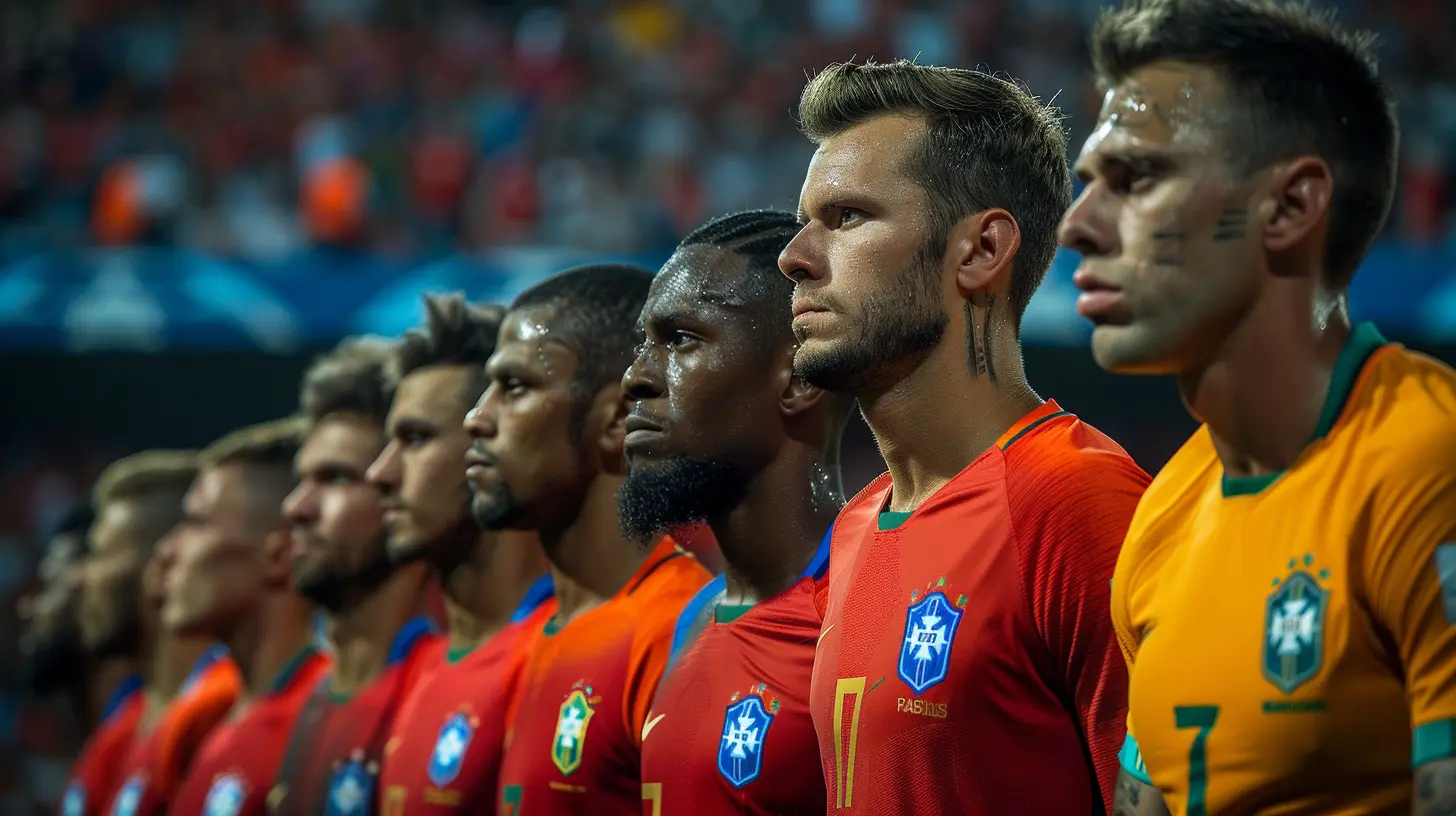
Football is the poster child for migration-influenced rosters. At the 2018 World Cup, more than 60 players represented a country different from the one in which they were born. France’s World Cup-winning squad? Over 70% had roots stretching beyond Europe.You could argue that France’s biggest asset isn’t just its youth academies — it’s its multiculturalism. The blend of African, Caribbean, and European influences created a unique footballing identity: fast, technical, resilient.
This isn’t a new thing, by the way. Remember Zinedine Zidane? One of the greatest of all time, born in France to Algerian parents. Migration’s impact on football has been decades in the making.
Basketball
In basketball, we’ve seen American-born players turning into international stars — not just in the NBA, but on the world stage too. Think of J.R. Holden, who helped Russia win the EuroBasket in 2007 despite being born in Pittsburgh. Or Becky Hammon, who played for Russia’s women’s team in the Olympics.Many European countries actively naturalize players to strengthen their squads. It’s a competitive move, and when done right, it can be game-changing.
Athletics and Olympic Sports
Track and field is another arena where migration has flipped the script. Countries like Qatar and Bahrain have attracted top African runners with offers of citizenship and financial support.Sure, it's controversial. Purists will say it's “buying talent,” but for the athletes? It’s a chance at a better life. For the countries involved? A fast-track to medals and status.
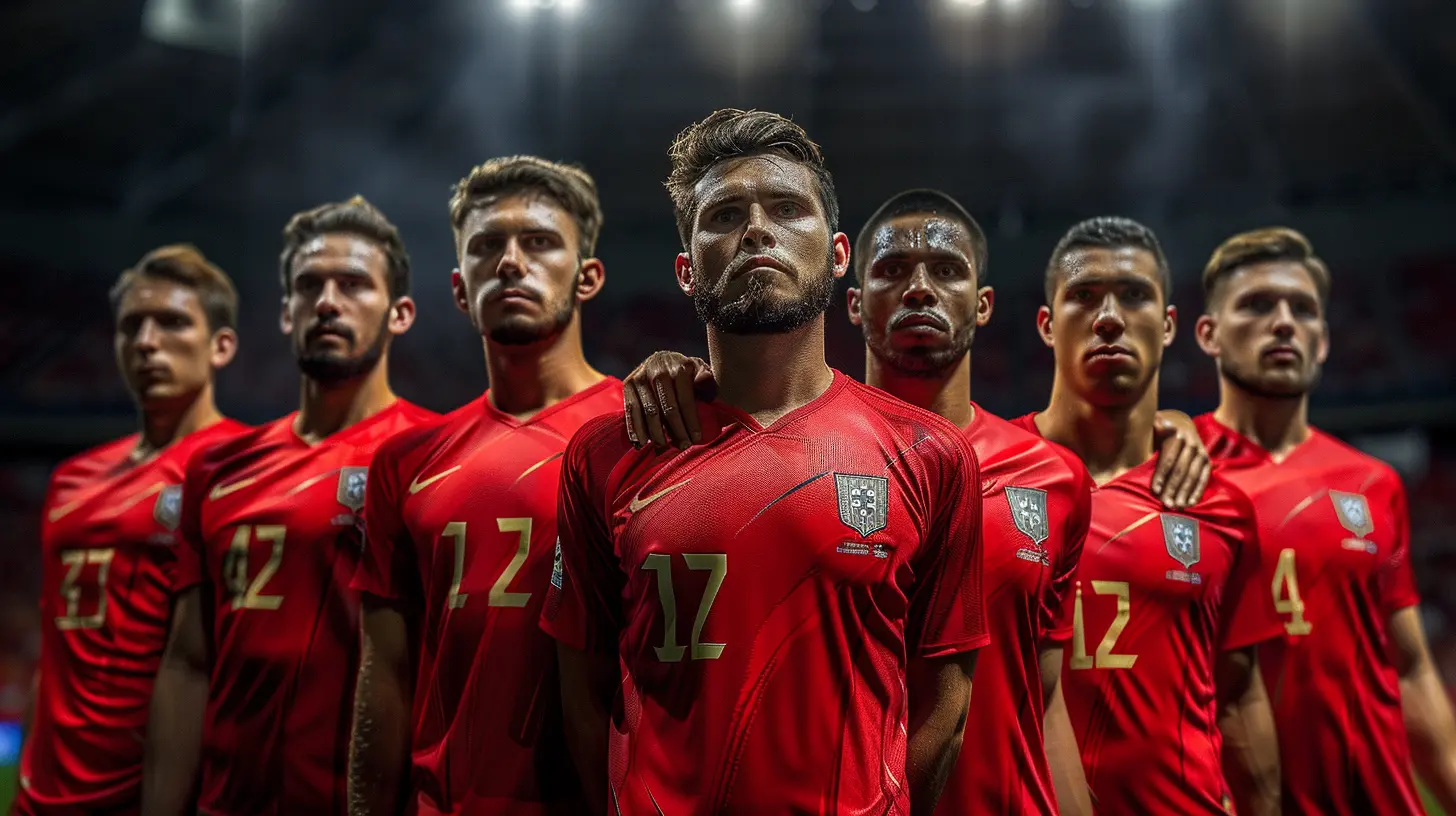
Controversy and National Identity
Let’s be real — not everyone’s thrilled about this trend.Critics say national teams should reflect homegrown talent, not imported skills. They argue that relying on foreign-born or naturalized players dilutes national identity.
But here’s the counterpoint: Isn't modern national identity inherently multicultural? When a kid grows up in Germany, goes through its school and sports system, and ends up repping the national team, does it matter where their parents came from?
National teams are increasingly looking like their countries: diverse, multi-ethnic, and globally connected. That’s not a bug. That’s a feature.
The Talent Tug-of-War
Behind the scenes, there’s a strategic chess game going on.Federations scout dual-national players early, sometimes even before they’ve hit their peak. The idea is simple: secure their loyalty before someone else does. You’ve got countries like the USA, England, France, and Germany all targeting talents with multiple options.
And if a player hasn’t played a senior competitive match yet? They’re still fair game. The result? Some intense recruiting battles. It’s like college football recruiting…but international.
Migration and Youth Development
Here’s another sweet perk of migration: it boosts youth development systems.Kids from immigrant families often bring different physical attributes, playing styles, and mentalities to the table. This blend creates richer, more adaptable training environments.
Germany revamped its entire youth system post-2000 and saw a surge in multicultural players making it all the way up. The result? A World Cup win in 2014 with stars like Mesut Özil (Turkish descent) and Jérôme Boateng (Ghanaian roots).
Policy and Regulation: A Shifting Landscape
As migration influences sport, governing bodies respond with new rules. FIFA, for example, updated eligibility rules to allow players to switch allegiances under certain conditions — recognizing the complexities of modern identity.These changes aim to balance fairness with opportunity. But they’re still evolving, and every tweak creates new ripple effects.
Club Football: The Stepping Stone
Let’s not forget the club game. Migration fuels the club system, which in turn grooms players for national duty.Top leagues like the Premier League, La Liga, and Bundesliga are chock-full of international talent. A young player might be born in Senegal, move to France as a child, train at PSG, then end up playing for the French national team. That journey, shaped by movement and opportunity, wouldn’t exist without global migration.
Challenges for Coaches
Let’s spare a thought for national team coaches.They’re juggling more than just tactics. They're navigating identity, loyalty, and politics. Deciding who to call up isn’t as simple as checking a birth certificate. It’s about who fits the system, who wants to represent the country, and who resonates with the fans.
Sometimes, a coach picks a player with better form. Other times, they go with someone who feels more “homegrown.” It’s a balancing act — and not one everyone gets right.
The Future: More Fluid Than Ever
So, where does all this go?Expect the lines to keep blurring. Migration isn’t slowing down. Neither is the interconnectedness of our world. That means national team rosters will probably continue to reflect this beautiful mess of movement, heritage, and choice.
We’re entering an era where identity is layered. A player might feel Nigerian at home, French on the pitch, and global in spirit. That blend — far from being a weakness — is a massive strength.
Wrapping It Up
Global migration has redefined what national teams look like. No longer confined by borders or birthplace, athletes are carrying stories across continents, blending cultures on the field, and changing the narrative of what it means to represent a country.Sure, it stirs debates and challenges old ideas. But at its heart, this evolution is about opportunity, identity, and the universal language of sport. And honestly? It’s made the game better, deeper, and way more interesting.
So the next time you watch an international match, take a second to look beyond the kits and flags. That team you're seeing? It's not just a group of players. It's a living, breathing reflection of a world in motion.
all images in this post were generated using AI tools
Category:
National TeamsAuthor:

Fernando Franklin
Discussion
rate this article
2 comments
Etta Patel
Who knew that soccer rosters had more passport stamps than a world traveler? Global migration: where every kick comes with a side of cultural spice and a dash of international flair! ⚽️✈️🌍
April 11, 2026 at 10:32 AM
Fernando Franklin
Absolutely! It's fascinating how soccer reflects global movement, blending cultures on the field with every game. The diversity really adds depth to the sport.
Lydia Palmer
Global migration isn’t just changing landscapes; it's rewriting the playbook! National teams are now mixing cultural flair with athletic prowess. So, let’s stop pretending nostalgia for the 'good old days' matters—this is the new game, and it’s about time we embrace it!
March 23, 2026 at 5:05 AM
Fernando Franklin
I completely agree. Embracing this new diversity in teams not only enhances the game but also reflects the world we live in today. It's an exciting evolution.