Hooligans, Politics, and Power: How Nationalism Fuels Violence
7 July 2026
Sports and politics have always been entangled, whether we like it or not. But when you throw nationalism into the mix, things often take a darker turn. Hooliganism, once seen as just drunken brawls among overzealous fans, has evolved into something much bigger—a vehicle for political power and nationalist agendas.
But how did we get here? Why do football hooligans and nationalist movements seem to go hand in hand? And what does this violent mix mean for the future of the game? Let’s break it down.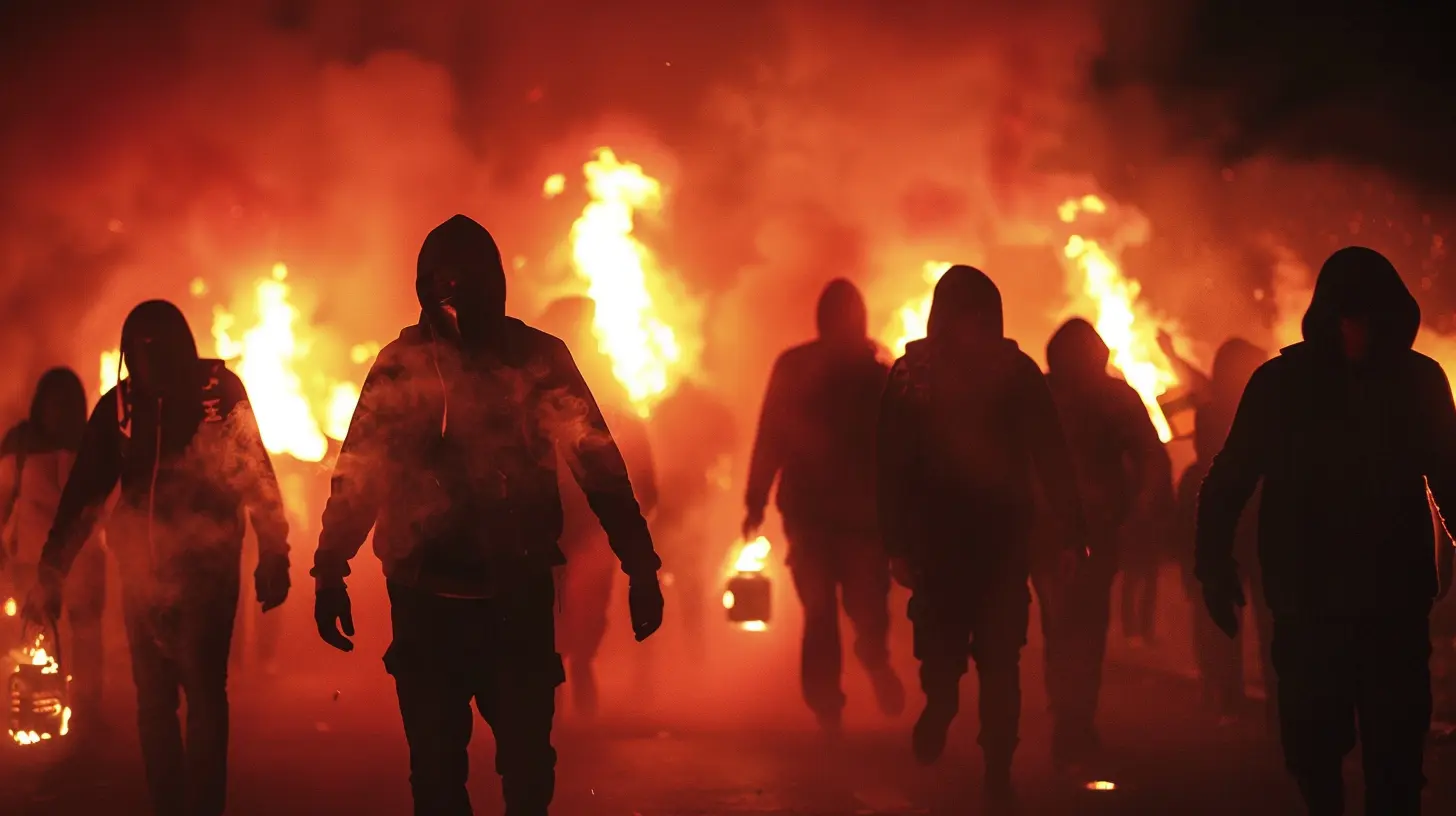
Hooliganism: More Than Just Rowdy Fans
Hooliganism isn’t new. It’s been around for decades, particularly in football (or soccer, for those in the U.S.). The 1970s and '80s saw a surge in football-related violence, especially in England. Groups of fans, often referred to as firms, would clash with rival supporters, sometimes leading to serious injuries or even deaths.At first glance, these fights seemed like nothing more than tribal warfare over club loyalty. But over time, it became clear that hooliganism wasn’t just about football—it was about identity, power, and, in many cases, politics.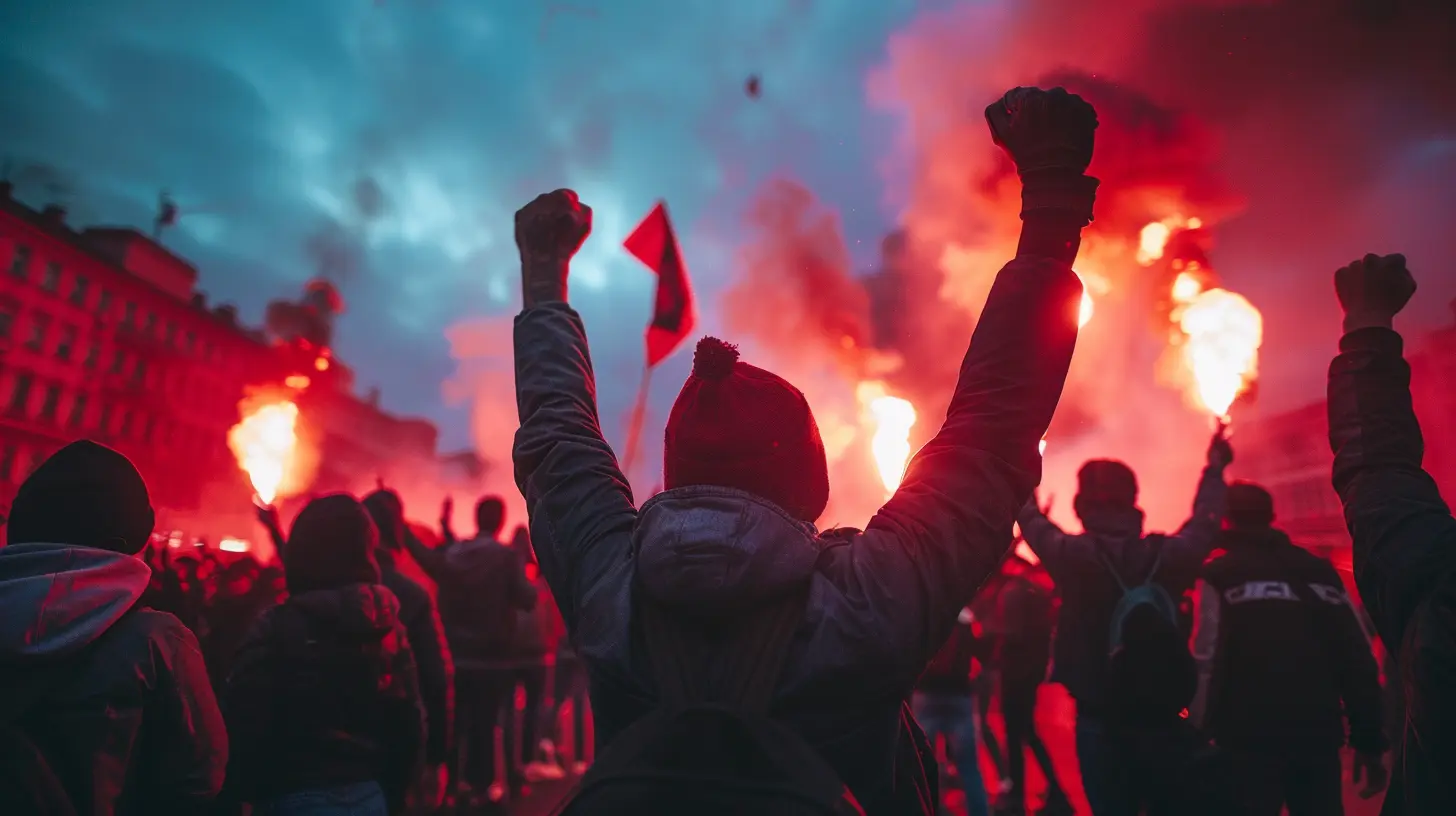
The Rise of Nationalism in Football Hooliganism
Nationalism feeds off passion, and few things stir up passion like football. Countries see their national teams as symbols of pride, and clubs often have deep ethnic, regional, or even religious ties. When nationalism infiltrates football fandom, it creates a dangerous mix of pride and aggression.Some hooligan groups have evolved beyond just supporting their teams. They’ve become political movements—a dangerous blend of sporting passion and nationalist ideology. In many countries, far-right groups have used football hooligans to push their agendas, turning stadiums into battlegrounds for political messaging and violence.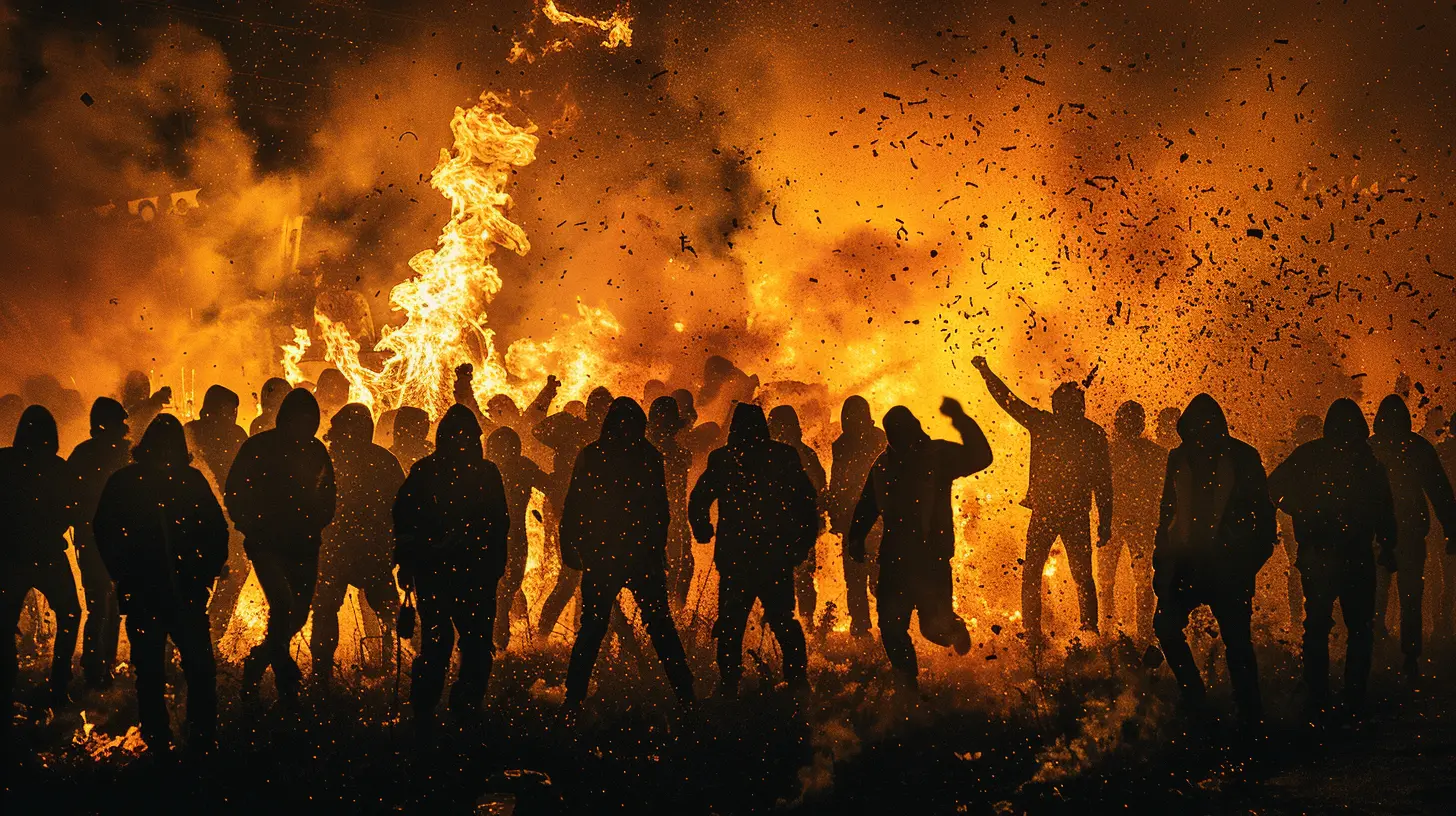
Football as a Political Tool
Governments and political movements have been quick to recognize the power of organized fan groups. In places like Russia, Serbia, Poland, and even parts of Western Europe, hooligan firms have been linked to nationalist and extremist political parties.How Do Politicians Use Hooligans?
1. Street Muscle – Hooligans are often used as enforcers during political protests, intimidating opponents and creating chaos.2. Nationalist Symbolism – Politicians and nationalist leaders appeal to hooligans because they represent aggressive patriotism.
3. Recruitment for Extremism – Many extremist political groups see football firms as a recruitment base because of their organization, loyalty, and willingness to fight.
A prime example is Russia, where football hooligans have had strong ties to nationalist groups and, in some cases, have been involved in actual military conflicts.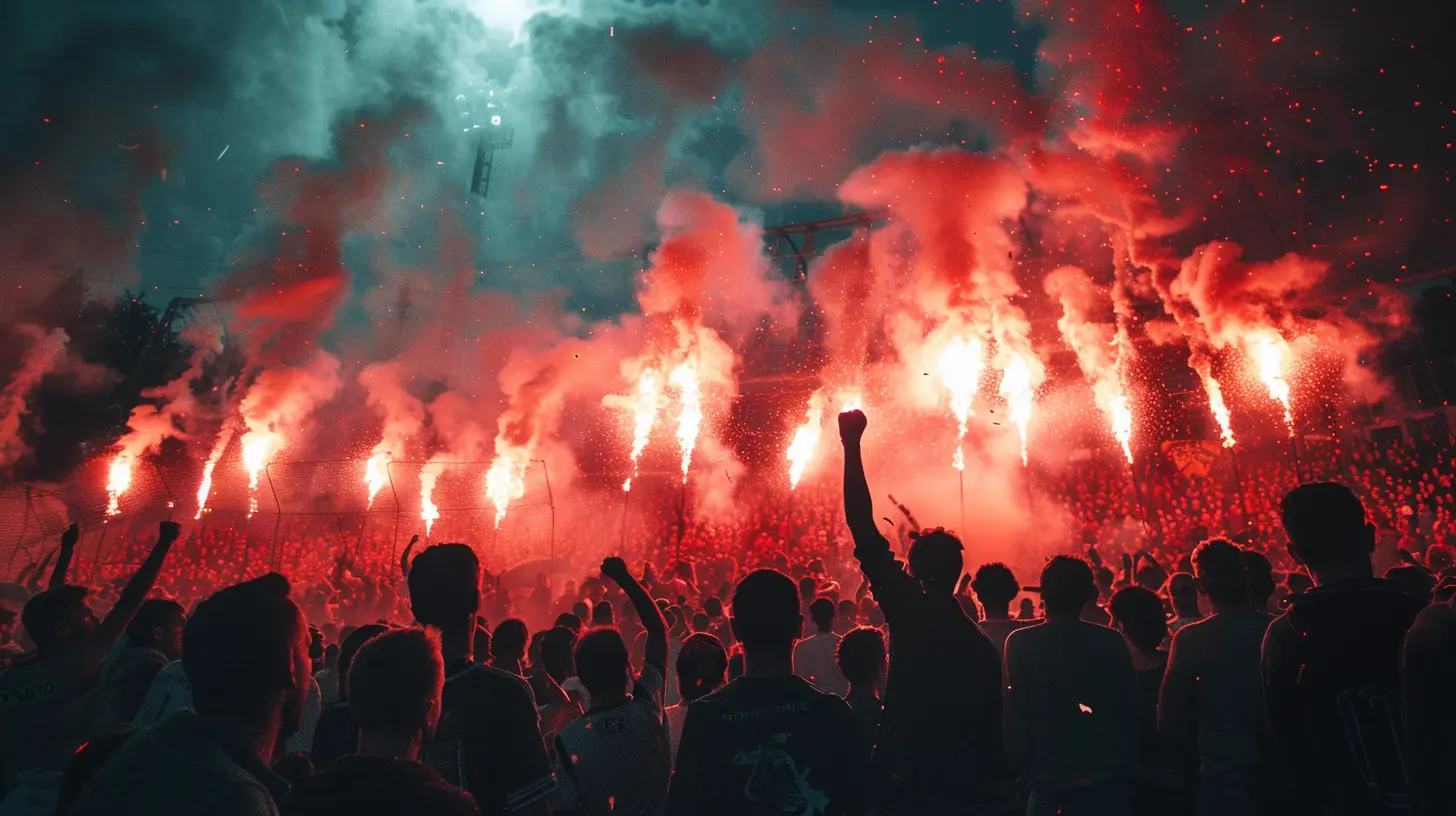
The Dark Side of Nationalist-Driven Violence
When nationalism drives hooliganism, violence often escalates beyond just clashes between football firms. It spills onto the streets, into politics, and even into international relations.One of the most infamous examples was the 2016 UEFA European Championship, where Russian and English hooligan firms turned Marseille into a warzone. These weren’t your average drunk fans throwing punches—many of them were trained fighters, organized and ready for battle. For some, it wasn’t about football anymore. It was about proving national superiority.
This kind of violence paints an ugly picture of the sport. Instead of being a unifying force, football becomes a battleground for extremist ideologies.
The Role of Social Media & Propaganda
In today’s digital age, hooligan groups are using social media to spread their nationalist views and organize violence.Platforms like Telegram, WhatsApp, and even Facebook have become popular among extremist football firms to coordinate fights, share propaganda, and recruit new members. Videos of brawls go viral, turning hooliganism into something glorified rather than condemned.
The problem? This online exposure allows nationalist movements to blend seamlessly into sports culture. What used to be small, localized firms are now international networks of politically motivated hooligans.
Can Anything Be Done to Stop It?
So, what’s the solution? Can we separate football from nationalism and violence? The truth is, it’s complicated. The emotional connection people have with football makes it an easy target for nationalist agendas.Steps That Can Help:
1. Stronger Regulations – Stadium bans, harsher penalties for violence, and tighter security measures can deter hooligan activity.2. Education & Awareness – Fans need to understand how nationalism is being used to manipulate them into violence.
3. Club & League Action – Teams and football federations must take a stand against political extremism in the stands.
4. Shutting Down Online Networks – Social media platforms need to do more to block extremist content related to football hooliganism.
While none of these steps will eliminate the problem overnight, they can help reduce the toxic mix of nationalism and violence in the sport.
Final Thoughts
Football should be about passion, skill, and community—not about nationalist-fueled violence. Yet, as long as political groups see value in manipulating hooligans, the problem will persist.The beautiful game has the potential to unite people across cultures and borders, but when nationalism is weaponized within the sport, it turns into something ugly. If we truly love football, we need to call out this toxic connection and work to keep the game free from political extremism and violence.
Because at the end of the day, football is meant to bring us together—not tear us apart.
all images in this post were generated using AI tools
Category:
HooliganismAuthor:

Fernando Franklin
Discussion
rate this article
1 comments
Arwen Whitley
Great read! It's eye-opening to see how the passion for sports can intertwine with deeper societal issues. Understanding these connections can help us promote unity and positivity in the world of sports. Keep it coming!
July 13, 2026 at 10:26 AM