How Do Football Associations Punish Hooligan Behavior?
19 July 2026
Let’s be real for a second—football is supposed to be the beautiful game. It brings people together across borders, cultures, and even languages. But then there’s that not-so-beautiful side of it: hooliganism. You know, the fights in the stands, the flares thrown onto the pitch, the brawls in the streets. It’s like mixing sports passion with chaos, and that’s never a good combo.
So, how do football associations deal with these troublemakers? What kind of punishments are handed out? Do fans actually face consequences? Grab a comfy seat and let’s dig into how the powers that be try to keep the game safe, fun, and, well… not a war zone.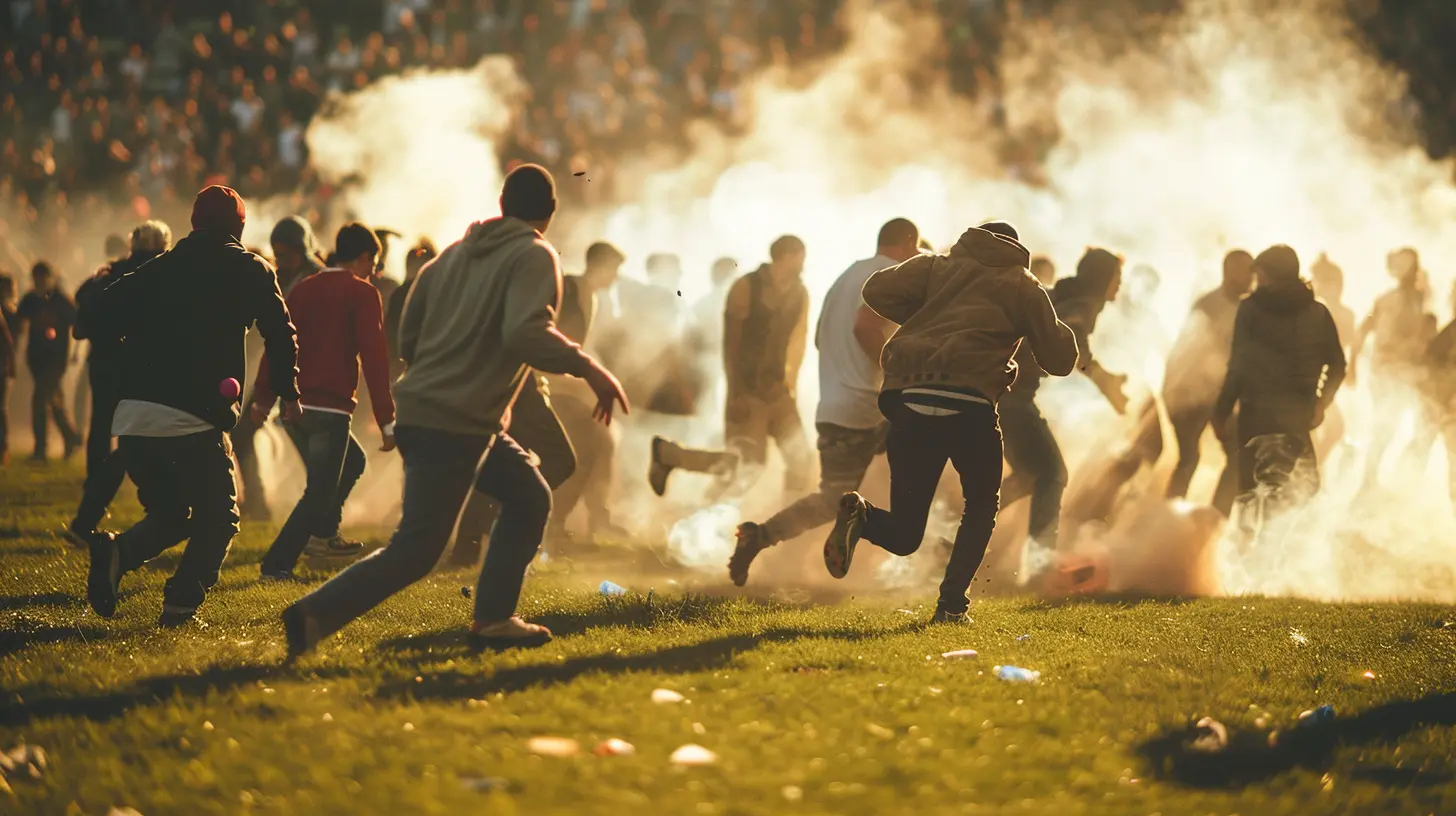
What Is Football Hooliganism Anyway?
Before we dive into the nitty-gritty of punishment, let’s clear the air on what football hooliganism even is. It's not just someone shouting at the ref or booing the opposing team. Nope, we’re talking about more serious stuff.Hooligan behavior in football usually includes:
- Physical fights and violence
- Vandalism (smashing seats, damaging stadiums)
- Throwing objects such as bottles or flares
- Racist or discriminatory chants
- Pitch invasions
- Organized fights between rival fans (yes, some groups actually plan this stuff!)
So yeah, it’s more than just some rowdy supporters having one too many beers.
Why Do Football Associations Take It So Seriously?
Think about it: football matches bring together tens of thousands of fans—sometimes even hundreds of thousands around the world—all packed into one space. If things go south, it can spiral out of control fast. Associations need to make sure everyone can safely enjoy the game, from the elderly couple sitting behind the goal to the kid experiencing their first-ever match.There’s also the financial side. Violent behavior can cost clubs and countries a pretty penny. Fines, stadium damage, even losing the rights to host matches. Not to mention the PR nightmare. So yeah… cracking down on hooliganism is a major priority.
Types of Punishments for Hooligan Behavior
Alright, let’s talk consequences. As much as fans might think they can act however they want in the stands, football associations and clubs are watching. And when things get out of hand? Punishments rain down faster than a hat-trick from Haaland.1. Stadium Bans for Individuals
This is probably the most direct way associations clamp down. Fans who are caught engaging in violence or disorderly conduct can be banned from attending future games. In some cases, these bans can last for years—or even for life.Some countries, like the UK, even have Football Banning Orders (FBOs). These are legal restrictions that prohibit fans from attending matches anywhere, even abroad. Imagine loving football but being legally blocked from seeing your team live.
2. Club Sanctions and Fines
When fan behavior crosses the line, the club they support often ends up paying the price too. Football associations like UEFA and FIFA don’t hesitate to fine clubs when their supporters misbehave.These fines can range from tens of thousands to over a million dollars depending on how serious the incident is. It might seem harsh, but the goal is: hit them where it hurts so they’ll do more to control their fans.
3. Playing Matches Behind Closed Doors
Ever watched a match without fans in the stands? It’s eerie. Players can hear every echo, and the game loses its soul. That’s exactly the point.When fan behavior becomes dangerous, associations may force clubs to play their next few games behind closed doors. No ticket sales, no home advantage, no passion-filled roars—it’s a pretty brutal punishment.
4. Point Deductions
This one really stings. In league competitions, teams live and die by their points. So when associations dock points from clubs because of hooligan activity, it can change the entire trajectory of their season.Imagine your team is one win away from promotion or avoiding relegation, and then BAM—you lose three points because a group of fans couldn’t behave. Tough pill to swallow, huh?
5. Disqualification From Competitions
Yep, it can get that serious. In rare but extreme cases, clubs or even national teams have been disqualified from tournaments altogether because of repeated hooligan incidents.A famous example was when Serbia was penalized after fan riots during a Euro qualifying match. When the safety of everyone involved is at risk, associations won’t hesitate to pull the plug.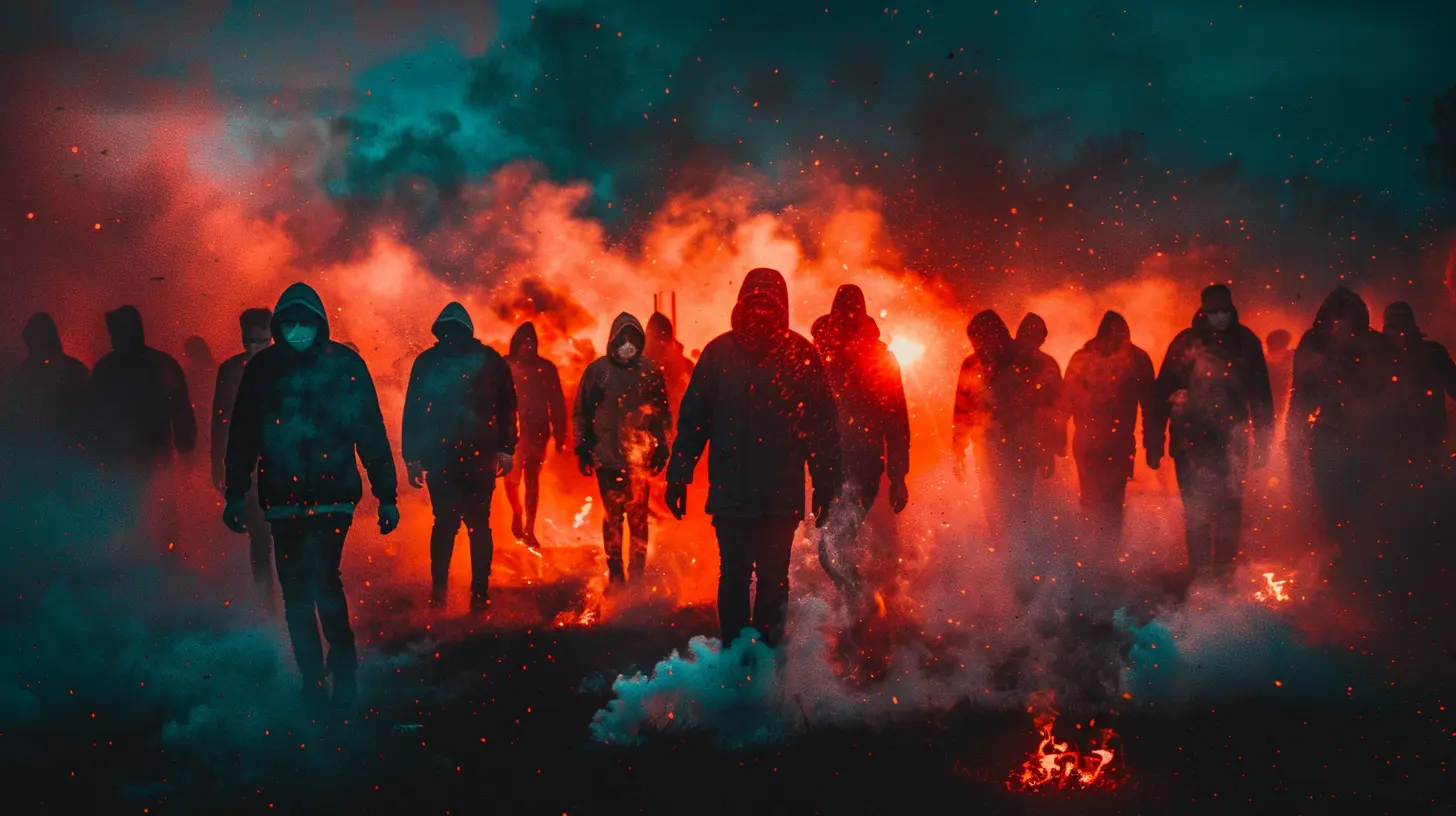
How Associations Work With Police and Legal Systems
Here’s something you might not know—football associations don’t handle things all by themselves. They work closely with local law enforcement to investigate incidents and track down offenders.There are special police units in many countries solely dedicated to football-related crime. These guys monitor CCTV, investigate social media threats, and sometimes even go undercover to prevent violence before it starts. It’s like CSI meets the Premier League.
Also, fans arrested for hooliganism often face criminal charges. We're talking jail time, not just a slap on the wrist.
Technology: The Game-Changer in Catching Hooligans
Gone are the days when you could toss a bottle in a crowd and disappear. Technology has totally changed the game.- High-Tech Surveillance Systems
Modern stadiums are loaded with cameras—high-definition ones, facial recognition ones, you name it. If you so much as sneeze in the wrong direction, there’s probably a camera catching it from three different angles.- Fan ID Systems
Some countries, especially in Eastern Europe, use Fan ID cards. These digital passes are required to enter stadiums and are linked to personal information. If you misbehave, your Fan ID can be disabled, effectively banning you.Education and Prevention: Nipping It in the Bud
Let’s not forget—punishment is just one side of the coin. Many football associations also focus on preventing problems before they even start.- Anti-Racism Campaigns
Campaigns like UEFA’s “No to Racism” or the Premier League’s “Kick it Out” aim to educate fans about inclusion and respect. These aren’t just feel-good slogans; they’re part of a broader effort to change the culture of football.- Fan Engagement Programs
Clubs are encouraged to work directly with fan groups to promote positive behavior. When fans feel heard and included, they’re less likely to lash out.- Community Building
Many clubs invest in local communities, hoping that a strong fanbase rooted in pride and unity will actually police itself. Think of it like giving fans something to lose if they act up.The Role of Governing Bodies: FIFA, UEFA & Beyond
Now, let’s zoom out for a sec and talk about the big dogs—FIFA, UEFA, and other regional football associations. These guys set the tone internationally.They don’t just fine clubs or dish out bans. They also issue directives to national associations on how to deal with hooliganism. In some cases, they even require clubs to improve stadium safety or ban certain fan groups.
When a country bids to host a major tournament like the World Cup or Euros, their track record on crowd behavior is one of the key factors considered. Hosting rights can be denied if a nation can’t guarantee safety.
Famous Cases of Hooliganism and the Aftermath
Let’s be honest—stories can sometimes hit harder than stats. Here are a few notorious incidents and what happened next:- Heysel Stadium Disaster (1985)
This tragedy occurred before the European Cup final between Liverpool and Juventus. Riot behavior by supporters led to a wall collapsing, killing 39 people. As a result, English clubs were banned from European competitions for five years.- Euro 2016: Russia vs. England
Massive brawls broke out in Marseille between Russian and English fans. UEFA threatened expulsion of both teams if violence continued. It sent shockwaves across Europe and made fan safety a top priority.- 2019: Bulgaria vs. England
The match was halted multiple times due to racist chants from Bulgarian fans. UEFA handed down fines, stadium closures, and serious warnings about future behavior.So, Do These Punishments Really Work?
Great question! The simple answer? Yes… but with a few caveats.Punishments have definitely decreased serious hooligan incidents in many parts of the world. Stadium bans, surveillance, and fan ID systems have made it way harder for troublemakers to get away with chaos.
But let’s not kid ourselves—hooliganism hasn’t vanished. It’s just evolved. Now it’s more organized, shows up in different forms (like online threats), and sometimes shifts away from stadiums into the streets.
That’s why associations have to keep adapting. It’s a never-ending match between disruptors and defenders.
Final Whistle: The Fight for a Safer Game Isn’t Over
At the end of the day, football is more than just a sport—it’s a passion, a community, even a way of life. But when that passion turns into violence, nobody wins.Football associations have a tough job balancing freedom of expression with safety and order. And while punishments for hooliganism might seem strict, they’re absolutely necessary to keep the game beautiful.
So next time you see a fan causing chaos in the stands, remember: the full weight of the football world might just come crashing down on them.
all images in this post were generated using AI tools
Category:
HooliganismAuthor:

Fernando Franklin