How Hooligans Target Players and Officials: A Dangerous Trend
6 August 2026
Hooliganism is a dark and dangerous side of sports that no one likes to talk about, but it’s a reality that we can’t ignore. What was once just rowdy fans causing a bit of a ruckus in the stands has spiraled into something far worse. Nowadays, it’s not just about shouting obscenities or throwing the odd beer can. Hooligans are taking things to a new and terrifying level, and the people in their crosshairs are often the very players and officials who make the sport possible.
But how did we get here? Why has this dangerous trend of targeting players and officials become so prevalent, and what can be done to stop it? Let’s dive into the disturbing world of sports hooliganism, how it affects the victims, and why it’s more than just "fans being fans."
The Evolution of Hooliganism
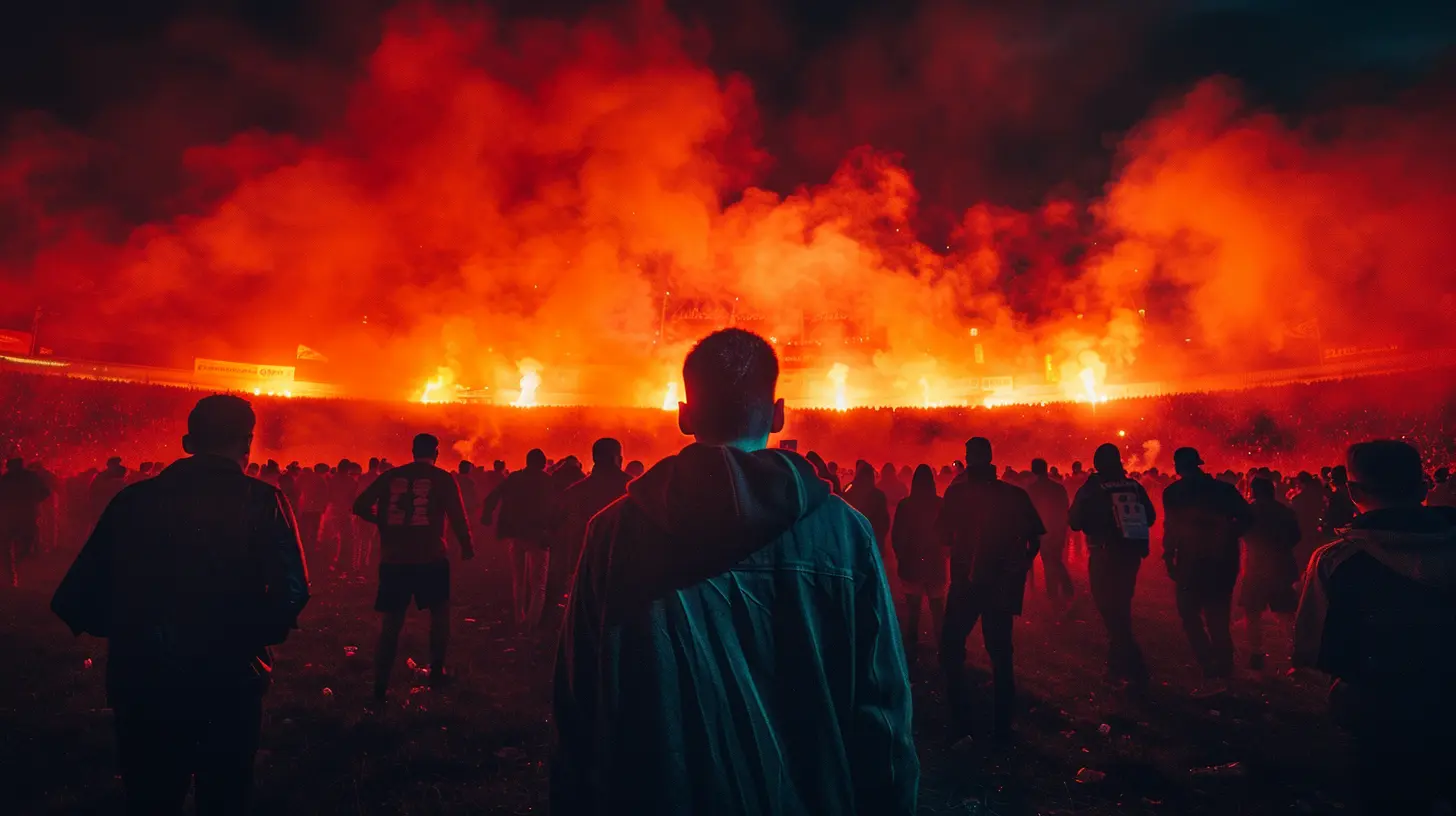
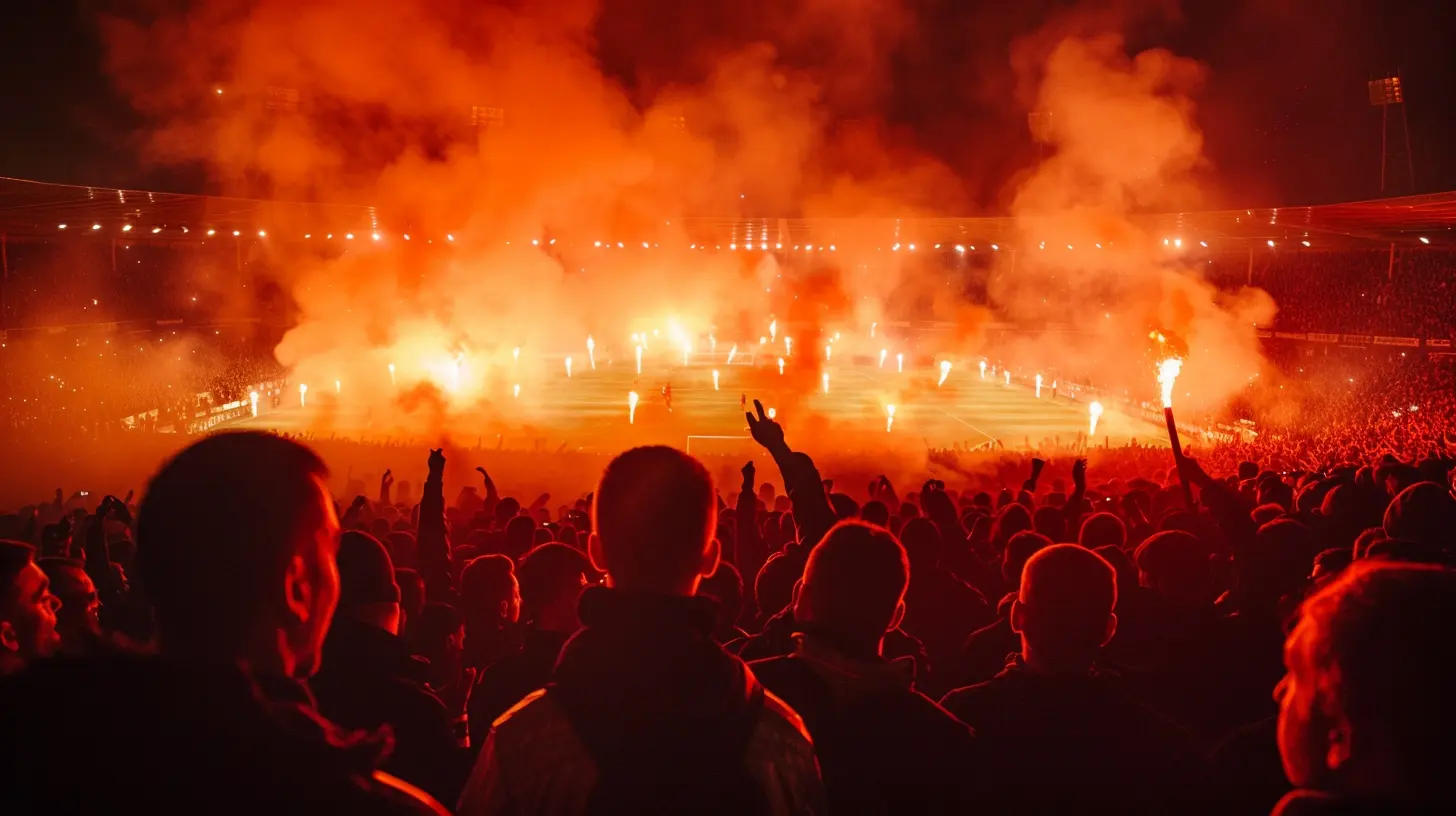
Before we can understand why hooligans are now targeting players and officials, we first need to understand where this behavior comes from. Hooliganism didn’t just pop up overnight. It’s been brewing for decades, arguably even centuries, depending on how far back you want to go.In its earliest forms, hooliganism saw groups of fans engaging in violent skirmishes with rival supporters. It was less about the game and more about territorial pride. Think of it as a tribal mindset: "us vs. them." Fans would gather in large groups, often fueled by alcohol and adrenaline, and confront each other in violent clashes. This type of behavior became especially well-known in the UK during the 70s and 80s, where football (soccer) hooliganism became almost synonymous with the sport itself.
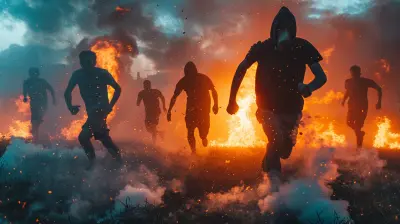
But in recent years, things have changed. Hooligans aren’t just interested in fighting each other anymore—they’re going after the people actually on the field. This dangerous shift has created a toxic environment where players and officials can no longer feel safe doing their jobs.
Why Are Hooligans Targeting Players and Officials?
So, why are hooligans shifting their focus from rival fans to players and officials? Well, there are a few reasons for this disturbing trend.1. Social Media Amplification
First, we live in a world where social media gives everyone a voice—and not always a kind one. It’s easier than ever for anonymous keyboard warriors to spew hate toward players and officials without consequence. And unfortunately, this online hatred often spills into real life.Social media platforms have made it easier for hooligans to organize their attacks, coordinate their efforts, and even target specific individuals. If a referee makes a controversial call or a player misses an important shot, it only takes a few minutes for their social media pages to be flooded with threats and abuse. This online vitriol sometimes escalates into physical confrontations, with hooligans showing up at games or team hotels looking to make their displeasure known.
2. Blurring the Lines Between Passion and Obsession
Let’s face it, sports fans are passionate. That’s part of what makes attending a live game so exciting. But for some hooligans, that passion crosses a line into obsession. When they feel that their team has been wronged—whether by a bad call from the ref or a poor performance from a star player—they take it personally. They feel entitled to lash out because, in their minds, the players and officials have betrayed them.This level of obsession can lead to dangerous behavior. Hooligans believe that by targeting players and officials, they’re defending their team’s honor. It’s a twisted form of loyalty, but to these individuals, it feels justified.
3. The Influence of Alcohol and Drugs
Alcohol has always played a big role in hooliganism. Many of these incidents start in the stands, where fans have been drinking heavily before and during the game. Add drugs into the mix, and you’ve got a recipe for disaster. When hooligans are under the influence, their inhibitions are lowered, and they’re more likely to act on their aggressive impulses.Unfortunately, this often results in players and officials being targeted. Whether it’s hurling verbal abuse, throwing objects, or even rushing the field, intoxicated hooligans can pose a serious threat to the safety of everyone involved in the game.
Types of Attacks on Players and Officials
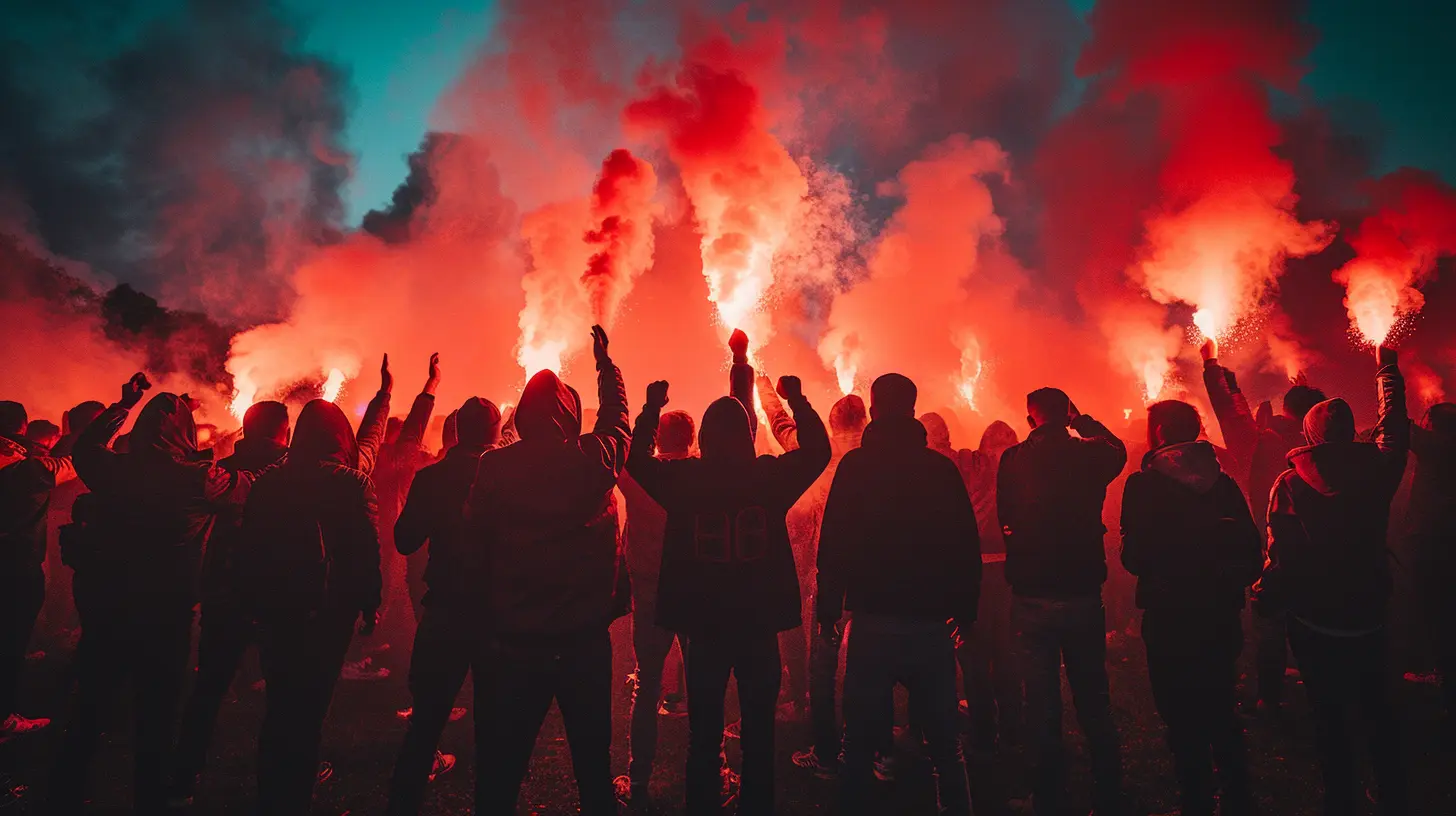
Now that we understand some of the reasons behind this disturbing trend, let’s take a closer look at the ways in which hooligans target players and officials. There’s more to it than just shouting insults from the stands.1. Physical Assault
One of the most alarming ways hooligans target players and officials is through physical assault. This can happen both during and after the game. Some hooligans have been known to invade the pitch, confronting players and referees in the middle of a match. Others wait until the game is over, targeting players and officials as they leave the stadium or even at their homes. It’s terrifying to think that someone could be attacked simply for doing their job, but that’s the unfortunate reality for many athletes and referees today.2. Verbal Abuse
While physical assaults may make the headlines, verbal abuse is much more common—and it can be just as damaging. Players and officials are regularly subjected to insults, taunts, and threats from hooligans in the stands. This abuse can be particularly vicious when it involves issues of race, gender, or nationality. Unfortunately, racist and sexist abuse is rampant in many sports, and it’s often aimed at players and officials who are simply trying to do their jobs.3. Online Harassment
As mentioned earlier, social media has given hooligans a new platform to target players and officials. Online harassment can take many forms, including death threats, hateful messages, and even doxxing (where someone’s private information is shared publicly). This type of harassment can have serious consequences, leading to mental health struggles, anxiety, and even players deciding to leave the sport altogether.4. Throwing Objects
Throwing objects onto the field is another common way that hooligans target players and officials. Bottles, coins, and even flares have been thrown at individuals during games, posing serious risks to their safety. In some cases, players have been injured by these projectiles, which only adds to the sense of danger they face every time they step onto the field.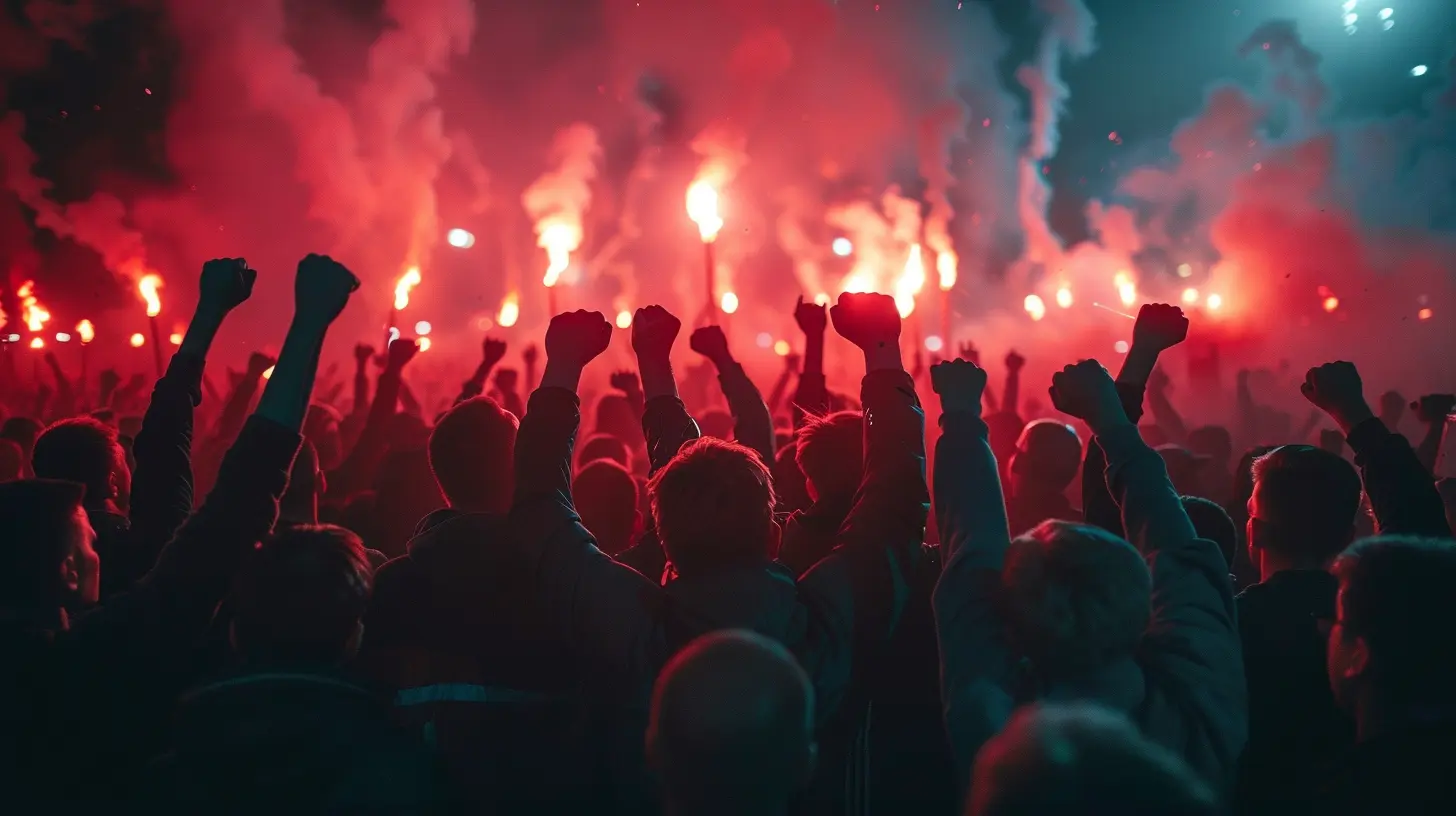
The Impact on Players and Officials
The emotional and physical toll of being targeted by hooligans can’t be overstated. For players and officials, the fear of being attacked—whether physically or verbally—can seriously impact their performance and mental health.1. Mental Health Struggles
Imagine having to go to work every day knowing that you’re going to be screamed at, threatened, or even physically attacked. That’s the reality for many players and officials who are targeted by hooligans. The constant abuse can take a serious toll on mental health, leading to anxiety, depression, and burnout. Some athletes have even chosen to retire early because they can’t handle the pressure and stress of being constantly targeted.2. Performance Anxiety
When players and officials are worried about their safety, it’s only natural that their performance would suffer. How can you focus on making the right call or scoring the winning goal when you’re constantly looking over your shoulder? Performance anxiety is a real issue for those who are targeted by hooligans, and it can have a ripple effect on their careers. Missed opportunities, poor decisions, and a lack of confidence can all stem from the fear of being attacked.3. Impact on Families
It’s not just the players and officials themselves who are affected by hooliganism. Their families are often caught in the crossfire as well. When hooligans target someone, they don’t always stop at the individual—they’ll go after their loved ones too. Families of players and officials have been harassed, threatened, and even attacked by hooligans who are angry about something that happened during a game. This adds an extra layer of stress and fear for the individuals involved, as they not only have to worry about their own safety but the safety of their families as well.What Can Be Done?
Stopping hooliganism is no easy task, especially when it comes to protecting players and officials. But that doesn’t mean we should just throw our hands up and accept it. There are steps that can be taken to combat this dangerous trend.1. Stricter Security Measures
One of the simplest ways to protect players and officials is to implement stricter security measures at games. This could include increasing the number of security personnel, installing more surveillance cameras, and conducting thorough searches of fans before they enter the stadium. By making it harder for hooligans to bring dangerous items into the stadium or rush the field, we can reduce the likelihood of players and officials being targeted.2. Harsher Penalties for Hooligans
Another important step is to enforce harsher penalties for those who engage in hooliganism. Fines and bans from stadiums are a start, but they may not be enough to deter the most violent offenders. In some cases, criminal charges may be necessary to send a clear message that this behavior will not be tolerated.3. Education and Awareness
Finally, we need to address the root cause of hooliganism by educating fans and raising awareness about the dangers of this behavior. Many hooligans don’t fully understand the impact their actions have on players and officials. By promoting a culture of respect and sportsmanship, we can hopefully reduce the number of incidents and create a safer environment for everyone involved in the sport.
Conclusion
Hooliganism has evolved into a dangerous and disturbing trend that puts players and officials at risk. What was once just a battle between rival fans has escalated into physical assaults, verbal abuse, and online harassment aimed at the very people who make the game possible. The emotional and physical toll of this behavior is undeniable, and it’s time we take action to protect those who are most vulnerable. Whether it’s through stricter security measures, harsher penalties, or education, something needs to change. Because at the end of the day, no one should have to fear for their safety just for doing their job.all images in this post were generated using AI tools
Category:
HooliganismAuthor:
Fernando Franklin
Discussion
rate this article
1 comments
Harley Cruz
It's sad to see the dark side of sports overshadowing the joy of the game. Fans should unite to celebrate talent and teamwork instead of creating chaos. Let's focus on the thrill of competition and the spirit of camaraderie!
August 6, 2026 at 3:28 AM