How National Teams Rebuild After Failing to Qualify for Major Tournaments
29 July 2026
Let’s be honest—watching your national team crash out of qualification for a major tournament is straight-up heartbreaking. It’s that gut-punch moment when dreams evaporate, hope flickers, and fingers start pointing. Everyone—from fans to pundits—is left asking, "What now?"
But here’s the thing: Not qualifying isn’t the end—it’s an opportunity. A blessing in disguise, if you will. It’s a chance to hit the reset button, to regroup, and come back even stronger. Look at Germany post-2000, or Italy after missing the 2018 World Cup—they bounced back with a vengeance. There's a blueprint to rebuild, and that’s exactly what we're diving into today.
So grab your jersey, pull up a chair, and let’s talk about how national teams rise from the ashes and start scripting redemption stories.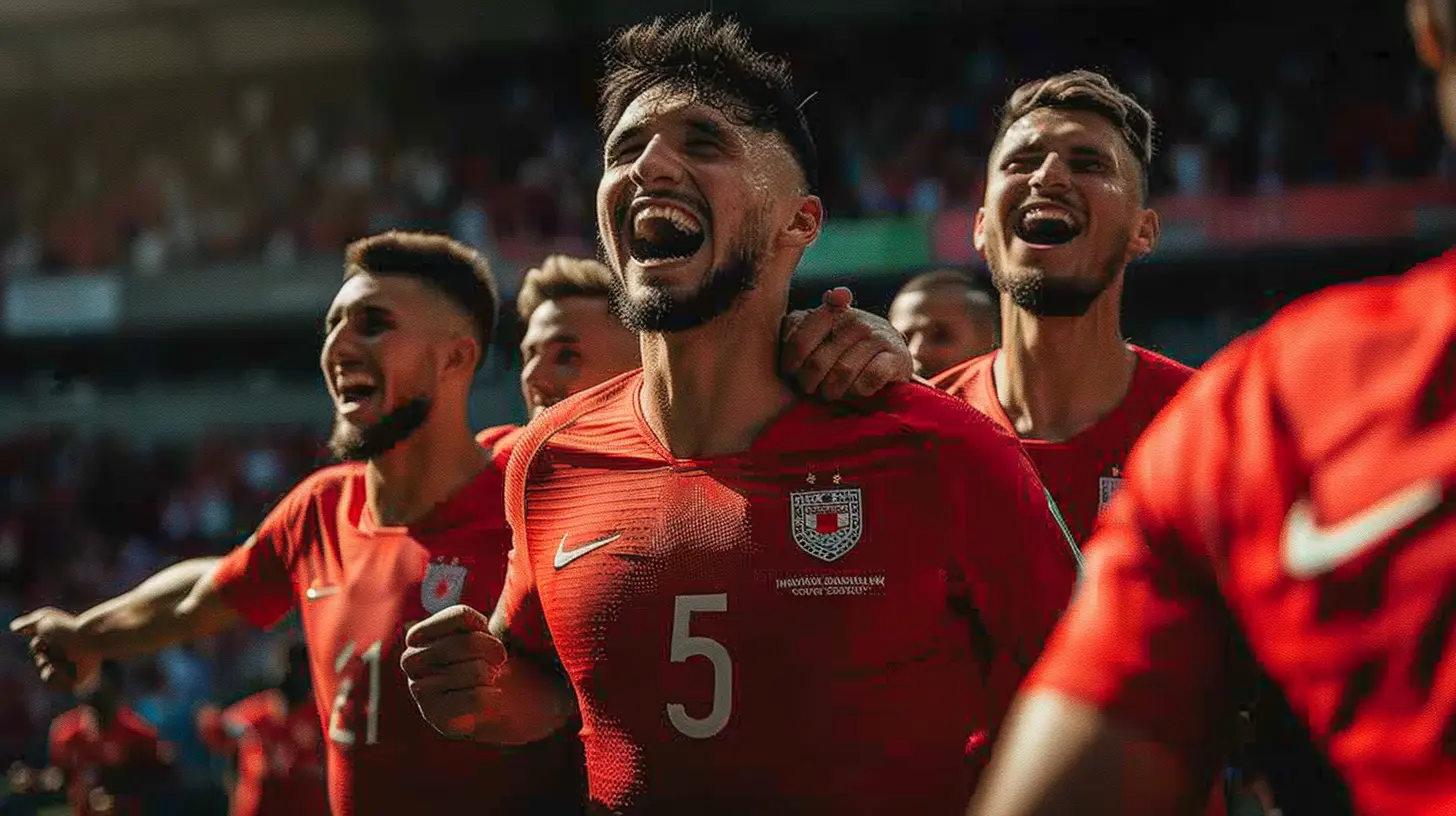
? Step One: Accepting the Fall (Yeah, It Sucks—But It's Necessary)
Before you fix the leak, you’ve gotta acknowledge that the pipes are busted.National teams that fail to qualify for big tournaments go through a painful but necessary period of reflection. Think of it like a "national football therapy session." The federation, coaching staff, players, and even fans take a long, hard look at what went wrong.
Was it aging players? Tactics? Leadership? Sometimes it's a combination of all of the above.
This is where heads roll (metaphorically... and sometimes literally). Coaches are often the first to go. It’s not always fair, but let’s face it—the boss takes the hit. A new manager usually comes in with fresh ideas, youthful energy, and a long-term vision. Think of it as football’s version of turning over a new leaf.
? Rebuilding the Vision: What's the Game Plan?
Now that the old playbook’s been shredded, it’s time to come up with a brand-new strategy.This isn’t just about formations or pressing styles. We’re talking about redefining what the national team stands for. It becomes about philosophy—how do we want to play? What’s our identity? Are we building around youth? Do we stick with experience? Or mix both?
A solid rebuild always starts with a clear direction. National teams set new goals—short-term (like qualifying for the next tournament) and long-term (winning it). These goals become the guiding light, the beacon of hope in the murky waters of international recovery.
? Investing in Youth: The Secret Sauce of Rebirth
Want the cheat code for a successful rebuild? It's simple—trust in youth.After a failed campaign, older players often retire or are phased out. This opens the door for young talent to step into the spotlight. And let me tell you, nothing re-energizes a team like a bunch of hungry, fearless 20-somethings chasing their dreams.
Look at Spain after Euro 2004. The golden generation didn’t just appear overnight—they were groomed. Youth academies were improved, U21 teams were prioritized, and suddenly you had names like Iniesta, Xavi, and Ramos ready to take over the world.
Giving young players international experience—even in friendlies or low-stakes qualifiers—pays off big time down the road. It’s not just about raw talent. It’s about building chemistry, trust, and team spirit.
?️ Rebuilding Infrastructure: It's Not Just About the 11 on the Pitch
Here’s something that doesn’t get talked about enough: the behind-the-scenes work.When national teams fail, it often exposes issues deeper than what we see on match day. We're talking about subpar training facilities, outdated scouting processes, or even a lack of communication between the national federation and domestic clubs.
Smart federations use the heartbreak as a wake-up call. They upgrade facilities, restructure their coaching pipelines, improve scouting networks, and invest in data analytics. This stuff sounds boring, but it’s the foundation on which future success is built. Think of it as building the engine before racing the car.
For example, after Brazil’s humiliating 7-1 loss to Germany in the 2014 World Cup, they went back to basics. The federation made structural changes, focused on youth development, and started blending tactical discipline with that signature Brazilian flair.
? Mental Reset: Changing the Mindset
Sometimes, it’s not the legs—it’s the mind.Losing out on qualification can create a mental block. Players start doubting themselves. Fans lose faith. The media goes into overdrive with criticism. The whole country seems disheartened.
That’s why part of rebuilding involves resetting the mindset. New coaches bring in sports psychologists. Teams focus on mental strength, resilience, and positivity. The motto quickly shifts to, “We’ve got something to prove.”
It’s about creating a culture where failure isn’t feared—it’s fuel.
?♂️ Tactics Evolve: Out With the Old, In With the Bold
Let’s be real—modern football moves fast. What worked five years ago may be totally outdated today.A failed qualification often shows that a team’s tactics are no longer cutting it. So, part of the rebuild involves evolving the playstyle. Maybe it’s switching from a rigid 4-4-2 to a more fluid 4-3-3. Or adopting high pressing instead of sitting back.
This phase is experimental. Coaches try different setups in friendlies and lower-stakes matches. It's like a mad football scientist in the lab, cooking up the perfect formula. And while it might lead to a few more bumps along the way, it's all part of finding that winning rhythm again.
? The Role of Friendlies and Smaller Competitions
Here’s where the grind really begins.Without qualification, national teams miss out on major tournament action. But that doesn’t mean they sit around twiddling their thumbs. Instead, they dive into friendlies and regional tournaments.
These matches become testing grounds. Coaches tinker with lineups, give caps to new players, and try different strategies. Every game is a learning moment.
Take the UEFA Nations League. It offers competitive matches without the do-or-die pressure of the World Cup. National teams use it to test their mettle, build cohesion, and gain much-needed confidence.
?️ Winning the Fans Back
Let’s keep it real—when your team fails to qualify, the fanbase goes cold. Like winter-in-Alaska cold.Part of the rebuild involves reconnecting with the fans. And no, we're not talking about staged PR stunts. We mean real effort: open training sessions, candid interviews, social media engagement, and community support.
Fans are the heartbeat of football. If you win them back, the players feel it. The stadium atmosphere improves. Suddenly, everyone’s pulling in the same direction. It’s no longer just a team—it’s a movement.
? The Ultimate Payoff: Redemption Glories
You know what’s better than qualifying? Qualifying after failing.The journey makes the destination sweeter. Teams that rebuild properly don’t just scrape through—they come back stronger, smarter, and more determined.
Italy is a textbook example. After missing the 2018 World Cup, they revamped from top to bottom. A new coach (Roberto Mancini), a young squad, tactical evolution—and boom! Euro 2020 champions. That’s not just a comeback. That’s a statement.
The beauty of football lies in these redemption arcs. They're proof that failure isn't the end—it's the beginning of something better.
⚽ Real-Life Inspiring Comebacks
Just for a dose of motivation, here are a few national teams that turned heartbreak into triumph:- Germany (2000–2014): After a dismal Euro 2000 showing, they overhauled their youth system. Fourteen years later, they were lifting the World Cup in Brazil.
- Belgium (2006–2014): They missed out on multiple tournaments but stayed patient with their golden generation. By 2018, they were World Cup semi-finalists and ranked No.1 in the world.
- USA (2018–2022): Missing the 2018 World Cup was brutal. But they focused on youth and development, and by 2022, they returned with a new generation ready to shine.
Every story starts with struggle. The real trick lies in what comes next.
? Final Thoughts: From Rock Bottom to Glory Road
Failure stings—there’s no sugarcoating that. But not qualifying for a major tournament doesn’t mean the end of the road. It’s just a detour. A hard one, sure, but not a dead end.Rebuilding takes guts. It takes patience, planning, and a whole lot of belief. From overhauling strategy to trusting young talent, from upgrading infrastructure to winning back trust—every step matters.
And when the team finally qualifies for the next big tournament? When they hear that national anthem play on the world stage once again?
It’s not just a victory. It’s a resurrection.
So next time your team doesn't make it, don't despair. Remember—failure is the spark that lights the fire of greatness.
all images in this post were generated using AI tools
Category:
National TeamsAuthor:

Fernando Franklin