How National Teams Use Friendlies to Build Momentum
14 May 2026
Ah yes, international friendlies — the glorified practice matches that somehow make headlines even when a third-string goalkeeper scores from midfield (don’t ask, it’s happened). On the surface, they may look like meaningless kickabouts with nothing on the line but new kits and freshly mowed grass. But hold that thought. National teams actually use these friendlies to build momentum. Yes, really. No sarcasm... well, maybe just a splash.
Let’s take a deep dive into the weird, wonderful, and sneakily strategic world of international friendlies — where coaches tinker like mad scientists, players fight to not pull a hammy, and fans collectively ask, “Wait, we’re playing who now?”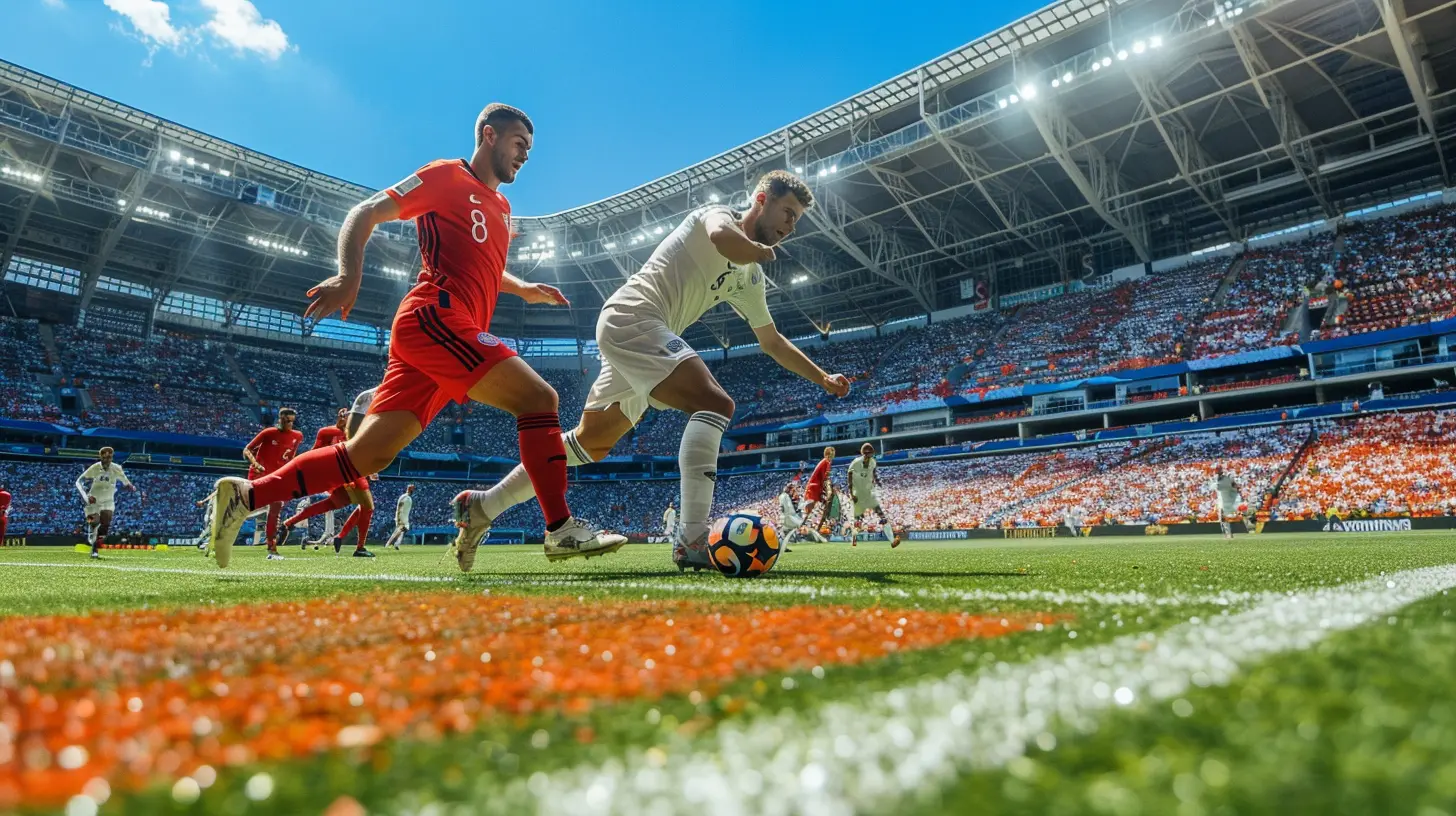
What Even Is a Friendly Match?
Okay, let’s start with the basics. A friendly match is essentially a non-competitive game between two national teams. No points. No trophies. No heart-stopping penalty shootouts (well, unless someone’s extra dramatic). These matches are usually scheduled during international breaks and serve multiple purposes, which we’ll get into.So why should you care? Because while they may not count in standings, they most definitely count when it comes to preparation, chemistry, and — you guessed it — building momentum.
Momentum in Football: Not Just a Buzzword
“Building momentum” sounds like something corporate types say in marketing meetings... but in football? Oh, it’s very real.Momentum in football is that magical stretch where passes connect, goals come flowing in like beer at a pub, and everything just clicks. It doesn’t show up in stats, but you feel it. And friendlies? They’re like the warm-up act that gets the crowd hyped before the headliner hits the stage.
But It’s Just a Friendly… Right?
You’d think so. But national teams don’t exactly treat them like five-a-side games with your cousins on Christmas. There's a method to the madness — or at least some hilarious trial-and-error.Here’s what friendlies are really for:
1. Testing Tactics Without the Panic Attacks
Coaches love friendlies. Why? Because they can finally slap that wacky 3-2-4-1 formation onto a game plan and see if it actually works without risking qualification for the World Cup.Friendlies are the ultimate football lab. Want to try high-pressing against top-tier teams? Throw that plan in a friendly. Testing if your left-back can play as a winger? Give it a go. It’s all about experimentation, baby.
The stakes are low, but the insights? Extremely high.
2. Giving Rookies Their Fifteen Minutes
Got a 19-year-old scoring screamers in the domestic league? Friendlies are where you give them their chance to shine — or melt under the spotlight. Either way, it's valuable experience.Basically, the coach hands out golden tickets to youngsters and fringe players with a warm, encouraging, “Go prove you belong here.” It’s sort of like football’s version of a talent show, but with the risk of getting nutmegged by a veteran midfielder.
3. Reuniting the Band (And Giving Them Actual Stage Time)
Let’s be honest. National teams don’t get much time together. Unlike club teams that train daily, national squads meet a few times a year, exchange awkward hugs, and then jump into competitive fixtures.Friendlies are the perfect excuse to bring the band back together and rehearse. Don’t underestimate how important that is. Chemistry doesn’t just happen from FIFA ratings; it’s built on the training pitches and in these low-pressure games.
Case Studies in Momentum Magic
Let’s talk about some real examples. Because nothing drives the point home like a good ol’ tale of how friendlies turned the tides.Germany Before 2014
Remember when Germany blitzed through the 2014 World Cup and turned Brazil into Bavarian schnitzel? Prior to that, they had a strategic run of friendlies that sharpened their every move — tweaking tactics, testing combinations, and building that unmistakable cohesion.By the time the real lights came on, the Mannschaft were a runaway train.
Spain in the Golden Era
Spain didn’t just stumble into tiki-taka dominance. Nope. Their friendlies leading up to Euro 2008 and the 2010 World Cup were clinics in ball control and positional discipline. Sure, they weren’t all wins, but each match was a puzzle piece in the big picture.They built momentum in the most “Spain” way possible — slowly, methodically, and with enough passes to make your head spin.
The United States (Yep, Really)
Even teams outside the top 10 rankings can benefit. Case in point: The U.S. Men’s National Team. They’ve used friendlies to test dual-nationality players, strengthen their youth core, and practice against higher-ranked opponents. It’s not about immediate results — it’s about long-term promise.Friendlies Are Still... Well, Friendly
Let’s not paint friendlies as football’s holy grail. They’re not without their flaws and flops.Sometimes, players treat them like sleepwalking drills. Others go full tackle mode like it’s a final. The result? A bizarre cocktail of brilliance and boredom, often in the same 90 minutes.
Injuries can also ruin the mood faster than VAR decisions. And fans? Most of us are still trying to stay awake during a 0-0 draw against Lichtenstein.
But here’s the kicker — coaches and players are watching. They’re assessing movement off the ball, decision-making under pressure, and how players gel with one another. You might be yawning, but for them, it’s game film gold.
The Psychological Power of a Win (Even a Meaningless One)
Winning a friendly might not win you a trophy, but it sure does wonders for the mindset. There’s nothing like clocking a couple of goals and walking off the pitch with smiles instead of sighs. Confidence? Check. Team spirit? Double-check.Even the fans get in on the action. A strong performance in a friendly can calm the pitchfork-wielding media and build some much-needed belief heading into those high-stakes qualifiers or tournament openers.
It’s like preheating the oven before baking that perfect footballing cake. Sure, the food analogy is weird, but you’re hungry for success, right?
The Not-So-Secret Agenda Behind Opponent Choices
Ever wonder why your favorite national team is playing a random opponent from halfway across the world? It’s not an accident.Teams often schedule friendlies against opponents that mirror their future competition. Facing Brazil in the World Cup group stage? Time to call up a couple of South American teams for a test run.
It’s like cheating on a school test — just less illegal and way more useful.
Revenue, Marketing & “Brand Building” (Cue the Eye Roll)
Let's not kid ourselves. There’s some money being made here too. Friendlies, especially those held in glossy stadiums across continents, rake in major bucks. New markets? Check. Merchandise sales? Absolutely. Growing the global fanbase? Guaranteed.Some call it sportswashing, others call it strategy. Either way, it’s happening.
Are Friendlies Getting Smarter?
Short answer: yeah, kind of.We’re seeing more cleverly arranged friendlies based on data analytics. Coaches now examine opponent playstyles, expected goals, and even weather patterns (seriously) to decide who to play and where.
Gone are the days of just playing “someone available.” It’s all part of a bigger plan. Friendlies are finally getting the respect they low-key deserve — and they’re being used not just to test legs, but to test intelligence and adaptability.
So, What’s the Verdict?
Friendlies may carry the emotional weight of a paper airplane, but their impact? It’s substantial. They help national teams build rhythm, experiment, and — most importantly — set the stage for tournament triumphs.They may never be glamorous. They may continue to feel like glorified training sessions with fancy kits and half-empty stands. But they’re essential. Because when that big tournament rolls around, every team wants momentum on their side. And if friendlies are the spark that lights that fire, then hey — bring ‘em on.
Just… maybe skip the 1 am kickoff against Kyrgyzstan, okay?
Final Whistle: The Friendly Truth
So there you have it. The next time you hear your buddy dismiss a friendly as “boring,” feel free to hit them with a tactical breakdown and a sarcastic smile. Because while they’re scrolling TikTok during the match, the team’s laying groundwork for glory.Friendlies may not raise trophies, but they sure raise the stakes.
Now, who's excited for that riveting clash between Norway and Uzbekistan next Tuesday? Just kidding... or am I?
all images in this post were generated using AI tools
Category:
National TeamsAuthor:

Fernando Franklin
Discussion
rate this article
1 comments
Annette McLemore
Friendlies? Just practice before the real game starts!
May 16, 2026 at 2:39 AM
Fernando Franklin
Absolutely! Friendlies are key for building chemistry and testing strategies before the big matches.