How Rivalries Escalate: The Dangerous Roots of Hooliganism
3 December 2025
Rivalries in sports are as old as the games themselves. Whether it's the fierce competition between soccer teams or the tension between players in a heated basketball match, rivalries are a natural part of human competition. They drive us, motivate us, and add an extra layer of excitement to any sporting event. But sometimes, these rivalries take a dark turn. They escalate into something far more dangerous—something that transcends the sport itself. I'm talking about hooliganism.
Hooliganism isn't just about a few angry fans shouting obscenities at a rival team; it's a full-blown culture of violence, hatred, and destruction. But how do these rivalries escalate to such dangerous levels? Why do some sports fans feel compelled to turn to violence over a game? Let's dive deep into the murky waters of hooliganism and uncover its dangerous roots.
What Is Hooliganism?
Before we get into the nitty-gritty, let's clear up exactly what hooliganism is. At its core, hooliganism refers to violent and unruly behavior by sports fans, often associated with football (soccer) but not limited to it. We're not talking about a bit of trash-talking or a heated argument. We're talking about full-scale brawls, vandalism, and even riots.Hooliganism has roots in organized groups, often called "firms" or "ultras," especially in European football. These groups aren't just there to support their teams; they're often involved in premeditated acts of violence against rival fans or even the police. And while it might seem shocking, for some fans, this aggressive behavior has become almost as important as the game itself.
But why? Why do these rivalries escalate to such dangerous levels?
The Role of Tribalism in Sports
To understand the dangerous roots of hooliganism, we first need to take a look at human nature—specifically, our tendency toward tribalism.Humans are social creatures. We naturally group ourselves into tribes, whether that’s family, friends, or, in this case, sports teams. When you're a fan of a sports team, you feel like you're part of a tribe. You wear the colors, you chant the songs, and for those 90 minutes (or however long the game lasts), you're united with thousands of others.
But here's the thing: tribalism isn't just about unity; it's also about division. For every "us," there's a "them." And when rivalries are involved, that "them" becomes the enemy. Rivalry stokes the flames of this division, pushing fans to see their opponents not just as competitors but as adversaries—sometimes even threats.
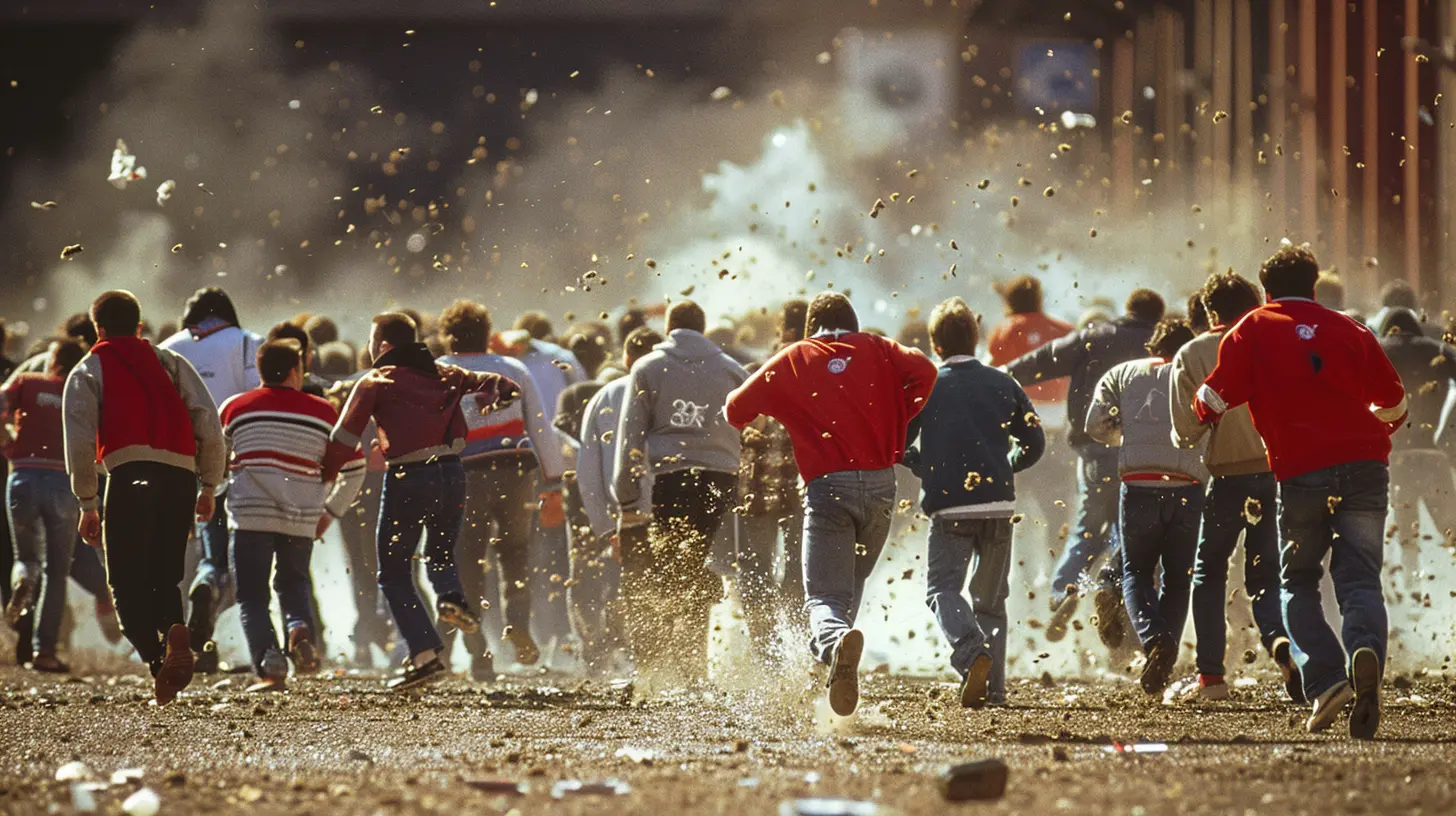
This is where things can start to boil over. When fans feel an intense connection to their team, they often feel personally attacked when their team loses or when an opposing fan insults their side. It’s not just about the game anymore—it’s about defending their tribe.
How History Fuels Rivalries
Rivalries aren’t just born out of thin air. Many of the most intense rivalries in sports have deep historical roots, often tied to regional, political, or even religious divisions.Take, for example, the famous rivalry between Celtic and Rangers in Scottish football. This isn’t just about two football teams from the same city. This rivalry is deeply rooted in Glasgow's sectarian divide. Celtic is historically associated with the Catholic, Irish community, while Rangers have ties to the Protestant, British community. Matches between these two teams are often tense, not just because of the game itself, but because of the centuries of political and religious conflict that underpin the rivalry.
Or consider the rivalry between Real Madrid and FC Barcelona in Spain, often referred to as "El Clásico." While it's certainly about football, this rivalry is also tied to the political tensions between Catalonia (where Barcelona is located) and the Spanish government. For many Catalans, supporting Barcelona isn't just about football; it's a political statement.
When rivalries are fueled by deep-seated historical tensions, it’s easy to see how these games can escalate into something more violent. The game becomes a proxy for larger societal conflicts.
The Influence of Media and Social Media
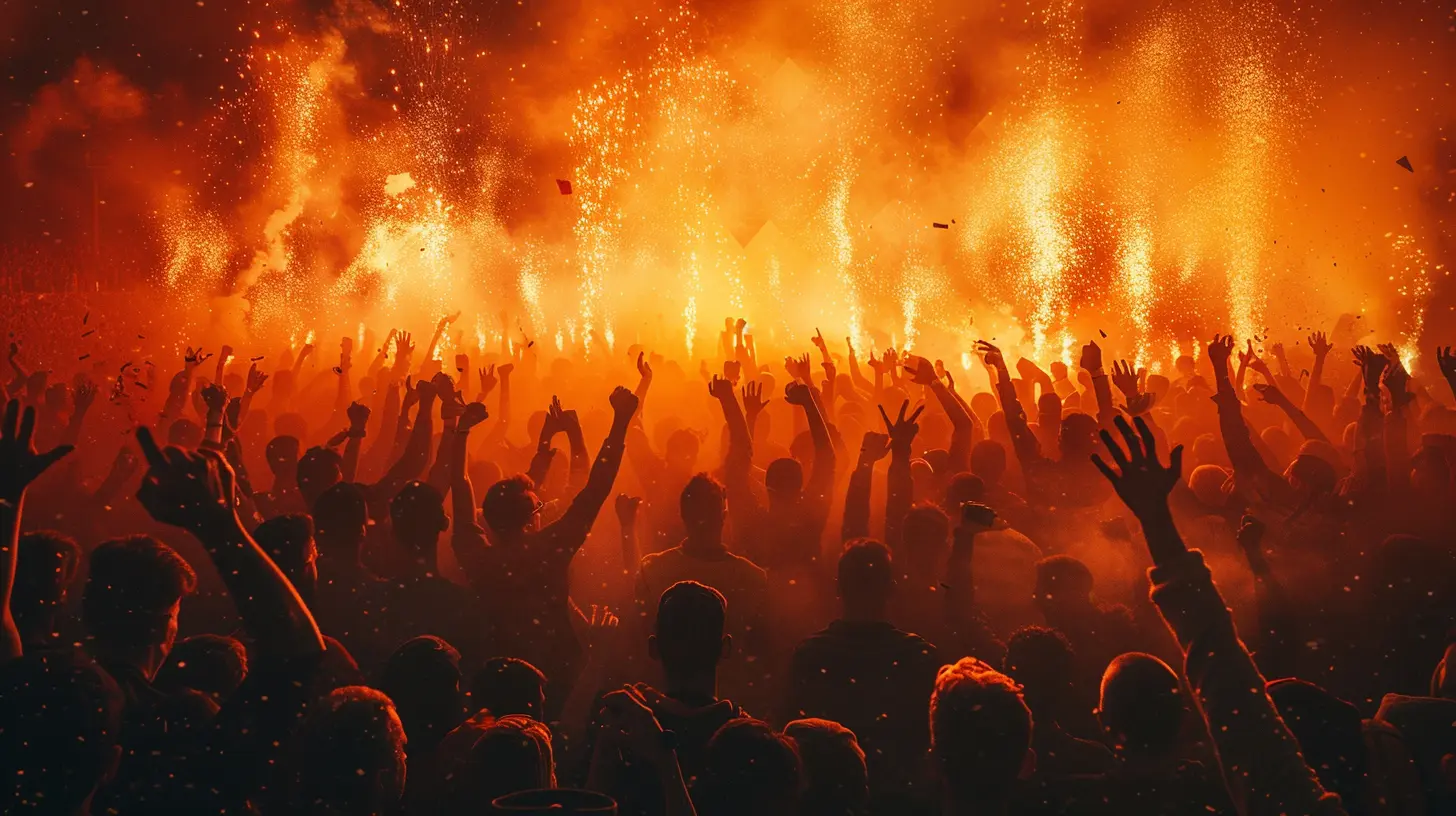
Let's not forget the role that the media—and more recently, social media—plays in stoking the fires of rivalry and hooliganism.Traditional media outlets, especially tabloids, often sensationalize rivalries. They highlight the most controversial moments, the harshest words exchanged between managers or players, and they frame matchups as battles between good and evil. This type of coverage only adds fuel to the fire, making fans feel like there's more at stake than just a game.
And then there’s social media. Platforms like Twitter and Facebook have given fans a direct line to not only their teams but also to rival fans. Trash talk has always been a part of sports, but now it's amplified on a global scale. A single tweet can go viral in minutes, and online arguments can quickly spiral out of control.
The anonymity of the internet often emboldens people to say things they would never say in person, and this can escalate tensions even further. What starts as a bit of banter on social media can easily turn into real-world violence when fans meet at the stadium.
Alcohol and Substance Abuse: Fueling the Flame
It’s no secret that alcohol and substance abuse play a significant role in hooliganism. Many violent incidents occur either before or after matches when fans have been drinking heavily. Alcohol lowers inhibitions and can make people more prone to aggressive behavior.Stadiums and surrounding areas are often filled with fans who have been drinking for hours, and when emotions are already running high due to the rivalry, it’s a recipe for disaster. What might have started as a harmless argument can quickly turn into a full-blown fight.
And it’s not just alcohol. In some cases, hooligans are known to take drugs, which can further impair their judgment and increase their aggression. When you combine substance abuse with the intense emotions of a rivalry, it’s easy to see how things can get out of hand.
The Psychology Behind Group Violence
Hooliganism isn’t just about individual aggression; it’s also about group dynamics. When people are part of a group, they often behave differently than they would on their own. Psychologists refer to this as "deindividuation." Essentially, when you're in a group, you feel less responsible for your actions because the group's behavior becomes more important than your individual choices.This is why you'll often see hooligans acting in ways they would never act if they were alone. The group gives them a sense of anonymity and emboldens them to act out. In the heat of the moment, with hundreds of other fans chanting and pushing for violence, it’s easy to get swept up in the chaos.
The Role of Clubs and Authorities
So, what are sports clubs and authorities doing to combat hooliganism? And are they doing enough?Many clubs have taken steps to distance themselves from hooliganism. They’ve increased security at matches, introduced bans on known hooligans, and even worked with police to prevent violence. But despite these efforts, hooliganism still persists.
One issue is that some clubs have a complicated relationship with their more violent fanbases. While they might publicly condemn hooliganism, they also know that these fans are among the most dedicated supporters. They buy tickets, merchandise, and help create the intense atmosphere that many clubs thrive on.
Authorities, too, have struggled to find the right balance. On the one hand, they want to crack down on hooliganism, but on the other hand, they don’t want to alienate ordinary fans or create an overly militarized atmosphere at sporting events.
Can Hooliganism Be Stopped?
So, can hooliganism ever truly be eradicated? That’s the million-dollar question, isn’t it?The truth is, as long as there are intense rivalries in sports, there will always be the potential for violence. But that doesn’t mean we should just accept it. Education, stricter penalties, and community outreach programs can help curb hooliganism.
Clubs should work to foster a sense of unity among their fans that goes beyond just beating the rival team. Fans need to be reminded that, at the end of the day, it’s just a game. Yes, rivalries are exciting and they add flavor to sports, but they should never lead to violence.
Conclusion
Hooliganism is a complex issue with deep roots in human nature, history, and societal factors. It’s fueled by tribalism, stoked by media, and often exacerbated by alcohol and group dynamics. While it may seem like an inevitable part of sporting rivalries, there are steps we can take to mitigate it.At the end of the day, sports are meant to bring people together, not tear them apart. Rivalries can be fierce, but they should never escalate into violence. As fans, we need to remember that while our loyalty to our team might feel like a matter of life or death, it’s really just a game.
all images in this post were generated using AI tools
Category:
HooliganismAuthor:

Fernando Franklin
Discussion
rate this article
2 comments
Dylan Gomez
Who knew rivalry could turn fans into gladiators? Next up: Hooliganism Olympics—stay tuned!
December 12, 2025 at 5:01 AM
Fernando Franklin
Indeed, rivalries can fuel intense emotions, but we must strive for passion without violence. Let's promote sportsmanship instead!
Gabriella Ramirez
Rivalries can ignite passion, but when unchecked, they breed violence. It's crucial to confront the dark undercurrents of hooliganism head-on to protect the integrity of sports and fans alike.
December 4, 2025 at 3:25 AM
Fernando Franklin
Thank you for your insightful comment! Addressing the darker sides of rivalries is essential for maintaining the spirit of sports and ensuring the safety of all fans.