How Social Media Amplifies Hooliganism in Sports
16 February 2026
Let’s call it out — sports aren't just about fair play, teamwork, and the occasional underdog story. They’ve also got a dark side, and no, I’m not talking about the corrupt governing bodies (though that’s another rabbit hole). I’m talking about hooliganism — the aggressive, violent, and often absurdly tribal behavior we see in and around sporting events. But here's the kicker: social media is cranking this chaos into overdrive.
Social media, the very platforms built to "connect" us, have instead become the ultimate megaphone for hateful chants, toxic rivalries, and mob mentality. From brawls being glorified online to fans organizing hostilities behind digital curtains — it’s clear. The age of digital hooliganism has dawned.
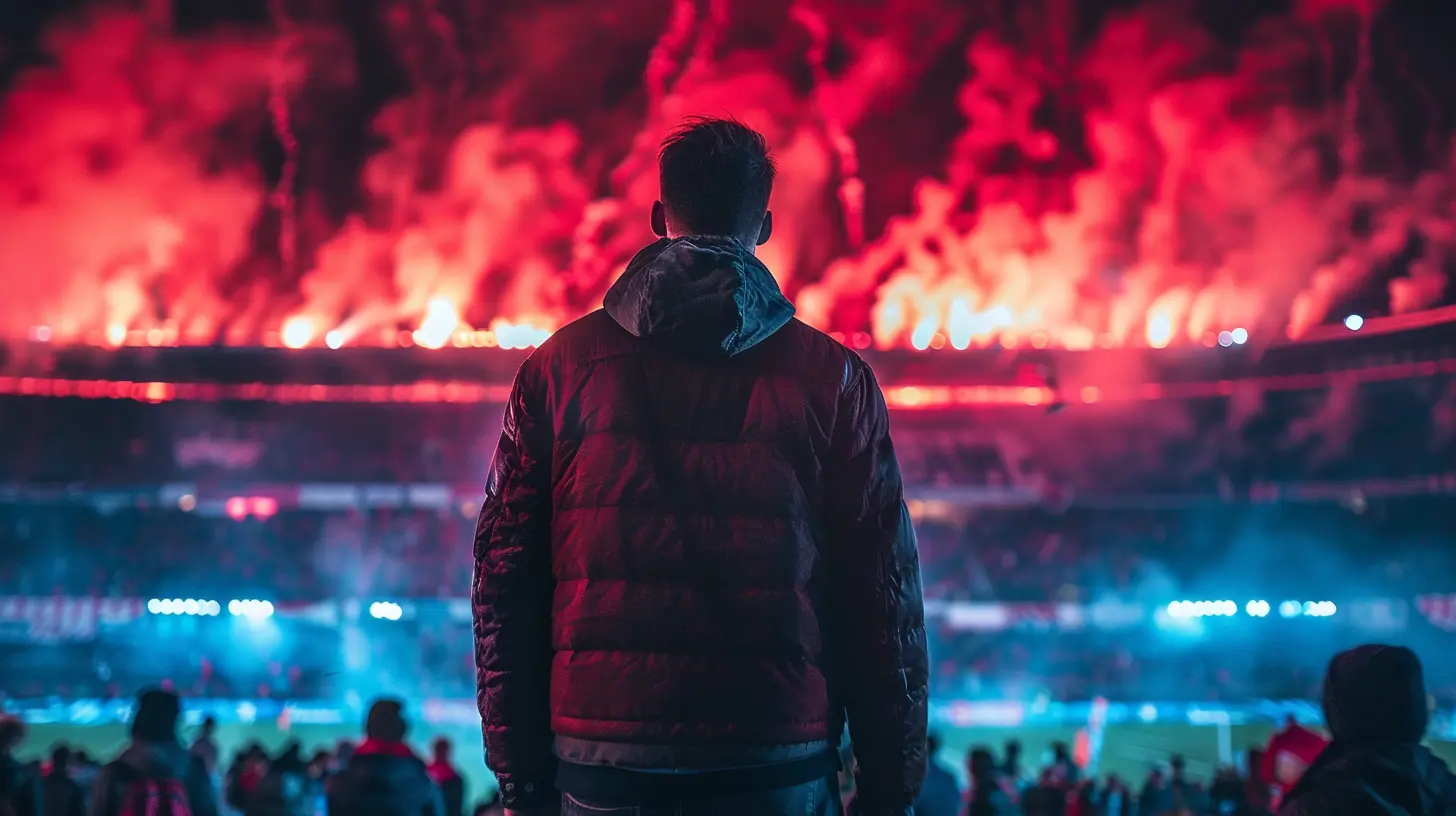
The Evolution of Hooliganism: From Bleachers to Bandwidth
Hooliganism ain’t new. In fact, it's been lurking in stadiums since the Romans were tossing gladiators into the ring. But let's be real — back then, if you wanted to stir up trouble, you actually had to, you know, be there.Fast forward to today and with just a smartphone, a Wi-Fi connection, and a burning hatred for the rival team, fans can manipulate, mobilize, and meme their way into full-on fan wars. What used to live and die in the heat of the moment now gets posted, reposted, and amplified a thousand times over.
Before Social Media: Fists and Flares
Old-school hooliganism had its own codes. Sure, it was brutal and chaotic, but it tended to stay relatively localized. Fights broke out in pubs or outside stadiums, flares lit up after a controversial goal, and that was that. You might hear about it on the news — if it was bad enough.But now? It's a whole different beast.
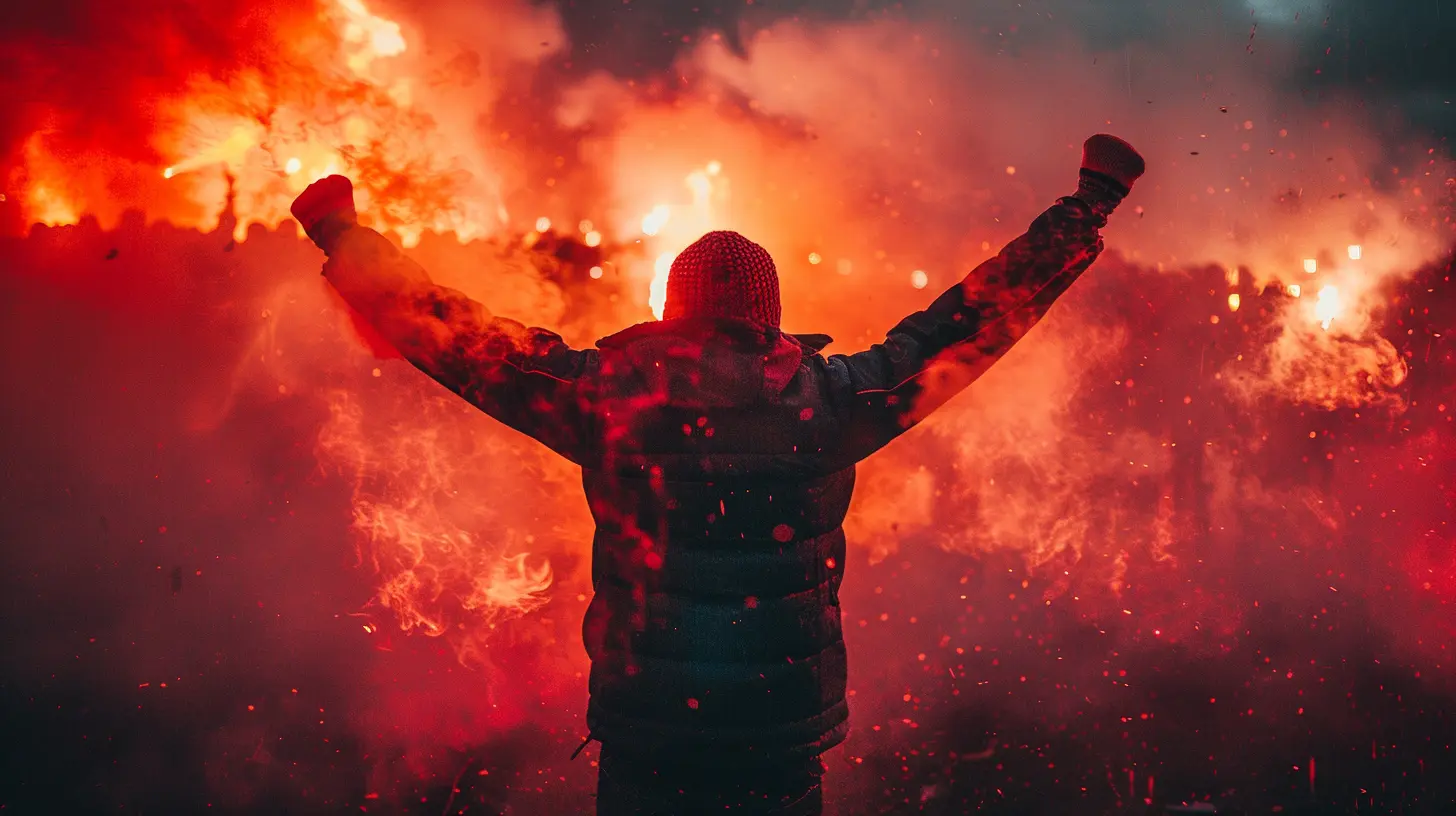
The Digital Megaphone: Social Media’s Role in Fanning the Flames
Social media platforms have become breeding grounds for fan toxicity. And no, I’m not just talking about Facebook rants or Twitter fights. I’m talking about organized chaos — where algorithms feed division and outrage is the fuel.Virality Over Virtue
Let’s face it: the content that spreads fastest isn’t the wholesome halftime show or the tearjerker farewell of a retiring legend. Nope. It’s the videos of fans chucking beers, brawling in the stands, or screaming slurs across fences. Why? Because outrage gets clicks. And clicks keep these platforms alive.Think about it. You see a clip of a fan throwing a punch — you watch, react, maybe comment “WTF is wrong with people?” — and boom, you’ve just contributed to its viral momentum.
Social media doesn’t just reflect hooliganism. It rewards it.
Hashtags and Hate Speech
Remember when hashtags were fun? Like #ThrowbackThursday or #NoFilter? Now we’ve got tags like #FTheOtherTeam or #DieHardUltras trending before big matches. These tags aren’t just harmless banter — they’re digital calls to arms.It only takes one viral hate post to ignite passions on both sides. Within minutes, fan pages, comment threads, and meme accounts are in full assault mode. This kind of energy doesn’t just stay online — it spills into the real world.
Digital Echo Chambers
Here’s the thing — social media algorithms love to show us what we agree with. So if you're a fan of Club A and you hate Club B, guess what? You’re going to keep getting fed content that stokes that hate.Suddenly, you're in a bubble where Club B is the devil incarnate, and every fan of theirs is Satan's intern. It’s confirmation bias on steroids, and it’s making people angrier, louder, and way more dangerous.
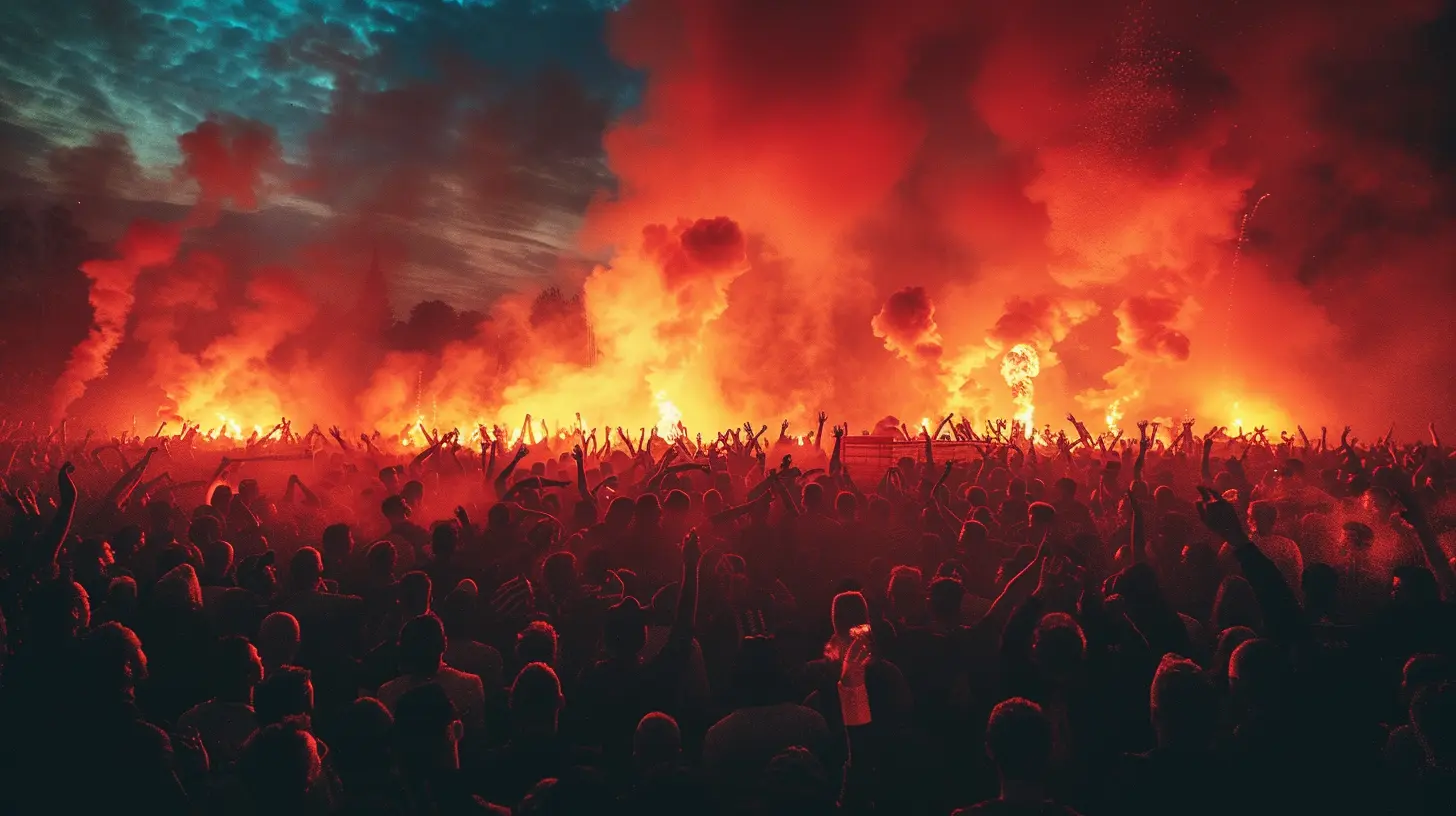
The Rise of Online Fan Armies
Ever heard of cyber-ultras? They're not the kind of fans who wave flags and sing songs. No, these are digital warriors who spend hours creating memes, editing savage video clips, and doxxing rival fans. Yup, this is where things get seriously messed up.Doxxing and Threats
It’s one thing to be salty after a match loss. It’s another to leak someone’s private info online because they support the other team. Sadly, the latter is becoming more common.Some fans dig up personal data — names, addresses, even workplaces — and share it in retaliation for something as dumb as a comment on a Facebook post. And this is all enabled by the anonymity and reach social media provides.
Digital Intimidation and Swarming
You’ve probably seen it. One fan makes a controversial post, and suddenly swarms of anonymous accounts are in the comments section throwing insults, threats, and all forms of hate.This mob mentality isn't just psychologically damaging — it’s actually leading people to get physically attacked in real life. What starts online never really stays online.
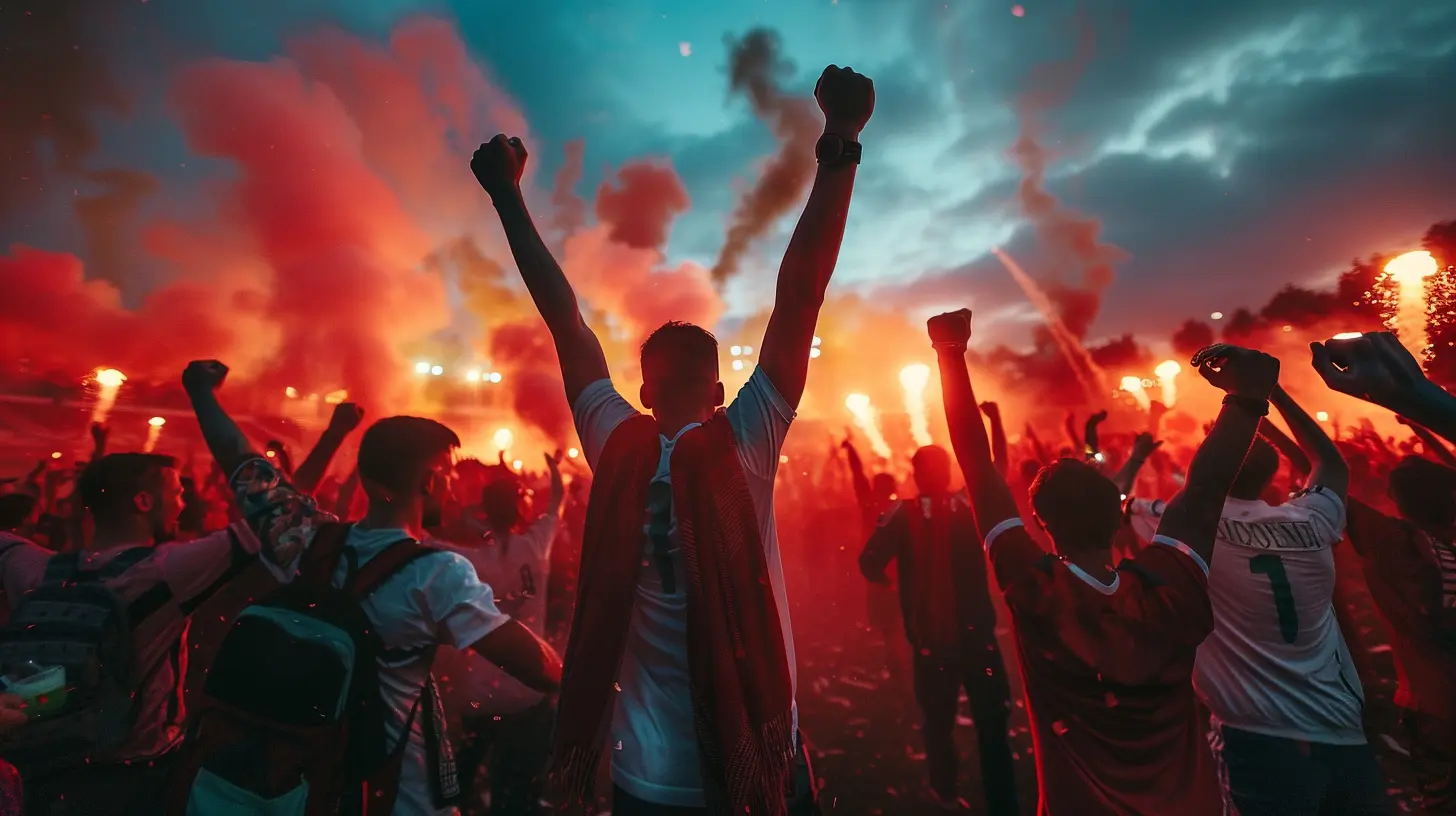
Stadium Violence Gets Clickable
Let’s not kid ourselves. Stadium fights used to be something most fans avoided. But now, when someone whips out a phone and records a brawl in HD, it becomes content.Clout Chasing Goes Violent
Some fans engage in violence not because they're angry — but because they want likes, shares, and clout. It’s performance hooliganism. They know a wild video can go viral in minutes.It’s the same reason we’ve got YouTubers staging fake fights — except these real-life hooligans aren’t faking anything. They're just cashing in on chaos.
Media Outlets Play Along
Even traditional media outlets have fallen into the trap. They lift viral clips from social media and run them as “breaking news” or “trending fan behavior” — further amplifying and legitimizing the madness. It’s a vicious cycle.Mental Health? Yeah, That’s Suffering Too
When you're constantly surrounded by digital aggression, it messes with your head. Fans are reporting more anxiety, stress, and even depression after major matches — especially after a loss when online abuse kicks into high gear.Racism, Sexism, and Xenophobia on Blast
Let’s not sugarcoat it — a lot of the hate shared online isn’t even about the sport. It’s racism. It’s sexism. It’s xenophobia. Social media gives cowards a curtain to hide behind while they spit venom.Ask any Black player who's missed a penalty or a female referee who’s made a tough call — social media rains down hellfire in seconds. And this abuse isn’t just “words.” This is trauma being inflicted via Wi-Fi.
Solutions? They’re Out There... Maybe
Okay, doom and gloom aside — is there any hope? Can we stop the cycle? Sort of.Platforms Need to Grow a Spine
First off, social media companies need to stop pretending they can’t do anything. They’ve got AI tracking every shirtless selfie and dog pic — you’re telling me they can’t stop hate speech and violent threats?They need to moderate better, ban repeat offenders, and stop letting hate get all the airtime.
Clubs and Leagues Must Step Up
Sports organizations have to own this too. Kick racism out? Great. Now kick out the online hooligans while you’re at it. Teams should start calling out their own fans who cross the line — no more sweeping it under the rug.Fans Gotta Reclaim the Culture
At the end of the day, it comes down to us — the fans. We’ve got to stop glorifying toxic behavior. Stop sharing those fight videos. Stop liking those hateful memes. Stop letting the lunatic fringe define the narrative.We love sports. We love the passion. But we’ve gotta remember: rivalry doesn’t mean war, and banter isn’t a license for bullying.
Final Thoughts: What Now?
There’s no denying it — social media didn’t invent hooliganism, but it absolutely supercharged it. What should’ve stayed in the stands is now living in your feed. And until we — fans, platforms, and governing bodies — take real action, it’s only going to get worse.So the next time you see a fight clip going viral or a hate-filled comment thread blowing up, ask yourself — am I feeding the problem or fixing it?
Because here’s the truth: social media’s made hooligans louder, meaner, and more organized than ever. And until we break that feedback loop, we’re all just spectators in the wrong kind of game.
all images in this post were generated using AI tools
Category:
HooliganismAuthor:
Fernando Franklin
Discussion
rate this article
2 comments
Daisy McGivern
This article effectively highlights the troubling role social media plays in exacerbating hooliganism in sports. By providing a platform for inflammatory content and encouraging groupthink, social media can escalate tensions among fans. It's crucial for stakeholders to mitigate these risks for safer sporting events.
March 31, 2026 at 3:08 AM
Fernando Franklin
Thank you for your insightful comment! I completely agree that addressing the role of social media in amplifying tensions is essential for fostering a safer sports environment.
Tia McCord
Ah, social media: where the thrill of the game meets the chaos of keyboard warriors! 🥳 One tweet can turn a friendly rivalry into a digital brawl faster than a referee’s whistle! Let’s hope our screens stay more ‘like’ and less ‘fight’! 📱⚽️
February 20, 2026 at 5:27 AM
Fernando Franklin
Absolutely! Social media's instant reach can escalate rivalries quickly, turning playful banter into hostile exchanges. It’s a double-edged sword that amplifies both camaraderie and conflict.