How Technology Is Revolutionizing Performance in Pro Sports by 2027
27 April 2026
Let’s be honest for a second: if you told a baseball player in 1995 that within three decades, athletes would be wearing a smart sleeve that tracks every muscle twitch, sleeping in oxygen-controlled pods, and getting personalized training plans from an AI that knows their body better than they do, they’d probably laugh you out of the locker room. But here we are, standing on the edge of 2027, and that future isn’t just knocking—it’s already suiting up.
Technology in pro sports isn’t just about fancy gadgets or making highlight reels look cooler. It’s fundamentally rewriting what it means to be an elite athlete. We’re talking about the difference between a player who peaks at 28 and one who dominates until 38. We’re talking about injuries that used to end careers now becoming minor speed bumps. And we’re talking about a level of precision in training that feels less like sports science and more like science fiction.
So, how exactly is technology turning pro athletes into superhumans by 2027? Grab your water bottle, because we’re about to dive deep into the data, the wearables, the AI coaches, and the recovery hacks that are reshaping the game.
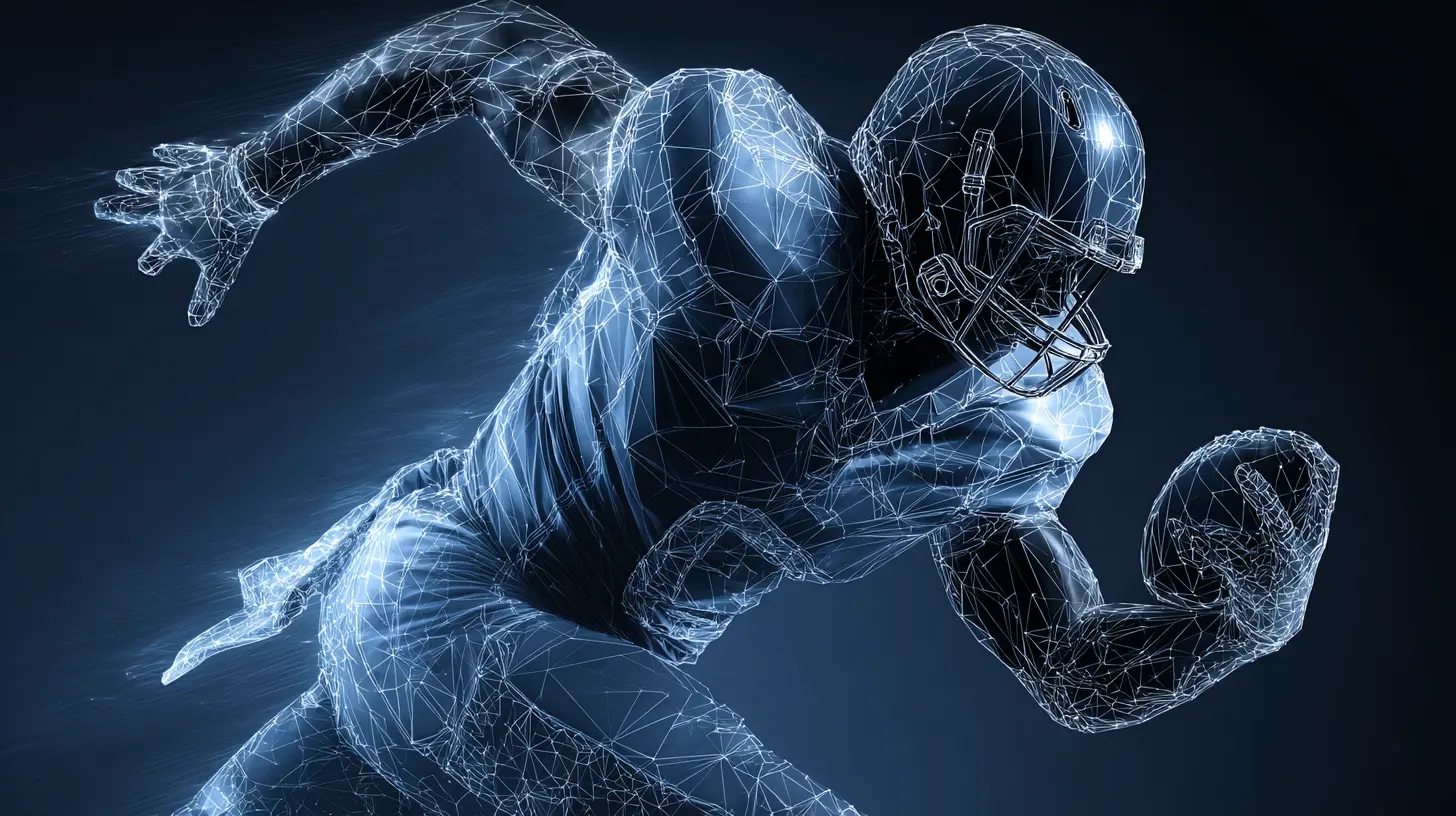
The Rise of the Digital Twin: Your Body, But Better
You’ve heard the phrase “know thyself,” right? Well, by 2027, pro athletes don’t just know themselves—they have a digital version of themselves running constant simulations. This concept, called a digital twin, is arguably the biggest game-changer in sports performance.Imagine building a hyper-accurate, real-time virtual model of an athlete’s entire body. We’re talking bones, muscles, tendons, ligaments, even neural pathways. Sensors worn during practice, games, and even sleep feed data into this model. It then predicts everything: “If you push this sprint 2% harder, your left hamstring has a 15% higher chance of micro-tearing in the fourth quarter.” Or, “Your sleep quality dropped 20% last night, so today’s cognitive reaction time will be slower by 0.02 seconds.”
By 2027, teams like the Golden State Warriors or Manchester City aren’t just using these models for injury prevention. They’re using them for performance optimization in real-time. A coach can look at a tablet during a timeout and see that their star player’s fatigue index is spiking. Instead of guessing, they pull them for two minutes, knowing the digital twin says that two-minute rest restores 90% of their explosive power.
It’s like having a crystal ball that’s also a mechanic. You don’t wait for the engine to blow; you fix the spark plug before the race even starts.
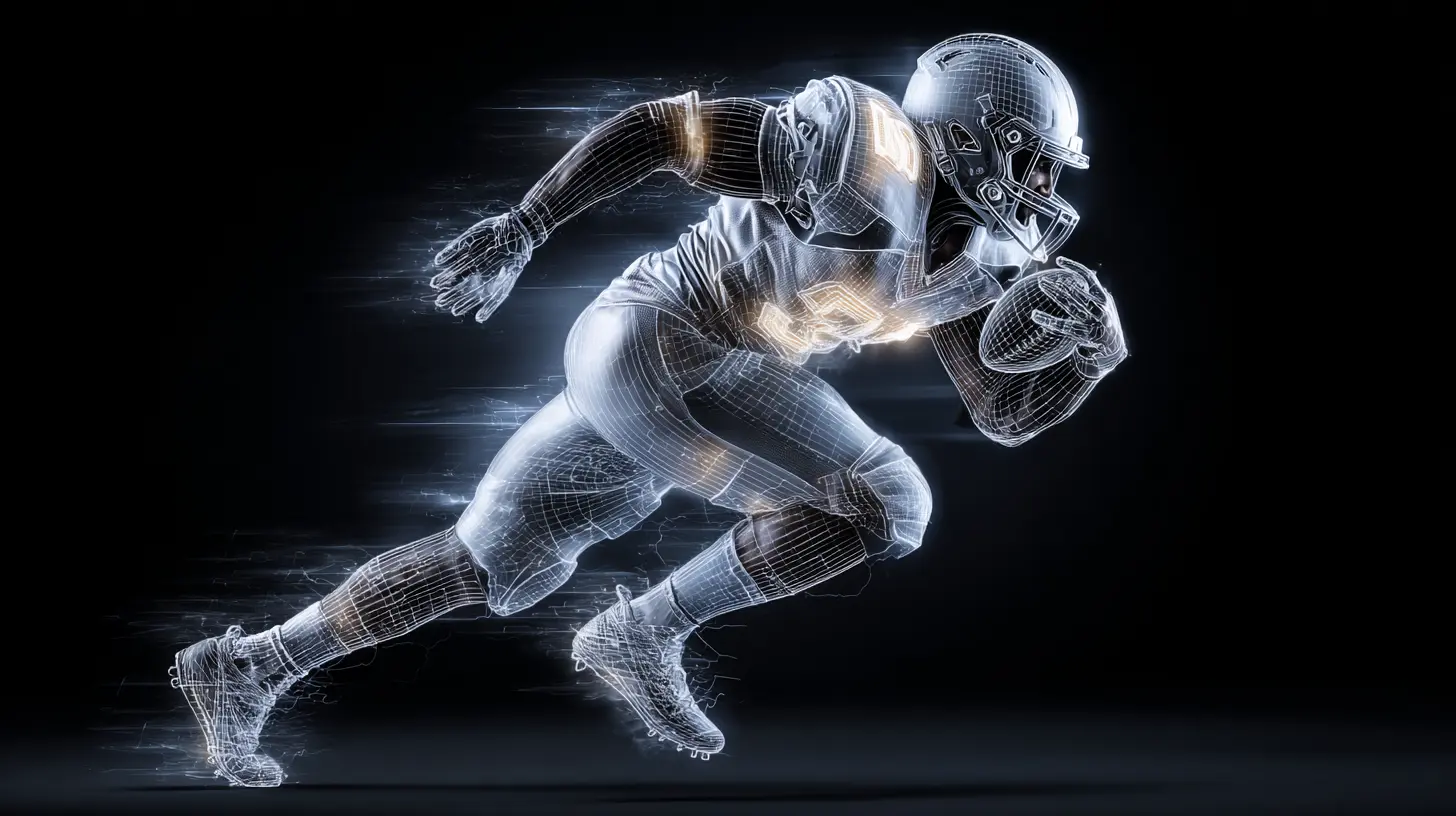
Wearables That Don’t Just Track—They Coach
We’ve all seen those fitness watches that count steps. Cute, right? By 2027, pro athletes are wearing gear that makes a smartwatch look like a calculator. We’re talking about smart compression shirts with embedded electromyography (EMG) sensors that measure muscle activation patterns. If your left quad is firing 10% harder than your right quad during a squat, the shirt vibrates to correct your form *while you’re still mid-rep.Then there’s the smart mouthguard. Yeah, you read that right. Companies like Prevent Biometrics have developed mouthguards that measure the force, location, and direction of every head impact. In contact sports like football, rugby, and hockey, this is revolutionary. Instead of relying on a player saying “I’m fine,” the sideline medical staff gets an immediate alert: “This hit crossed the threshold. Pull them for a cognitive assessment.”
But the real magic in 2027 isn’t just data collection—it’s actionable coaching on the fly. Imagine a basketball player wearing a sleeve that tracks wrist angle during a jump shot. A tiny haptic buzz tells them, “Your follow-through is drifting left again.” No yelling from the coach. No video review later. Just instant, silent correction. It turns every practice rep into a perfect rep.
AI Coaches: The Brain That Never Sleeps
Let’s talk about the elephant in the room—or rather, the AI in the server room. By 2027, every top-tier team has a head coach who’s human, but they also have an AI assistant that never blinks.Here’s the thing: human coaches are brilliant, but they’re also biased. They remember the bad call from last week. They favor the veteran over the rookie. They get tired. AI doesn’t. It processes millions of data points from every game, practice, and opponent matchup, then spits out insights that no human brain could catch.
For example, in the NFL, AI systems are already analyzing defensive formations in milliseconds. By 2027, these systems will predict play calls with over 85% accuracy based on pre-snap movements. Quarterbacks will get a subtle audio cue in their helmet earpiece: “They’re blitzing the A gap. Hot route to the tight end.” It’s like having a chess grandmaster whispering in your ear, but the chess pieces are 300-pound linemen.
But it gets even more personal. AI is now creating micro-personalized training programs. Forget generic “leg day” routines. The AI looks at your hormonal cycles, your sleep debt, your recent game load, and your muscle glycogen levels. Then it writes a workout that is unique to you, for today only. Tomorrow’s workout will be different because your body will be different.
It’s the difference between a tailor making a suit versus buying one off the rack. The AI tailor fits every thread to your exact measurements.
Recovery Tech: From Ice Baths to Cryogenic Chambers
Remember when an ice bath was the gold standard for recovery? That’s like comparing a horse-drawn carriage to a Tesla. By 2027, recovery is a high-tech science that’s almost as important as training itself.Normatec compression boots are old news. Now we’re seeing whole-body cryotherapy chambers that drop to -200°F for three minutes, reducing inflammation and boosting recovery hormones. But the real star is photobiomodulation—better known as red light therapy. Athletes lie in beds of LED lights that penetrate deep into muscle tissue, accelerating cellular repair. It sounds like something from a sci-fi movie, but it’s already in use by the Lakers and the All Blacks.
Then there’s sleep tech. Sleep is the ultimate performance enhancer, and by 2027, athletes aren’t just counting hours—they’re optimizing quality. Smart mattresses adjust temperature and firmness based on your sleep stage. Neurofeedback headbands (like the Dreem or Muse) guide your brain into deeper sleep cycles using subtle audio tones. Some teams even use hypoxic tents that simulate high-altitude conditions while you sleep, tricking your body into producing more red blood cells without the stress of training at altitude.
The result? An athlete who recovers 40% faster between games. That means more peak performances, fewer rest days, and careers that last years longer.
The Data Deluge: Turning Numbers into Wins
Data in sports isn’t new. The Oakland A’s proved that with Moneyball back in 2002. But the volume and granularity of data by 2027 is mind-blowing. A single NBA game generates over 1.5 million data points from player tracking cameras alone. That’s every step, every jump, every pass angle, and every defensive rotation.The challenge isn’t collecting data—it’s making sense of it. That’s where edge computing and real-time analytics come in. By 2027, the data is processed on the sidelines, not in a server farm miles away. Coaches get instant visualizations during the game. A soccer coach can see that their winger is consistently drifting inside when they should be hugging the touchline. A baseball manager knows that the pitcher’s spin rate dropped 3% in the fifth inning, indicating fatigue.
But here’s the wild part: athletes themselves are now trained to interpret this data. They don’t just follow orders; they understand the “why.” A tennis player looks at a heat map of their opponent’s serve placement and adjusts their return position instinctively. Data literacy is becoming as important as physical literacy.
Virtual Reality: Practice Without the Wear and Tear
Practice makes perfect, but practice also causes injuries. By 2027, virtual reality (VR) has become a standard tool for mental reps without physical toll.Quarterbacks in the NFL strap on a VR headset and face 100 different defensive looks in 20 minutes. They practice reading coverages, making progressions, and throwing to open receivers—all while standing in a padded room. No hits. No sore arms. Just pure cognitive repetition.
But VR isn’t just for QBs. Basketball players use it to simulate game-winning shots in hostile arenas. Soccer players practice penalty kicks against a virtual goalkeeper that learns their habits. Even in combat sports, fighters spar against AI-generated opponents that mimic the style of their next opponent.
The beauty? Neuroplasticity—your brain doesn’t know the difference between a real experience and a vividly simulated one. So those 500 VR reps actually improve your real-world reaction time. By 2027, top athletes are spending up to 30% of their practice time in virtual environments. It’s like getting a cheat code for muscle memory.
Genetic Testing and Nutrigenomics: Eating for Your DNA
Here’s a question: why does one athlete thrive on a high-carb diet while another turns into a slug? The answer is in your genes. By 2027, nutrigenomics is standard practice in pro sports.Athletes provide a simple saliva sample. The lab analyzes over 100 genetic markers related to metabolism, inflammation, vitamin absorption, and muscle fiber type. The result? A diet plan that is as unique as their fingerprint.
For example, if you have a variant of the MTHFR gene that impairs folate processing, the AI adjusts your leafy green intake and supplements accordingly. If you have a genetic tendency toward slow-twitch muscle fibers, your training emphasizes explosive power over endurance. It’s not guessing anymore; it’s precision biology.
And it doesn’t stop with food. Custom supplement protocols are now delivered via smart pill bottles that track compliance. If an athlete forgets their dose, the bottle sends a nudge to their phone. By 2027, the era of one-size-fits-all nutrition is dead. Long live the personalized plate.
The Ethical Tightrope: Where Do We Draw the Line?
Now, let’s pump the brakes for a second. All this technology is incredible, but it raises some uncomfortable questions. Where does performance enhancement end and unfair advantage begin? If one team can afford a $10 million AI system and another can’t, is the game still fair?And what about cyborg athletes? We’re already seeing exoskeletons used in rehabilitation. By 2027, some athletes might use wearable assistive devices during training to overload muscles safely. Is that training aid or a performance enhancer? The line is blurring.
Then there’s the privacy issue. Athletes’ biometric data is incredibly personal. Who owns it? The team? The league? The player? Imagine a future where a contract negotiation includes access to your digital twin data. “We’ll pay you $20 million, but we want full access to your sleep and recovery metrics.” That’s a brave new world of consent.
These aren’t scare tactics; they’re real conversations happening in league offices right now. By 2027, every major sport will have updated rules on what tech is allowed, what data can be shared, and how to maintain a level playing field.
The Human Element: Tech Can’t Replace Grit
For all the talk of sensors and AI, let’s not forget the heart of sports. Technology can optimize your body, but it can’t manufacture your will to win. It can tell you the perfect angle for a shot, but it can’t make you want to take it when the game is on the line.The greatest athletes of 2027 will be those who use technology as a tool, not a crutch. They’ll still wake up at 5 AM. They’ll still grind through grueling workouts. They’ll still feel the sting of defeat and the rush of victory. The tech just makes that journey smarter, safer, and longer.
Think of it this way: technology is the map, but the athlete is still the explorer. The map can show you the fastest route up the mountain, but you still have to climb it. And in the end, the climb is what matters.
What to Expect by 2027
So, let’s wrap this up with a quick snapshot of what pro sports will look like in just a couple of years:- Injury rates drop by 30-40% thanks to predictive digital twins and real-time form correction.
- Athlete careers extend 3-5 years on average due to optimized recovery and personalized training.
- Game strategy becomes a live chess match between human coaches and AI assistants.
- Fans get a new experience—imagine watching a game where the broadcast shows a player’s real-time fatigue percentage or probability of hitting the next shot.
- The gap between rich and poor teams widens unless leagues invest in tech equity programs.
It’s a thrilling, slightly scary, and absolutely fascinating time to be a sports fan. The athletes we cheer for are becoming more durable, more skilled, and more data-driven than ever before. And by 2027, the line between human potential and technological augmentation will be so thin, you’ll need a digital twin to see it.
So, the next time you watch a game-winning touchdown or a buzzer-beater, remember: it wasn’t just talent. It was also the smart sleeve, the AI coach, the cryo chamber, and the 1.5 million data points that got that athlete to that moment. And honestly? That makes the victory even more impressive.
all images in this post were generated using AI tools
Category:
Professional LeaguesAuthor:

Fernando Franklin
Discussion
rate this article
1 comments
Quincy Martin
It's fascinating to think about how technology could reshape pro sports by 2027. From wearables to advanced analytics, the possibilities seem endless. I'm really curious to see how these innovations will enhance athlete performance and fan experience.
May 13, 2026 at 4:26 AM
Fernando Franklin
Thanks for your thoughts! It's true that the pace of innovation is exciting. I can't wait to see how these advancements will change the game for athletes and fans alike.