How the NFL Overtime Rules Will Evolve by 2026
15 April 2026
Let’s be honest for a second. That pit in your stomach when your team loses the coin toss in a playoff overtime? We’ve all felt it. It’s a unique brand of sports heartbreak that feels less like a competition and more like a cruel twist of fate. For years, the debate around NFL overtime rules has simmered, but recent postseason classics—and the agonizing losses that accompanied them—have turned up the heat to a full boil. The question is no longer if the rules will change, but how and when.
By 2026, I believe we will see an NFL overtime landscape that looks fundamentally different. It will be a system forged in the fires of fan frustration, player advocacy, and a simple, unwavering desire: to ensure the game’s biggest moments are decided by plays, not a coin. This isn't just about tweaking a line in the rulebook; it's about a philosophical shift in how we define fairness in a sudden-death scenario. So, let's put on our prognosticator hats and dive into the compassionate, competitive, and downright logical future of NFL overtime.
The Pain Point: Why Our Guts Churn on the Coin Toss
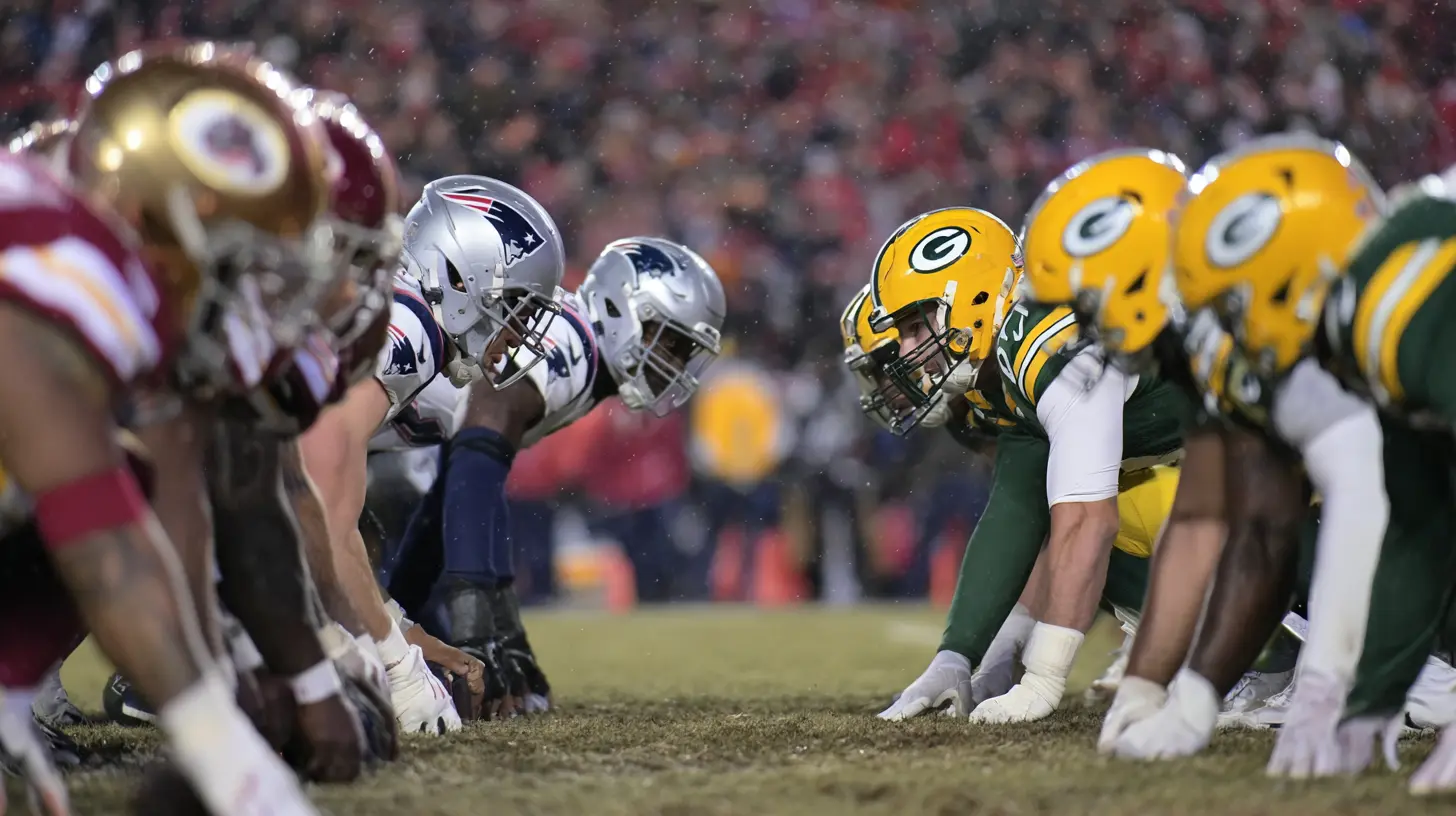
To understand where we’re going, we have to acknowledge why we’re so unsettled with where we are. The current rules (for the playoffs, at least) give both teams a possession unless the first team scores a touchdown. Sounds fairer than the old "first score wins," right? Yet, it still leaves a bitter taste.Think of it like this: two chess grandmasters prepare for a monumental match, only for the winner to be decided by who gets to play the white pieces in a single, sudden-death game. The player with black might never get a chance to touch the board. In the NFL, the team that loses the toss often watches their season end from the sideline, their defense gassed and their offensive stars rendered spectators. The statistical edge for the coin-toss winner is undeniable, and in a league where parity is the holy grail, that edge feels like a betrayal of sport itself.
The empathy here is for the players. Imagine dedicating your entire life, sacrificing your body, battling through a grueling season and a brutal playoff game, only to have your destiny hinge on a 50/50 chance before you even break a sweat in the extra period. The human element—the sweat, the strategy, the heart—gets sidelined by pure luck. That’s the core pain point the NFL must, and will, address.
The Guiding Principles: What Will Shape the Change?
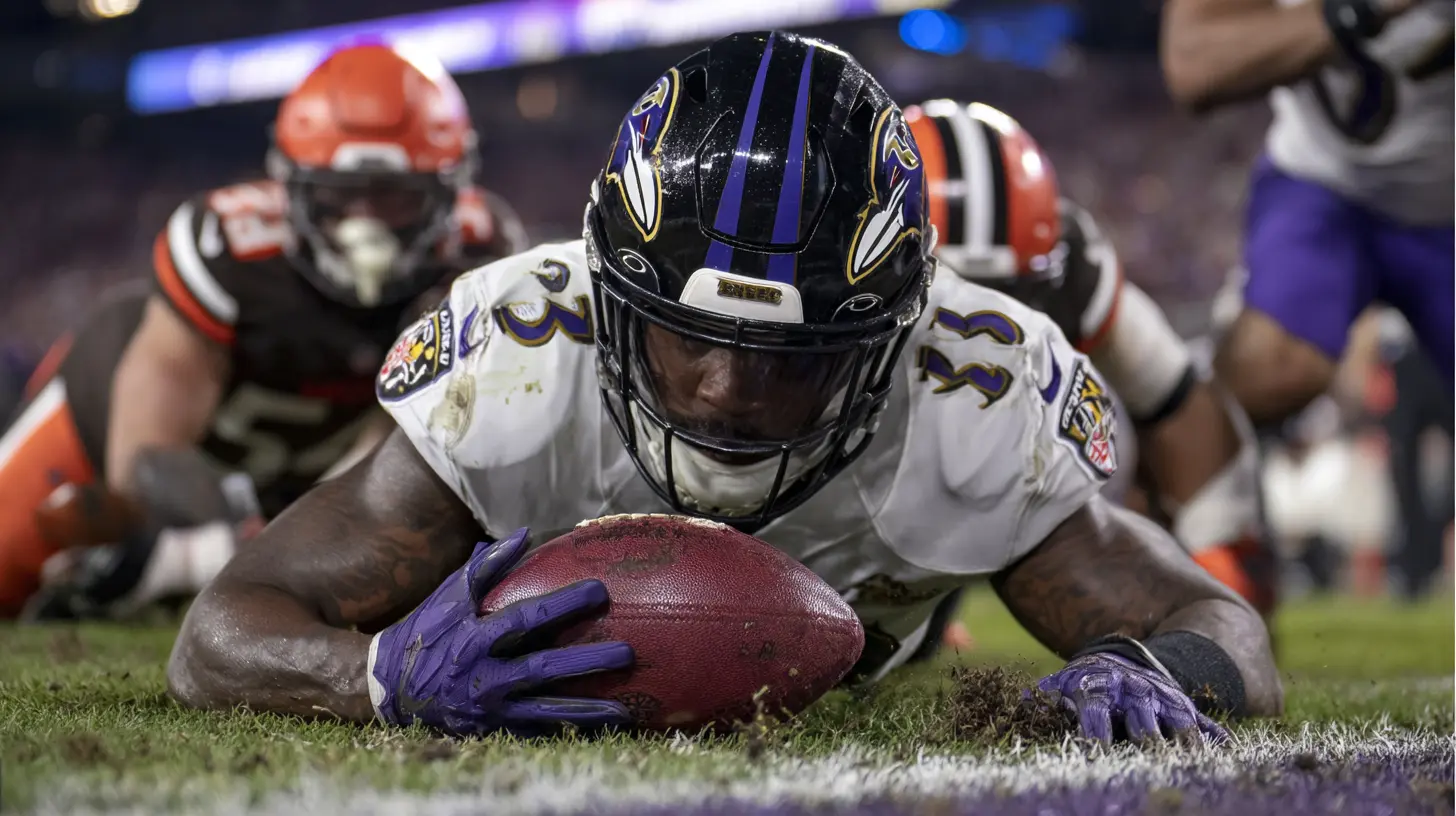
The evolution won't be random. It will be steered by a few key principles that the league, the players' union, and the fans all hold dear.1. Equity of Opportunity: This is the big one. The new system will fundamentally ensure that both offenses, both quarterbacks, and both sets of skill players have a guaranteed chance to answer. The concept of "possessing the ball" will become sacred. It moves from a potential privilege to an absolute right in overtime.
2. Preserving Player Health & Safety: The NFL is increasingly conscious of the physical toll of the game. An overtime that could, in theory, last indefinitely is a nightmare scenario for player safety. Any new system will have a built-in mechanism to ensure a decisive conclusion without pushing athletes to a dangerous breaking point. We’re not heading for soccer-style penalty shootouts, but the league will want a clear finish line.
3. The Spectacle Factor: Let's not pretend the NFL isn't entertainment. They want drama, viral moments, and unforgettable finishes. A system that creates more back-and-forth, more "answer the bell" moments, is better television. It’s better for the story. The league wants overtime to be a highlight reel, not a footnote.
4. Simplicity & Understandability: For all its complexity, football's best rules are simple at their core. The new overtime can't be a convoluted math problem. Fans in the stadium and at home need to understand the stakes instantly. "Score and go for two?" "First to six points?" The winning formula will be intuitive.
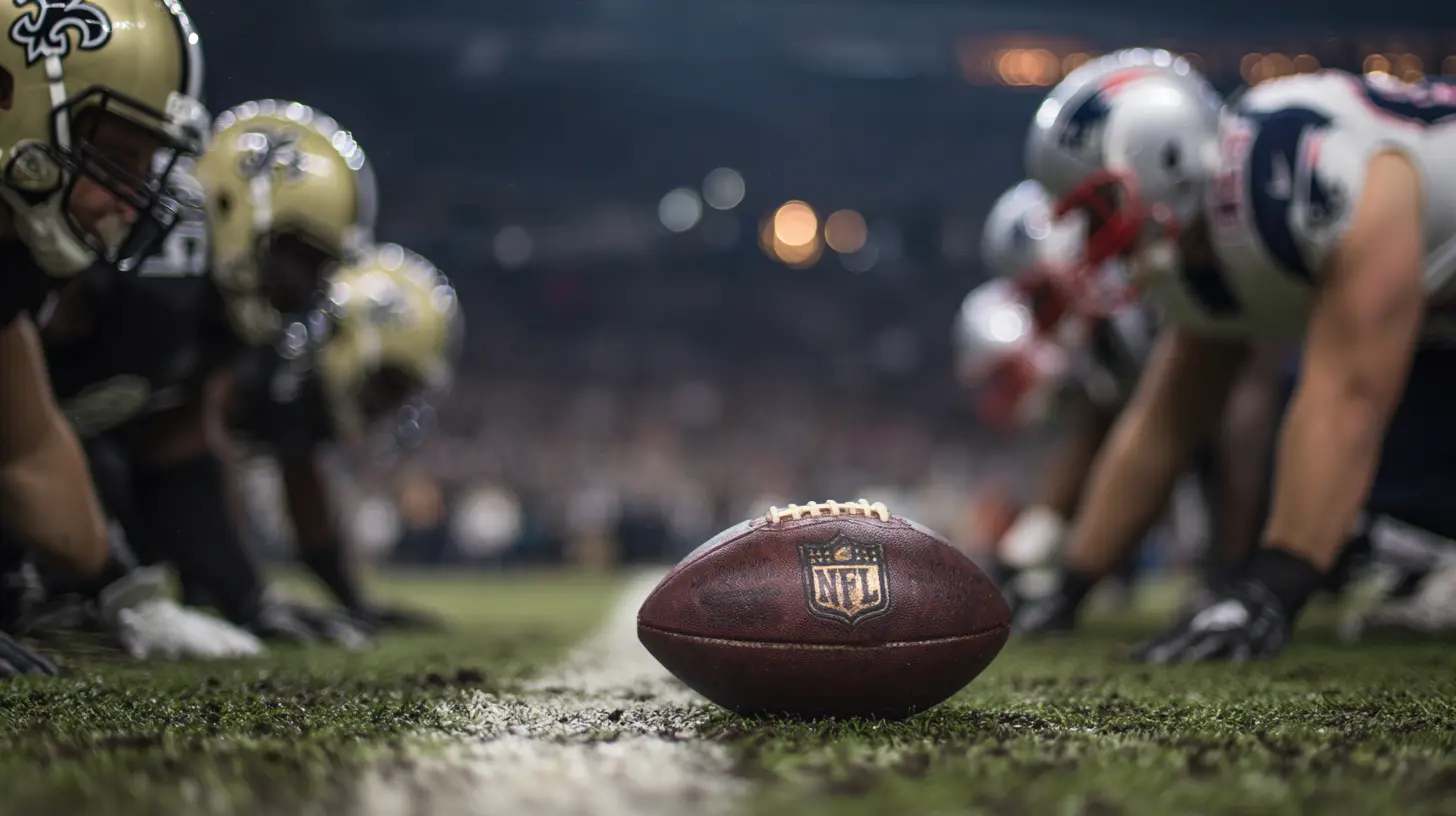
The 2026 Blueprint: A Likely Scenario
So, what might this actually look like on a crisp autumn Sunday in 2026? Based on the trends and the principles above, here’s a compassionate and competitive framework I believe we’re marching toward.Phase 1: The Guaranteed Possession Period
Gone will be the "first touchdown wins" opener. Instead, both teams will be guaranteed at least one offensive possession, regardless of what the first team does. This is the non-negotiable foundation. If Team A kicks a field goal, Team B gets a chance to match or beat it. If Team A scores a touchdown, Team B must score a touchdown to extend the game. This alone removes the single most criticized flaw of the current system.Phase 2: The "Win-It-Now" Decision
This is where strategy gets spicy. Let’s say both teams score matching touchdowns in their guaranteed possessions. The game isn't over. Instead, we move to what I'll call the "Win-It-Now" framework.Under this likely model, after matched scores, the game shifts to a true sudden-death, but with a critical twist: teams must attempt a two-point conversion after any touchdown. You score a TD, you go for two. This does a few brilliant things:
* It ensures a rapid conclusion, addressing player safety concerns. No more marathon drives.
* It injects high-stakes strategy. Do you go for the win with a bold playcall, or try to put pressure on the opponent? Coaches' decisions here will become legendary.
* It emphasizes all three phases. The offense has to execute a tough play. The defense gets a chance to be heroes. Special teams are on high alert for a potential return.
You could also see a variation where, after the guaranteed possessions, the game becomes "first to score 6 points" wins. A field goal ends it, but a touchdown requires the two-point attempt to clinch the 6 points. This is another clean, simple, and decisive path.
The Regular Season vs. Playoff Question
Will this apply to all games? I think we'll see a distinction. The regular season may adopt a simpler version—perhaps just the guaranteed possession period with traditional scoring continuing until a winner is decided after both have had the ball. But for the playoffs? The "Win-It-Now" mechanism feels destined for the biggest stage, where the need for a definitive, dramatic finish is paramount.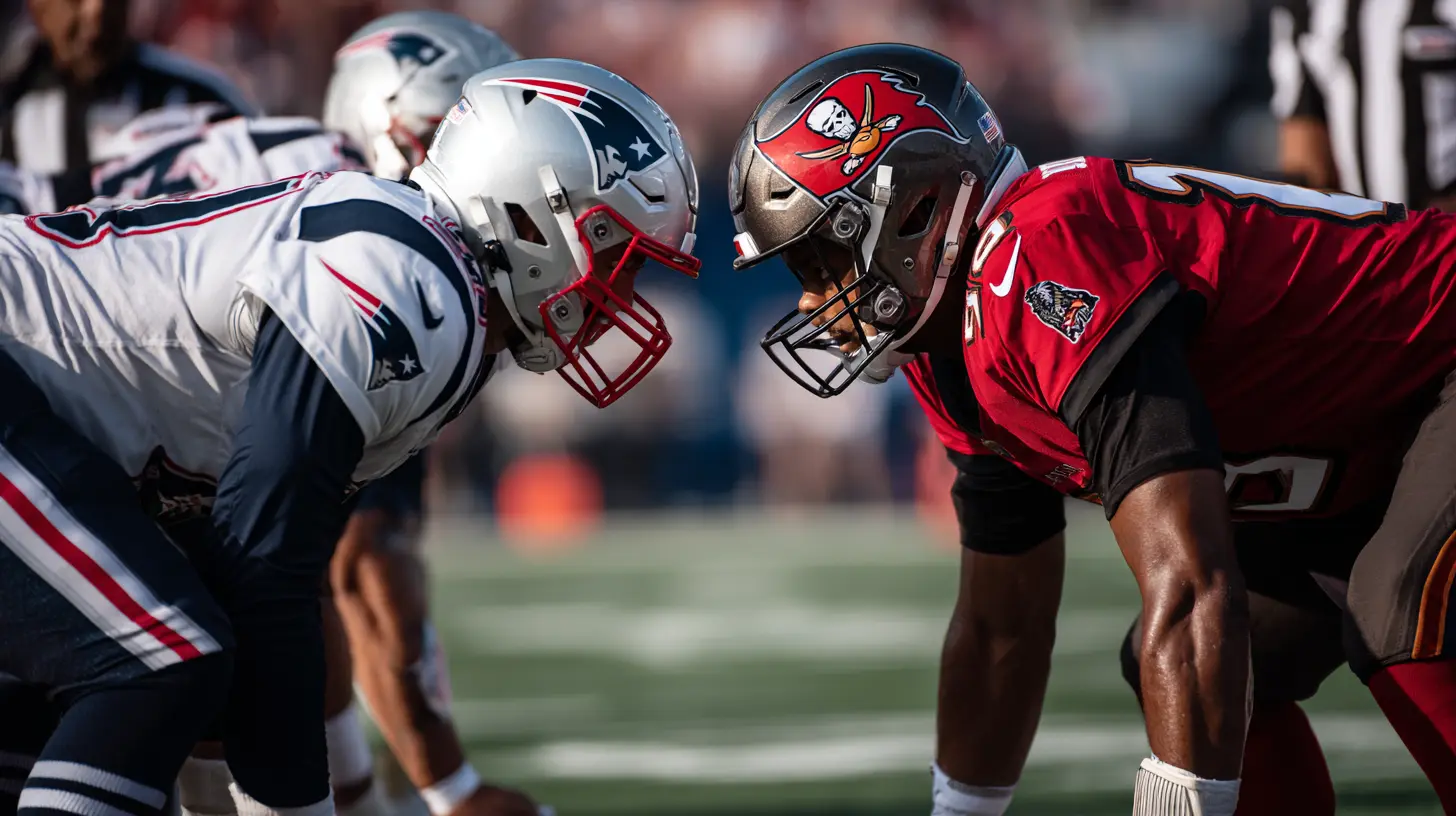
The Ripple Effects: How This Changes the Game
This isn't just a rule change; it's a cultural shift for the sport.Coaching Becomes Even More Critical: End-of-game management is already a thing. Now, imagine having to script not just your guaranteed possession, but your preferred two-point play package for a season-ending moment. The analytical edge will be huge.
Two-Point Playbooks Will Evolve: Teams will no longer treat two-point plays as occasional novelties. They will be a dedicated, deeply practiced segment of every team's offense and defense, much like the goal-line package. We'll see incredible creativity.
The Clutch Gene Gets Redefined: The pressure on a quarterback to deliver on a guaranteed possession drive is immense. But the pressure on a defense to get a single stop to save the season? That’s a new kind of legacy-defining moment. We'll celebrate defensive stars in overtime like never before.
The Fan Experience is Transformed: That pit in your stomach? It’s replaced by white-knuckled, strategic tension. Even if your team loses the toss, you know your guys will get their shot. The anxiety shifts from "will we even get the ball?" to "can our defense get a stop?" or "can our offense answer?" It’s a healthier, more engaging kind of nervous energy.
The Human Element: Why This Evolution Matters
At the end of the day, we watch sports for the stories. The current overtime rules too often cut those stories short. They leave us talking about a coin, not a comeback. They leave players like Josh Allen on the sideline, his historic performance rendered a sidebar to a rulebook quirk.By 2026, the evolution will be complete because the league will finally align its rules with its soul. Football is a game of grit, strategy, and responding to adversity. It’s about giving your opponent your best shot and daring them to match it. The new overtime will embody that. It will ensure that the final chapter of a classic game is written by the athletes on the field, in the heat of battle, with the ball in their hands and the game on the line.
It’s a more compassionate system—for the players who dedicate their lives to this, and for the fans who invest their hearts in it. We’re not asking for a guarantee of victory for our team. We’re just asking for a guarantee of opportunity. And by 2026, I believe we’ll have it. The coin toss will simply start the car; the players will be the ones to drive it over the finish line.
all images in this post were generated using AI tools
Category:
Game Rules ExplainedAuthor:

Fernando Franklin
Discussion
rate this article
2 comments
Zanya Matthews
It's fascinating to think about how the NFL overtime rules will change by 2026. These adjustments could bring a fairer competition and more excitement to games. Fans are eager to see how these developments impact the thrilling moments we all cherish.
July 10, 2026 at 11:50 AM
Lily McVicker
Exciting times ahead for the NFL! As the overtime rules evolve, we’ll see even more thrilling moments that showcase the resilience and determination of our favorite teams. Let’s embrace the change and look forward to unforgettable games that inspire us all!
April 17, 2026 at 3:30 AM
Fernando Franklin
I completely agree! The evolving overtime rules are bound to bring more excitement and unforgettable moments. Can't wait to see how it all unfolds.