How to Avoid Common Injuries on the Snowboarding Slopes
4 December 2025
Snowboarding is an exhilarating sport that gives you the ultimate adrenaline rush. Carving through powder, catching air, and conquering steep slopes—there’s nothing quite like it. But let’s face it, snowboarding is not without risks. One wrong move, and you could end up nursing a nasty injury instead of shredding the mountain.
So, how do you stay safe and keep riding all season long? In this guide, we’ll break down the most common snowboarding injuries and, more importantly, how to avoid them. Whether you’re a beginner or a seasoned rider, these tips will help you stay on your feet and out of the medical lodge. 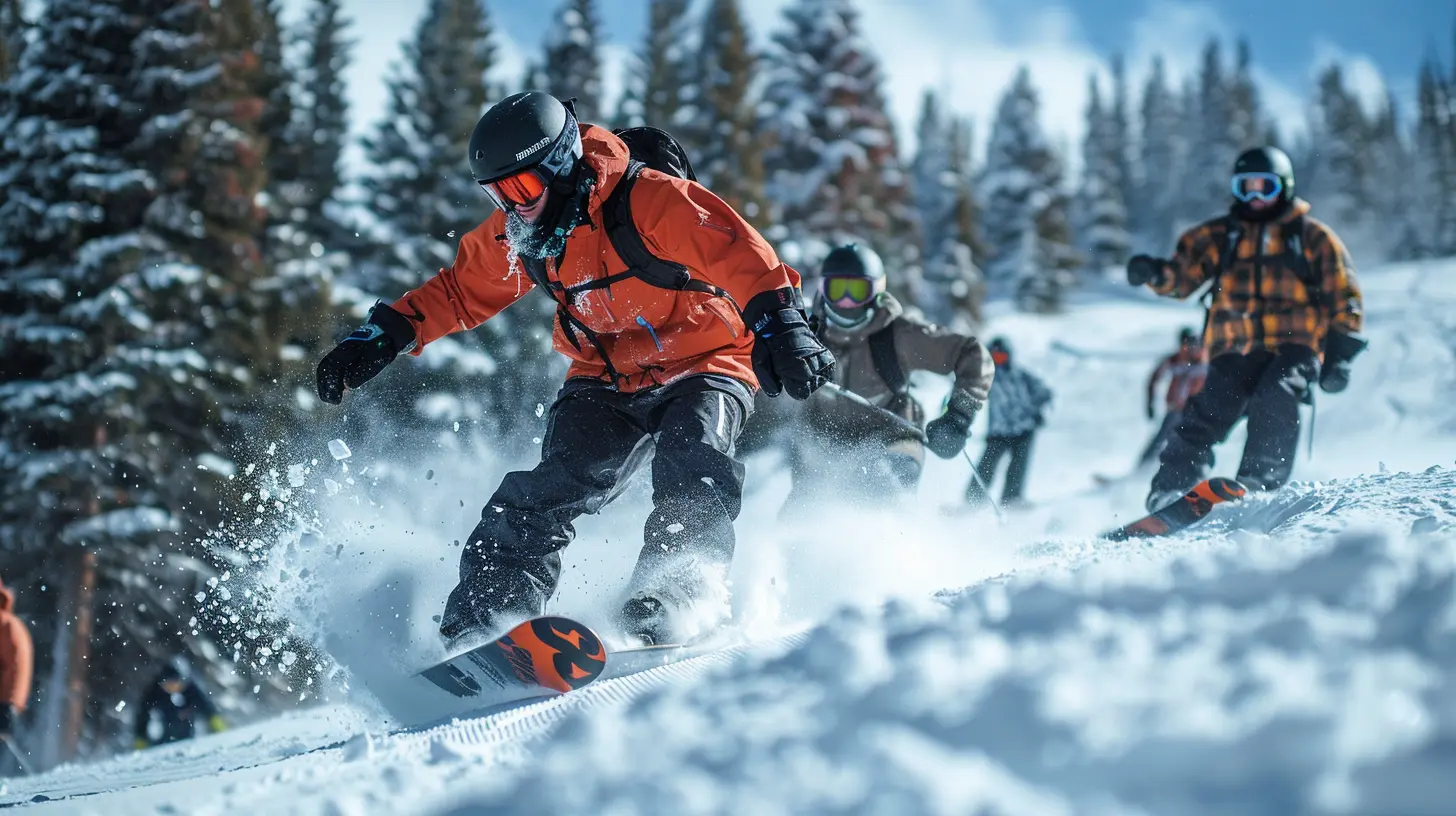
1. Common Snowboarding Injuries You Need to Know About
Before we dive into injury prevention, let’s talk about the types of injuries snowboarders face. Most injuries occur due to falls, improper landings, or collisions. Here are some of the most common ones:1.1. Wrist Injuries
Wrist fractures and sprains are among the most frequent snowboarding injuries. When you fall (and you will), your instinct will be to put your hands out to break the fall. Unfortunately, this puts a lot of stress on your wrists, leading to sprains or even fractures.1.2. Shoulder Dislocations & Fractures
A bad fall or an awkward landing can put intense pressure on your shoulders. Dislocated shoulders and collarbone fractures are common, especially when landing incorrectly after a jump.1.3. Concussions & Head Injuries
Snowboarding at high speeds increases the chance of head injuries. A hard fall or collision can lead to concussions, which can have serious long-term effects.1.4. Knee Injuries (ACL & MCL Tears)
Your knees take a lot of impact when snowboarding, particularly during jumps and landings. Torn ligaments like the ACL and MCL can be season-ending injuries.1.5. Ankle Sprains & Fractures
Ankles suffer when riders land jumps incorrectly or lose balance on uneven terrain. A common snowboarding-specific injury is the "snowboarder’s ankle," a fracture of the lateral talus bone.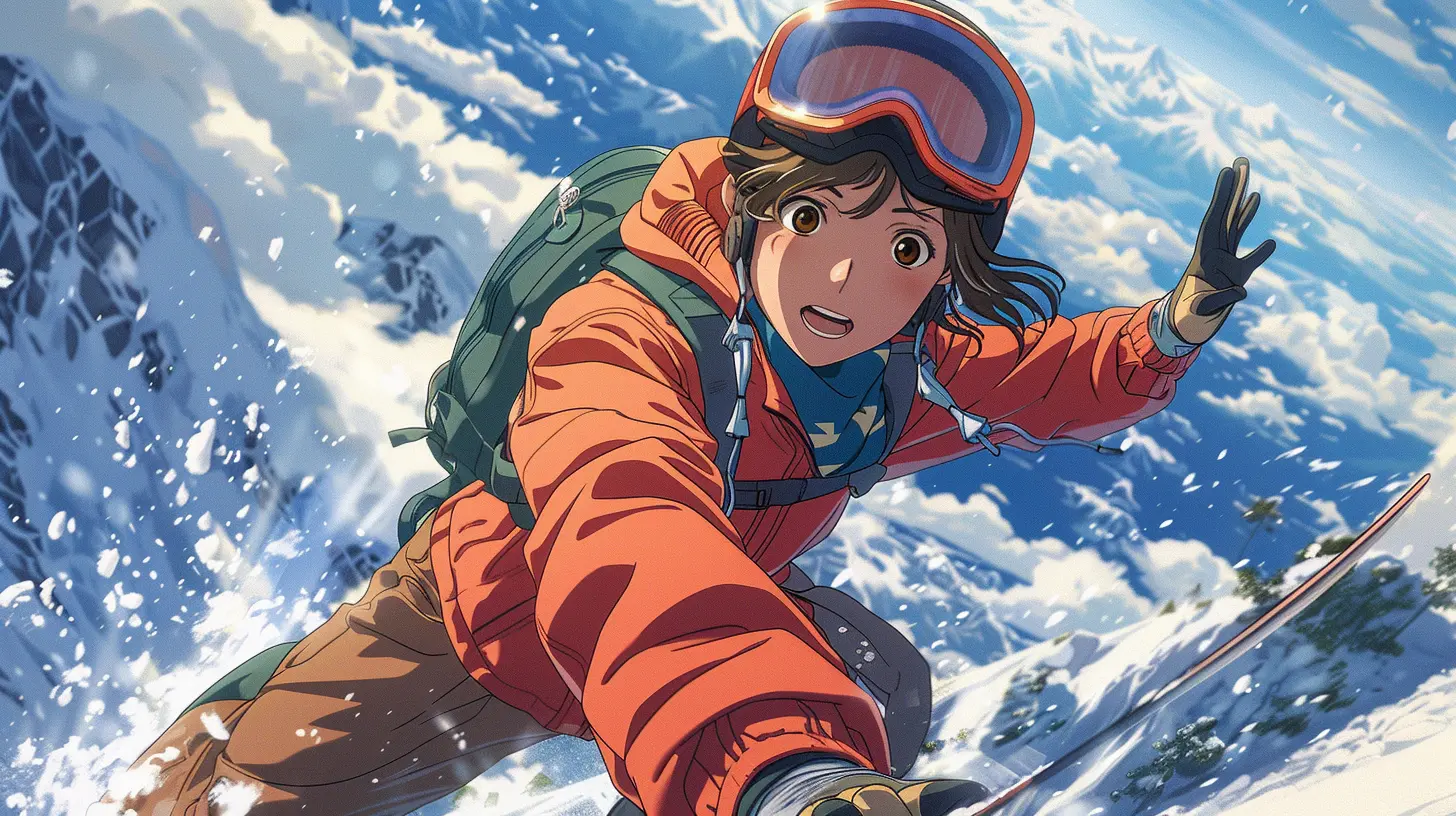
2. How to Stay Injury-Free on the Slopes
Now that we know what can go wrong, let’s talk about how to prevent these injuries. Snowboarding is all about control, awareness, and preparation.2.1. Wear Proper Protective Gear
If you ride without proper gear, you’re asking for trouble. Make sure you’re well-equipped with the essentials:- Helmet: Always wear a certified snowboarding helmet to protect against head injuries.
- Wrist Guards: They help absorb impact and reduce the chance of wrist fractures.
- Knee & Elbow Pads: Extra padding helps prevent bruises and fractures.
- Impact Shorts: These padded shorts protect your tailbone and hips from hard falls.
- High-Quality Boots: Well-fitted boots provide ankle support and reduce injury risks.
2.2. Warm Up Before Hitting the Slopes
You wouldn’t run a marathon without stretching first, so why start snowboarding without warming up? A proper warm-up increases blood flow to your muscles and improves flexibility. Try some dynamic stretches like leg swings, lunges, and torso twists before you strap in.2.3. Perfect Your Falling Technique
Falling is inevitable, but how you fall determines whether you’ll walk away unscathed or in pain. Here’s how to fall correctly:- Try to relax your body and avoid tensing up.
- Tuck your arms in to prevent wrist fractures.
- If possible, fall on your forearms and roll to distribute impact.
- Avoid landing on straight legs—bend your knees to absorb the shock.
2.4. Strengthen Your Core & Legs
Snowboarding requires a combination of balance, flexibility, and strength. The stronger your core and legs, the better your stability and control on the slopes. Incorporate exercises like:- Squats
- Lunges
- Planks
- Calf raises
- Balance board exercises
Building muscle strength helps prevent knee and ankle injuries by improving joint stability.
2.5. Ride Within Your Skill Level
Sure, you might dream of pulling off a massive 360 spin, but don’t push yourself too hard too soon. Ride within your ability—don’t attempt expert-level tricks or terrain until you’ve mastered the basics. Progress gradually and build confidence before tackling more challenging runs.2.6. Stay Aware of Your Surroundings
Collisions are one of the leading causes of injuries on the slopes. Stay alert and always follow these safety tips:- Look uphill before merging onto a trail.
- Follow the designated snowboarder and skier zones.
- Be mindful of beginners—avoid reckless riding.
- Communicate with others if you're stopping suddenly.
2.7. Check Your Equipment Regularly
Faulty equipment can lead to serious accidents. Before hitting the slopes, inspect your gear:- Check your bindings to ensure they’re secure.
- Make sure your boots fit properly and offer enough support.
- Keep your snowboard in good condition—sharp edges and a waxed base improve control.
A small equipment issue can quickly turn into a big problem if ignored, so always do a quick check before riding.
2.8. Take Breaks & Stay Hydrated
Fatigue increases the likelihood of accidents. If you’re feeling exhausted, take a break! Snowboarding pushes your limits, and dehydration can impact your coordination and reaction time. Carry a water bottle and sip throughout the day to keep your energy levels up.
3. What to Do If You Get Injured on the Slopes
Sometimes, despite all precautions, injuries happen. Here’s what to do if you or someone else gets hurt:- Assess the situation: If it’s a minor injury, rest and apply ice.
- Signal for help: In case of a serious injury, call ski patrol for assistance.
- Avoid moving a severely injured person: If you suspect a concussion, spine, or leg injury, wait for professional help.
- Listen to your body: Don’t try to “tough it out” if you’re in pain. Proper recovery is crucial to avoid long-term damage. 
4. Final Thoughts
Snowboarding is all about having fun, but safety should always come first. By wearing the right gear, riding smart, and taking care of your body, you’ll reduce the risk of injuries and enjoy a longer, injury-free season.So, before you hit the slopes, remember—stay in control, practice falling safely, and don’t ignore your limits. Now, grab your board, gear up, and carve those mountains like a pro!
all images in this post were generated using AI tools
Category:
SnowboardingAuthor:

Fernando Franklin
Discussion
rate this article
2 comments
Maris Robinson
Snowboarding is all about shredding, not shredding your ligaments! Remember, a helmet isn't just a fashion statement—it's your noggin's best friend. And when in doubt, channel your inner penguin: slide, tumble, but most importantly, always return to your feet. Stay frosty and injury-free, my snow-loving comrades!" 🏂❄️
December 15, 2025 at 3:38 AM
Fernando Franklin
Great tips! Staying safe is key—helmets and a playful mindset can make all the difference. Happy shredding! 🏂❄️
Holly McElveen
What a fantastic guide for shredding safely on the slopes! 🎿✨ Staying injury-free means more fun and less downtime. Can't wait to hit the snow with these tips in mind! Let’s enjoy those powder days and make unforgettable memories. Happy snowboarding, everyone! 🏂❄️
December 7, 2025 at 4:00 AM
Fernando Franklin
Thank you! I'm glad you found the guide helpful. Enjoy the slopes and stay safe! 🏂❄️