How to Develop Young Players Within a Tactical System
23 March 2026
Developing young players is one of the most rewarding but challenging parts of coaching football, or any team sport for that matter. Whether you’re working with a youth academy or coaching a grassroots team, teaching tactics is a long-term game. So, how do you mold raw talent into smart, tactically-aware players? How do you get them to think and move as a unit while still growing as individuals?
Let’s take a deep dive into how you can nurture young players within a tactical framework—without overwhelming them, killing their creativity, or turning the game into a robotic chess match.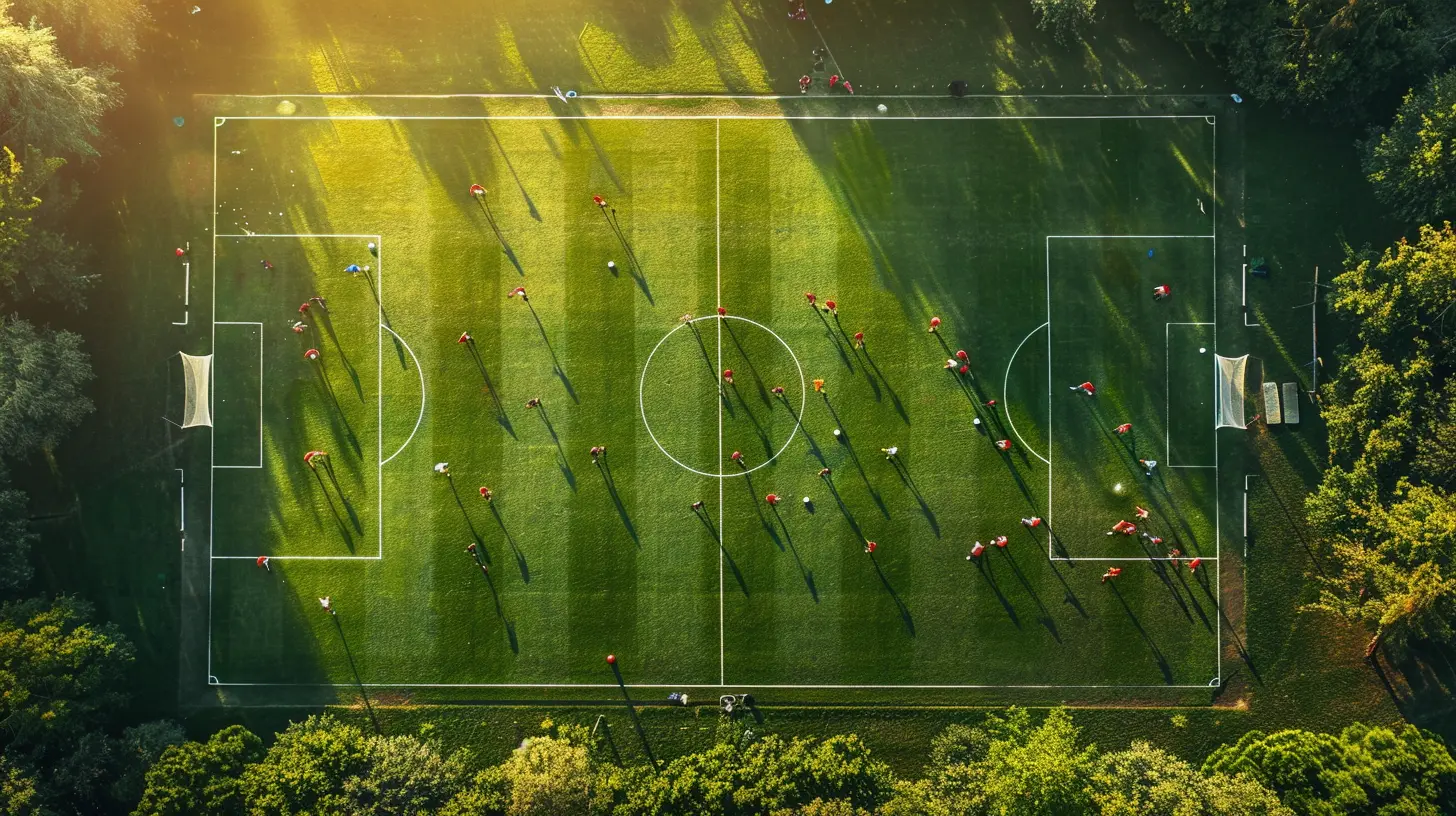
Why a Tactical System Matters for Youth Development
The term “tactical system” can sound intimidating—but don’t worry, we’re not talking about turning 12-year-olds into tactical geniuses overnight. A tactical system is just an organized structure that helps players understand positioning, movement, decision-making, and teamwork.It’s the foundation that allows individual skills to shine within a collective strategy.
Think of it this way: having dribbling skills is like owning a Ferrari, but a tactical system? That’s the road map. Without it, even the fanciest car won’t get you where you want to go.
Start With the Basics: Build the Player, Not Just the Position
Before we even start barking about formations and transitions, we need to focus on the individual. Young players need to master basic principles—technique, awareness, and game intelligence. These are the raw ingredients of any tactical system.Technical Proficiency Comes First
If a player can’t control the ball, pass under pressure, or turn their head before receiving a pass, no amount of tactical talk will help. Encourage repetition. Play fun skill-based games. Make drills game-realistic. Keep it light. Let them fall in love with the ball.Game Intelligence Over Memorized Movements
Tactical development is about creating thinkers, not robots. Ask questions:- “Why did you pass there?”
- “What other options did you have?”
- “What if you had waited a second longer?”
Let them see the game as a puzzle to be solved, not a script to follow.
Age-Appropriate Tactical Concepts
Let’s keep it real: you shouldn’t be throwing full-blown counter-pressing systems at 10-year-olds. Tactical development must evolve with a player's age and maturity. Here's a rough guideline to help:Ages 7–10: Introduce Basic Principles
- Spacing- Support play
- Defensive shape (stay compact, don't chase blindly)
- Positional awareness
At this stage, play small-sided games. These naturally teach spacing, angles, and decision-making.
Ages 11–13: Build Phase Play and Roles
- Simple formations (e.g., 4-3-3, 3-2-1 in 7-a-side)- Roles and responsibilities in different phases (attack, defense, transition)
- Start connecting decisions with outcomes
Now’s the time to add layers. One step at a time.
Ages 14–17: Introduce Complex Systems
- Pressing triggers- Rotations
- Zonal defending
- Game management
- Decision-making under tactical constraints
This is where you really begin sharpening the football brain. Here, you’re building players who understand cause and effect in-game scenarios.
Teach Roles, Not Just Positions
One of the most common coaching mistakes? Locking kids into fixed positions too early. Let me be blunt—it’s a development killer.Yes, having structure is important, but young players should be exposed to multiple roles on the pitch. Why? Because roles teach responsibilities, and responsibilities build understanding.
Rotate Positions Early
Make your winger play fullback. Let your striker try defensive midfield. It may feel chaotic, but you're building well-rounded footballers who think beyond their own boots.Emphasize Role Over Spot
Instead of saying, “You’re a central midfielder,” try, “You’re the connector. You help link defense and attack. You support and cover.” See the difference?Use Small-Sided Games to Reinforce Tactical Concepts
Small-sided games are the ultimate cheat code for youth tactical development. Why? Because there’s less space, more touches, and frequent decisions. It's like cramming 90 minutes of learning into 20.Tailor Them to the Tactical Theme
If you're working on pressing, set up a 4v2 with a two-touch rule. Want to work on switching play? Run a 6v6 with wide zones that award double points for goals after a switch.Encourage Constant Communication
Make talking part of the game. Shouting “man on,” “time,” or calling for the ball develops awareness and unites the team. Communication is the nervous system of any tactical system.Develop Tactical Understanding Through Video and Visualization
Kids today are visual learners. You’ve got a smartphone. They’ve got screens. Use it.Watch Game Footage
Break down clips of pro matches showing your tactical concept in action. Pause, discuss, rewind.You can also film your own sessions and review them together. Seeing themselves in action bridges the gap between theory and application.
Use Diagrams and Tactical Boards
A simple whiteboard can go a long way. Visual aids help illustrate movement patterns, shape shifts, and positional adjustments.Don’t overcomplicate it. Keep it neat, clean, and interactive.
Balance Structure With Creativity
This one is essential.A tactical system should support creativity, not smother it. Give them structure, then allow freedom within that structure.
Create “Free Zones”
Design parts of the field where players have permission to improvise, try a skill move, or take a risk.Think of it like jazz. There's a rhythm to follow, sure—but riffs are encouraged.
Praise Smart Risk
Reward players who break the script to make something happen. It shows they’re seeing the game—not just playing it.Prioritize Game Scenarios Over Drills
Let’s be honest—nobody got excited by cone drills. Instead of isolated training, use mini-game scenarios that mimic real match situations. For example:- 5v4 counter-attacks
- 3v3 recovering after losing possession
- Defending a corner, then transitioning into attack
These are what I call “pressure cookers.” Not only do they speed up tactical thinking, but they also teach young players to read the rhythm of real games.
Be Patient—Tactical Understanding Takes Time
This isn't a one-week project. Tactical growth is a slow burn, especially with younger players. Some will grasp it quickly; others will take longer. And that’s okay.Avoid Information Overload
A golden rule? Teach one concept at a time. Want to coach high pressing? Don’t also teach zonal defending on the same day.Let ideas breathe. Revisit them often. Build layer by layer.
Reinforce Through Repetition
The best tactical teams don't have hundreds of plays—they master a few key ideas and repeat them until they become habits.Create muscle memory, both in the feet and the brain.
Coach the Person, Not Just the Player
We can’t ignore the human side of coaching. Young players are dealing with growth spurts, school stress, confidence swings—you name it.Build Relationships
Players are more receptive when they trust you. That means knowing their names, understanding their personalities, and being approachable.Develop Leaders, Not Just Followers
Encourage players to step up—ask them to lead warm-ups, explain a tactical concept, or give feedback during sessions.Leadership is a tactical trait too.
Involve Parents the Right Way
Parents can be powerful allies or confusing distractions.Set Clear Expectations
Let them know your focus is long-term development, not just short-term wins. Share your tactical goals for the season. When everyone’s on the same page, things run smoother.Teach Through Transparency
Invite them to a session. Show them what “build-up play” or “compact defending” looks like—so they know why their kid isn’t “just running around.”Final Thoughts
Teaching young players to thrive within a tactical system isn’t about reinventing the playbook—it’s about consistency, communication, and care. Start with strong fundamentals. Layer on tactical ideas thoughtfully. Mix in fun and freedom. Give it time.Remember, it’s not about turning 12-year-olds into Pep Guardiola protégés. It’s about giving them a toolbox—so when they grow, they don’t just kick the ball… they understand the game.
And if you’ve made it this far, you’ve already shown you care enough to develop the future of the sport the right way. So keep going. The next great football mind might just be on your training ground, waiting for a coach like you to unlock it.
all images in this post were generated using AI tools
Category:
StrategyAuthor:

Fernando Franklin
Discussion
rate this article
2 comments
Pearl Cooper
Developing young players is like gardening—nurture their talents, provide the right environment, and watch them flourish! Let’s turn those budding stars into tactical superstars one practice at a time!
April 14, 2026 at 12:00 PM
Eliza McLaury
Unlocking potential lies in the shadows; strategy shapes futures, but secrets remain hidden.
March 24, 2026 at 11:31 AM
Fernando Franklin
Thank you for your insightful comment! Indeed, unlocking potential often requires a blend of strategic planning and understanding the nuances that remain unseen.