How to Manage Weight Without Losing Strength: Nutrition Tips for Athletes
17 February 2026
Staying at the top of your game isn’t just about training hard—it’s also about fueling your body the right way. Athletes often face a tricky challenge: how to manage weight without losing strength. Whether you’re cutting weight for a competition or maintaining an optimal physique for performance, the goal is to shed fat without sacrificing power.
The good news? It’s entirely possible! With the right nutrition plan, you can lose fat, maintain muscle, and keep your strength intact. Let’s break it down step by step. 
Why Weight Management Matters for Athletes
Your weight plays a big role in athletic performance. If you're too heavy, you might feel sluggish. Too light? You might lose power and endurance. Striking the right balance helps you stay agile, strong, and at peak performance.However, the biggest mistake athletes make when trying to manage weight is cutting calories too aggressively. Sure, you’ll lose weight, but you might also lose muscle mass—and that’s the last thing you want. The key is to create a sustainable approach that allows fat loss while preserving lean muscle. 
The Right Way to Reduce Calories Without Losing Strength
Cutting calories is necessary for weight loss, but slashing them too much can backfire. Instead of drastically reducing your intake, aim for a small, controlled calorie deficit—about 300 to 500 calories per day. This ensures slow, steady fat loss while keeping muscle intact.How to Find Your Ideal Calorie Intake
1. Calculate Your Basal Metabolic Rate (BMR) – This is the number of calories your body burns at rest.2. Factor in Your Activity Level – Athletes burn more calories, so account for training sessions.
3. Create a Small Deficit – Reduce calories slightly to encourage fat loss without depleting energy.
By eating just a little less than what you burn, you encourage fat loss while protecting muscle and strength. 
Prioritize Protein to Preserve Muscle
When it comes to maintaining strength, protein is your best friend. Protein keeps your muscles from breaking down and helps with recovery after workouts.How Much Protein Do Athletes Need?
Experts suggest that athletes aiming to maintain muscle while losing fat should consume about 1.6–2.2 grams of protein per kilogram of body weight. That means:- A 70 kg (154 lb) athlete should shoot for 112–154 grams of protein per day.
- A 90 kg (198 lb) athlete should aim for 144–198 grams of protein per day.
Best Protein Sources for Strength Maintenance
- Lean meats – Chicken, turkey, lean beef- Fish – Salmon, tuna, cod
- Eggs – Whole eggs and egg whites
- Dairy – Greek yogurt, cottage cheese
- Plant-based options – Tofu, tempeh, lentils
Distribute your protein intake throughout the day to maximize muscle recovery and retention. 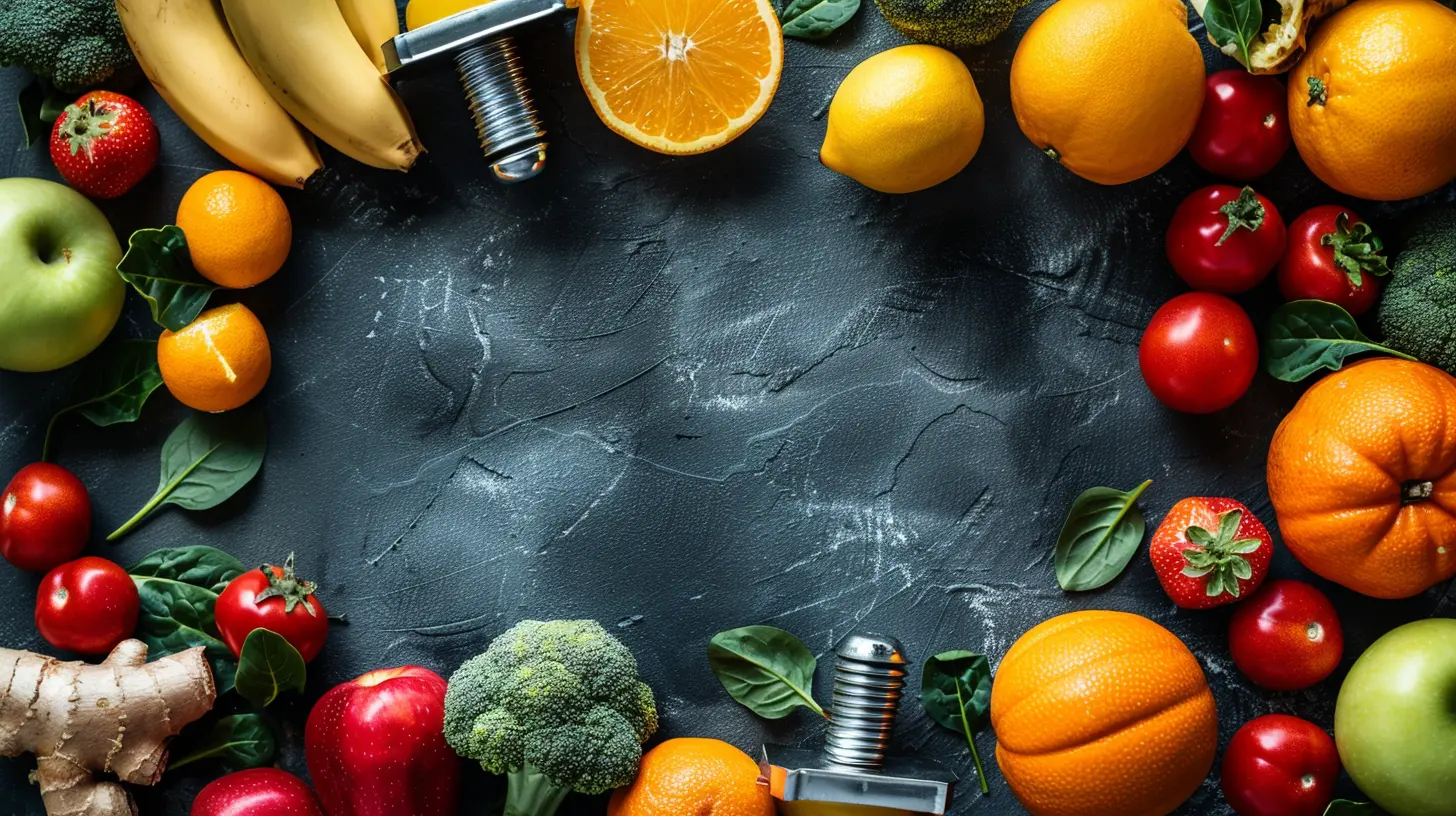
The Role of Carbs in Maintaining Strength
Carbs often get a bad reputation, but they’re essential for athletes. They fuel your workouts, support recovery, and prevent muscle breakdown.Best Carbohydrates for Athletes
- Complex Carbs – Brown rice, quinoa, whole wheat bread, oats- Starchy Vegetables – Sweet potatoes, potatoes, squash
- Fruits – Bananas, berries, apples
The key is timing. Eat most of your carbs around your workouts—before for energy and after for recovery. This helps fuel your performance while avoiding unnecessary fat gain.
Healthy Fats for Hormonal Balance and Strength
Fats are often misunderstood, but they are crucial for hormone production, including testosterone, which plays a key role in muscle maintenance.Best Fats for Athletes
- Avocados – Packed with healthy monounsaturated fats- Nuts & Seeds – Almonds, walnuts, chia seeds, flaxseeds
- Olive Oil – Great for cooking or drizzling over meals
- Fatty Fish – Salmon, mackerel, sardines for omega-3s
Aim to get 20–30% of your daily calories from healthy fats to keep your hormones in check and support overall performance.
Hydration: The Secret Weapon for Fat Loss and Strength
Your muscles are made up of nearly 75% water, and dehydration can lead to weakness, fatigue, and even muscle loss.How Much Water Do Athletes Need?
- At least 3 liters (100 oz) per day for most athletes- More if training intensely or in hot conditions
Signs You’re Not Drinking Enough Water
- Fatigue- Muscle cramps
- Headaches
- Slow recovery
To stay on top of hydration, sip water throughout the day, and add electrolytes if needed—especially after intense workouts.
Meal Timing for Maximum Strength and Fat Loss
When you eat is just as important as what you eat. Strategic meal timing helps maintain energy levels and muscle mass.Pre-Workout Nutrition
- Food: Lean protein + complex carbs (e.g., chicken and brown rice)- Timing: 1.5–2 hours before training
Post-Workout Nutrition
- Food: Fast-digesting protein + carbs (e.g., whey protein shake + banana)- Timing: Within 30 minutes after training for optimal recovery
Before Bed
- Food: Casein-rich foods (e.g., cottage cheese, Greek yogurt)- Why? Slow-digesting protein helps prevent muscle breakdown overnight.
Supplements That Can Help Without Sacrificing Strength
While whole foods should always come first, supplements can help fill gaps in your diet.Best Supplements for Strength & Fat Loss
- Whey Protein – Easy way to hit daily protein goals- Creatine Monohydrate – Supports strength and muscle retention
- BCAAs (Branched-Chain Amino Acids) – Helps preserve muscle when training in a calorie deficit
- Fish Oil (Omega-3s) – Supports muscle recovery and reduces inflammation
Supplements are just the icing on the cake—focus on whole foods first.
Common Mistakes Athletes Make When Managing Weight
Even with the right intentions, athletes often make mistakes when trying to lose weight without losing strength. Avoid these pitfalls:1. Cutting calories too aggressively – Leads to muscle loss and sluggish performance.
2. Skipping protein – Muscle needs protein to stay intact.
3. Avoiding carbs altogether – Leaves you fatigued and weak.
4. Neglecting fats – Can impact hormone levels and recovery.
5. Not hydrating properly – Leads to cramping, exhaustion, and poor performance.
Managing weight isn’t about starving yourself—it’s about making smart, sustainable choices.
Final Thoughts: Stay Lean, Stay Strong
Losing fat while keeping your strength is an art and a science. It’s all about smart nutrition, consistent training, and patience.- Eat enough protein to maintain muscle.
- Use a small calorie deficit to avoid muscle loss.
- Time your meals wisely for optimal energy.
- Stay hydrated to keep performance high.
Weight management is a long-term game, not a quick fix. Follow these strategies, and you’ll stay strong, fit, and ready to dominate your sport.
all images in this post were generated using AI tools
Category:
Sports NutritionAuthor:

Fernando Franklin
Discussion
rate this article
2 comments
Uriel Kane
Great article! Balancing nutrition and strength is essential for athletes. Your tips are practical and inspiring. I appreciate the emphasis on proper fueling without sacrificing performance. Thank you!
March 31, 2026 at 3:08 AM
Fernando Franklin
Thank you for your kind words! I'm glad you found the tips helpful. Proper fueling is key for athletes, and it's great to see that resonating with readers.
Archer McFarlin
Managing weight while maintaining strength is essential for athletes. Prioritizing nutrient-dense foods, balancing macronutrients, and timing meals around training can optimize performance. Hydration and mindful eating further support weight management without compromising strength. Consistency is key for long-term success.
February 20, 2026 at 5:27 AM
Fernando Franklin
Thank you for your insightful comment! I completely agree—balancing nutrition, hydration, and meal timing is crucial for athletes aiming to maintain strength while managing weight. Consistency truly makes all the difference!