How to Read the Game Like a Pro: Intelligence and Awareness on the Field
15 February 2026
When you watch elite athletes in action, it’s almost like they have a sixth sense. They always seem to be one step ahead, making perfect decisions in the blink of an eye. But here’s the thing—this isn’t magic or luck. It’s game intelligence, and the good news? You can develop it too.
Whether you’re playing soccer, basketball, football, or any other sport, reading the game is what separates the good players from the great ones. If you want to elevate your game to the next level, you need more than just physical skills—you need sharp awareness, quick thinking, and the ability to anticipate what happens next.
So, how do you train your brain to read the game like a pro? Let’s dive in. 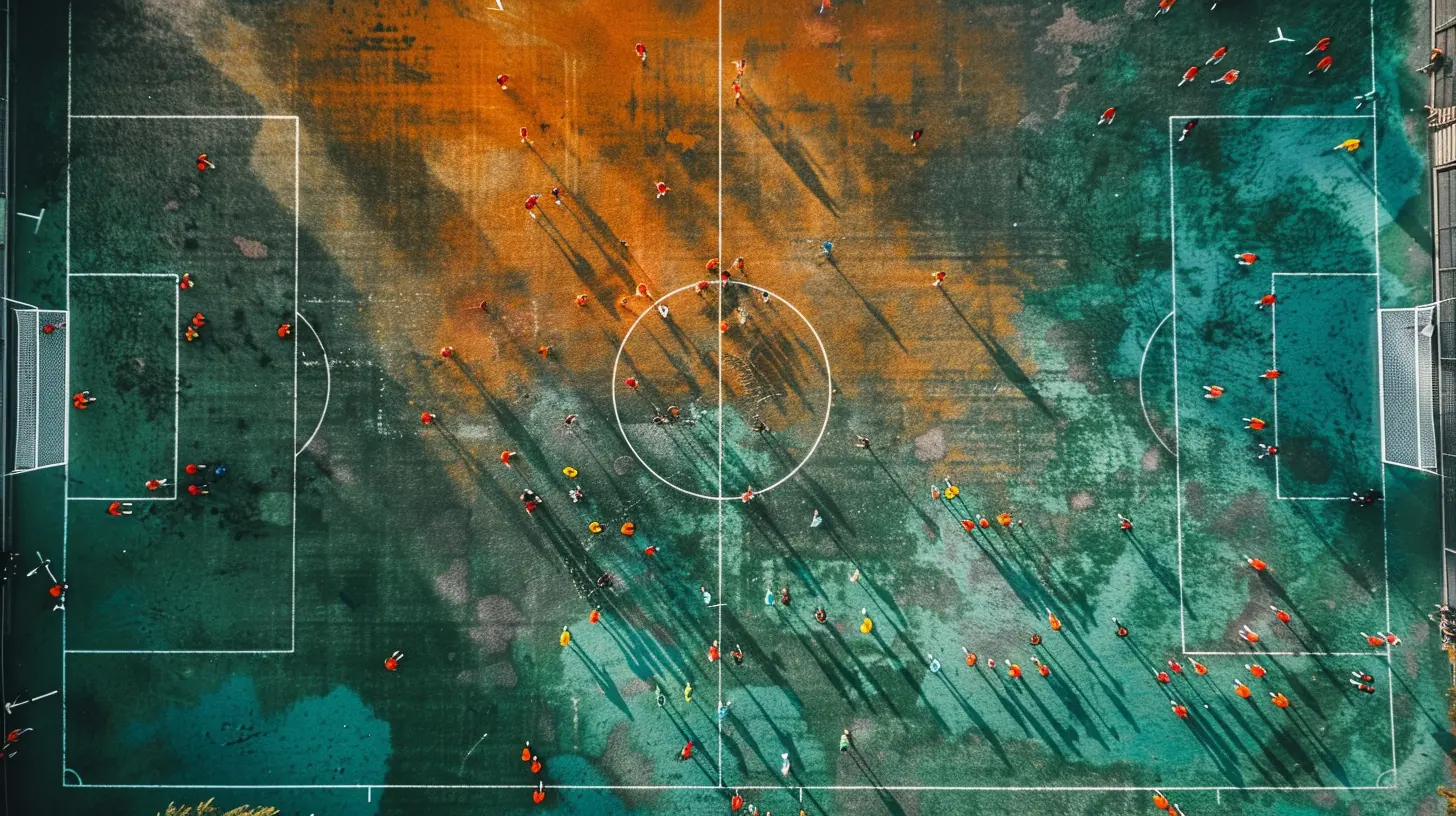
The Importance of Game Intelligence
Game intelligence isn't just about knowing the rules or executing plays flawlessly. It’s about understanding the flow of the game, predicting your opponent’s moves, and making fast, effective decisions under pressure.Think of sports as a chess match. The best players are always thinking two or three steps ahead. They recognize patterns, anticipate movements, and act before the play unfolds. This ability gives them an edge over opponents who are simply reacting in the moment.
Want to sharpen your game intelligence? You need to develop three key skills: awareness, anticipation, and decision-making. 
1. Developing Field Awareness
Awareness is the foundation of reading the game. Great players don’t just focus on the ball—they see the entire field, including their teammates, opponents, and open space.Keep Your Head Up
One of the biggest mistakes amateur players make is staring at the ball too much. When your head is down, you miss everything happening around you. The best players constantly scan the field, looking for passing options and anticipating defensive pressure.A simple drill? Challenge yourself to take quick glances up while dribbling or moving without the ball. The more you train your brain to process your surroundings quickly, the better your awareness will become.
Use Peripheral Vision
You don’t always have to turn your head completely to see what’s happening. Great athletes use their peripheral vision to track movements while keeping their focus forward. This allows them to react faster without losing sight of the game.Learn Positioning & Spacing
Understanding spacing is critical. If you’re cramped in a bad position, you limit your options. The best players always move to the right spots, creating passing lanes and making it easier for teammates to find them.Watch how top players position themselves off the ball. They are constantly adjusting their movement to stay in dangerous attacking positions or to close down space defensively. 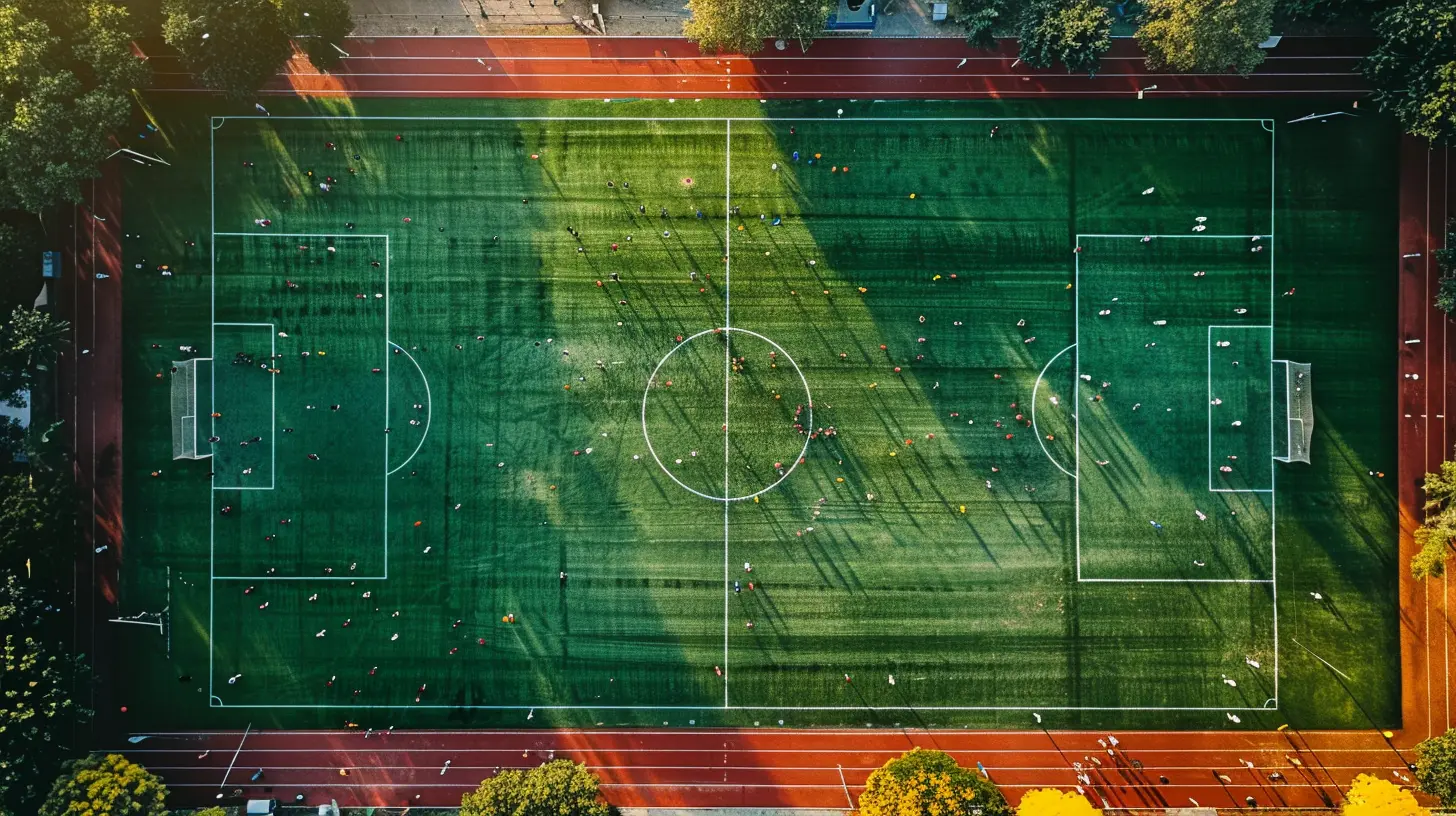
2. Mastering Anticipation and Reading Opponents
Reading the game is all about anticipation. Instead of reacting to what just happened, you need to predict what’s about to happen.Understand Opponent Patterns
Every team and player has tendencies. Some players always favor a certain move—maybe they always go right when dribbling or always pass under pressure. If you can pick up on these patterns, you’ll know what’s coming before they even make their move.Pay attention to how teams set up their plays. Do they always attack from the wings? Do they look for a key player to distribute the ball? The more you recognize patterns, the easier it becomes to anticipate and react appropriately.
Read Body Language
A player’s body language reveals a lot. Are they leaning to one side? Are their eyes locked onto a passing option? Are they tightening up under pressure? These small details can tell you exactly what they’re about to do next.Top defenders, for example, don’t wait for an opponent to make a move; they read subtle cues and step in before the play even develops. The same applies to offensive players—if you can predict how a defender will react, you can stay one step ahead. 
3. Improving Decision-Making Under Pressure
Being aware and anticipating plays is useless if you can’t make the right decisions when it matters. The ability to think quickly under pressure is what sets elite athletes apart.Slow the Game Down in Your Mind
The best players make the game look effortless because they process information quicker than everyone else. To improve your decision-making, you need to train your brain to stay calm and think fast.One trick? In practice, put yourself in pressure situations where you have to make quick choices. Play small-sided games where you have limited time on the ball. This forces you to process options faster and develop composure under pressure.
Keep It Simple
A common mistake is overcomplicating decisions. The smartest players don’t always go for flashy moves—they make the right decision at the right time.When in doubt, go for the safest, most effective play. That doesn’t mean playing conservatively all the time, but it does mean understanding when to take risks and when to keep possession.
Learn from Mistakes
Every player makes bad decisions—it’s part of the game. But the best players constantly analyze their mistakes and learn from them.Instead of getting frustrated, ask yourself:
- What could I have done differently?
- Did I miss an open teammate?
- Was there a better passing option?
By reviewing your plays (even mentally after the game), you’ll start to recognize patterns and make better choices in the future.
4. Watching and Studying the Game Like a Pro
One of the easiest ways to improve your game intelligence? Watch the best players in action.Analyze Professional Matches
Watching sports as a fan is different from watching as a student of the game. Instead of just enjoying the highlights, focus on how players move, how they position themselves, and when they make decisions.Pick a player in your position and study them closely. How do they scan the field? When do they release the ball? What patterns do they follow? The more you break down their game, the more you can apply it to your own.
Review Your Own Games
If possible, watch recordings of your games. Seeing yourself play gives you a whole new perspective—you’ll notice missed opportunities, poor positioning, and areas where you can improve.Top athletes constantly review their performances, adjusting and improving every game. If you want to develop pro-level awareness, make game analysis a habit.
5. Practicing Mental Sharpness Off the Field
Game intelligence isn’t just developed on the field—it starts in the mind.Play Strategy Games
Believe it or not, games like chess and video games that require tactical thinking can sharpen your decision-making skills. These games train your brain to anticipate moves, recognize patterns, and think ahead—all essential skills for reading the game.Train Your Reaction Time
Quick decision-making requires fast reactions. Simple drills like reaction-based workouts (such as catching a ball off a rebound quickly or reacting to a coach’s signals) can help improve your reflexes and processing speed.Stay Mentally Engaged
Before stepping onto the field, take a few moments to visualize the game. Picture yourself making the right passes, reading the opponent, and positioning yourself correctly. This mental preparation can translate directly into better in-game awareness.Final Thoughts
Reading the game like a pro doesn’t happen overnight. It takes practice, patience, and a deep understanding of movement, patterns, and decision-making.The best players don’t just rely on their physical skills—they train their minds just as much as their bodies. By improving your awareness, anticipation, and decision-making, you’ll find yourself always one step ahead on the field.
So, next time you play, don’t just chase the ball. Keep your head up, scan the field, read your opponents, and make intelligent decisions. Before you know it, you’ll start seeing the game in a whole new way.
all images in this post were generated using AI tools
Category:
SoccerAuthor:

Fernando Franklin
Discussion
rate this article
2 comments
Sienna McInnes
Reading the game is more than anticipating plays; it’s about understanding the rhythm of the sport, recognizing patterns, and adapting instinctively. True intelligence on the field lies in a player’s ability to harmonize with teammates, foresee opponents’ moves, and transform awareness into decisive action—elevating strategy to art.
March 27, 2026 at 3:33 AM
Fernando Franklin
Absolutely. Mastering the game's rhythm and adapting on the fly can turn a good player into a great one. It's all about that instinctive connection with the game and teammates.
Alanna Morgan
Great insights! Emphasizing situational awareness truly enhances decision-making. Can't wait to apply these tips!
February 19, 2026 at 4:17 AM
Fernando Franklin
Thank you! I'm glad you found the insights valuable. Excited to see how you apply them on the field!