How to Use Foam Rolling to Reduce the Risk of Injury
2 March 2026
If you've ever seen athletes rolling around on the floor with a weird-looking tube and wondered, “What is that even doing for them?”, you’re not alone. That magical tube is a foam roller—and yes, it’s more than just a trendy gym accessory. Foam rolling has become a staple in the fitness world, and for good reason. It’s one of the simplest, most affordable tools you can use to help your body move better, feel better, and stay injury-free.
In this guide, we’re going to break down exactly how to use foam rolling to reduce the risk of injury. Whether you’re a seasoned runner, a gym junkie, or just someone trying to stay active without pulling a muscle every other week, this is for you.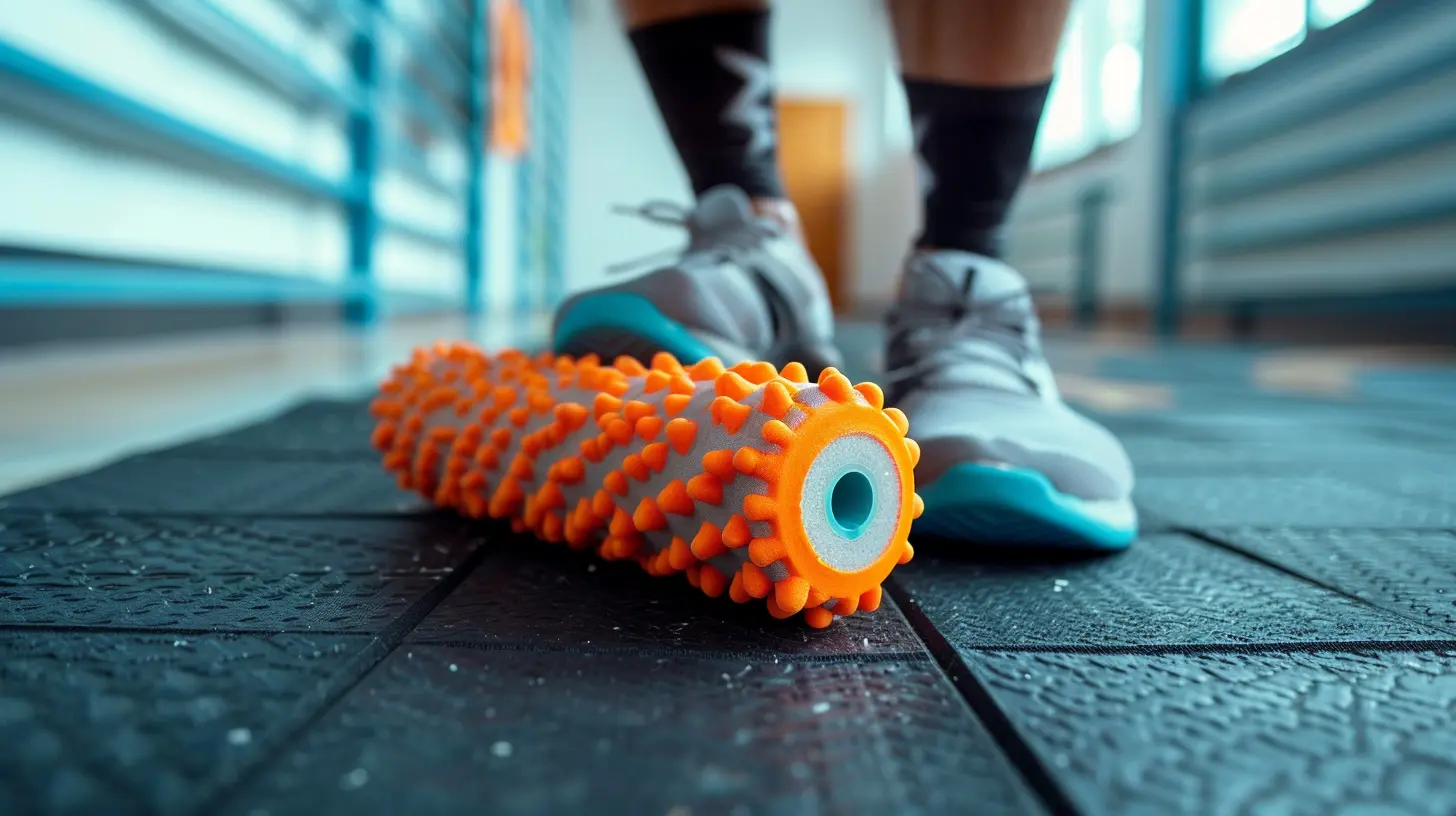
What Even Is Foam Rolling?
Let’s start with the basics. Foam rolling is a form of self-myofascial release (SMR). Sounds technical, right? But it's not as complicated as it sounds. "Myofascial" refers to the connective tissue (fascia) that surrounds your muscles. Over time, from workouts, long days at work, poor posture, or being a weekend warrior, these tissues can get stiff, tight, and full of knots (literally).Foam rolling helps you "iron out" these trouble spots by applying gentle pressure to specific areas of your body. Think of it like giving yourself a deep tissue massage—except you’re in control and it costs way less than booking an appointment.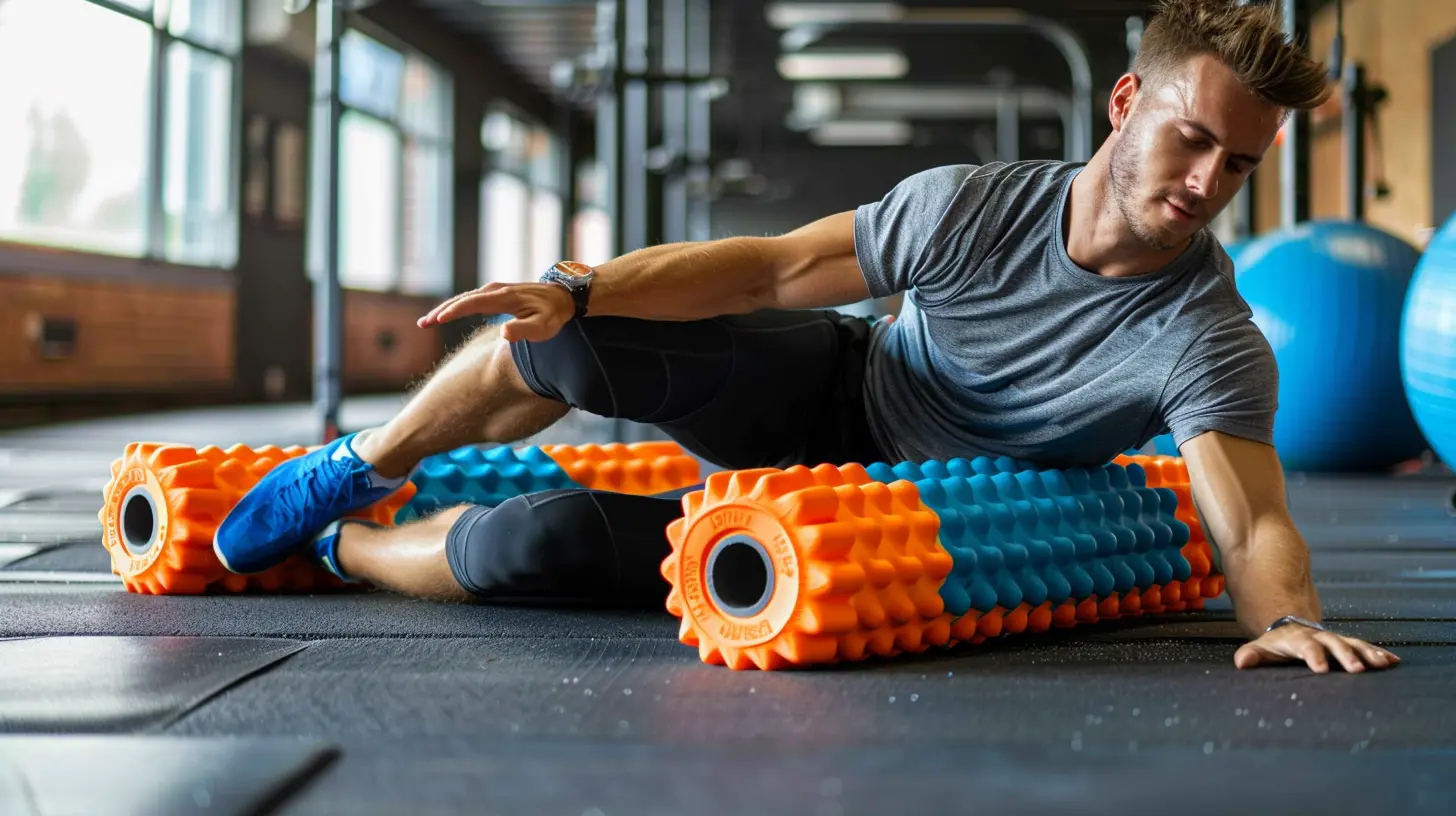
Why Athletes Swear by Foam Rolling
Athletes across all sports swear by foam rolling, and it’s not just hype. Studies have shown that consistent foam rolling can help:- Increase flexibility and range of motion
- Reduce muscle soreness post-workout
- Improve blood flow
- Decrease recovery time
- Prevent injury by keeping tissues healthy and mobile
So, if you want your muscles to perform at their best and avoid tweaking something mid-squat or mid-sprint, integrating foam rolling into your routine is a no-brainer.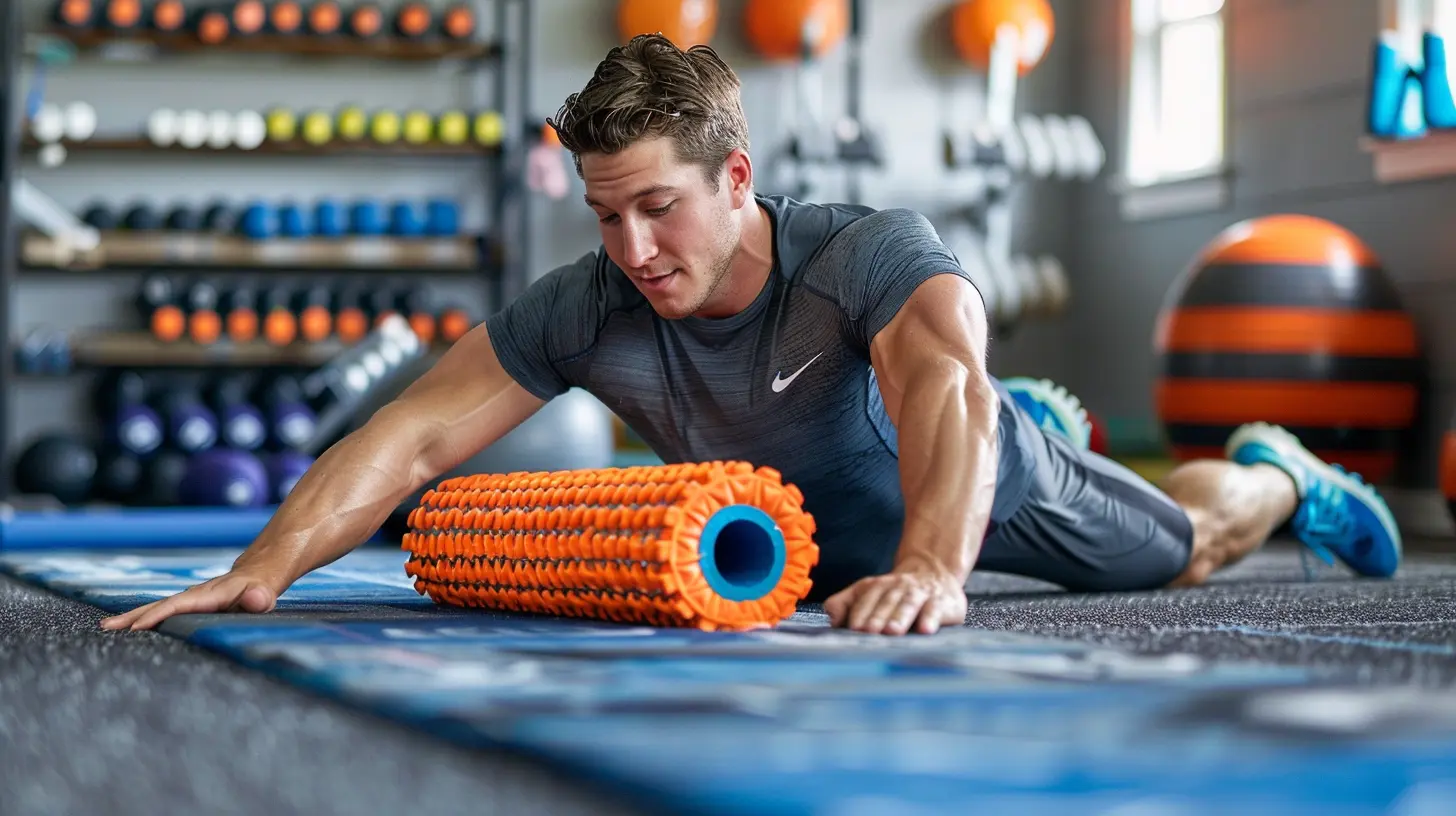
The Injury Risk Connection
Let’s get real for a second: injuries are the worst. A pulled hamstring, a nagging IT band, or even something minor like tight calves can sideline you for days or weeks. Foam rolling helps minimize the chances of those injuries happening in the first place.Here’s how:
- Breaks down adhesions: These are those annoying knots and tight spots that don’t let your muscles move the way they’re supposed to.
- Restores muscle balance: When one muscle gets tight, it can throw off your entire movement pattern. Foam rolling helps restore balance so your body moves efficiently.
- Improves mobility: Ever feel like the Tin Man during a warm-up? Rolling helps your joints move more freely, which makes your movements safer and smoother.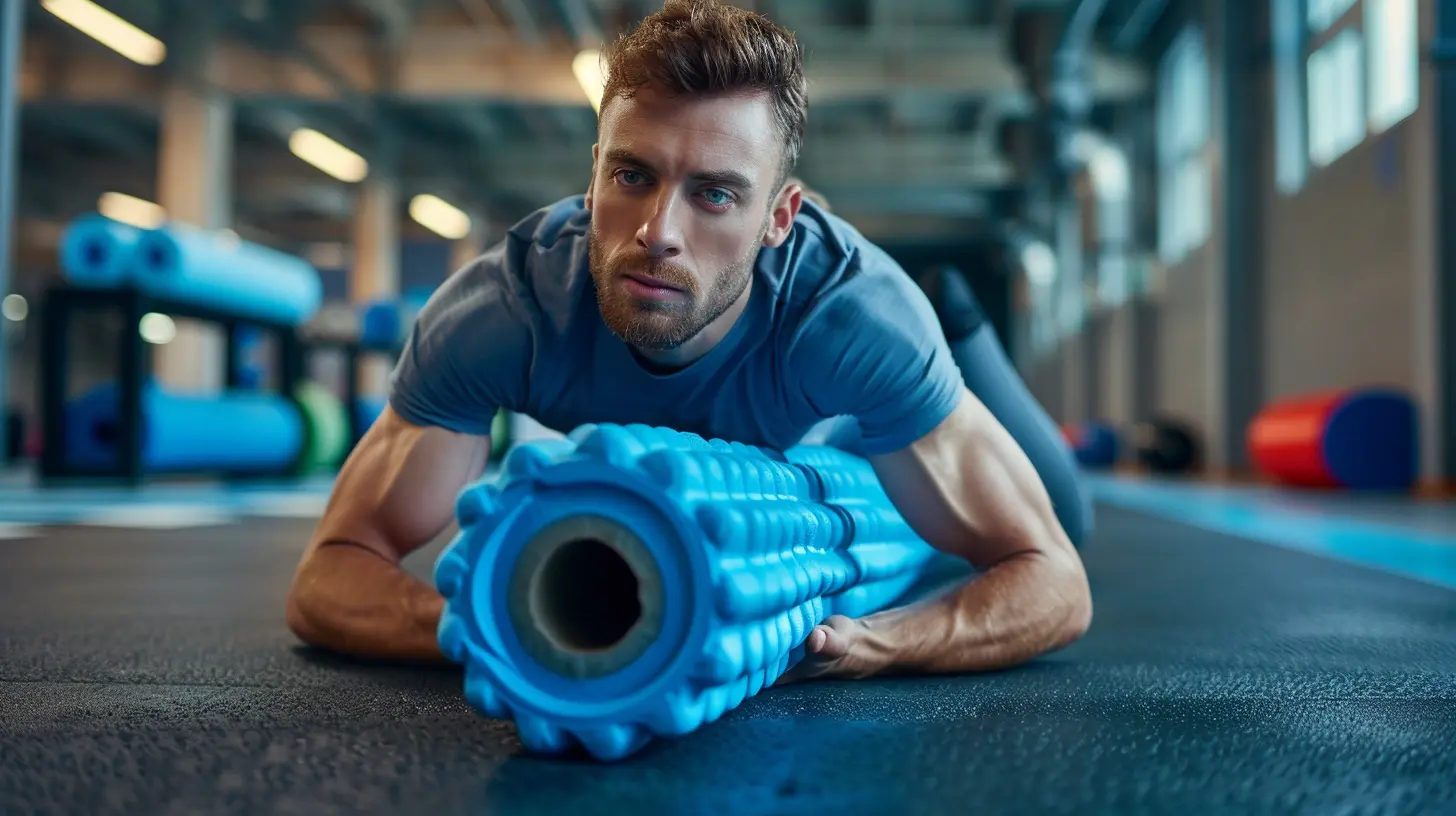
When Should You Foam Roll?
Alright, let’s talk timing. There's a bit of confusion around when to use a foam roller—before or after a workout? The truth is, both can be beneficial, just in different ways.1. Before a workout
Foam rolling before exercise helps "wake up" the muscles and get blood flowing. It prepares your tissue for movement, acting like a dynamic warm-up.Tip: Pair this with some light dynamic stretches. You’ll feel looser and more agile before you even start your actual workout.
2. After a workout
Post-workout is prime time to show your muscles some love. Rolling after exercise can reduce delayed onset muscle soreness (DOMS), helping you recover faster and move better the next day.Bonus: Foam rolling after a workout is also super relaxing. It’s like dessert for your muscles.
How to Use a Foam Roller Like a Pro
If you’re new to foam rolling, it might feel awkward or even a little painful at first. But don’t worry—there’s a right way to do it. Let’s walk through the step-by-step basics:1. Pick the Right Foam Roller
Not all foam rollers are created equal. Some are smooth, while others have ridges or lumps designed for deeper pressure. If you’re just starting out, go with a medium-density smooth roller. Save the textured ones for later when your muscles are more used to the sensation.Quick tip: If it feels like you're rolling on a rock, it's probably too firm for you right now.
2. Target the Right Areas
Foam rolling isn’t just about aimlessly flopping around on the floor. Focus on key muscle groups that are prone to tightness or overuse:- Calves
- Quads
- Hamstrings
- Glutes
- IT band (side of the thigh - go easy here)
- Upper back (avoid the lower back)
3. Roll Slowly and Intentionally
The key is to go slow. No need to rush through it like you're late for something. Spend about 30–60 seconds on each muscle group. When you find a tender spot (and you will), pause there for a few seconds and breathe through the tension.It might hurt a little—but not in a “something’s wrong” pain way. It should be the kind of discomfort that feels like progress. Think “hurts so good.”
Foam Rolling Mistakes to Avoid
Now that we’ve covered the basics, let’s talk about what NOT to do. Yes, foam rolling works—but only if you’re doing it right. Here are some mistakes to watch out for:1. Rushing Through It
Slow and steady wins the race here. Rolling too fast doesn’t give your muscles enough time to release the tension.2. Rolling Directly on Painful Spots
If something feels really painful, don’t just roll directly over it. You might be irritating an inflamed area. Instead, roll around it and work your way in gently.3. Ignoring Your Breath
Holding your breath while rolling? Big mistake. Deep breathing helps relax your nervous system and allows the muscle to let go of tension.4. Overdoing It
More isn't always better. You don't need to spend an hour rolling every square inch of your body. 10–15 minutes is plenty for a good session.Creating a Foam Rolling Routine That Sticks
Let’s be honest—foam rolling isn’t the most exciting part of your workout. But consistency is key if you want real results. Here’s how to make it a habit:1. Attach it to an existing habit
Already warming up before your workouts? Add five minutes of foam rolling right before. Cool down with one song’s worth of rolling. Keeping it short makes it more manageable.2. Keep the roller visible
Out of sight, out of mind. If your foam roller is buried under your bed or hidden in a closet, you’re probably not using it. Keep it where you’ll see it—like next to your yoga mat or under the coffee table.3. Use variety to stay motivated
Mix up which muscles you focus on. One day roll out your calves and quads, the next day your back and glutes. Trust me, your body will thank you.Real Talk: My Experience With Foam Rolling
I’ll admit it—I used to totally ignore foam rolling. I figured it was just another fitness fad. But after dealing with a nagging knee injury from running, I finally gave in and started incorporating foam rolling into my routine.Not gonna lie, the first week was rough. I was making weird faces and rolling around like a fish out of water. But after just a few sessions, something amazing happened—my muscles felt looser, my form improved, and the knee pain? Mostly gone.
Now, it’s as much a part of my routine as brushing my teeth. And it takes less time than scrolling through social media—so there’s really no excuse.
Final Thoughts
Foam rolling isn’t just a trendy fitness hack—it’s a legit, science-backed way to keep your body moving well and pain-free. It’s cheap, it’s simple, and it puts physical maintenance back in your hands. Literally.So next time you finish a workout, or even just feel tight from sitting all day, grab that foam roller and give your muscles what they’re begging for. Your future self—the one who’s still active and injury-free—will be glad you did.
all images in this post were generated using AI tools
Category:
Injury PreventionAuthor:

Fernando Franklin
Discussion
rate this article
2 comments
Romina McQuade
Great article! Foam rolling is a game-changer for athletes. By incorporating this simple technique into your routine, you not only enhance your performance but also protect your body from injuries. Remember, investing in self-care today leads to stronger and healthier tomorrows. Keep rolling!
April 3, 2026 at 2:45 AM
Fernando Franklin
Thank you for your thoughts! Foam rolling truly can make a big difference for athletes. Glad you found the article helpful!
Tessa McNair
Great insights on foam rolling! It’s fascinating how this simple tool can enhance recovery and potentially prevent injuries. I’m curious about the best techniques for different muscle groups. Looking forward to trying these tips and seeing the results in my own workouts!
March 11, 2026 at 3:15 AM
Fernando Franklin
Thanks for your comment! Start with larger muscle groups like quads and hamstrings, then move to areas like calves and shoulders. Focus on applying pressure and breathing deeply. Enjoy your foam rolling journey!