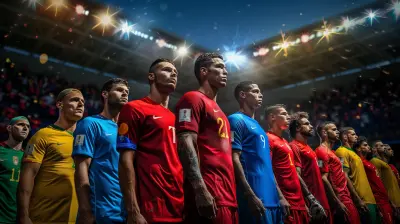
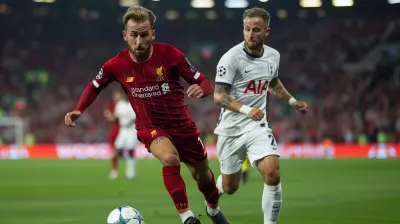
How Top Athletes are Redefining Luxury Travel in 2026
2 May 2026
Let's be honest. When you picture a pro athlete on vacation, what comes to mind? Probably a private jet, a mega-yacht in the Mediterranean, and a bottle of something that costs more than your rent. That image isn't wrong, exactly. But it's outdated. In 2026, the biggest names in sports have flipped the script. They aren't just spending money on luxury anymore. They are rewriting the very definition of what luxury travel means.
Gone are the days when a five-star hotel and a first-class seat were the peak of achievement. For today's elite athlete, luxury is not about showing off. It's about control. It's about time, recovery, and deep, private access to experiences that the average high-net-worth individual can't buy. Think of it less like a flashy sports car and more like a perfectly tuned engine. Every detail is optimized. Why? Because for these people, a bad trip can cost them millions in lost performance.
So, how exactly are LeBron James, Serena Williams, and the next wave of superstars changing the game? Let's break down the playbook they are writing in real time.
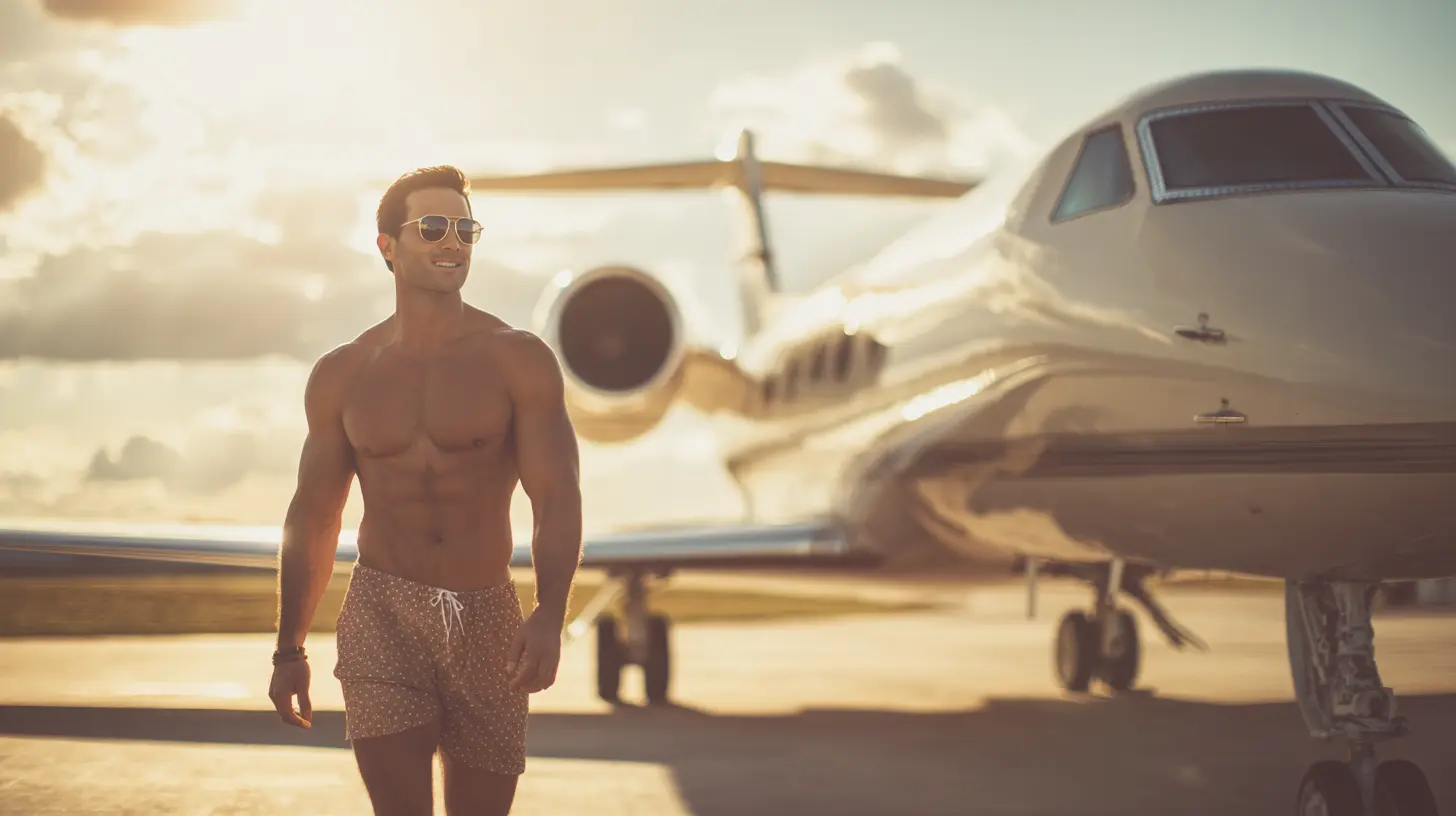
The Death of the "Tourist" Mindset
Luxury used to be about seeing the sights. Athletes in 2026 are doing the opposite. They are rejecting the curated list of "must-see" attractions. Instead, they are chasing a feeling of exclusivity through scarcity. This isn't about a private tour of the Louvre. That's old news. This is about hiring a world-renowned geologist to take them and three friends on a private hike through an active volcanic field in Iceland. It's about chartering a submarine to explore a shipwreck that only ten people have ever seen.Why the shift? Because these individuals are constantly on display. Their entire lives are a performance for millions of eyes. Luxury, for them, is the ability to disappear. It's the ultimate privacy. They don't want to be at a resort; they want to own the entire mountain for the weekend. They are buying time and silence. A hotel room with a butler is nice. A private island where there are no other people, no paparazzi drones, and no schedule except their own? That's the real flex in 2026.
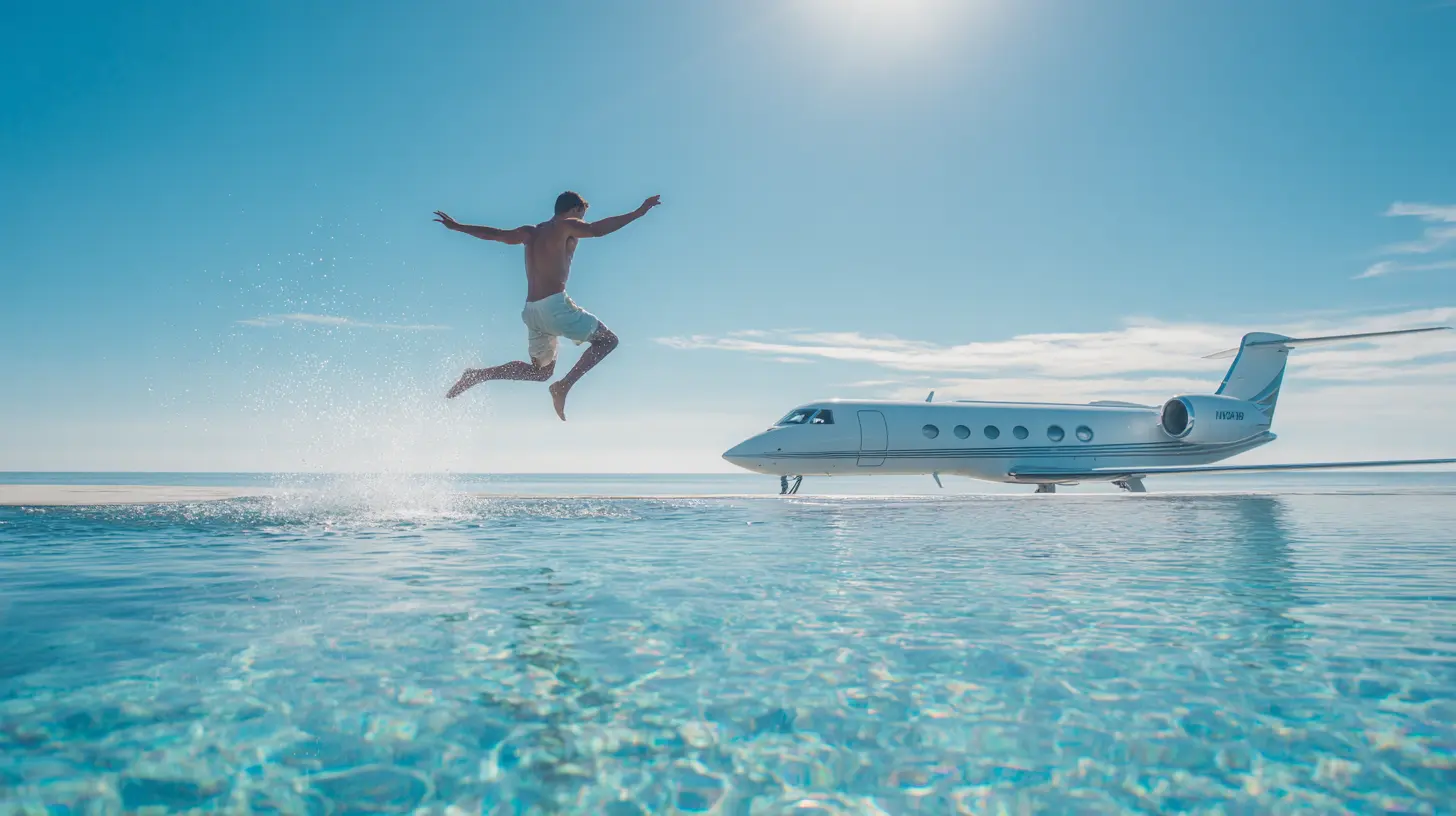
Recovery as the Ultimate Amenity
Here is where the conversation gets serious. For a top athlete, travel is not a break from training. It is training. The line between work and leisure has completely blurred. A vacation is now a "bio-hacking retreat."Let's walk through a typical "luxury" trip for a starting quarterback in the NFL. He doesn't fly commercial, obviously. But his private jet isn't just for comfort. It's a mobile medical unit. The cabin pressure is calibrated to reduce jet lag. The air is filtered to remove pathogens. The seats are designed to support his spine and prevent the inflammation that sitting for six hours can cause. He's not eating a gourmet meal; he's eating a precisely timed, nutrient-dense meal designed to optimize his circadian rhythm.
When he lands, he's not going to a spa for a generic massage. He's going to a hyperbaric oxygen chamber. He's getting cryotherapy. He's doing a float tank session. He's working with a local movement coach who specializes in his specific sport. This is the new luxury. The hotel's most expensive suite isn't the penthouse. It's the one with the in-room altitude training tent and a private chef who only cooks anti-inflammatory foods.
Think about it. If you are paid $50 million a year to throw a ball, you cannot afford to feel "off" for three days after a long flight. Travel is no longer a luxury expense. It's a risk management expense. Top athletes are investing in "travel performance directors." These are people who manage every single variable of a journey, from the pillow density to the timing of the melatonin dosage. That kind of obsessive attention to detail is the new VIP.
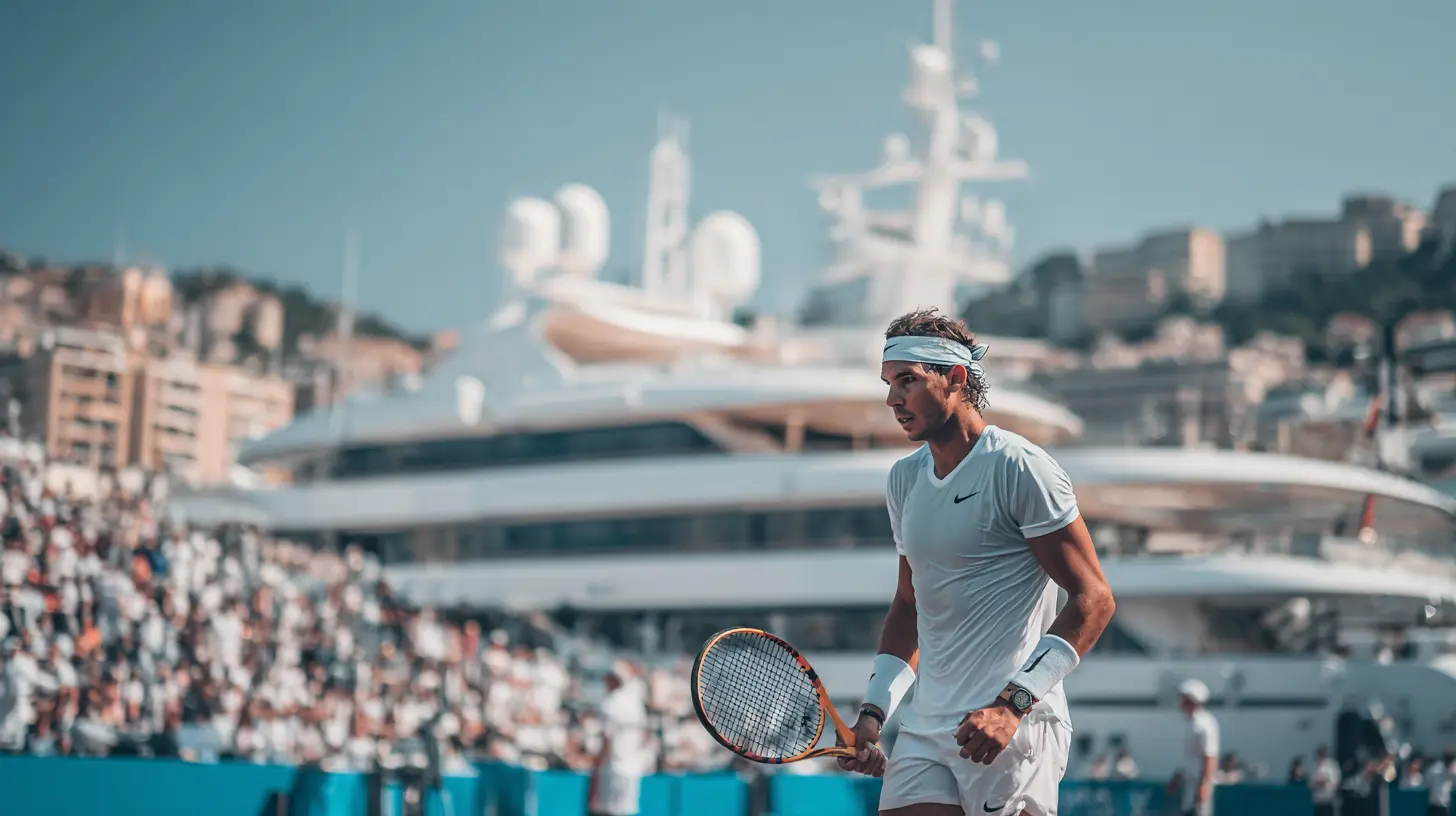
The Rise of the "Athlete-Designed" Experience
Another huge shift is that athletes are no longer just consumers of luxury travel. They are creators. The biggest stars are partnering with high-end travel designers to build their own bespoke itineraries and even their own properties.Look at what LeBron James has done. He's not staying in hotels anymore. He and his inner circle have created a network of private residences around the world. These aren't just vacation homes. They are performance hubs. Each one has a regulation-size basketball court, a full gym, a recovery suite, and a kitchen designed by his personal nutritionist. He travels with a small team of support staff, but the "home base" is always waiting for him. This gives him total control over his environment. He doesn't adapt to the hotel. The hotel adapts to him.
This is a powerful trend. More athletes are buying land and building their own retreats in remote places. They are creating "third spaces" that are totally off the grid. A soccer star might buy a plot of land in the mountains of New Zealand. A tennis star might build a compound in the Costa Rican jungle. The luxury is not the building itself. It's the autonomy. It's knowing that no one else has ever slept in that bed. It's the ultimate sense of ownership over their own peace.

The "Squad" Economy and Shared Wealth
We also need to talk about the crew. In the past, a superstar might bring their agent or a spouse. Now, the travel group is getting bigger and more specific. Athletes are traveling with their "squad" - a hand-picked team of experts.Imagine a WNBA star planning a two-week break in Southeast Asia. Her travel party might include:
- Her strength coach
- A physiotherapist
- A mental performance coach
- A chef
- A personal assistant
- A videographer (for content)
- Her family
She's not paying for a vacation for twelve friends. She's paying for a mobile ecosystem that supports her peak state. The luxury is that she can be on a beach in Thailand and still get a 90-minute deep tissue massage, a tailored meal plan, and a film session reviewing her last game, all without leaving her villa. The "travel team" is the new status symbol. It shows a level of professionalism and self-care that separates the elite from the merely rich.
This also creates a new kind of "luxury" in the form of shared experiences. These athletes are using their travel to strengthen their bonds with their inner circle. They are not just taking a vacation; they are building a culture. They are creating memories that reinforce loyalty and trust. That's a different kind of wealth.
Tech Integration: The Invisible Butler
Technology is the silent partner in all of this. In 2026, the luxury travel experience for an athlete is almost completely seamless, and it's powered by AI and biometrics.Before a trip, the athlete's "travel OS" (operating system) has already synced with their health data. It knows their sleep patterns, their heart rate variability, and their training load. The system then suggests the optimal destination based on time zone, climate, and recovery needs. It books the flight that aligns with their natural sleep window. It pre-orders the specific type of mattress they need. It even schedules the best time for a massage based on their cortisol levels.
This isn't sci-fi. It's happening now. The luxury is the absence of friction. The athlete doesn't have to think about logistics. They just show up. The concierge doesn't ask what they want for dinner. The chef already knows their macros and has a menu prepared based on their blood test results from that morning.
This level of personalization is the ultimate luxury. It's the feeling that the entire world is bending to support your goals. For a normal person, that sounds exhausting. For a top athlete, it's the only way to function.
The New Definition of "Remote"
Finally, let's talk about location. The old luxury was about being in the center of it all: Paris, Monaco, Aspen. The new luxury is about being as far away from "it all" as possible.Athletes are seeking extreme remoteness. They are chartering planes to land on ice in Antarctica to see emperor penguins. They are sailing to the most isolated islands in the Pacific. They are booking the entire top floor of a hotel in a tiny village in the Himalayas.
Why? Because the noise of the modern world is the enemy of performance. Social media, news, endorsement obligations - it's a constant assault on the senses. True luxury, in 2026, is silence. It's a place where the Wi-Fi is weak and the only sound is the wind. It's the ability to disconnect completely and let the brain reset.
This is a radical departure from the "look at me" culture of the past. It's a mature, focused approach to luxury. It says, "I don't need you to see me having fun. I need to be alone to recharge for the next battle."
What This Means for the Rest of Us
You might be reading this and thinking, "Well, I can't afford a private jet or a personal chef." And you're right. But the philosophy behind this shift is something we can all borrow.The core lesson is this: Luxury is not about stuff. It's about control. It's about saying no to things that drain you and yes to things that fuel you.
You can apply this principle to your own travel. Instead of booking a cheap flight that leaves you exhausted, save up for a direct flight. Instead of staying in a crowded hostel, find a quiet Airbnb with a good bed. Instead of packing your itinerary with tourist traps, leave empty space to just exist.
The top athletes have figured out that the best vacation is one that leaves you better than when you left. It's not about the Instagram post. It's about the internal feeling of restoration. So next time you plan a trip, ask yourself: "Is this helping me recover, or is it just draining me more?" The answer will tell you everything you need to know about the true meaning of luxury.
all images in this post were generated using AI tools
Category:
Lifestyle Of AthletesAuthor:
Fernando Franklin
Discussion
rate this article
1 comments
Elijah Green
This article highlights a fascinating shift in luxury travel. Top athletes are not just seeking comfort; they're prioritizing experiences that enhance well-being and connection. It's inspiring to see this new definition of luxury.
May 9, 2026 at 3:02 AM
Fernando Franklin
I appreciate your insights. It's exciting to see how the focus is shifting towards experiences that truly enrich lives.