How Ultra Groups Maintain Their Hold Over Football Fanbases
23 February 2026
When you hear the word "football," what comes to mind? For most, it’s the thrill of the game, the roar of the crowd, the passion of the fans. But behind the spectacle lies a subculture that’s as much a part of football as the goals and tackles. This subculture is centered around ultra groups—fanatical, organized supporters who dominate the terraces with their chants, banners, and sometimes, their fists. These groups have an almost mythical hold over football fanbases, but how do they maintain their influence? How do they keep thousands, sometimes millions, of fans under their control, generation after generation?
In this article, we’ll dive deep into the world of ultra groups, explore their methods, and understand why their grip on football fanbases is so powerful.
Who Are The Ultras?
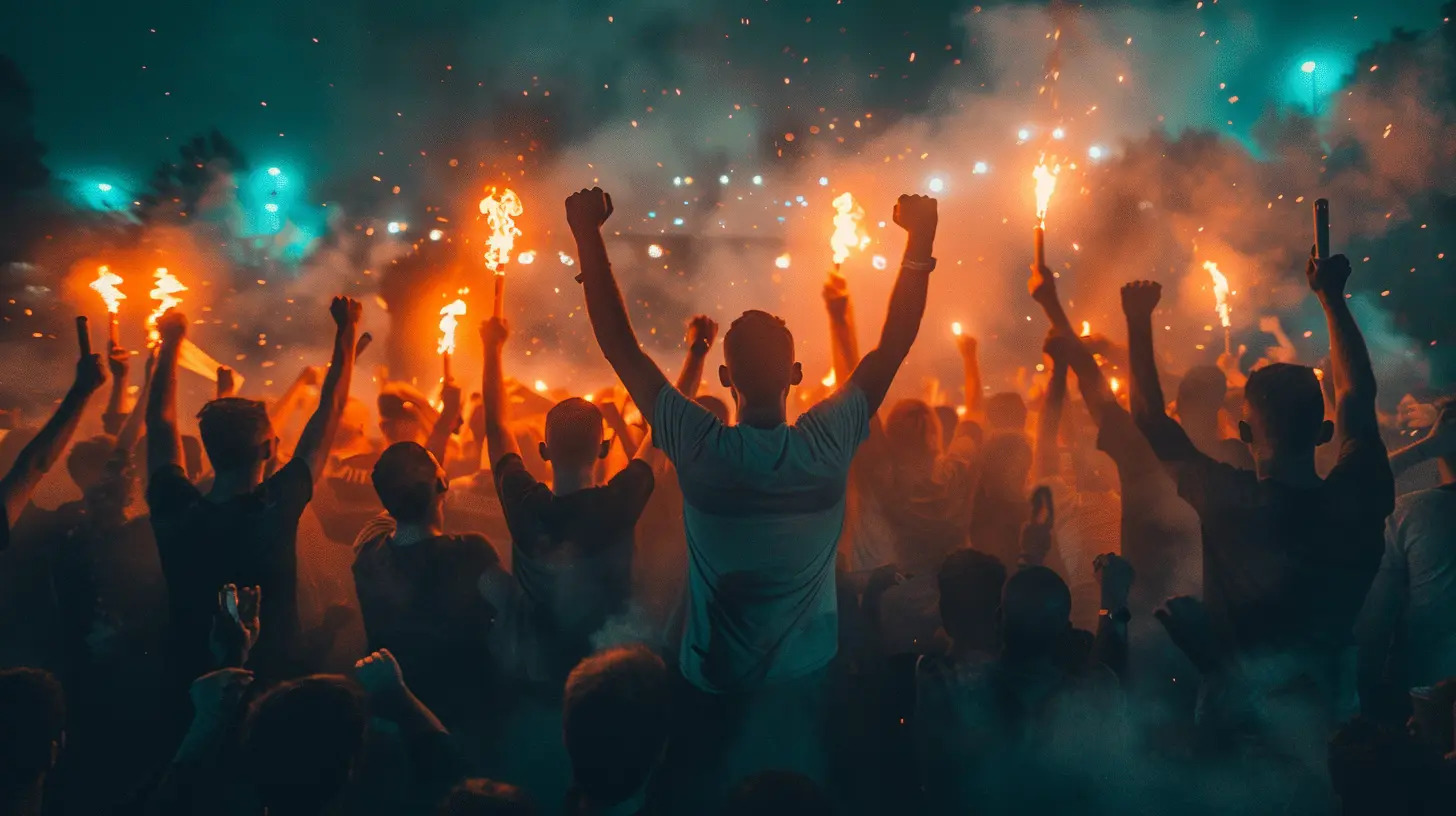
Before we dive into the "how," let’s take a moment to understand the "who." Ultras are essentially a subset of football supporters who are known for their extreme dedication to their team. They’re not your average fans who just turn up for a game, buy a scarf, and leave. No, ultras live and breathe football. They attend every match, home or away, and they’re often responsible for creating the electric atmospheres we associate with football stadiums—think flares, massive banners, and chants that echo through the stands.But here’s the kicker: ultras are more than just passionate fans. They’re organized—sometimes more organized than the football clubs themselves. They operate like secret societies, with hierarchies, codes of conduct, and even initiation rituals. Their influence extends well beyond the stadium, permeating into the very fabric of the communities they come from.
So how do they maintain such a powerful grip over fanbases? Let’s break it down.
The Power of Tradition and Identity
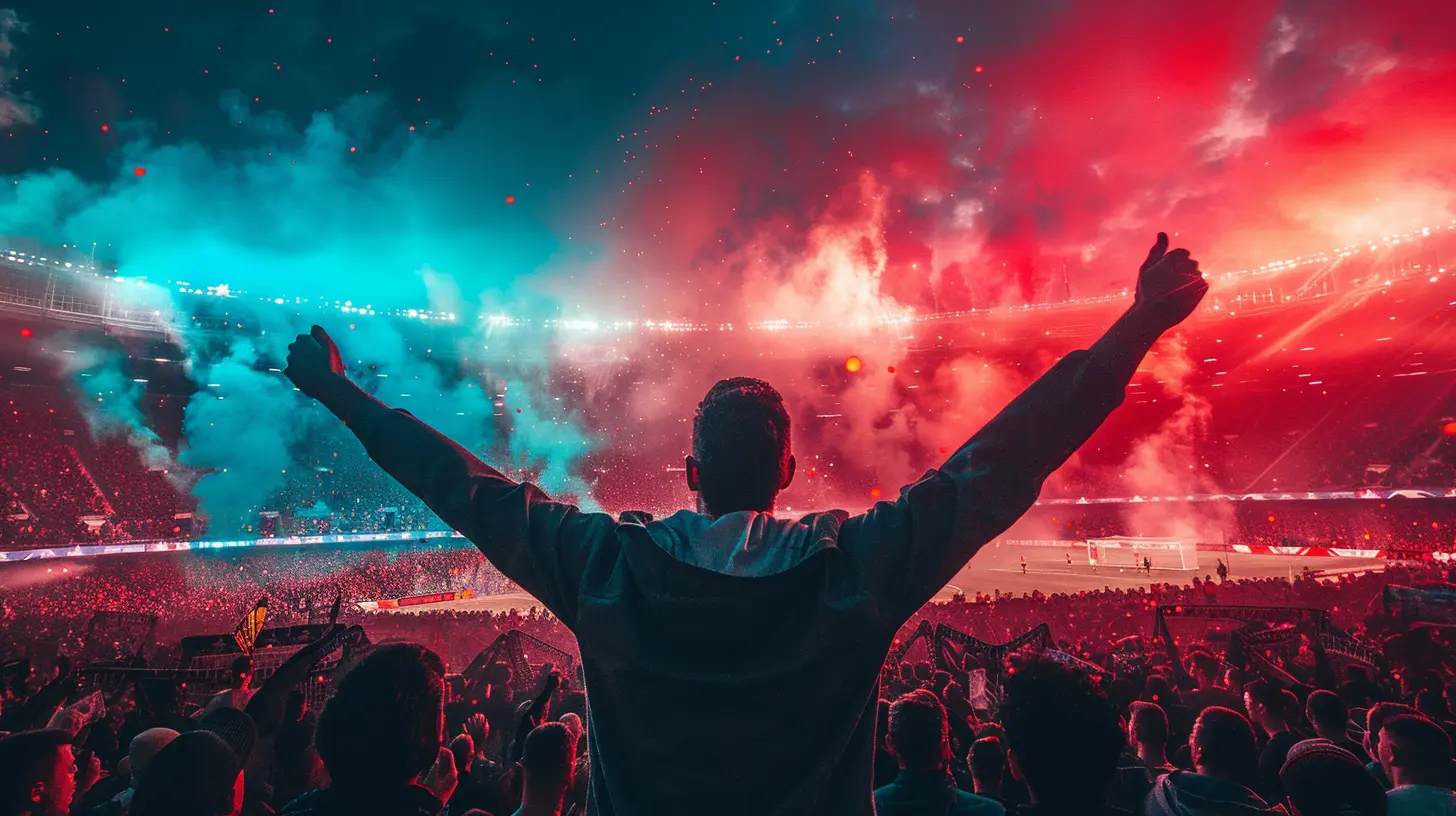
One of the biggest reasons ultra groups have such a stronghold over football fanbases is the deep sense of tradition and identity they cultivate. For many fans, supporting a football team isn’t just about watching a sport; it’s about belonging to something larger than themselves—a tribe, if you will. Ultras tap into this desire for belonging by creating a subculture that is steeped in history, rituals, and a strong sense of identity.Loyalty Beyond the Game
Many ultra groups have been around for decades, even generations. The original members pass down their knowledge, traditions, and passion to younger fans, creating a lineage of ultra loyalty. Being part of an ultra group isn’t just about attending matches; it’s about living a lifestyle dedicated to the team. You don’t simply support the team on match day; you live it 24/7.This sense of continuity—of being part of something that has existed long before you and will exist long after you—gives fans a sense of purpose. And once you’ve bought into that purpose, it’s hard to walk away.
Rituals And Symbols
Symbols, chants, and rituals are huge within ultra culture. From choreographed displays in the stands to specific songs that have been sung for decades, these elements create a sense of unity and belonging. Ultras often have specific dress codes—whether it’s wearing the team’s colors or more discreet symbols that only other ultras would recognize.These rituals make members feel like they’re part of something exclusive and important. And as with any exclusive club, once you’re in, you don’t want to leave because you’ve invested so much of your identity into it.
Control Through Fear And Intimidation
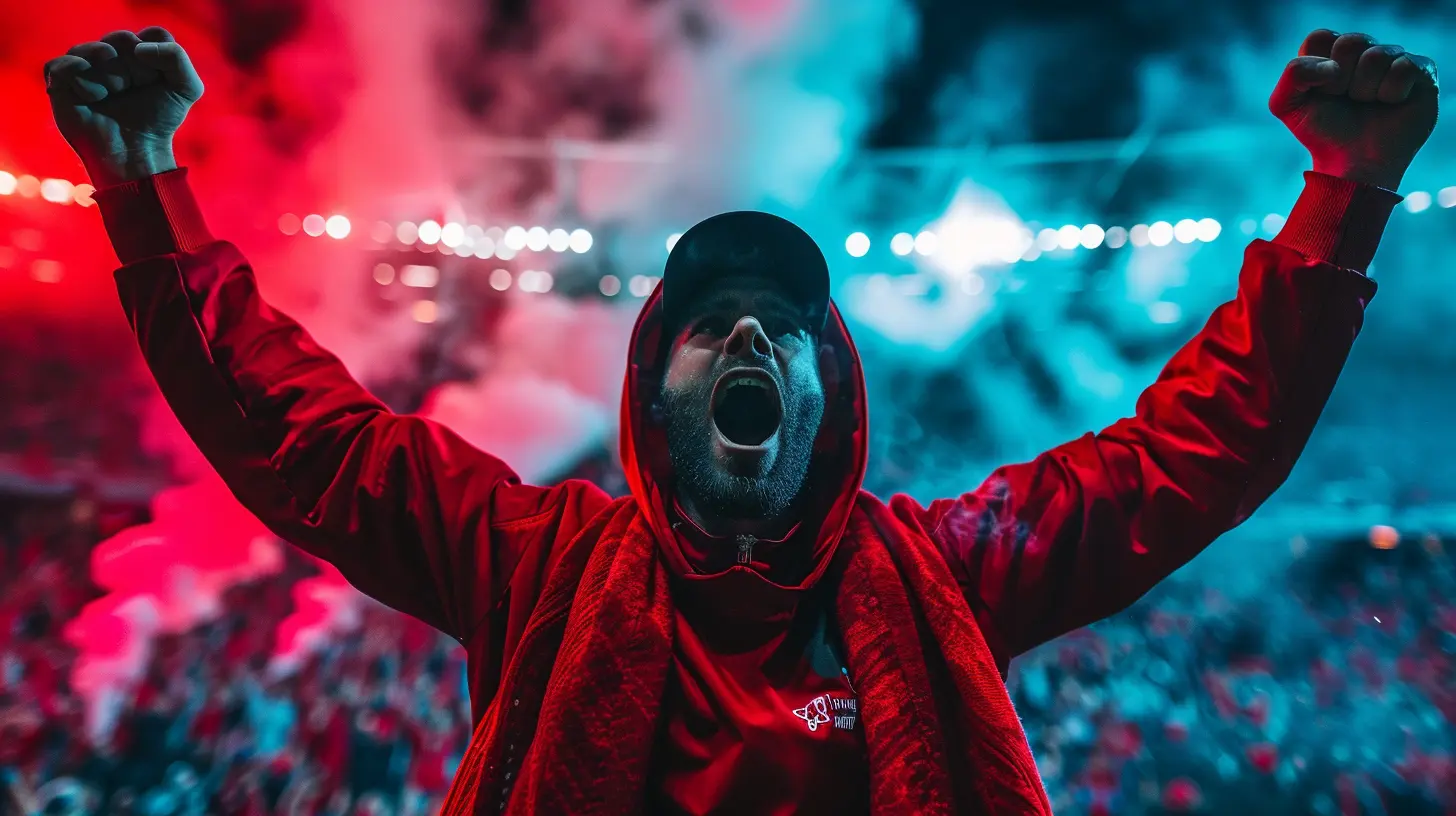
Let’s not sugarcoat things—ultra groups often maintain their power through fear and intimidation, not just passion. While not all ultra groups are violent, many have reputations for being involved in hooliganism. They’re known to clash with rival supporters, and even their own club's management, when things don’t go their way.Policing Their Own
One of the ways ultras maintain control is by policing their own fanbase. Step out of line, and you may find yourself on the receiving end of some harsh consequences. Whether it’s ostracization from the group or, in some cases, physical violence, ultras have been known to enforce strict codes of behavior among their own ranks. You don’t just join an ultra group; you submit to its rules.This kind of internal policing ensures that the group remains cohesive and that members stay loyal. After all, if you’re afraid of the consequences of stepping out of line, you’re less likely to challenge the group’s leadership or its methods.
Rivalries And Territory
Ultras often define themselves in opposition to rival groups. The rivalry between teams extends beyond the field and spills over into the stands, the streets, and even entire cities. These rivalries can get so intense that they resemble gang warfare. Ultras fight for dominance, not just over their own fanbase but over the entire football culture in their region.By stoking the flames of these rivalries, ultra groups keep their members engaged and loyal. The sense of "us versus them" is a powerful motivator. When you’re constantly at war with someone—whether it’s a rival group of fans or even the police—you’re more likely to stick with your own.

The Role of Media And Social Networks
In today’s digitally connected world, ultra groups have learned how to use social media and other forms of digital communication to their advantage. By controlling the narrative around their activities, ultras can shape how they’re perceived by the wider fanbase and even the general public.Shaping The Narrative
Ultras are very savvy when it comes to managing their image. They use social media platforms like Instagram, Twitter, and Facebook to share photos, videos, and stories that glorify their actions. This helps to build a mystique around the group, making them more appealing to younger fans who want to be part of something “cool” and “dangerous.”This digital presence also allows ultras to coordinate actions, plan meetups, and recruit new members without having to rely on face-to-face interactions. They can spread their message far and wide, reaching fans who might not even live in the same city or country.
Social Proof And Peer Pressure
Ever heard of FOMO—Fear of Missing Out? Well, ultras are masters at using this psychological principle to their advantage. When you see photos or videos of ultras chanting, lighting flares, and taking over entire sections of the stadium, it’s hard not to feel like you’re missing out on something special. Younger fans, especially, are drawn to this sense of belonging and excitement.Peer pressure plays a massive role too. If your friends are all part of the ultra group, chances are you’ll feel compelled to join in. And once you’re in, it’s hard to leave without feeling like you’re losing a part of who you are.
Ultra Groups as Social and Political Movements
This may surprise you, but many ultra groups don’t just see themselves as football supporters. They view themselves as social or even political movements. In countries like Italy, Serbia, and Argentina, ultra groups have been involved in everything from labor strikes to political protests. They see themselves as defenders of their community, standing up against perceived injustices—whether from the government, the police, or even their football club's management.Anti-Establishment Sentiment
Many ultras view themselves as anti-establishment. They often clash with the football club's ownership or management, especially when they feel like the club is prioritizing profits over the fans. In some cases, ultra groups have staged protests, boycotted games, or even attacked the club's offices to make their displeasure known.This anti-establishment sentiment resonates with a lot of fans, especially those who feel disenfranchised by modern football’s commercialization. By positioning themselves as the true voice of the people, ultras can rally fans to their cause and maintain their influence.
Community Outreach
Believe it or not, some ultra groups engage in community outreach. They organize charity events, food drives, and even help out with local causes. This helps to legitimize their role within the community and fosters goodwill among the local population. When you see an ultra group not just as a bunch of hooligans but as defenders of the community, it’s easier to support them even when they engage in more questionable activities.
Conclusion: A Complex Web of Loyalty and Power
Ultra groups maintain their hold over football fanbases through a combination of tradition, fear, manipulation, and a deep sense of identity. They’re not just fans; they’re part of a subculture that’s as old as the sport itself. And while their methods can sometimes be extreme—even violent—their influence is undeniable.For many fans, being part of an ultra group offers a sense of belonging, purpose, and excitement that goes far beyond the 90 minutes on the pitch. Whether you love them or hate them, ultra groups are an inescapable part of modern football. And as long as the game exists, so too will the ultras.
all images in this post were generated using AI tools
Category:
HooliganismAuthor:

Fernando Franklin
Discussion
rate this article
2 comments
Joanna Malone
Ultra groups foster loyalty through passion, community, and intense emotional connections to football culture.
April 2, 2026 at 10:52 AM
Fernando Franklin
Absolutely, the emotional ties and sense of belonging within ultra groups create a powerful bond that keeps fans engaged and loyal to their teams.
Liora McKinstry
Ultra groups effectively blend passion, identity, and community, creating an unbreakable bond that keeps football fanbases fiercely loyal and engaged.
February 23, 2026 at 4:04 AM
Fernando Franklin
Thank you! It's true—ultra groups foster deep connections through shared passion and identity, which not only strengthens loyalty but also enhances the overall experience of supporting a team.