Hydration Strategies for Peak Athletic Performance
20 May 2026
Staying hydrated might sound like a no-brainer, right? Drink water. Done. Well, not quite. When it comes to athletes aiming for peak performance, hydration isn’t just about guzzling a bottle of water before a workout and calling it a day. It’s a well-thought-out strategy. A science-backed routine. And believe me, it can mean the difference between dominating your game or dragging yourself across the finish line.
In this guide, we're going deep into practical, effective, and realistic hydration strategies tailored for athletes who want to perform at their absolute best. Whether you're running marathons, lifting heavy, or playing team sports, these insights are for you.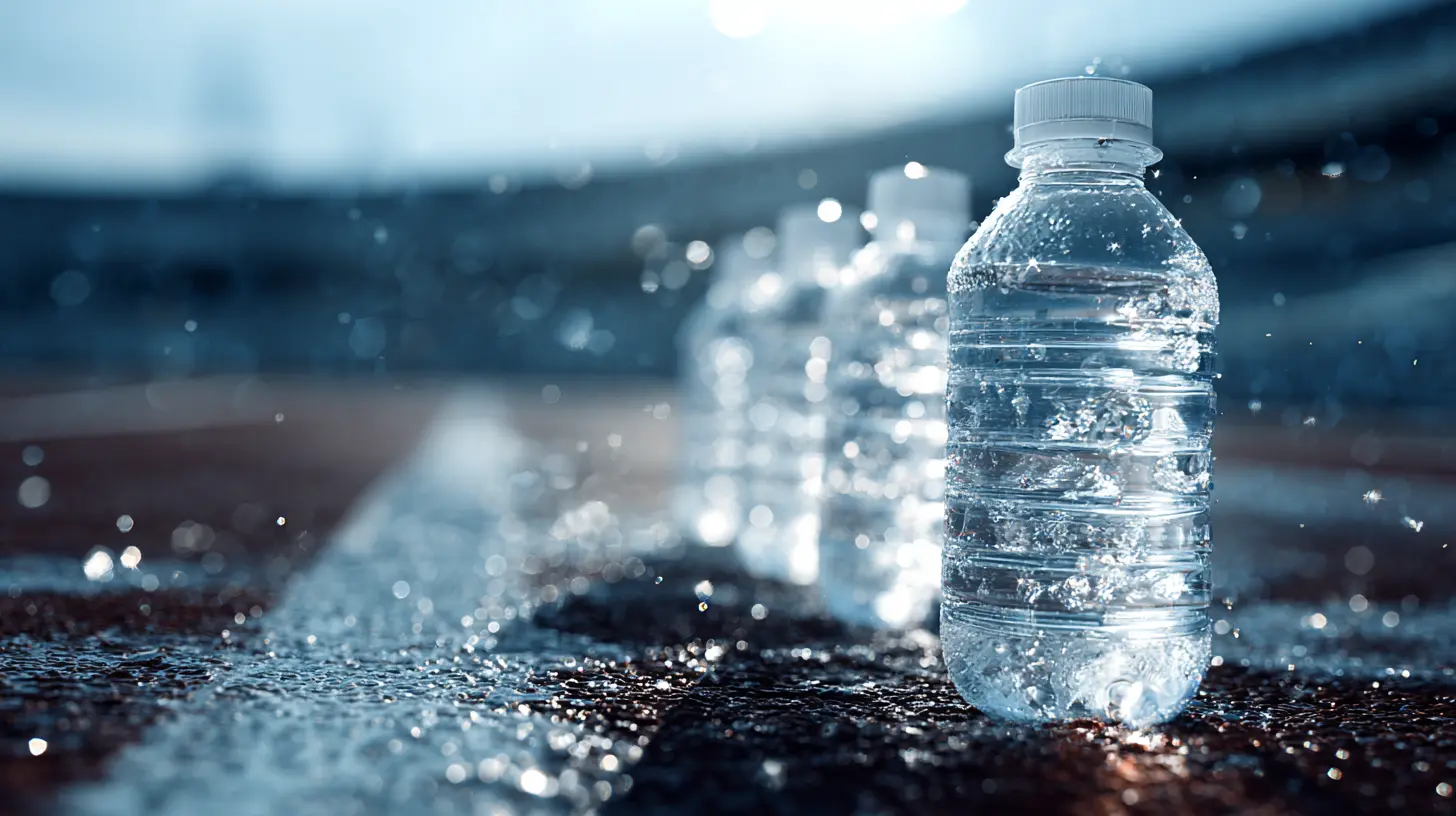
Why Hydration Matters So Much in Sports
Let’s kick things off with the “why.” Why is hydration such a big deal for athletes?Well, your body is made up of around 60% water. Water fuels literally every process in your body—from regulating temperature to transporting nutrients and flushing out waste. Now, throw intense physical activity into the mix and that water balance can get thrown off real quick. You sweat more, breathe heavier, and your kidneys work overtime. If you're not staying on top of fluid intake, you’re setting up your body to crash and burn.
Even just 2% dehydration can negatively affect performance—think slower reaction times, muscle cramps, fatigue, and poor focus. And if you lose more than that? You’re seriously compromising your ability to compete.
The Hydration-Performance Connection
Want a quick breakdown of how hydration helps max out your athletic game?- Temperature control: Sweating is basically your body’s air conditioner. Without enough fluids, you overheat faster.
- Joint lubrication: Dehydrated joints = stiff, painful movement.
- Improved endurance: Staying hydrated delays fatigue and keeps your energy up.
- Sharper focus & coordination: Even mild dehydration can cloud thinking and slow reflexes.
In short, staying properly hydrated helps you move better, feel better, and think clearer—all essential ingredients for crushing it in any sport.
Signs You're Dehydrated (And Probably Ignored Them)
Not sure if you’re drinking enough? Here are some classic (and often overlooked) signs that your body’s begging for water:- Thirst (Yep, by the time you feel thirsty, you're already dehydrated)
- Dry lips or mouth
- Fatigue or sluggishness
- Headaches
- Dark yellow pee (aim for pale straw color)
- Dizziness or lightheadedness
- Muscle cramps
Bottom line? Don’t wait until you’re parched—hydrate proactively.
Building a Winning Hydration Routine
Now let’s get into the good stuff—setting up a hydration strategy that works for your body, your sport, and your goals.1. Start Hydrating Before You Train
Think of your body like a sponge. You want it to be soaked with fluid before squeezing it during a workout. Try this:- Begin hydrating 2–3 hours before activity by sipping 16–20 oz (about 500–600 ml) of water or a sports drink.
- Top off 15–30 minutes before with another 5–10 oz (150–300 ml).
This gets your body hydrated without overloading your bladder mid-squat.
2. Hydrate During Exercise (the Smart Way)
This is where things get personal. Your hydration needs depend on your sweat rate, the temperature, your intensity, and how long you're grinding it out.- Short workouts (under 60 minutes): Water is usually enough.
- Long or high-intensity workouts (over 60 minutes), especially in heat? You’ll need fluids that replace both water and electrolytes (think sodium, potassium, magnesium).
Aim for around 7–10 oz (200–300 ml) every 15–20 minutes during your session.
Want to take it up a notch? Calculate your sweat rate:
1. Weigh yourself before and after a workout (naked, if possible).
2. For every pound lost, replace it with about 16–24 oz (500–700 ml) of fluid.
This is pure science—use it to dial in your unique needs.
3. Rehydrate Like a Pro After Training
Post-workout is prime recovery time. Rehydrating helps reduce muscle soreness, replenish glycogen stores, and get you ready to crush your next session.- Drink 16–24 oz (500–700 ml) for every pound lost during exercise
- Consider drinks with electrolytes or even a recovery smoothie that includes water, fruits (for natural sugars and potassium), and a pinch of salt
Pro tip: Don’t rely solely on thirst after working out. Schedule post-workout hydration just like you would any cooldown or stretching routine.
The Role of Electrolytes (More Than Just a Buzzword)
Electrolytes are your hydration sidekicks. They help your body hold onto water and keep your muscles and nerves firing properly.Key players include:
- Sodium: Helps retain fluids and prevent cramps
- Potassium: Balances fluid levels inside cells
- Magnesium: Supports muscle function
- Calcium: Plays a role in muscle contractions
When you sweat, you lose all these. So if you’re training hard or long (especially in heat), plain water won’t cut it. You need to replenish those lost minerals. Sports drinks, electrolyte powders, or even salty snacks can do the trick.
Water vs. Sports Drinks: Which One's Better?
Ah, the never-ending debate. Here’s the simple breakdown:- Water: Great for short or low-intensity workouts
- Sports drinks: Better for long sessions (60+ minutes), lots of sweat, or when exercise is super intense
Just watch for sugar content. Some sports drinks are basically candy in a bottle. Aim for options with 6–8% carbs and added electrolytes.
Other smart alternatives?
- Coconut water: Natural electrolytes, low sugar
- Electrolyte tablets/powders: Super convenient and customizable
- DIY sports drinks: Try water + a pinch of salt + lemon juice + a bit of honey
Hydration Tips for Different Sports
Not all sports are created equal—your hydration strategy should match your sport’s demands.Running
- Hydrate before your run, especially if it’s early AM when you’re already dehydrated from sleep.- Carry a water bottle or use hydration belts for long distance.
- Electrolyte tabs in your water bottle can help on hot days.
Weightlifting/Strength Training
- Even if you’re not drenched in sweat, muscle contractions eat up cellular fluid.- Sip water between sets to stay sharp and energized.
Team Sports (Soccer, Basketball, Football)
- Frequent water breaks = key.- Look for sports drinks with electrolytes and limited sugar.
- Swig before subbing in; hydrate after every quarter/half.
Cycling
- Carry bottles on your bike frame.- Use electrolyte-enhanced drinks during long rides.
- Sip often—don’t wait till you’re halfway through to remember hydration exists.
Hydration Myths Busted
It’s time to call out a few hydration myths that may be messing with your performance.- ❌ "Drink as much water as possible": Overhydrating can lead to hyponatremia, a dangerous drop in sodium levels. Balance is key.
- ❌ "Thirst is a reliable indicator": It’s not. Thirst kicks in after dehydration has already started.
- ❌ "Caffeine dehydrates you": Moderate caffeine actually doesn’t cause dehydration. In fact, coffee and tea still count toward your fluid intake.
Don’t Forget About Food
Hydration isn’t just about what you drink. Many foods are loaded with water and can contribute to your fluid intake:- Fruits: Watermelon, oranges, berries, grapes
- Veggies: Cucumbers, lettuce, celery, zucchini
- Soups and stews: Full of water and electrolytes
Nutrient-dense meals aid hydration, especially when they include sodium and potassium-rich ingredients.
Monitor & Adjust—Hydration Isn’t One-Size-Fits-All
This can’t be said enough: personalize your hydration. Your sweat, your sport, your climate, your body. All different.A few ways to track and tweak:
- Use a hydration app
- Check your pee color
- Weigh yourself pre/post workouts
- Log how you feel during exercise
Over time, you’ll see patterns and can refine your strategy for peak performance.
Final Thoughts
Hydration isn't sexy. You don’t win medals for drinking water. But it’s one of those hidden gears powering almost every part of athletic performance. Nail your hydration, and you’ll move better, recover faster, and train harder.So, don’t treat hydration like an afterthought. Build it into your daily routine. Use strategy, not guesswork. Your body (and your next PR) will thank you.
all images in this post were generated using AI tools
Category:
Sports MedicineAuthor:

Fernando Franklin
Discussion
rate this article
1 comments
Vance Patterson
Staying hydrated is key to unlocking your full potential. Small changes can lead to big results. Cheers to peak performance!
May 21, 2026 at 10:47 AM
Fernando Franklin
Absolutely! Hydration is essential for maximizing performance. Small tweaks can make a big difference. Cheers!