Managing Injuries: How National Teams Cope with Setbacks
8 February 2026
Injuries. The dreaded word that keeps coaches, fans, and players up at night. Imagine preparing for the World Cup or the Olympics, dreaming of lifting the trophy, only for your star player to go down with a torn ligament. Talk about heartbreak!
But here’s the thing—injuries are part of the game. National teams don’t just sit around sulking when one of their key players goes down. Nope. They have strategies, experts, and game plans to navigate these setbacks like seasoned pros. So, how do they manage injuries and still stay competitive? Let’s dive in! 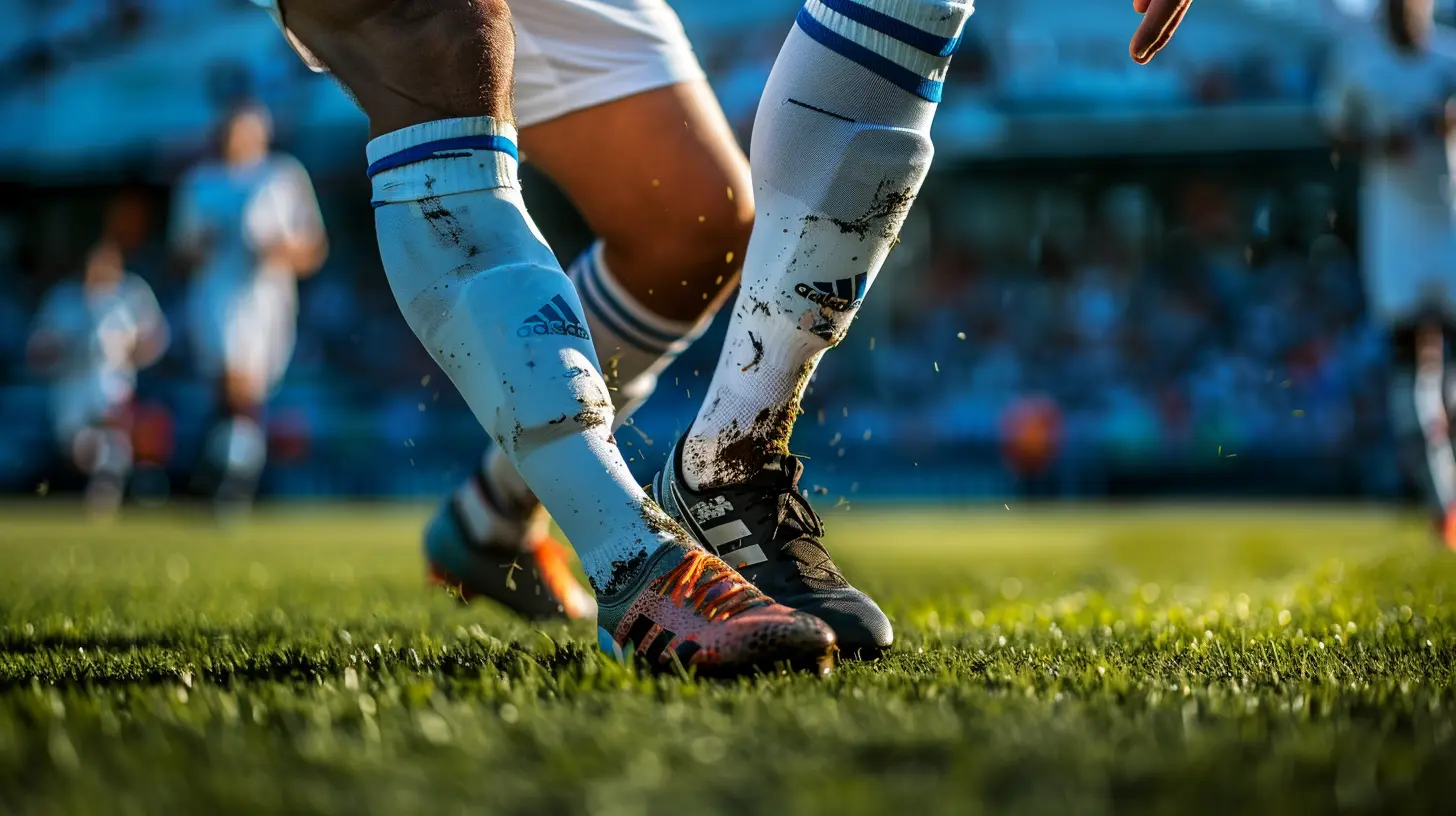
The Harsh Reality of Injuries in International Football
Picture this: Your team qualifies for a major tournament. Spirits are high, fans are buzzing, and then—bam!—your best midfielder limps off in the final club game before the tournament. Sounds familiar, right?Injuries can strike at any time, and they don’t care about timing. Whether it’s a last-minute hamstring pull or a long-term ACL tear, national teams must be ready to cope.
Common Types of Injuries in National Teams
Some injuries are more common than others when it comes to international competitions. Here are the usual culprits:- Muscle Strains – Overuse and fatigue often lead to hamstring and calf strains.
- Ankle Sprains – A mistimed tackle or awkward landing can wreak havoc on a player's ankle.
- ACL Tears – One of the worst injuries in sports, often requiring surgery and months of recovery.
- Concussions – Heading the ball repeatedly or clashing heads can lead to serious issues.
- Fractures & Dislocations – A bad collision can mean a broken bone or a popped-out joint.
With injuries varying in severity, national teams need to be prepared with multiple contingency plans. 
The Role of Medical and Rehab Teams
You might think national teams are all about the players and coaches, but the medical staff are the unsung heroes behind the scenes. These individuals work round the clock to ensure players recover quickly and effectively.1. Immediate Response: The First 24 Hours
Ever noticed how the medical team rushes onto the field the moment a player goes down? Their first priority is to assess the injury. If it looks bad, the player is taken off immediately—no risks taken.2. Diagnosis and Treatment Plans
Once off the field, doctors run a battery of tests—X-rays, MRIs, you name it. From there, a custom recovery plan is set. Some players might need just a few days of rest, while others could be ruled out for months.3. Physical Therapy & Rehabilitation
Recovery isn’t just about resting. Athletes go through rigorous rehab routines, spending hours doing strength exercises, rebuilding flexibility, and regaining match fitness.
Tactical Adjustments: When a Star Player is Ruled Out
Losing a key player is like misplacing the queen in a chess match. You can still win, but you’ll have to be smart about it.1. Squad Depth: Every Player is Important
The best teams have solid backups. Think about France losing Karim Benzema before the 2022 World Cup—what did they do? Rolled out Olivier Giroud, and he delivered big time!2. Formation Changes
Coaches sometimes tweak formations based on who’s available. If a team loses their primary playmaker, they might shift to a more defensive setup and rely on counter-attacks.3. Stepping Up: The Mental Challenge
Injuries often create unexpected heroes. Remember when Kylian Mbappé burst onto the scene for France in 2018? That’s because other stars were unavailable, giving him a chance to shine. National teams use setbacks as opportunities for new players to prove themselves.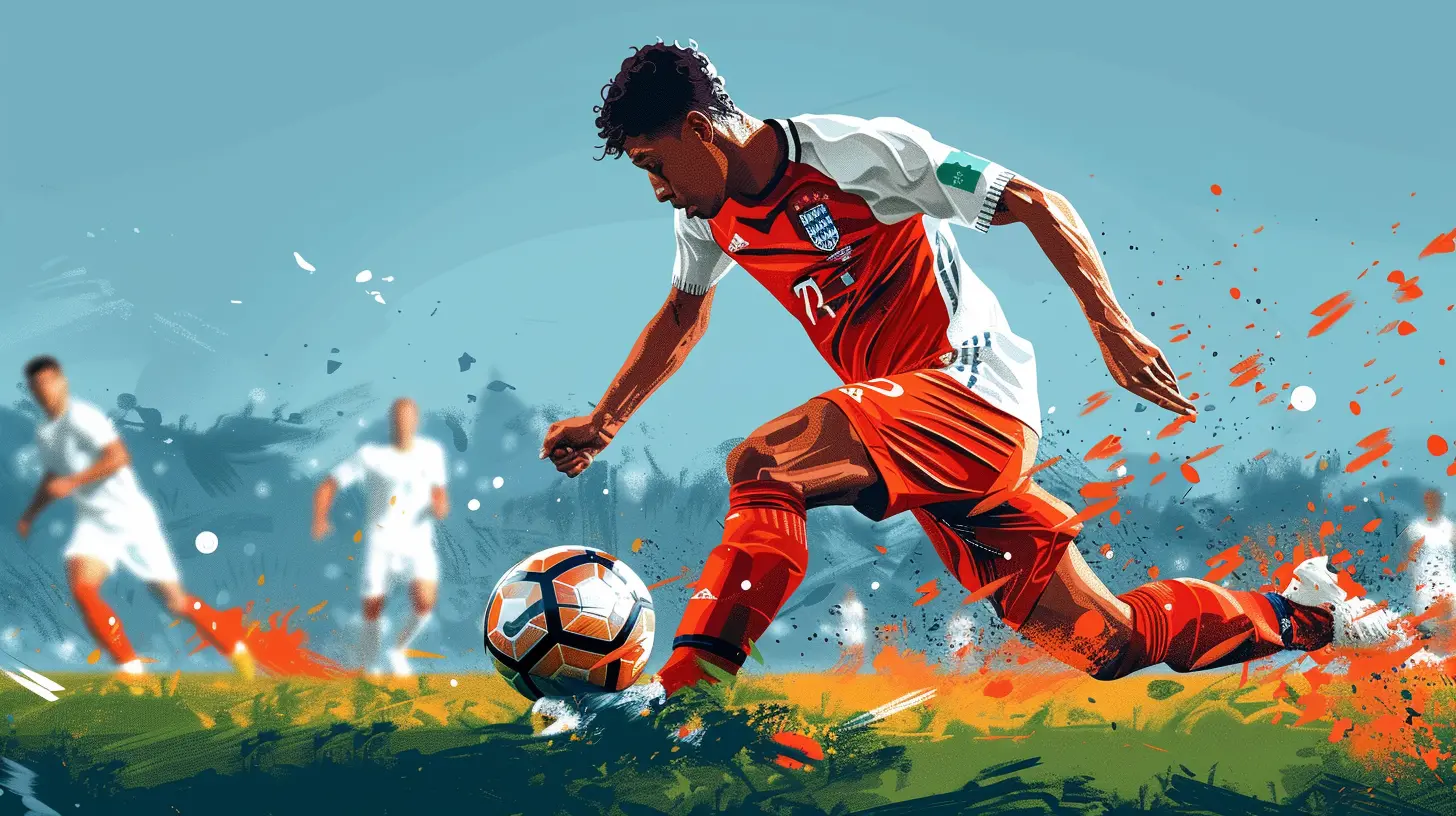
Preventing Injuries: Can Teams Minimize Risks?
While injuries can’t be fully eliminated, teams do everything possible to minimize the risk.1. Managing Player Workloads
Many international players already have packed club schedules. If they’re overworked, they’re more prone to breakdowns. National teams carefully monitor minutes played and adjust training loads accordingly.2. Advanced Sports Science Techniques
Cutting-edge technology helps teams track players’ fatigue levels, muscle imbalances, and even hydration status! No more guesswork—just science-backed strategies to keep players in peak condition.3. Proper Nutrition & Recovery
You wouldn’t put low-quality fuel in a Ferrari, right? The same applies to athletes. National teams ensure their players follow strict diets packed with the right balance of proteins, carbs, and healthy fats. Post-game recovery is just as crucial—with ice baths, massages, and sleep routines playing a major role.Psychological Impact: Keeping Players Mentally Strong
Ever seen a player in tears after an injury? It’s not just about missing games—it’s about the fear of never being the same again.1. Mental Health Support
For any athlete, an injury can be a major mental battle. National teams employ sports psychologists to help players stay positive, focused, and motivated during recovery.2. Keeping Injured Players Involved
Even if a player is sidelined, they’re still part of the team. Coaches ensure injured players stay engaged—whether it’s sitting in on tactical meetings or offering advice to teammates. This helps maintain team spirit and keeps morale high.Famous Cases: How National Teams Handled Major Injuries
Let’s take a quick trip down memory lane and see how some teams dealt with devastating injuries:- Brazil – Neymar (2014 World Cup): Neymar’s injury in the quarter-finals crushed Brazil’s hopes. Without him, they suffered that infamous 7-1 defeat to Germany. A classic example of how a team can struggle without their talisman.
- England – David Beckham (2002 World Cup): Beckham broke his foot just before the tournament. England had to adjust, and while they still made a decent run, his absence was felt.
- Portugal – Cristiano Ronaldo (Euro 2016 Final): When Ronaldo got injured early in the final, Portugal had to adopt a different approach. They rallied together and won, proving that teams can triumph even without their biggest star.
Final Thoughts: Adapt and Overcome
Injuries are cruel, but they’re part of the game. The best national teams don’t dwell on what they’ve lost—they adapt, regroup, and move forward. With strong medical teams, smart tactical changes, and a resilient mindset, they find ways to stay competitive.So, the next time your favorite player is ruled out of a big tournament, don’t lose hope. Sometimes, setbacks lead to the emergence of new legends. Who knows? The next big star might just be waiting for their chance!
all images in this post were generated using AI tools
Category:
National TeamsAuthor:

Fernando Franklin
Discussion
rate this article
2 comments
Alexa Foster
In the dance of competition, resilience blooms, As nations grapple with fate's cruel twists. Injuries may strike, but spirit ignites, In unity, they rise — a testament to grit, Transforming setbacks into stories of triumph.
March 25, 2026 at 11:35 AM
Fernando Franklin
Thanks for sharing your thoughts. It's inspiring to see how resilience and unity shape these stories of triumph amidst challenges.
Xavier McEachern
Great insights! Navigating injuries is tough, but resilience and teamwork truly shine in these challenges.
February 9, 2026 at 3:26 AM
Fernando Franklin
Thank you! I'm glad you found the insights valuable. Resilience and teamwork are indeed essential in overcoming these challenges.