Mastering Powder: Tips for Snowboarding in Fresh Snow
16 December 2025
Snowboarding in fresh powder is like riding on a cloud. There's nothing quite like the feeling of carving through untouched snow, with each turn creating a soft spray behind you. But, as magical as it sounds, snowboarding in powder can also be a bit tricky, especially if you're used to riding on packed or groomed runs.
If you've ever found yourself sinking too deep into the snow, struggling to maintain speed, or feeling a bit out of control in the fluffy stuff, you're not alone. Powder riding is a different beast altogether, and it requires some adjustments to your usual technique.
This guide is all about helping you become a master of powder snowboarding. Whether you're a seasoned rider looking to perfect your skills or a newbie who's just getting started, these tips will help you make the most of your time in the fresh stuff.
Why Powder Riding is So Different
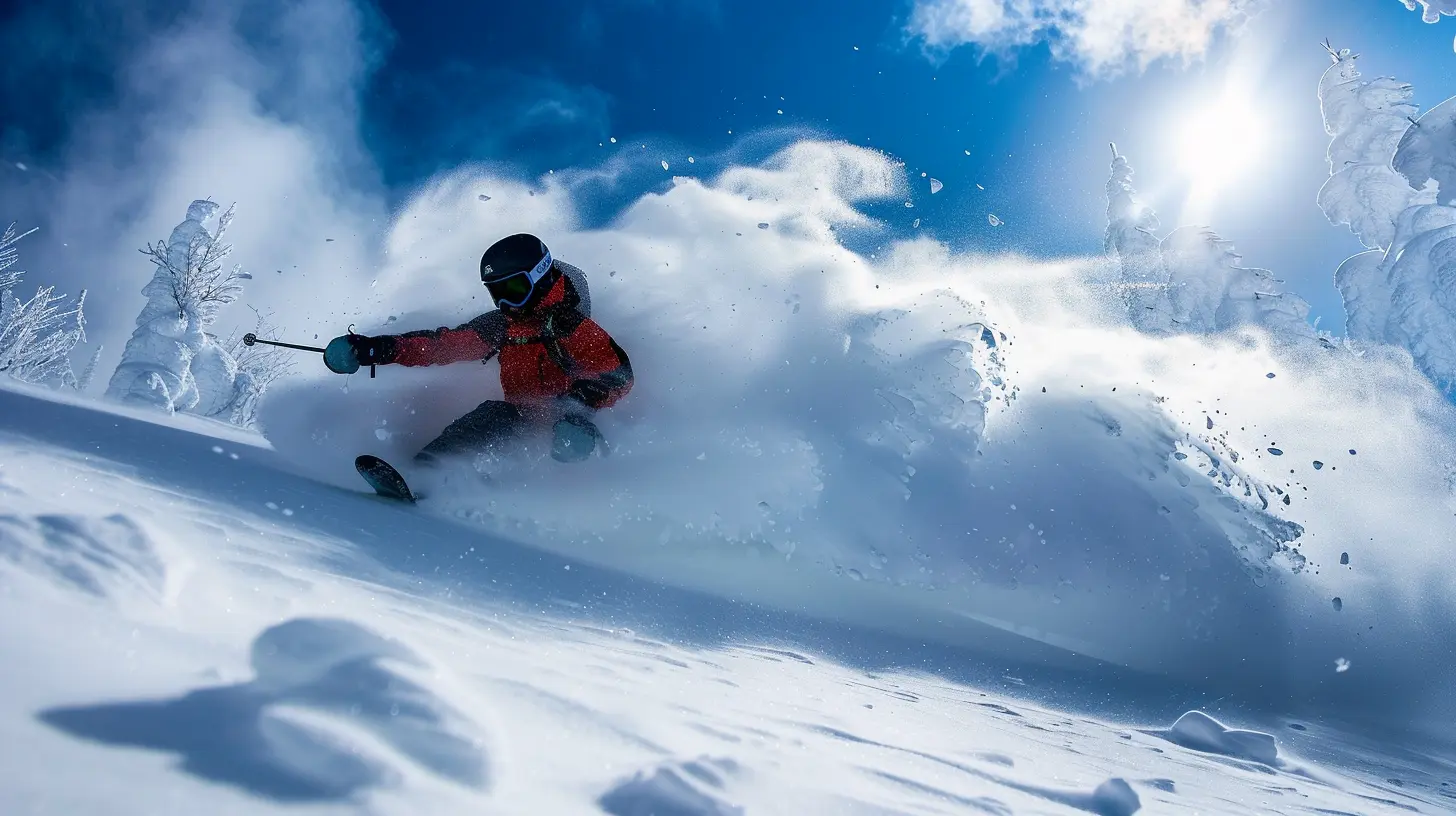
Before diving into the nitty-gritty of technique, let’s talk about why snowboarding in powder is so unique. Powder snow is soft, deep, and, well, powdery! Unlike on packed snow, your board will naturally sink a bit into the snow, which affects how you balance and turn.Imagine walking on sand versus walking on pavement. On sand, you sink slightly with each step, and it requires more effort to move forward. The same goes for powder. It’s more forgiving than hard-packed snow when you fall, but it can also be more challenging to gain momentum and control your board.
Now, let's get into the tips to help you conquer that fluffy, deep snow.
1. Adjust Your Stance
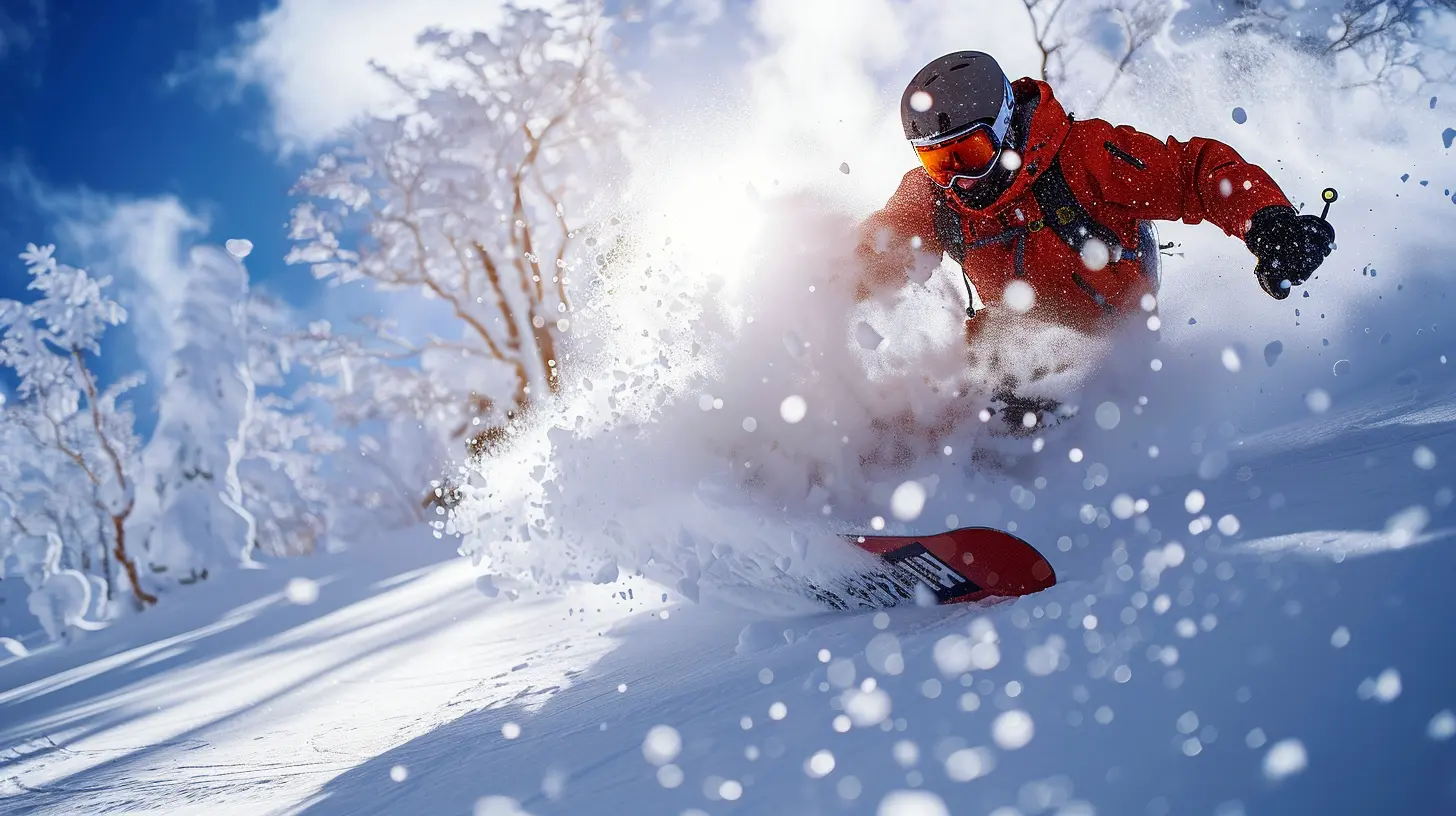
The first thing you should do when preparing to ride in powder is adjust your stance. On hard-packed snow, you might be used to keeping your weight evenly distributed between your front and back feet. In powder, however, you’ll need to shift more weight towards your back foot.Why Shift Your Weight Back?
By leaning back, you help keep the nose of your snowboard above the snow, which prevents it from diving into the deep powder and causing you to come to an abrupt stop (or worse, a faceplant!). Think of it like driving a boat – you want the front (nose) to glide above the water (or snow, in this case), rather than plowing through it.How Much to Lean Back?
You don’t need to be leaning so far back that you’re riding on your tail, but a subtle shift in weight is enough. Try moving your hips slightly towards your back foot and feel how your board starts to float more easily on top of the powder.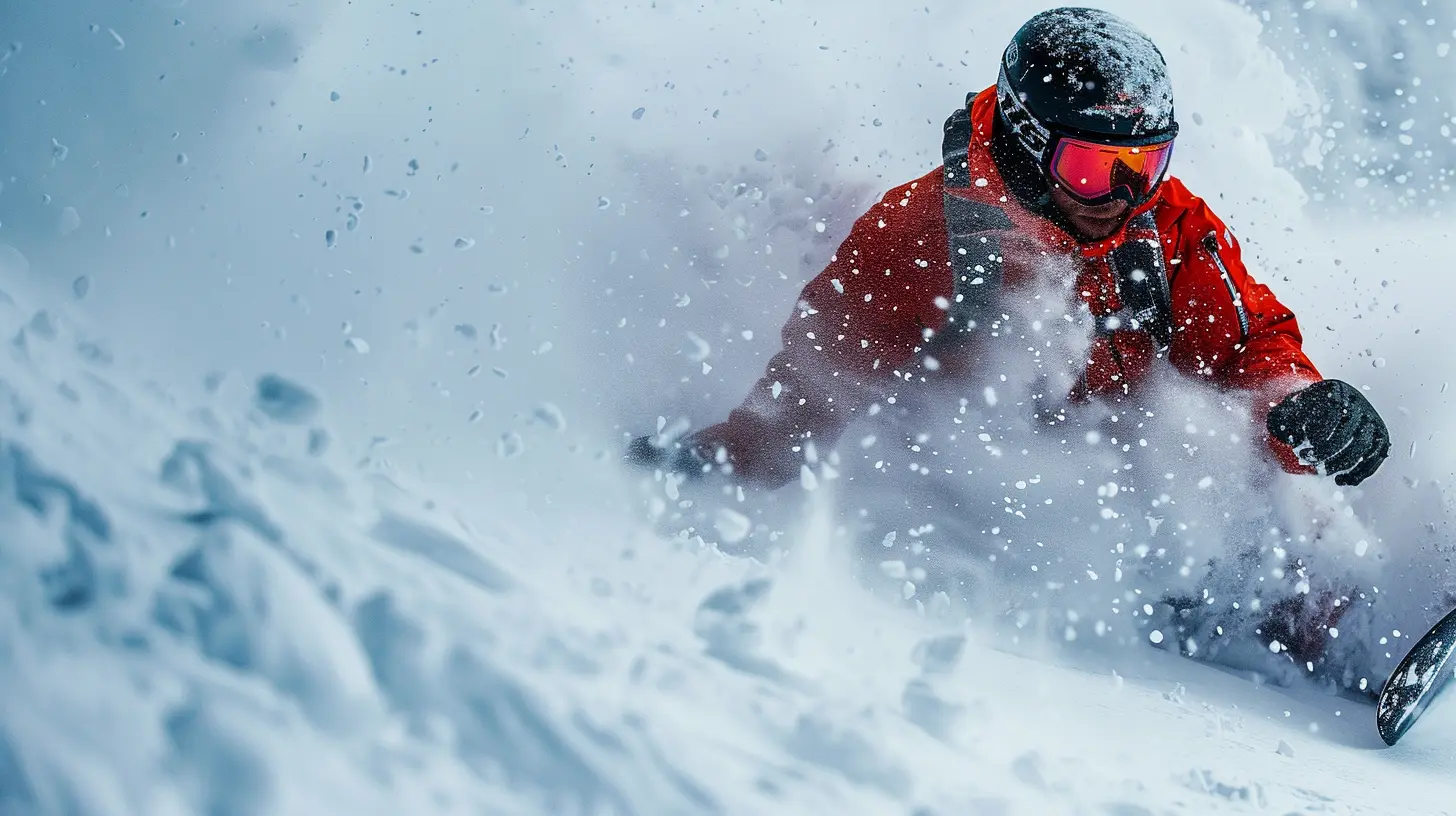
2. Keep Your Speed Up
One of the biggest challenges when riding powder is maintaining enough speed to stay afloat. Powder snow has a way of slowing you down, and if you lose too much speed, you might find yourself sinking deep into the snow and coming to a stop.Speed is Your Friend
In powder, speed is your best friend. The faster you go, the more momentum you have, and the easier it is to stay on top of the snow. This doesn’t mean you need to bomb the hill at breakneck speeds, but you should aim to keep a steady pace as you ride. The key is to find that sweet spot where you’re going fast enough to float but still in control.No Sudden Movements
Be careful with sudden movements or sharp turns, as they can slow you down or cause you to lose balance. Instead, aim for smooth, flowing movements that allow you to maintain your speed and rhythm.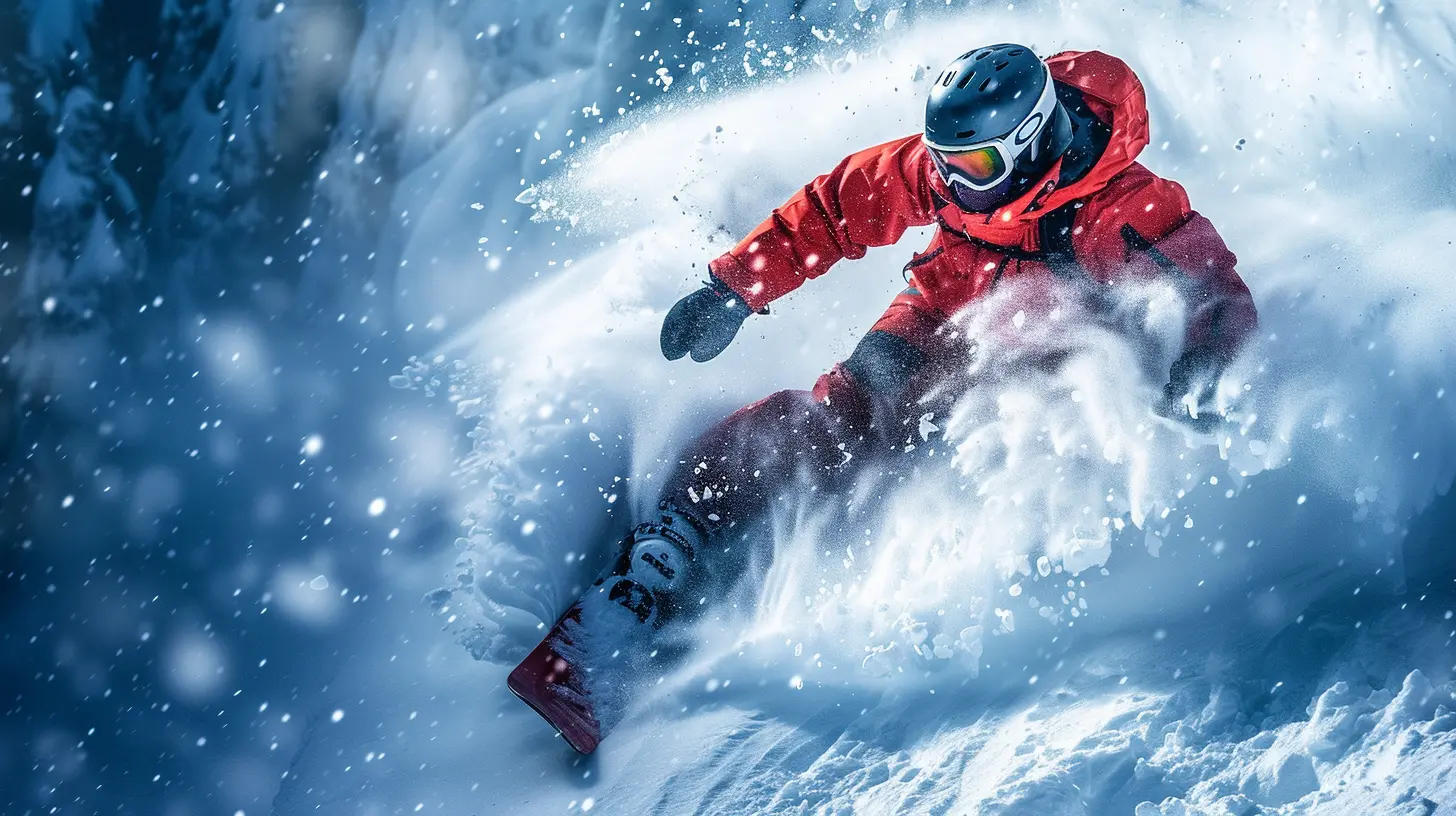
3. Use a Slightly Wider Stance
A wider stance can give you more stability in powder. When your feet are set slightly farther apart, it helps distribute your weight more evenly, making it easier to stay balanced on top of deeper snow.How Wide Should You Go?
You don’t need to go too extreme with this. Just move your bindings an inch or two wider than your usual stance, and you should notice an improvement in your stability. If you’re riding a directional board, make sure the back foot is set a little further back than the front to aid with the float.4. Keep Your Turns Smooth and Wide
In powder, sharp, aggressive turns don’t work as well as they do on hard-packed snow. Instead, you want to make wide, arcing turns.Why Wide Turns?
When you turn too sharply in powder, you create more resistance between your board and the snow, which can slow you down or cause you to sink. By making wider turns, you spread your weight more evenly and keep your speed up.Carving Through Powder
When making turns in powder, think of it as carving rather than spinning. Instead of quickly pivoting your board from edge to edge, focus on engaging your edges slowly and gradually, allowing the snow to flow beneath you as you turn. The result is a smoother, more controlled ride.
5. Stay Relaxed and Go With the Flow
One of the most important tips for riding powder is to stay relaxed. It’s easy to tense up when you feel out of control, but that only makes things worse. In powder, you need to be flexible and go with the flow.Let Your Body Move Naturally
Powder riding is all about being fluid. Let your body move naturally with the terrain. If the snow beneath you feels uneven, don’t fight it. Instead, absorb the bumps and dips with your knees and ankles, allowing your body to adapt to the ever-changing surface.Don’t Overthink It
There’s something almost meditative about riding in powder. Once you’ve got the basics down, try not to overthink every movement. Just let the snow guide you. Trust your instincts, and you’ll find yourself flowing effortlessly through the powdery goodness.6. Choose the Right Board for Powder
Not all snowboards are created equal, and if you’re planning on riding in powder regularly, it’s worth considering a board that’s designed for it.What Makes a Good Powder Board?
Powder boards are typically a bit wider, with a longer nose and a shorter tail. This shape helps keep the nose above the snow while allowing the tail to sink slightly, making it easier to float on top of deep snow. Some powder boards also have a rocker profile, which further enhances their ability to stay afloat.If you don’t have a dedicated powder board, don’t worry. You can still ride powder on a regular all-mountain board, but it just might require a bit more effort.
7. Practice Makes Perfect
Like anything in snowboarding, mastering powder takes practice. The more time you spend riding in deep snow, the more comfortable and confident you’ll become.Start Small
If you’re new to powder riding, start on more gradual slopes with smaller amounts of fresh snow. As you get more comfortable, you can start tackling steeper, deeper terrain. The key is to build your skills gradually and not rush into challenging conditions before you’re ready.Embrace the Challenge
Powder riding can be humbling. Don’t get discouraged if you take a few tumbles or find yourself struggling at first. Even the most experienced riders have had their fair share of faceplants in deep snow. Embrace the challenge, learn from your mistakes, and keep pushing forward.8. Know When to Rest
Lastly, remember that riding powder is physically demanding. It requires more effort and energy than riding on groomed runs, so don’t be afraid to take breaks when needed. If you start feeling fatigued, give yourself a moment to catch your breath and recharge.Avoid Overexertion
Fatigue can lead to loss of control and increased risk of injury, so it’s important to listen to your body. If you feel your legs burning or your balance starting to falter, it’s time for a rest.
Final Thoughts
Riding powder is one of the most exhilarating experiences in snowboarding. Once you get the hang of it, there’s nothing quite like the feeling of floating effortlessly through untouched snow. It’s a whole different world compared to groomed runs, but with the right techniques, equipment, and mindset, you’ll be able to master powder with ease.So, the next time you see a fresh dump of snow, don’t shy away. Embrace the challenge, apply these tips, and get ready for an epic day in the powder. Trust me, once you’ve tasted that sweet powder ride, you’ll be hooked for life.
all images in this post were generated using AI tools
Category:
SnowboardingAuthor:

Fernando Franklin
Discussion
rate this article
2 comments
Kian McBride
This article effectively highlights essential techniques for navigating fresh powder, but it could benefit from deeper insights into the psychological aspects of mastering snowboarding in challenging conditions.
January 9, 2026 at 4:55 AM
Fernando Franklin
Thank you for your feedback! I'll definitely consider incorporating more on the psychological aspects in future articles.
Theo Collins
Great tips! Can't wait to hit the slopes and master that powder. Thanks for sharing your expertise!
December 17, 2025 at 3:45 AM
Fernando Franklin
Thanks for your enthusiasm! Enjoy the slopes and have fun mastering that powder! 🏂❄️