National Teams That Have Redefined the Beautiful Game
1 April 2026
When people talk about "The Beautiful Game", they’re not just referring to goals and glory — they're talking about those magical moments when a team changes how the game is played. Some national teams didn’t just win trophies; they reshaped football forever. They brought style, tactics, swagger, and a whole new way of seeing the pitch. Ready to take a trip down football's memory lane? Let’s kick off.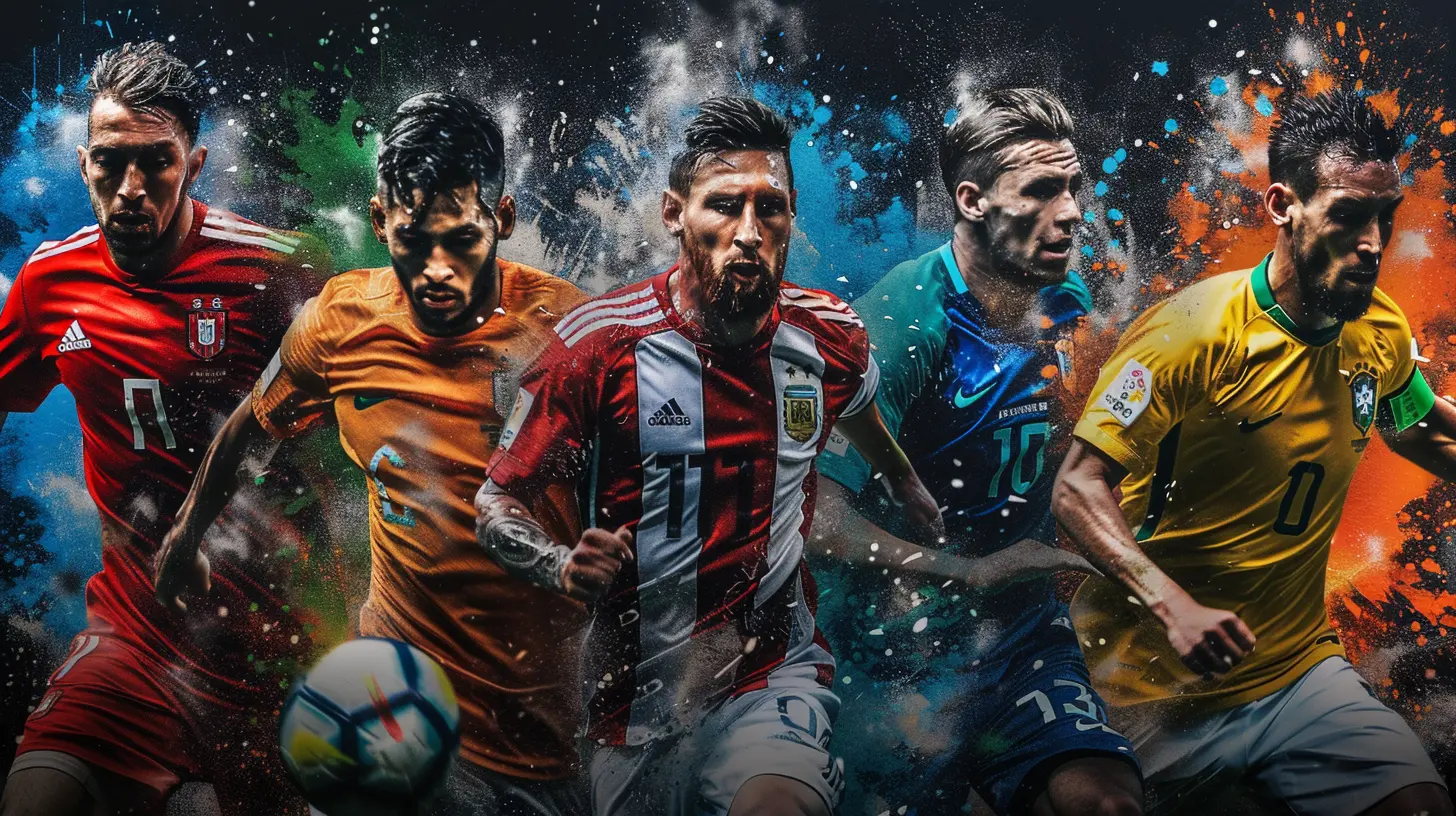
Brazil (1958–1970): Samba Style That Danced Into History
If you’re talking greatness, you’ve got to start with Brazil. The team that brought rhythm to football. They didn't just win — they dazzled.Why They Changed the Game
Picture this: Pelé, just 17, lighting up the World Cup in 1958. Brazil’s game was fluid, free-flowing, and artistic — just like a samba dance on the turf. Before them, football was tactical and rigid. Brazil said, "Let’s play with joy." Their approach was all about flair, unpredictability, and creativity.From 1958 to 1970, they grabbed three World Cups (1958, 1962, and 1970). But more than trophies, they inspired a generation to fall in love with football.
Key Players
- Pelé – A living legend even today- Garrincha – The dribbler who made defenders dizzy
- Carlos Alberto Torres – Remember that stunning goal in 1970? Top-tier stuff
Netherlands (1974): The Birth of Total Football
The Dutch team in 1974 didn’t win the World Cup, but boy, did they leave their fingerprints all over football.What Was Total Football?
Total Football meant any player could play in almost any position. Sounds wild, right? But it worked! If a defender charged forward, a midfielder dropped back. It was like a well-choreographed dance. They played as one big brain — constantly moving, adapting, thinking.Johan Cruyff: More Than Just a Player
Cruyff wasn’t just a baller; he was a football philosopher. Watching him was like watching a chess grandmaster. He didn't just play the game, he saw it five steps ahead.This Dutch team taught the world that football could be intelligent and artistic at the same time.
Argentina (1986): One Man, One Mission
This list would be incomplete without Diego Maradona's Argentina. The man practically carried his team to World Cup glory in 1986.Why Maradona’s Argentina Stands Out
You know how every superhero has that one story that defines them? For Maradona, it was Mexico ’86.- He scored the legendary “Goal of the Century”, slaloming past five English defenders.
- Oh, and don’t forget the infamous “Hand of God”. Love it or hate it, it’s folklore now.
What Maradona showed the world is that passion, grit, and genius can come wrapped up in one, even in a team sport.
France (1998 & 2018): The Perfect Blend of Flair and Function
Let’s fast forward a bit. France’s campaigns in 1998 and 2018 were textbook examples of how to mix technical skill and tactical discipline.The Zidane Era (1998)
With Zinedine Zidane pulling the strings, France won their first World Cup on home soil. They weren’t just relying on individual brilliance — they had a system. But Zidane? He was the artist.That final against Brazil? Zidane put two headers in the net like he was on a mission from the football gods.
The Mbappé Era (2018)
Fast forward 20 years, and a new star emerges — Kylian Mbappé. France, once again, found the perfect balance. Speed, youth, experience, and a manager in Didier Deschamps who knew how to mix all those ingredients.Spain (2008–2012): Tiki-Taka at Its Absolute Peak
If Brazil danced and the Dutch thought, the Spaniards passed — a lot. But not just for fun. Every pass had a purpose. From 2008 to 2012, Spain were untouchable.The Tiki-Taka Revolution
This wasn’t just possession; it was oppressive. They passed teams to death — think of a spider slowly wrapping up its prey. They controlled the tempo, the narrative, and the scoreboard.They won:
- Euro 2008
- World Cup 2010
- Euro 2012
Three major tournaments in a row. That’s not a fluke. That’s domination.
Why It Redefined Football
For years, physicality ruled the game. Spain flipped the script. They said, “Let’s win by technicality, patience, and precision.” And guess what? It worked brilliantly.Germany (2014): The Perfect Machine
Germany’s 2014 World Cup win was more than just about lifting the trophy. It was about evolution — adapting the traditional German discipline with a fluid, attacking style.The 7–1 Statement
Remember that semifinal against Brazil? 7–1. In Brazil. A moment in football history that felt like fiction.Germany wasn’t just efficient; they were mercilessly good. Their passing, pressing, and finishing were spot on. It was like watching German engineering on grass.
Tactical Innovation
Germany focused on youth development for years leading up to 2014. They built an identity — fast, technical, and intelligent. And it paid off.Italy (2006): Masterclass in Defensive Art
Catenaccio — the infamous Italian defensive style. But don’t be fooled. Italy in 2006 showed us defense can be just as thrilling as attack.What Made Them Unique?
They had the grit of Gennaro Gattuso and the elegance of Andrea Pirlo. Combine that with a rock-solid defense led by Fabio Cannavaro, and you had a team that could suffocate even the best attackers.Penalty shootouts? No problem. Italy had nerves of steel.
The 2006 Redemption Story
Don’t forget — this win came just after the Calciopoli scandal rocked Italian football. Against all odds, they rallied together and proved that unity and discipline could carry you to the top.Croatia (2018): The Ultimate Underdog Story
Smaller in population than many major cities, Croatia shouldn't have even been close to the final. But football doesn’t care about size; it cares about heart.What Made Croatia So Special?
- Luka Modrić, a magician in the midfield- relentless work ethic
- Tactical awareness
- Team chemistry off the charts
They didn’t win the trophy, but they won hearts worldwide. And they reminded us that football fairy tales still exist.
Honorable Mentions
Let’s hit pause and give a quick shoutout to some other national teams that made a mark:- Uruguay (1930, 1950) – Small but legendary
- Hungary (1954) – The Magical Magyars, dominant before it was cool
- Portugal (2016) – Won Euro 2016 in true underdog fashion
- England (1966) – Their lone World Cup win still echoes across the nation
So, What Can We Learn From All These Teams?
Football is a game of evolution. What worked yesterday won’t work tomorrow unless you keep adapting. These national teams not only won matches — they changed how we think, play, and feel about football.Each team brought something different:
- Brazil brought beauty.
- Netherlands brought brains.
- Argentina brought boldness.
- Spain brought balance.
- Germany brought brilliance.
And every one of them — in their own way — redefined the beautiful game.
Final Whistle
So, the next time you're watching your team struggle to string three passes together, remember this: somewhere in football history, a national team went out and cracked the code. They didn’t just play the game. They changed it.Football’s beauty is that it's always evolving — a constantly shifting art form. And the teams we’ve talked about? They're the artists who painted the masterpiece we’re still admiring today.
all images in this post were generated using AI tools
Category:
National TeamsAuthor:

Fernando Franklin
Discussion
rate this article
2 comments
Lorna McKeever
These teams transformed football, showcasing innovation, skill, and passion on the pitch.
April 29, 2026 at 11:12 AM
Fernando Franklin
Absolutely, their impact on the game is undeniable. They brought creativity and excitement that changed how football is played and enjoyed.
Kendall Rhodes
From Brazil's samba style to Spain's tiki-taka, these national teams have not just played football; they've crafted artistry on the pitch, forever changing how we see the game.
April 8, 2026 at 12:50 PM
Fernando Franklin
Absolutely! Their unique styles have transformed football into a true art form, inspiring generations and showcasing the magic of the sport.