The Cultural Roots of Hooliganism in European Football
25 February 2026
When it comes to European football, there’s more to the game than just goals, glory, and wild celebrations. Behind the roaring chants and electrifying atmospheres, there’s a darker, more chaotic side that’s hard to ignore — hooliganism. But here's the thing: it didn’t just pop out of nowhere. The roots of football hooliganism run deep, tangled in decades (even centuries) of culture, class, and identity.
So, grab a pint (or just a coffee), and let’s unpack the cultural roots of hooliganism in European football. It’s more than just angry fans throwing punches — it’s a reflection of history, society, and the human need to belong.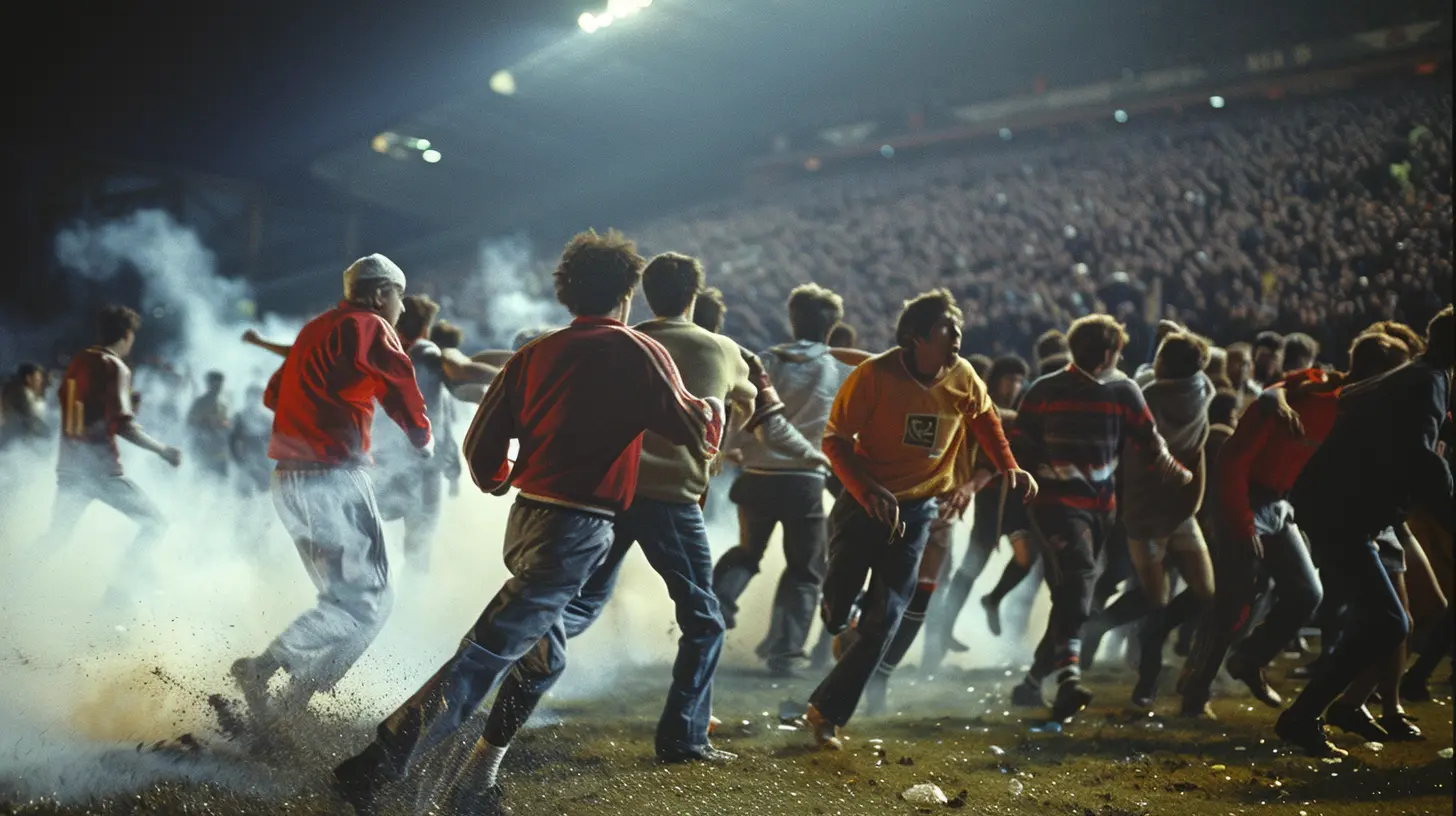
What Exactly Is Football Hooliganism?
Before diving into the deeper stuff, let's make sure we're on the same page.Football hooliganism is basically violent or aggressive behavior among fans — usually outside or inside football stadiums. You’ve probably seen those viral videos of flares, stadium brawls, or ultra groups clashing in the streets. Yeah, that’s hooliganism in action.
But this isn't just about sport. It's often fueled by politics, social frustration, national pride, and a fierce ‘us versus them’ mentality. Intrigued? You should be.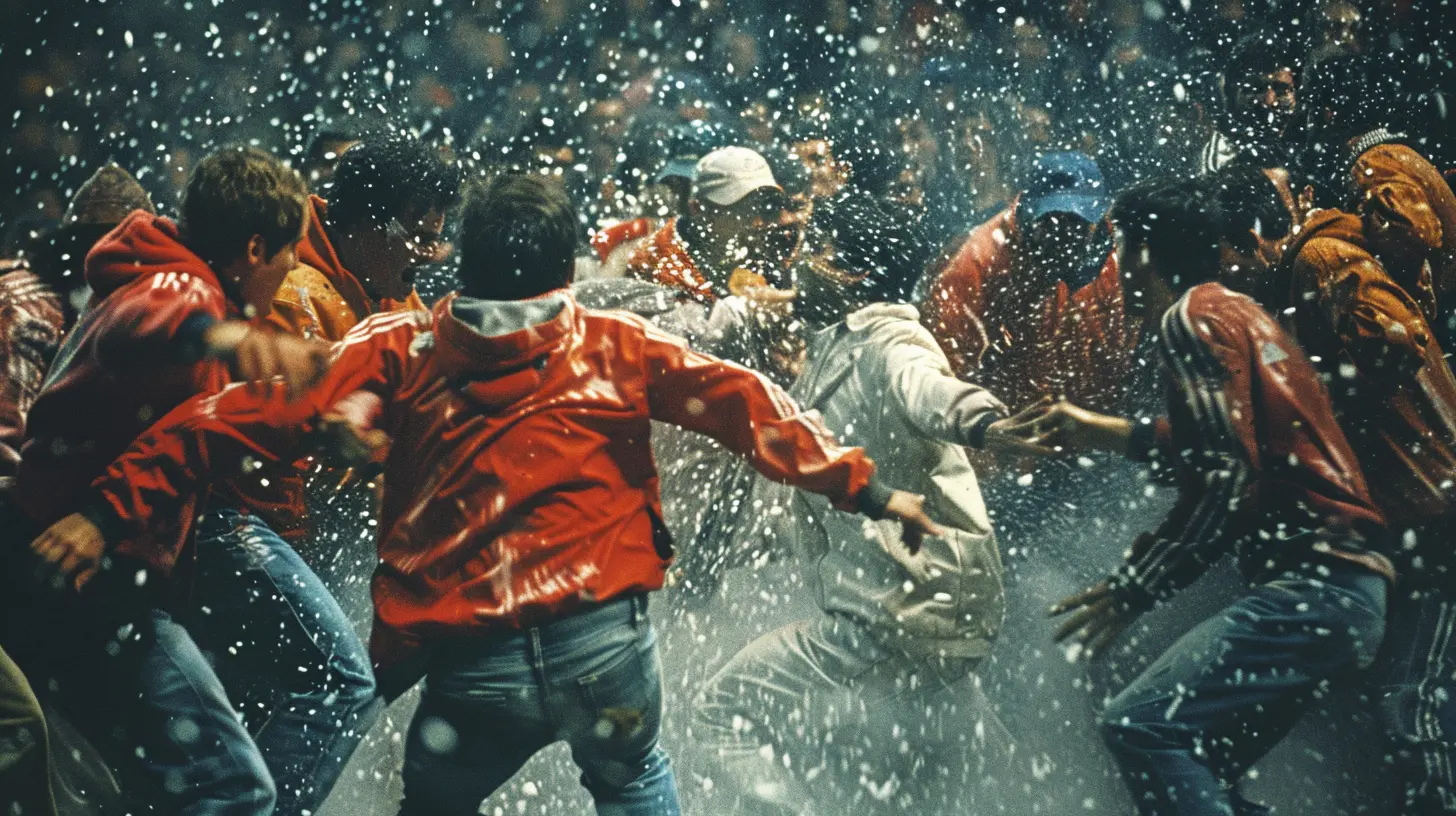
A Quick Stroll Through History
Let’s rewind the clock for a moment.The British Birthplace
Most discussions about football hooliganism start in England. Why? Because, quite honestly, a lot of the modern culture of hooliganism took off right there, especially in the 1960s and 70s.Back in post-war Britain, football became the working man’s escape. Cheap tickets, standing terraces, and homegrown players meant every Saturday was match day. But the terraces weren’t just about football — they became tribal battlegrounds where loyalty was proven with fists and flares.
Each club had its own "firm" — organized groups of hooligans who were as loyal as they were brutal. These firms weren’t just fans; they were gangs that planned fights with rival fans, sometimes miles away from the stadium to avoid police.
Not Just a UK Thing
While England might have set the tone, the rest of Europe wasn’t far behind. Countries like Italy, Spain, Germany, the Netherlands, and Eastern European nations developed their own hooligan cultures, each with a unique flavor.In Italy, for example, the "Ultras" brought organization and political ideology into the mix. In the Balkans, football violence was often tied to ethnic and nationalistic tensions, especially in the volatile 1990s.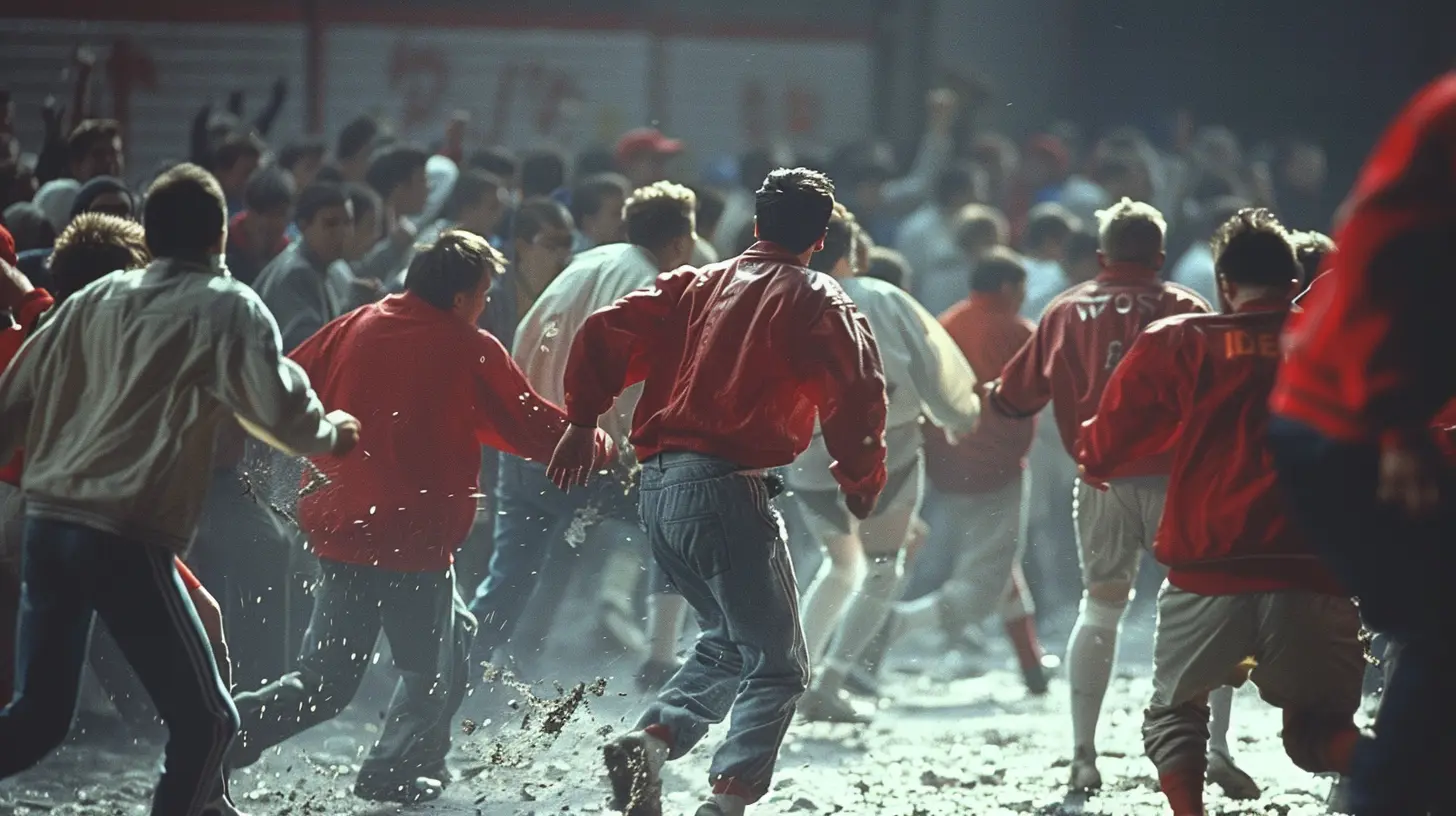
Why Does Hooliganism Happen? Let’s Get Cultural
Here’s where things get juicy. Football hooliganism isn’t just about being angry or drunk. It’s deeply cultural — and understanding the roots means looking at everything from class struggles to political unrest.1. Tribalism and Identity
Human beings love being part of something. It’s in our DNA. Supporting a football club isn’t just a hobby in Europe — it’s often tied to where you were born, your family, and sometimes even your religion.Fans feel like they represent their city or neighborhood. So when their team plays, it’s like their identity is on the line. Suddenly, a game of football becomes a battle of “us” vs “them.”
And guess what? When emotions run that high, fights don’t seem all that out of place.
2. Class and Social Frustration
Take a wild guess who filled the stands in the early days of football? Yep — the working class.In many countries, especially in the UK, football gave blue-collar workers something to rally around. But it also gave them a way to express anger and frustration at a society that often ignored them. Think of it as a pressure valve: the stadium was one of the few places they felt power, purpose, and unity.
Hooliganism, as ugly as it is, was sometimes just an eruption of social fury — loud, chaotic, and impossible to ignore.
3. Political and Nationalistic Vibes
In some parts of Europe, football is entangled with politics. Big time.Take Serbia and Croatia during the Yugoslav Wars — matches between clubs like Red Star Belgrade and Dinamo Zagreb weren’t just games, they were war zones. Nationalism was thick in the air, and fans became foot soldiers without uniforms.
Even today, in places like Poland, Ukraine, and Russia, ultras often have clear political leanings — and they use football to express those views, sometimes violently.
The Media’s Role: Fuel to the Fire?
Let’s be honest — the media loves a good story. And nothing grabs headlines quite like football chaos.Back in the 70s and 80s, tabloids in the UK were filled with images of hooligans rampaging through city centers. Did this help? Not really. If anything, it glamorized the lifestyle to some, making hooliganism seem like a badge of honor.
Even today, social media magnifies the madness. Every flare, every scuffle, every pitch invasion — it all goes viral. And when it spreads like wildfire, guess what? More people want to join in.
Hooligan Firms and Ultra Culture
Let’s talk groups — because football hooliganism isn’t just a spontaneous thing. It’s often highly organized.Hooligan Firms
In the UK, firms like West Ham’s ICF (Inter City Firm) or Millwall’s Bushwackers became infamous. These weren’t just angry fans — they were strategic, brutal, and often trained for violence.They would arrange fights, use spotters, and even develop their own codes of conduct. Weirdly military, right?
Ultra Groups
On the continent, you’ve got the Ultras. Think of them as the dramatic, passionate cousins of hooligans. Ultras are all about massive banners, choreographed chants, and intense loyalty. But don’t be fooled — many ultra groups are no strangers to violence.In Italy, groups like AS Roma’s “Curva Sud” or Lazio’s “Irriducibili” have a history of fierce rivalries, both on and off the pitch.
The Police and the Pushback
Of course, authorities didn’t just sit back and watch. Over the decades, governments and police forces have taken steps to crack down on hooliganism.In the UK, the Thatcher era saw a big clampdown — increased surveillance, banning orders, and heavy policing of matches.
Across Europe, many countries followed suit. Italy installed high-tech security cameras, and in Germany, fan IDs were introduced to keep tabs on known troublemakers.
But here's the kicker: violence hasn’t disappeared. It’s just changed shape. Today, many clashes happen away from stadiums — in train stations, back alleys, and even organized battles in forests (yes, seriously).
Is Hooliganism Still Alive Today?
Short answer? Yes… but it’s different.Modern football is more sanitized. Stadiums are safer, tickets are more expensive, and there are more families in the stands. The average “hoolie” isn't swinging punches in the 20th row anymore.
But on the fringes? The culture is alive — especially in Eastern Europe and parts of Southern Europe, where socio-political tension still simmers.
And don’t forget about the internet. Hooligan groups now use encrypted apps to organize meetups, share videos, and even recruit new members.
Football’s Reflection of Society
Football mirrors society — it always has. When a nation is tense, divided, or angry, you’ll see it on the terraces.Hooliganism is a symptom, not the disease. It speaks volumes about inequality, disillusionment, and a desperate need to belong to something bigger than ourselves.
It’s ugly, sure. But it’s also deeply human.
A Final Whistle on Hooliganism
Let’s not sugarcoat it — hooliganism is dangerous, disruptive, and quite frankly terrifying for regular fans. But pretending it’s just about rowdy sports fans completely misses the point.This isn’t a “football problem.” It’s a cultural phenomenon with roots in identity, class, politics, and belonging. And if we ever want to truly understand (or fix) it, we need to look beside the pitch — not just on it.
Because sometimes, what happens in the stands says more than what happens on the scoreboard.
all images in this post were generated using AI tools
Category:
HooliganismAuthor:

Fernando Franklin
Discussion
rate this article
2 comments
Elias Palmer
Great insights on the cultural origins of hooliganism! It's important to understand these complexities in football's history.
April 1, 2026 at 11:57 AM
Fernando Franklin
Thank you! I'm glad you found it insightful. Understanding these roots is key to addressing the issue.
Mason Rios
Insightful analysis of football's complex culture!
February 27, 2026 at 4:42 AM