The Dark Side of Rivalries: How Hooliganism Erupts
30 March 2026
Rivalries are what make sports exciting, right? Whether it's the Yankees vs. Red Sox in baseball, Real Madrid vs. Barcelona in soccer, or Lakers vs. Celtics in basketball, these matchups get the blood pumping. Fans live for the drama, the tension, and even the trash talk. But what happens when that rivalry spills over into something darker? What happens when passion transforms into aggression, and competitive spirit gives way to violence? This is where the dark side of rivalries comes into play—hooliganism.
Hooliganism is not just a random outburst of violence. It’s a phenomenon deeply rooted in sports culture, often tied to identity, tribalism, and even politics. In this article, we're going to dive deep into how and why hooliganism erupts in sports rivalries, its history, and its devastating impact on the beautiful game (and beyond).
What Exactly Is Hooliganism?
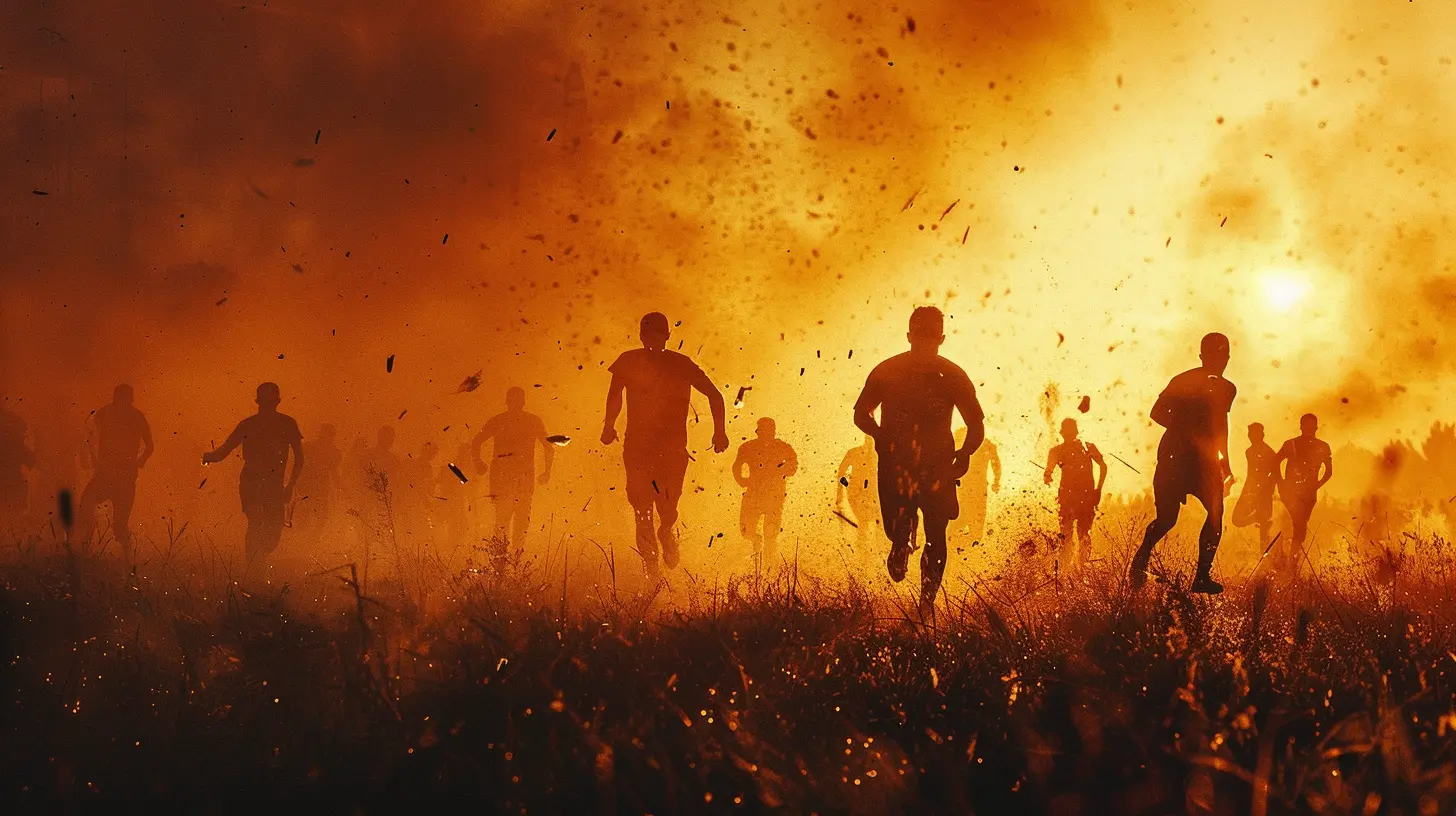
Hooliganism, in simple terms, refers to violent or rowdy behavior by fans, especially in the context of sports events. It’s often premeditated, carried out by groups, and has little to do with the actual outcome of the game, but everything to do with asserting dominance, defending "territory," or simply indulging in chaos.It sounds extreme, right? But hooliganism isn’t a new phenomenon. It’s been around for decades, especially in football (soccer) circles, but it can rear its ugly head in other sports too.
A Brief History of Hooliganism in Sports
Believe it or not, hooliganism in sports has roots going back to the 19th century. Ever heard of the "Riot Act"? It was literally passed in England to deal with unruly mobs, including sports fans.But fast-forward to the 1970s and '80s, particularly in Europe, and hooliganism hit its peak. Soccer stadiums became battlegrounds. Groups of ultra-violent fans, often called "firms" in England, would organize fights, trash public property, and even invade the pitch.
In 1985, the Heysel Stadium disaster in Belgium resulted in 39 deaths and hundreds of injuries when Liverpool and Juventus fans clashed violently. This tragedy highlighted the extremes of hooliganism and forced authorities to take the issue more seriously.
So, how does something that’s supposed to be fun and entertaining—watching a sports match—lead to violence and destruction?

Why Do Rivalries Turn Violent?
1. Tribalism and Identity
Let’s face it: humans are tribal by nature. We love to belong to a group, whether it's a political party, a social class, or yes, a sports team. When we invest emotionally in a team, it becomes part of our identity. It’s no longer just a game; it’s personal.In fierce rivalries, opposing fans aren’t just people who support a different team—they’re "the enemy." This "us vs. them" mentality can quickly escalate, especially when alcohol, peer pressure, and a history of bad blood are involved. Remember, hooliganism is often about more than just the game; it’s about identity.
2. A History of Bad Blood
Speaking of history, some rivalries are seeded in more than just athletic competition. Take the Old Firm rivalry between Celtic and Rangers in Scotland. On the surface, it's just two soccer teams battling for dominance. But dig deeper, and you find religious sectarianism, with one team historically tied to Catholicism and the other to Protestantism. That’s a recipe for tension, even before the ball is kicked.Similarly, in Spain, the El Clásico rivalry between Real Madrid and Barcelona is not just about football. It’s also about politics, with Barcelona historically representing Catalonia’s fight for independence from Spain, and Real Madrid symbolizing the central government. These deep-seated issues can fuel animosity, turning what should be a friendly rivalry into a volatile situation.
3. Alcohol and Drugs
Let’s be real—alcohol and drugs don’t improve decision-making. Many instances of hooliganism are fueled by intoxication. Alcohol lowers inhibitions, making people more likely to act aggressively. Ever been to a sports bar and noticed how the mood changes after a few rounds of drinks? Now imagine that multiplied ten-fold in a stadium filled with thousands of people.When fans get drunk, they’re more likely to engage in rowdy behavior, shout insults, and even start fights. And once one person throws a punch, it’s like a domino effect—everyone around them gets pulled in too. It's chaos in motion.
4. Peer Pressure and Group Dynamics
You might be thinking, "I’d never get involved in something like that." But group dynamics play a big role in hooliganism. When you’re surrounded by people who are all hyped up, chanting, and itching for a fight, it’s easy to get swept up in the moment. The anonymity of being in a large crowd makes people feel invincible, like their actions won’t have consequences.There’s even a psychological term for this: deindividuation. It’s when people lose their sense of self-awareness and personal responsibility in a group setting. In these situations, even people who wouldn’t normally act violently can become swept up in the mob mentality.
5. Revenge and Retaliation
Sometimes, hooliganism is about revenge. Maybe the last time these two teams met, one group of fans got the upper hand, and now the other side wants payback. It’s like a never-ending cycle of tit-for-tat aggression. This can escalate over time, with each meeting between rival teams becoming more dangerous than the last.It’s almost like a vendetta, where the game itself becomes secondary to "settling the score." The rivalry takes on a life of its own, and the violence can get completely out of control.
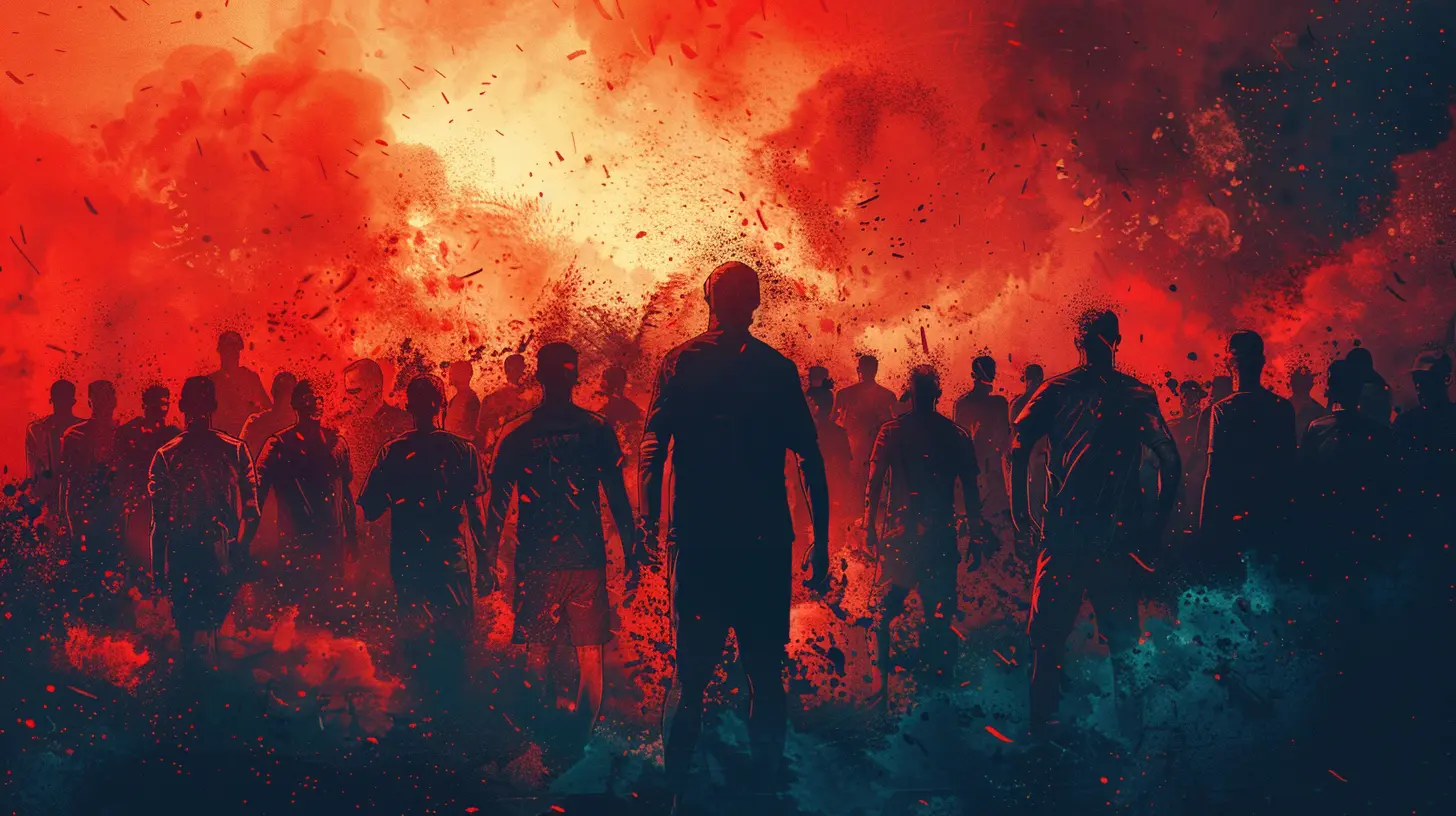
The Impact of Hooliganism
Hooliganism doesn’t just affect the people involved; it has broader societal impacts too.1. Economic Hit
First off, hooliganism can seriously damage the local economy. Think about it—when fans riot, they don’t just fight each other. They destroy property, vandalize businesses, and sometimes even wreck entire neighborhoods. This kind of behavior costs cities millions in repairs, policing, and lost tourism. Who wants to visit a city where you might get caught in the middle of a brawl?2. Safety Concerns
Then there’s the issue of safety. Violence in and around stadiums puts innocent people at risk. Families who just want to enjoy a game can end up caught in the crossfire, as can local residents who have nothing to do with the rivalry.In extreme cases, hooliganism has led to fatalities, as we saw with the Heysel Stadium disaster. No one should have to lose their life over a sports game, but unfortunately, it has happened.
3. Damage to the Sport’s Reputation
Finally, hooliganism can tarnish the reputation of the sport itself. Soccer, in particular, has struggled with this image problem. When people think of hooliganism, they often think of soccer fans, even though the vast majority of fans are peaceful.This negative association can deter potential fans from getting involved in the sport, and it can also make it harder for teams and leagues to secure sponsorships and partnerships.

Efforts to Combat Hooliganism
Authorities have been working for decades to curb hooliganism, with varying degrees of success.1. Increased Security
One of the most straightforward solutions has been to increase security at games. This includes more police presence, better surveillance, and stricter entry rules. Some stadiums have even introduced facial recognition technology to identify known hooligans and prevent them from entering.2. Fan Segregation
In some cases, teams have resorted to segregating fans of rival teams. By keeping the two groups physically separated, they hope to reduce the chances of violence. This can involve separate seating areas, separate entrances, and even different transportation routes to and from the stadium.3. Banning Orders
Another tactic has been issuing banning orders, which prevent known hooligans from attending games. In some countries, these orders can last for years and may even include travel restrictions. For example, in the UK, some hooligans are required to surrender their passports during major international tournaments to prevent them from traveling and causing trouble abroad.4. Education and Fan Engagement
Finally, some organizations are taking a more proactive approach by educating fans and promoting positive behavior. This can involve campaigns that encourage sportsmanship, respect, and tolerance among fans. After all, at the end of the day, sports should be about enjoyment, not violence.Conclusion: Can Rivalries Exist Without Hooliganism?
Rivalries are part of what makes sports so captivating. They add an extra layer of excitement and drama that keeps fans coming back for more. But when those rivalries turn violent, it’s no longer about the game—it’s about aggression, dominance, and chaos.So, can we have heated rivalries without the dark cloud of hooliganism hanging over them? Absolutely. It starts with fans remembering that sports are supposed to be fun, not a battlefield. Rivalries can be fierce, but they should always remain respectful. After all, what’s the point of winning if the game ends in violence?
all images in this post were generated using AI tools
Category:
HooliganismAuthor:

Fernando Franklin
Discussion
rate this article
2 comments
Zeth Cain
Great article! You’ve captured the intense emotions behind sports rivalries while shedding light on the darker side of hooliganism. It’s essential to discuss these issues to foster understanding and promote a more positive atmosphere in the world of sports. Keep it up!
April 26, 2026 at 3:03 AM
Fernando Franklin
Thank you so much. I'm glad the piece resonated—understanding the emotion is key to addressing the harm. Appreciate the support
Reagan McAdams
Great insights on a serious issue. It's crucial to address the impact of hooliganism on sports and community.
March 30, 2026 at 11:00 AM
Fernando Franklin
Thanks for your feedback! It's important to start conversations about these issues.