The Fine Line Between Passionate Fans and Violent Hooligans
28 May 2026
Let’s be real—sports fans can be wild. That electric energy in the stadium, the chants, the face paint, the goosebumps during epic plays… it’s all part of the magic. But here’s the thing: sometimes that passion crosses the line. And when it does? It’s not pretty.
In fact, there’s a very fine—and sometimes dangerously thin—line between being a passionate supporter and becoming an outright violent hooligan. So what causes that shift? Why do some fans keep it classy, while others flip over cars after a game? Let’s dive into this intense world where adrenaline meets identity, and see what really separates love for the game from chaos in the streets.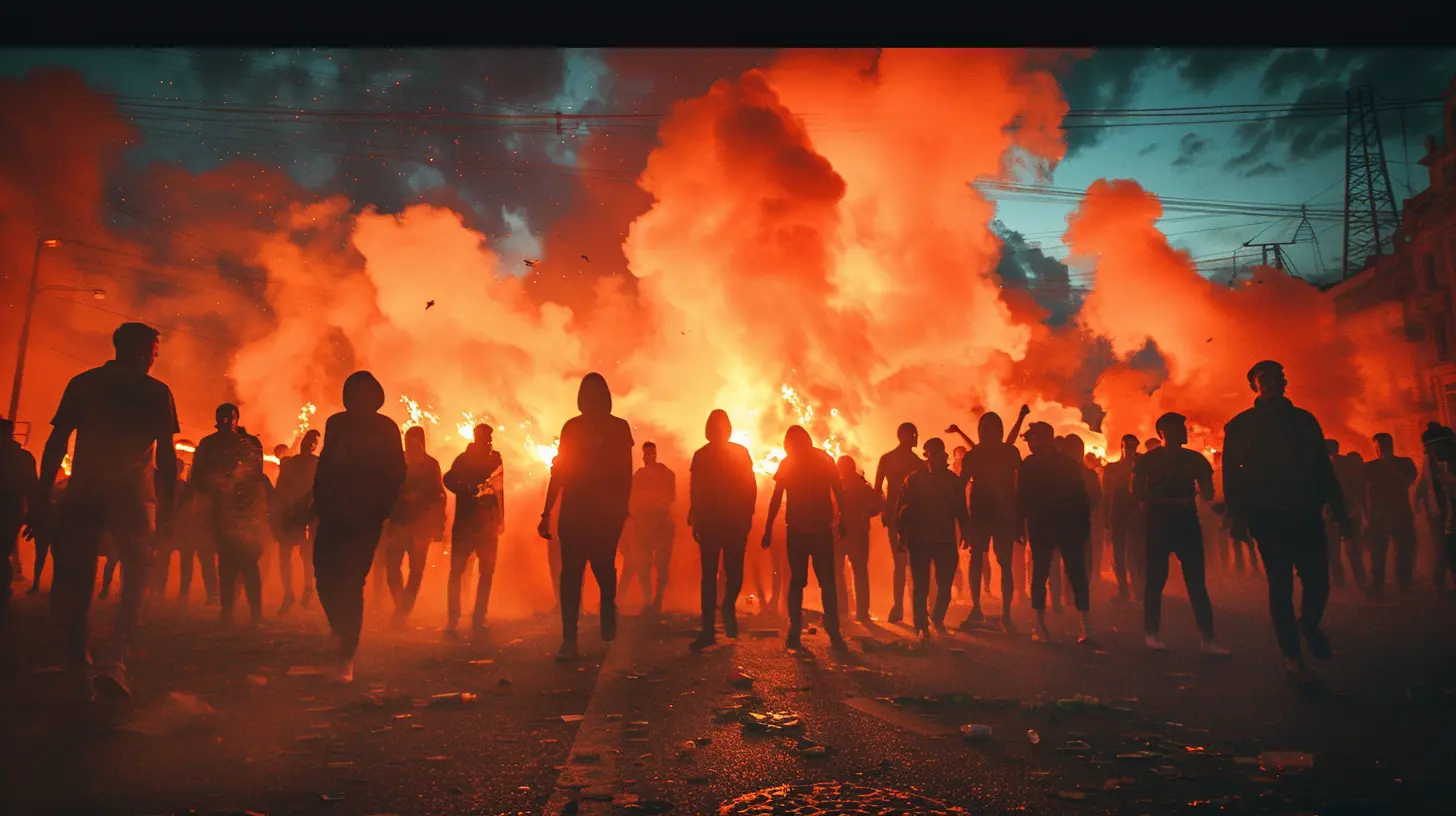
What Drives Fan Passion in the First Place?
Let’s start with the good stuff. Sports fandom is deep. And I mean tattoo-on-your-chest deep. But why do people get so emotionally invested in a team?The Power of Identity
Supporting a team becomes a core part of who people are. That jersey? It’s more than cotton and logos—it’s pride, heritage, belonging. When you chant for your club or country, it's like you're repping your hometown, your culture, maybe even your family legacy.For many, the team isn’t just entertainment. It’s us versus them. And that’s where it gets tricky.
Community and Belonging
Ever been in a stadium when your team scores a last-minute goal? The roar? The hugs from strangers? That’s pure community energy. Sports bring people together like few other things can.It’s a family. A tribe. And when we feel deeply connected to our people, we’ll go to great lengths to defend them… sometimes too far.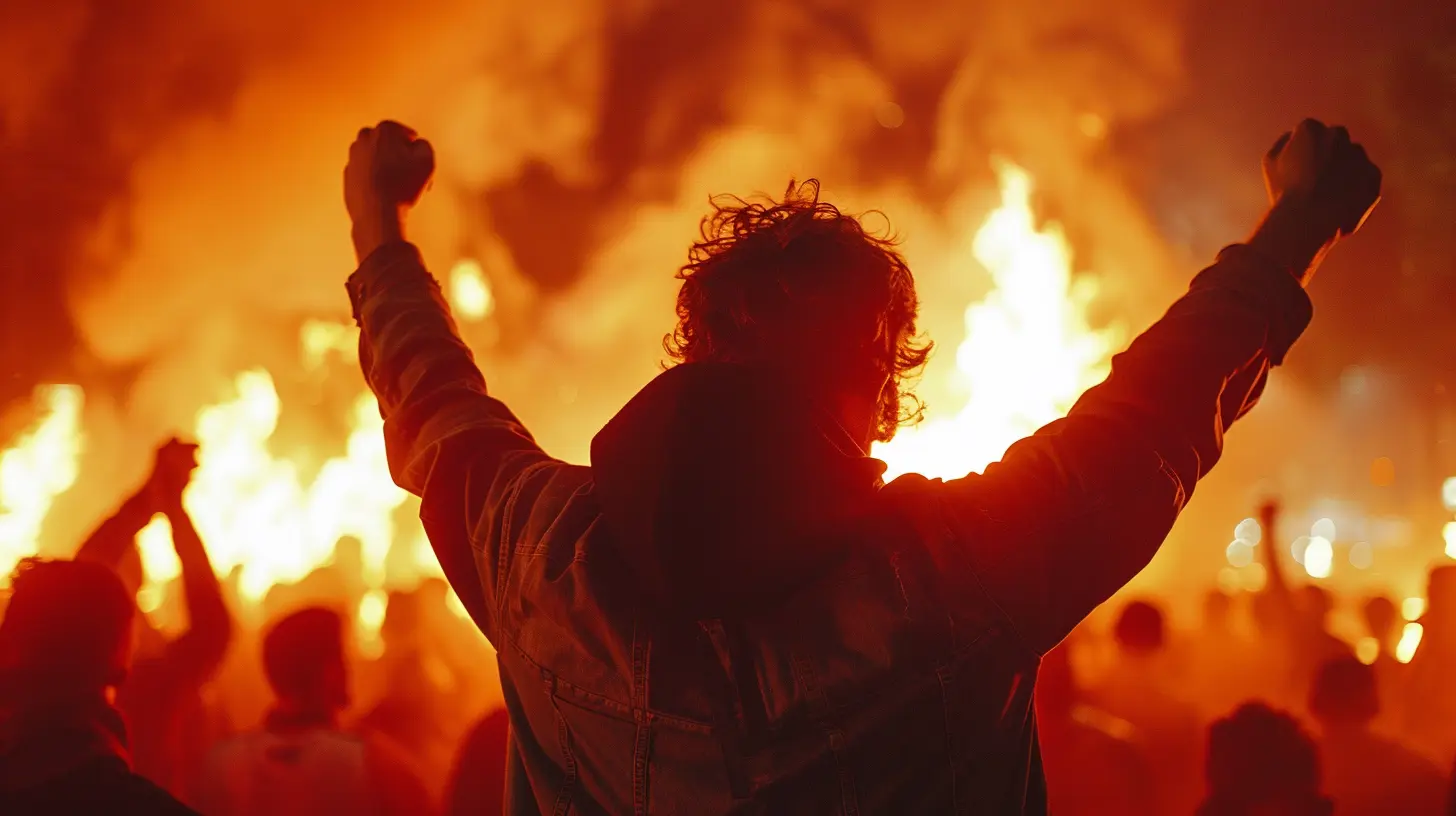
When Passion Turns Toxic
So, what makes someone go from singing chants to throwing flares or getting into brawls? It’s not just one thing—it’s a cocktail of emotions and circumstances.Tribalism on Steroids
Let’s be honest—tribalism is baked into sports culture. And while loyalty can be beautiful, it can also be dangerous. Especially when fans start seeing others not just as rivals, but as enemies.That “us vs. them” mentality? It fuels clashes, both verbal and physical. You add alcohol, group mentality, and maybe a crushing loss, and boom—you’ve got the perfect storm.
Groupthink and Mob Mentality
Ever heard the phrase “It wasn’t me—it was the crowd”? That’s groupthink in action.When people are in large, emotionally charged groups, they sometimes act in ways they never would alone. The crowd becomes a shield—and also a weapon. Simple arguments escalate, and before you know it, the chaos spirals.
It’s not about the game anymore. It’s about dominance, territory, and raw emotion.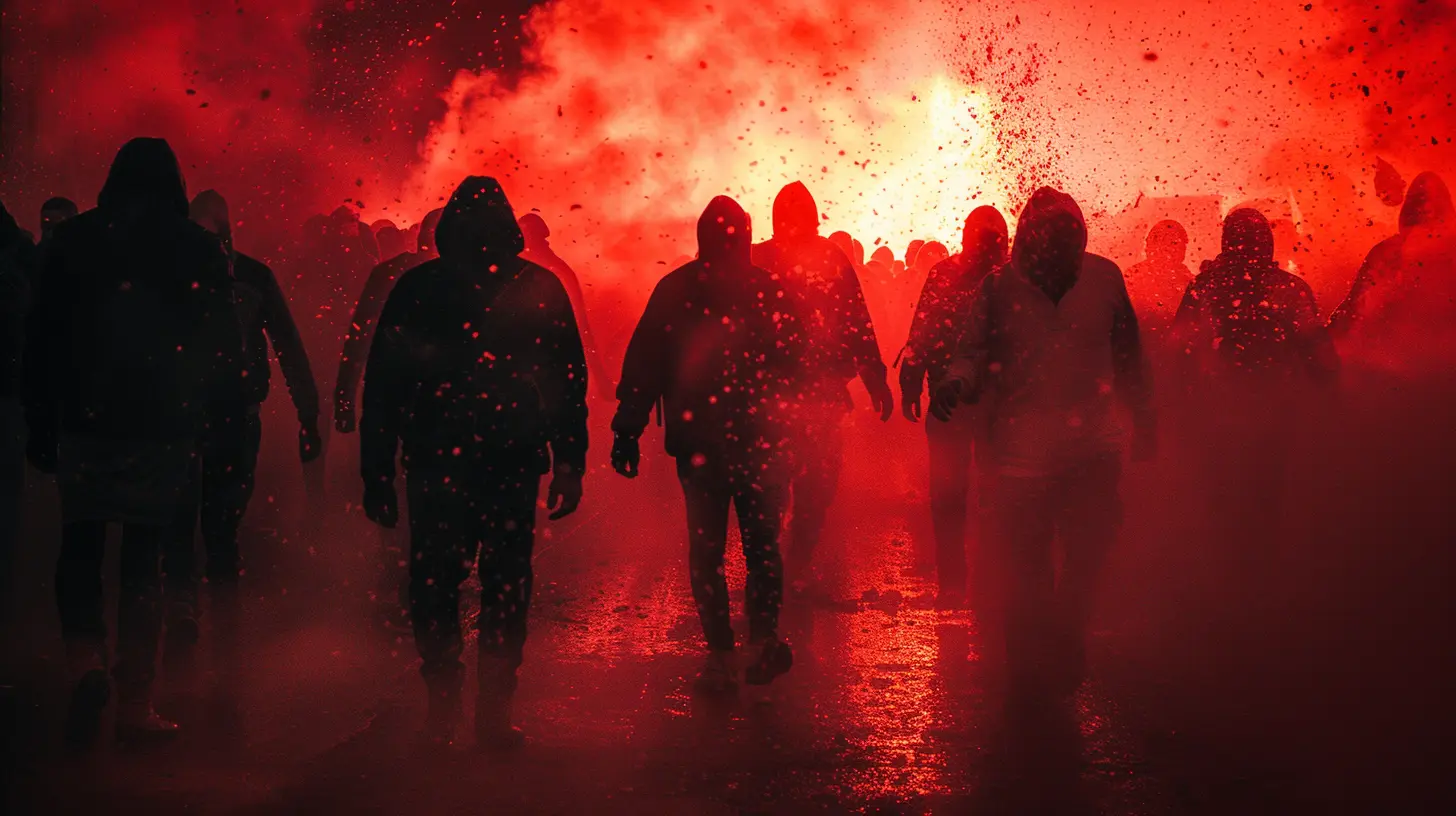
The Role of Media and Social Platforms
Ah, the double-edged sword of media. It can shine a spotlight on positive fan culture, but it can also amplify the worst parts.Glorifying the Violence
Let’s not pretend it doesn’t happen. When clips of stadium fights go viral or when news headlines highlight dramatic confrontations, it adds fuel to the fire. Some hooligans want to be seen. Their actions become a twisted badge of honor.And unfortunately, attention breeds repetition. If vandalism and violence get airtime, they’re more likely to get repeated.
Echo Chambers Online
Online fan groups can be amazing. Memes, match debates, banter—it’s all part of the fun. But when fans crowd into digital echo chambers, it can also reinforce toxic behaviors.Think about it: if you’re in a group where everyone says “those rival fans are scum,” you start to believe it. Then when a matchday rolls around? You’re not going in just to cheer your team—you’re ready for a war.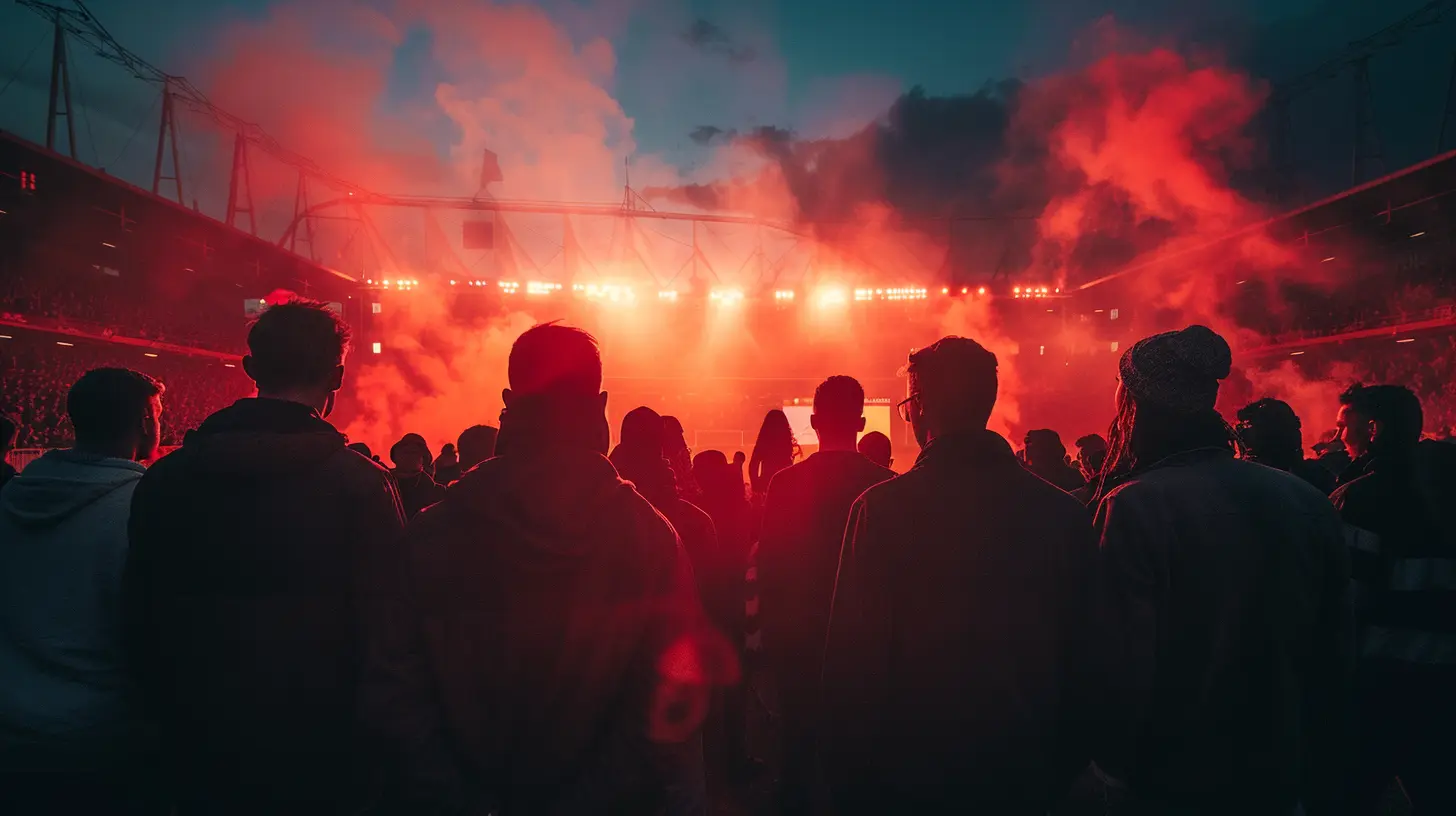
Historical Context Matters
Hooliganism isn’t new. In fact, some places have deep-rooted histories of violent fan culture.Famous Examples from Around the Globe
- England: The 70s and 80s saw a rise in organized hooligan firms. Clubs like West Ham (with the famed ICF – Inter City Firm) were notorious for their violent supporters.- Argentina: The "Barras Bravas" are powerful supporter groups deeply embedded in club politics—often controlling tickets, parking, and even influencing club decisions.
- Eastern Europe: In places like Serbia, Poland, and Russia, fan violence has sometimes mixed with politics and nationalism, creating a potent and dangerous mix.
The Impact of History and Culture
Some of these cultures have long-standing political or social tensions that spill over into the world of sports. Supporting a team isn't just about goals—it's about identity, power, and status.The Responsibility of Clubs and Authorities
Clubs can’t just shrug and say, “Well, fans will be fans.” They’ve got skin in the game, and a real role to play in keeping things safe and respectful.Stadium Policies and Security
Many clubs have cracked down on violence with tighter security, surveillance cameras, and banning problematic fans. Stadium bans, facial recognition tech, and real-time monitoring are now common in big leagues.But it’s not just about heavy-handed policing. It’s also about creating a culture where respect is expected.
Education over Punishment
some teams are flipping the script. They're investing in fan education—running campaigns about respect, diversity, and unity.Because let’s face it: long-term change comes from reshaping mindsets, not just punishing bad behavior.
When Innocent Fans Get Caught in the Crossfire
This part stings the most. Maybe you’ve been there—taking your kid to their first game, only to get caught in a rowdy mob. Nothing sucks the joy out of sports faster than fear.Safety Should Be The Top Priority
Fans should never have to weigh their safety before going to a game. And while most fans are peaceful, it only takes a few bad apples to ruin the whole experience.Especially troubling? When violence spills outside stadiums. Public transport, city streets, even family zones in the stadium—nowhere feels off-limits anymore.
Can Passion and Respect Coexist?
Here’s the million-dollar question: can fans be fiercely passionate while still being respectful?Absolutely.
Look at fanbases in places like Japan, where supporters clean up the stadium after games. Or supporters who sing nonstop for 90 minutes, win or lose, without throwing fists.
The Rise of Positive Fan Movements
Around the world, we're seeing more fan-led campaigns promoting respect, anti-racism, and love for the game. Groups like "Kick It Out" and "Football Supporters Europe" are stepping up.Fans want change. And that’s powerful.
Real Change Starts With Us
Let’s not pretend we’re bystanders here. Every fan has a role to play. Whether you’re in a stadium, a pub, or tweeting from your couch, the culture of fandom is shaped by us.Normalize Respect, Not Rivalry
Rivalries are fun—until they’re not. Banter's great, but racism, sexism, and homophobia? Zero excuse. Let’s call that out hard and fast.Hold Your Own Accountable
We all know that fan. Loud, aggressive, crossing the line. Next time, maybe don't laugh it off. Speak up. Often, that small moment of accountability can snap someone out of a bad moment.Closing Thoughts
Sports are meant to unite us, not tear us apart. We all love that adrenaline rush, the shared joy of victory, the heartbreak of a missed shot or a poor call. But passion should never spill into violence.The line between passionate fans and violent hooligans is thinner than we think. It’s shaped by emotion, identity, culture, and even technology. But ultimately, it’s our choice which side we stand on.
So let’s raise our voices, not our fists. Let’s cheer louder, not fight harder. Because at the heart of it all, sport is love, not war.
all images in this post were generated using AI tools
Category:
HooliganismAuthor:

Fernando Franklin
Discussion
rate this article
1 comments
Renee McCune
Where does loyalty end and chaos begin... a thin divide.
May 29, 2026 at 2:56 AM