The Fitness Gadgets Every Athlete Will Be Using by 2027
29 April 2026
Let’s be real for a second: if you’re still relying on a stopwatch and a notebook to track your training, you’re basically bringing a butter knife to a laser tag fight. The world of sports tech is moving at warp speed, and by 2027, the line between “gadget” and “gear” will be so blurry you’ll barely notice it. I’ve spent years watching athletes—from weekend warriors to Olympic hopefuls—chase that extra 1% edge, and trust me, the future isn’t just about shinier wearables. It’s about tools that think, adapt, and even talk back to you (in a helpful way, not a judgmental one).
So, what’s actually coming down the pipeline? Not the vaporware that looks cool in a Kickstarter video but never ships. I’m talking about the real, honest-to-goodness fitness gadgets that will redefine how you train, recover, and compete. Buckle up, because 2027 is closer than you think.
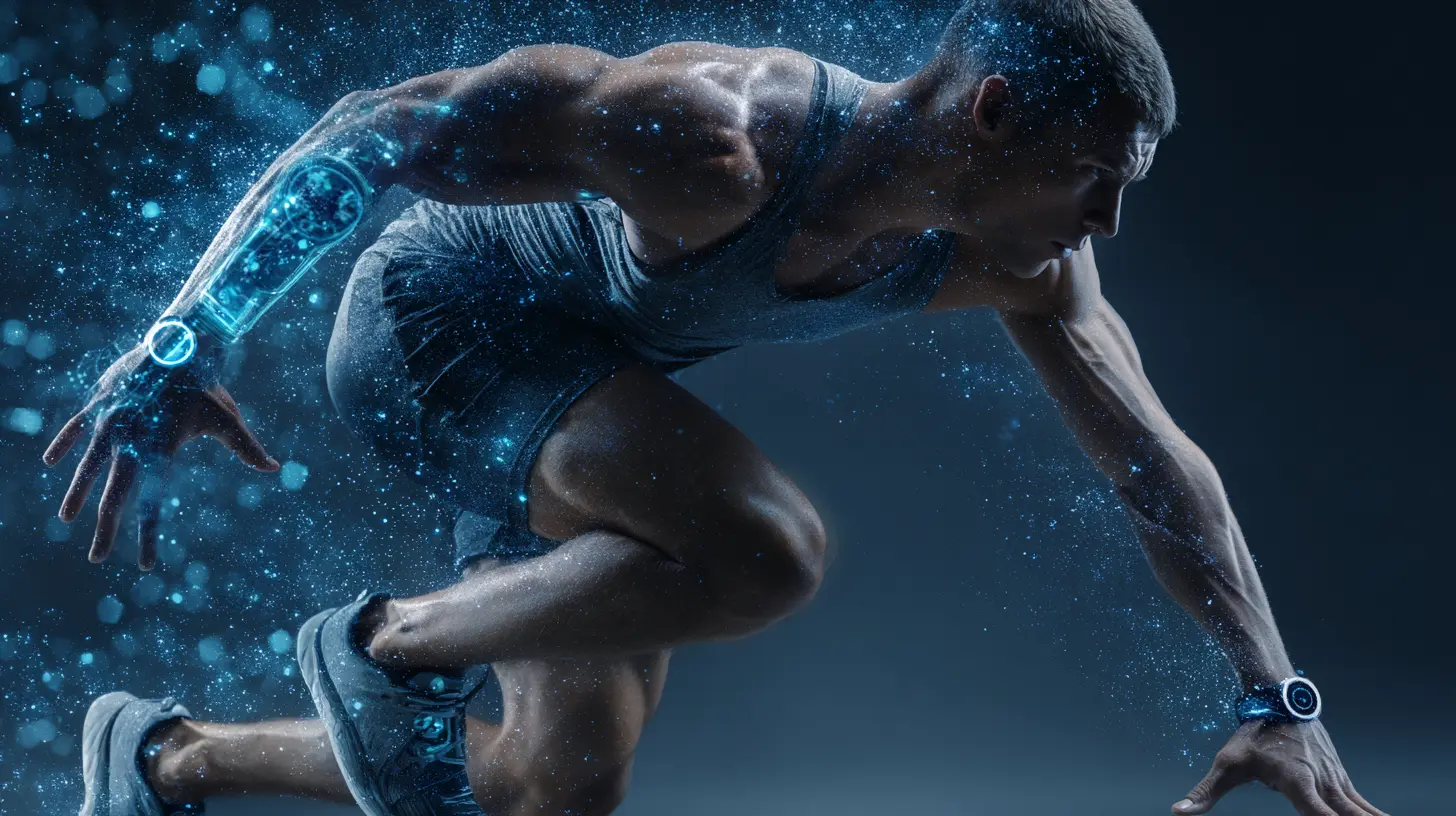
The End of “Guesswork” Training: AI-Powered Coaching in Your Pocket
Remember when “smart coaching” meant a generic workout plan from a magazine? Yeah, that’s about as useful as a chocolate teapot. By 2027, every serious athlete will have an AI coach that doesn’t just track reps—it understands your body’s unique rhythm.Imagine this: you wake up groggy after a bad night’s sleep. Your wearable—let’s call it the “NeuroPulse Band”—senses your elevated cortisol, low HRV, and muscle stiffness. Instead of yelling at you to crush a PR, it whispers: “Today’s a recovery day, champ. Try 20 minutes of zone 2 cardio and some mobility work.” That’s not a fantasy. That’s the direction we’re already heading.
These AI coaches will learn your injury history, your hormonal cycles (yes, even for men—testosterone fluctuates, folks), and your psychological state. They’ll adjust your training load in real-time, preventing overtraining before it even starts. Think of it as having a sports scientist, a physio, and a therapist living inside your watch. No more “I think I can push through this pain” nonsense—the data will call you out.
Why It Matters for You
If you’re an athlete, you know that progress isn’t linear. Some days you feel like a superhero, other days like a sloth on sedatives. An AI coach removes the ego from the equation. It doesn’t care about your Instagram story; it cares about your long-term trajectory. By 2027, this won’t be a luxury—it’ll be as standard as a heart rate monitor.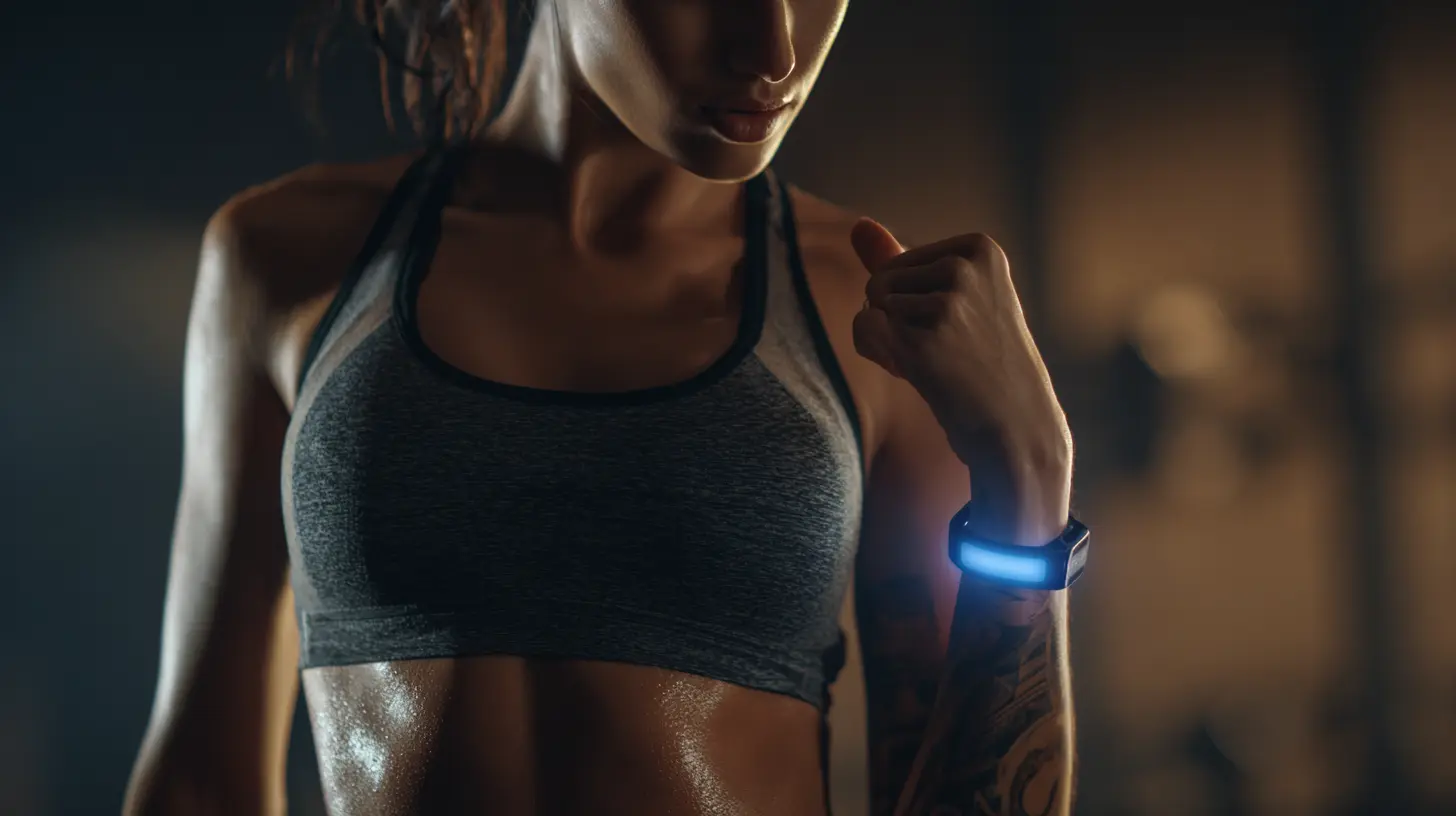
Smart Clothing That Actually Deserves the Name
Let’s be honest: most “smart clothing” so far has been a gimmick. A jacket that plays music? Cool, but I’d rather just use headphones. But 2027 will flip the script with textiles that feel like normal fabric but act like a full biomechanics lab.Enter the “StrideSense” compression tights. They’re embedded with microscopic sensors that track your muscle activation, joint angles, and even ground reaction forces. No more guessing if your form is off during a squat or a deadlift. The tights will vibrate gently on your hamstring if you’re overextending, or buzz on your left glute if you’re favoring one side. It’s like having a coach’s eyes on every muscle group, but without the awkward locker room conversations.
And here’s the kicker: these sensors are washable. They’re woven into the fabric using conductive threads that don’t degrade. You’ll throw them in the laundry just like your favorite old gym shirt. By 2027, wearing “dumb” clothes to train will feel as outdated as using a flip phone.
The Recovery Angle
Smart clothing isn’t just for performance. Imagine a recovery shirt that uses low-level electrical stimulation to soothe sore muscles post-workout, or a pair of socks that monitor your foot strike and predict blisters before they form. Athletes are notoriously bad at listening to their bodies—we push through pain until something breaks. These garments will be the gentle (or not-so-gentle) reminder to slow down.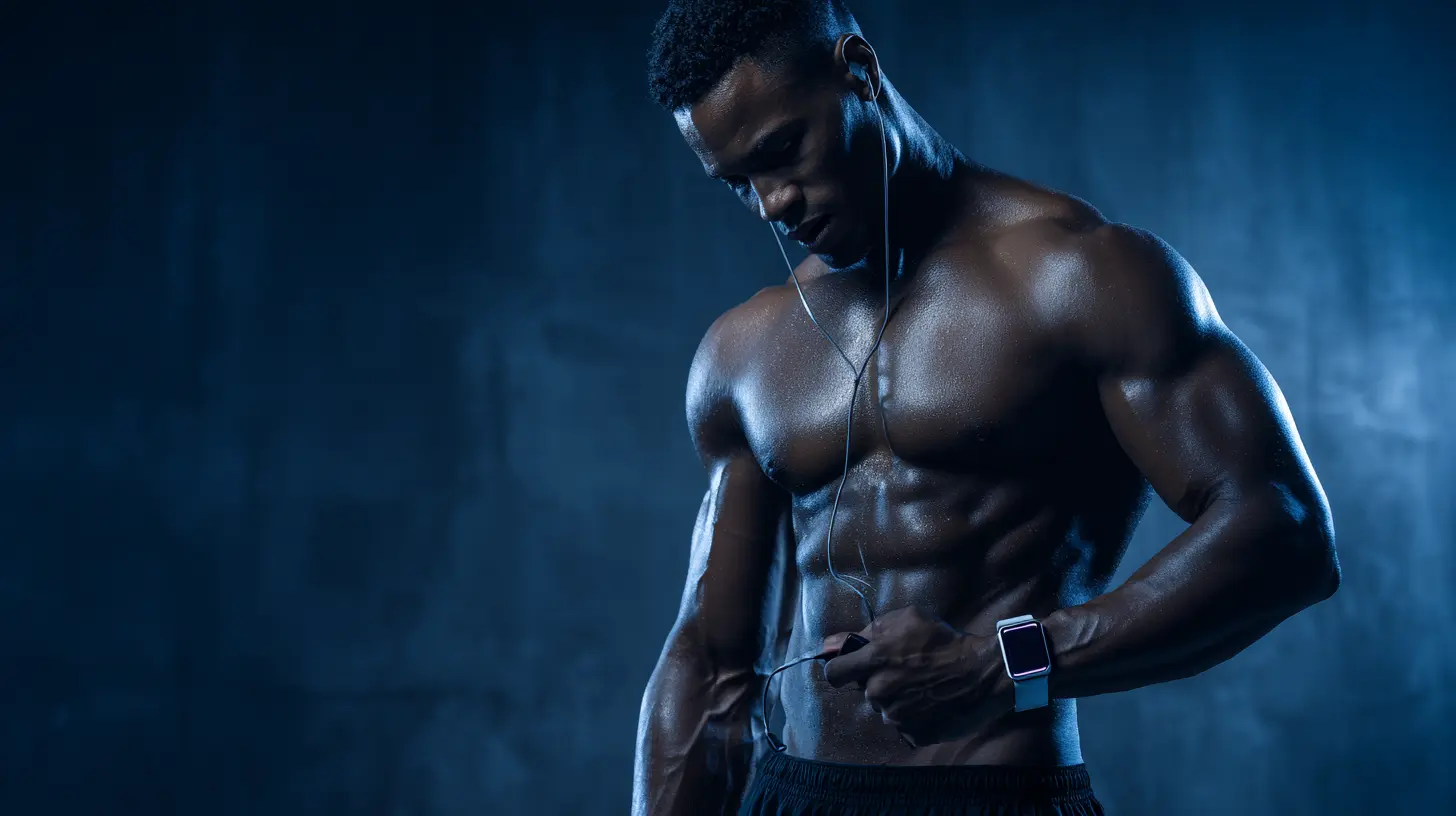
The Rise of “In-Ear” Performance Trackers
Earbuds have already evolved beyond music. By 2027, your in-ear device will be your most important training partner. I’m not talking about just heart rate from your ear canal (though that’s accurate). I’m talking about blood oxygen saturation, core temperature, and even lactate threshold estimation—all from a tiny device that fits in your ear.Picture this: you’re in the middle of a brutal interval session. Your earbuds—let’s call them the “AeroPods”—detect that your blood oxygen is dipping and your lactate is spiking. Instead of waiting for your watch to beep, they deliver a calm voice in your ear: “You’re entering red zone. Drop your pace by 10% for the next 30 seconds to avoid early fatigue.” That’s real-time biofeedback that changes the game.
For endurance athletes, this is gold. No more pricking your finger for lactate tests or wearing a chest strap that chafes. The ear is a surprisingly accurate window into your body’s internal state. By 2027, these earbuds will be as common as water bottles at the start line.
Why You’ll Love It
Because it’s discreet. Nobody wants to look like a cyborg at the gym. With in-ear trackers, you get all the data without the gear. Plus, they’ll double as your phone, your navigation, and your motivational hype-man. “You’ve got this, champ. Only three more reps. Pain is just weakness leaving the body.” Okay, maybe that’s a bit corny, but you get the idea.
Smart Water Bottles That Hydrate You on Autopilot
Hydration is the most underrated performance factor. You can have the best training plan in the world, but if you’re even 2% dehydrated, your performance tanks. By 2027, you won’t have to think about drinking water—your bottle will do the thinking for you.Meet the “HydroSync” bottle. It tracks your sweat rate, electrolyte loss, and even the ambient temperature. It glows blue when you need to drink, red when you’re behind on fluids, and green when you’re perfectly hydrated. It even adjusts your mineral mix in real-time—adding a pinch of sodium or potassium based on your sweat composition.
For athletes who train in hot climates or for long durations, this is a lifesaver. No more chugging water and feeling bloated, or forgetting to drink and hitting the wall. The bottle learns your patterns. If you always forget to hydrate during the third quarter of a game, it’ll buzz your wrist and say, “Hey, you’re falling behind. Sip now.”
The Social Aspect
Some of these bottles will sync with your coach or teammates. Imagine your entire team getting a collective hydration alert during a timeout. “Everyone, drink up. We’re all 3% down.” It’s silly until you realize that proper hydration can improve reaction time by up to 20%. In a close game, that’s the difference between winning and losing.The “Mirror” That Sees Through You
Smart mirrors have been around for a while, but by 2027, they’ll be scary good. The “FormFocus” mirror isn’t just a screen with a workout video. It’s a full-body motion capture system that analyzes your movement in 3D, in real-time.Stand in front of it during a squat, and it will overlay a skeleton on your reflection, highlighting asymmetries or compensations. It’ll say, “Your right hip is dropping. Shift your weight slightly forward.” Or, “Your left shoulder is internally rotated. Open up your chest.” It’s like having a biomechanist in your living room, but without the awkward silence.
For athletes who train alone—which is most of us—this is revolutionary. You can’t see your own form from the outside. You feel like you’re doing it right, but your body has a funny way of lying to you. The mirror eliminates the guesswork. It’s brutally honest, but in a constructive way.
Beyond Strength Training
These mirrors will also track your running gait, your yoga alignment, and even your swimming stroke (if you mount it poolside). By 2027, every home gym worth its salt will have one. And the best part? It doubles as a regular mirror for checking your outfit before a date. Efficiency, baby.
Wearable Resistance Bands That “Know” Your Strength
Resistance bands are great, but they’re dumb. They don’t know how much force you’re applying, and they don’t track your range of motion. Enter the “SmartBands” by 2027. These are bands with built-in force sensors and Bluetooth connectivity.You attach them to a door anchor or a barbell, and they measure every rep with precision. They know if you’re cheating by shortening the range of motion. They know if you’re using momentum instead of muscle. And they adjust resistance dynamically—imagine a band that gets harder at the top of a bicep curl, just when your muscles are strongest, and easier at the bottom, where you’re weakest. That’s called variable resistance, and it’s a game-changer for muscle growth.
For athletes in rehabilitation, these bands are a godsend. They’ll track your progress with millimeter accuracy, ensuring you don’t rush back too soon. Your physio can log in remotely and see your data. “You’re only hitting 80% range of motion on that leg extension. Let’s hold off on plyometrics for another week.” That’s the kind of precision that prevents re-injury.
Why You’ll Ditch Free Weights
Not entirely, but you’ll supplement them. Smart bands are portable, quiet, and infinitely adjustable. You can take them on the road, to the park, or even on a business trip. By 2027, they’ll be as essential as a jump rope for any athlete who values versatility.The “Recovery Pod” That’s Not Just a Cryo Chamber
Cryotherapy chambers are cool (pun intended), but they’re expensive and inconvenient. By 2027, we’ll see personal recovery pods that combine cold therapy, compression, and red light therapy in one sleek, chair-like device.Imagine sitting in your living room, watching Netflix, while the pod cycles through 5 minutes of cold (to reduce inflammation), 10 minutes of compression (to flush out lactic acid), and 10 minutes of red light (to stimulate cellular repair). It’s like having a professional recovery suite in your own home.
For athletes who train twice a day—or even just once with high intensity—recovery is the secret sauce. Most of us neglect it because it’s boring or time-consuming. The pod makes it passive. You just sit there, and your body heals. By 2027, these pods will be affordable enough that serious amateurs will own them. The pros already do, but they’ll be smaller, quieter, and smarter.
The Mental Health Bonus
Recovery isn’t just physical. The pod will also have guided breathing exercises and ambient sounds. After a tough session, you’ll step in, close the lid (or not—some people are claustrophobic), and let the combination of temperature and compression calm your nervous system. It’s a meditation chamber for your muscles.
The “Data Hub” That Unifies Everything
Here’s the dirty secret about all these gadgets: they’re useless if they don’t talk to each other. By 2027, the killer app won’t be a gadget at all—it’ll be the software that stitches everything together.Enter the “Athlete OS,” a platform that aggregates data from your smart tights, your earbuds, your bottle, your mirror, and your recovery pod. It uses AI to find patterns you’d never spot on your own. “You performed best on days when your sleep was above 7.5 hours and your morning HRV was above 70. Also, your hydration was consistently low during the third set. Adjust accordingly.”
This is the holy grail. No more juggling five different apps with five different logins. One dashboard, one view of your athletic life. And it’ll give you actionable advice, not just raw numbers. “Your form is deteriorating after 20 minutes of running. Consider a gait retraining session.” That’s the kind of insight that turns a good athlete into a great one.
The Privacy Question
I know what you’re thinking: “That’s a lot of data. Who owns it?” By 2027, expect stricter regulations. Your data will be yours, encrypted, and only shared with your consent. But you’ll also want to share it with your coach, your doctor, and maybe a few trusted training partners. The ecosystem will be built on trust, not exploitation. At least, that’s the hope.Final Thoughts: Don’t Fear the Future, Embrace It
Look, I get it. Change is uncomfortable. You might be thinking, “I’ve been training for years without all this fancy gear. Do I really need it?” The answer is: no, you don’t need it. You can still crush workouts with a pair of old sneakers and a water jug. But the question is: do you want to maximize your potential?These gadgets aren’t about replacing hard work. They’re about removing guesswork. They’re about giving you the same insights that professional athletes have, but at a fraction of the cost. By 2027, the gap between “elite” and “amateur” will shrink, not because amateurs get worse, but because technology levels the playing field.
So, start paying attention now. Read reviews. Try a few early adopters. Don’t wait until 2027 to figure out what works for you. The future of fitness is already being built, and it’s going to be wild. Are you ready to strap in?
all images in this post were generated using AI tools
Category:
Lifestyle Of AthletesAuthor:

Fernando Franklin
Discussion
rate this article
1 comments
Tate McBride
Exciting innovations ahead! These fitness gadgets promise to revolutionize training and performance. Athletes should start exploring today's options to stay ahead of the game by 2027!
April 29, 2026 at 11:12 AM
Fernando Franklin
Absolutely! The future of fitness gear is looking bright, and athletes will definitely benefit from staying on top of these advancements. Exciting times ahead!