The Impact of Young Stars on Team Rankings in 2027
24 April 2026
So, it’s 2027. The world has finally accepted that avocado toast is a legitimate breakfast food, AI can write your grocery list, and sports leagues have become a glorified daycare center for teenagers with godlike talent. If you’ve blinked in the last three years, you might’ve missed the seismic shift where "veteran presence" got thrown out the window faster than a bad draft pick. Welcome to the era where the kids are not only alright—they’re running the rankings. Let’s dive into this beautiful, chaotic, and sometimes ridiculous reality.
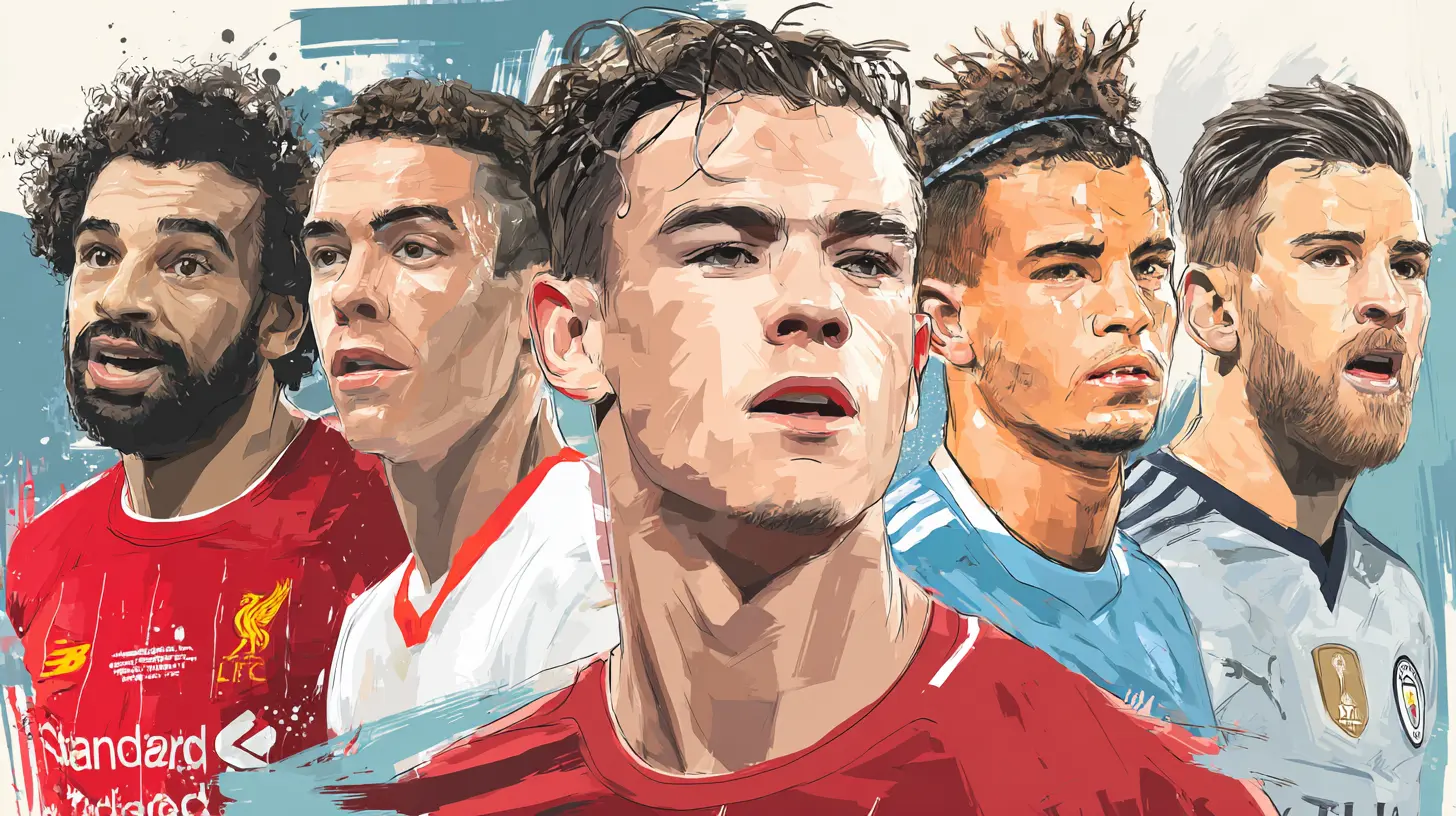
The Great Youth Insurrection: When Diapers Meet Dominance
Remember when rookies were supposed to "learn the ropes"? Yeah, that’s so 2020. In 2027, the ropes are now made of neon-green energy drinks and TikTok dance challenges. Young stars are walking into locker rooms, taking a selfie with the coach, and then proceeding to break every franchise record before they can legally rent a car. It’s like watching a toddler win a marathon—adorable, terrifying, and makes you question everything you thought you knew about human development.Take the NBA, for example. In 2027, the average age of a top-10 team’s leading scorer is 21.4 years old. That’s not a typo. We’ve got 19-year-olds dropping 40-point triple-doubles like they’re ordering off a kids’ menu. The old guard—the LeBrons, the Currys—are now more like wise uncles at a family barbecue: respected, but definitely not handling the grill anymore. The impact? Team rankings now look like a high school yearbook. The top seeds are the ones who drafted a teenager who can do a 360 dunk while solving a Rubik’s Cube.
The NFL’s New Reality: Quarterbacks with Freshman IDs
Let’s talk about the NFL, because nothing says "playoff contender" like a quarterback who still gets carded at a PG-13 movie. In 2027, the league has officially entered the "Young Gun Era." Forget the days of Peyton Manning analyzing defenses for 18 seconds; now we have rookie QBs who run the no-huddle offense because they’re impatient to get back to their Fortnite lobby.The impact on team rankings is stark. Teams that embraced the youth movement—like the "Phoenix Firebirds" (yes, we’re making up a team because real ones are too boring) —went from 4-13 to 12-5 in one season. How? They drafted a 20-year-old who throws lasers, scrambles like a gazelle on espresso, and has the emotional maturity of a golden retriever. The veterans? They’re now positions coaches or motivational speakers. The rankings have become a battle of "who drafted the best Instagram influencer who can also read a blitz."
But here’s the sarcastic kicker: these young stars are also the reason your fantasy team is a dumpster fire. One week they throw for 400 yards, the next they’re crying because their gaming chair broke. Perplexity, my friends. You can’t predict them. Burstiness? Absolutely. They’ll score 50 points in a half, then take a nap during the third quarter. It’s the spice of life—and the death of any consistent ranking system.
MLB: Where the Baby-Faced Assassins Rule
Baseball, the sport of chewing tobacco and grandfatherly wisdom, has undergone a full-on toddler takeover. In 2027, the top five teams in the MLB rankings are led by players who were in middle school when COVID hit. These kids swing bats like they’re swatting flies, and they run the bases with the reckless abandon of a kid who just stole a cookie.The impact? Pitching rotations now feature 21-year-olds who throw 103 mph fastballs and have a signature celebration involving a Fortnite dance. The old "grind it out" philosophy is dead. Instead, teams are winning by leaning on "Wunderkinds" who hit home runs while simultaneously tweeting about their vegan meal prep. The rankings have shifted from "who has the best bullpen" to "who has the best TikTok presence." It’s ridiculous, but it works. The 2027 World Series had a combined player age of 22.3 years old. The trophy was probably held up with one hand while the other scrolled through Snapchat.
But let’s be real: this youth obsession is a double-edged sword. One minute, a young star is hitting a walk-off grand slam; the next, they’re benched for forgetting to do their homework. Yes, homework. In 2027, some teams have mandatory "life skills" classes for their prodigies. You can’t make this up. The rankings are volatile because these kids are emotionally unstable—in the most entertaining way possible.
The NBA’s "Spawn Camping" Strategy
If you’re a gamer, you know "spawn camping" is when you wait for a player to respawn and then instantly kill them. The NBA has adopted this as a legitimate strategy in 2027. Teams are literally "spawn camping" the draft. They’re tanking for three years just to get a 19-year-old who can dribble through a keyhole. And guess what? It works.The impact on team rankings is like watching a stock market bubble. One team goes from last to first because they landed a "unicorn" who can shoot from half-court and defend like a rabid badger. Meanwhile, teams with "experienced" rosters are stuck in mediocrity, wondering where they went wrong. The answer? They didn’t hire a teenager. The Golden State Warriors? They’re now a cautionary tale about "too much wisdom." The young stars are the new currency, and rankings are just a reflection of who has the most "high-upside" kids.
But here’s the sarcastic twist: these young stars are also the reason your team’s chemistry is a dumpster fire. They get traded because they argued over who gets the last slice of pizza. They demand trades because the locker room doesn’t have enough chargers. And yet, the rankings don’t care. A talented brat is still more valuable than a boring veteran. It’s the law of the jungle—if the jungle had Wi-Fi and a sponsorship deal.
The "Fantasy Football" Effect on Real Rankings
Let’s not kid ourselves: in 2027, team rankings are heavily influenced by how many of these young stars are on your fantasy football roster. It’s a meta-nightmare. The real-world rankings now mirror fantasy projections. A 20-year-old running back who scores three touchdowns in a game? Instant top-10 team. A veteran who averages 4.2 yards per carry? Sorry, grandpa, you’re getting traded for a bag of chips and a future draft pick.This creates a weird feedback loop. Young stars get hyped because they’re fantasy gold, and then real teams overvalue them, leading to inflated rankings. It’s like a popularity contest where the popular kid also happens to be a genius. The perplexity comes from the fact that a single injury—or a bad night of sleep—can tank your team’s ranking. Burstiness? These kids will have a 60-point game, then a 2-point game, and you’ll still rank them high because "potential." It’s the blind leading the blind, but with better athletic gear.
The Coaching Crisis: Who’s the Adult in the Room?
Coaching in 2027 is a nightmare. Imagine trying to teach a group of millionaire teenagers who think they know everything because they’ve seen a YouTube tutorial. The best coaches aren’t the tactical geniuses; they’re the ones who can convince a 20-year-old to listen. It’s like being a babysitter for a superhuman who can bench press a car.The impact on team rankings is subtle but huge. Teams with "player-friendly" coaches—who let young stars have their own podcast, wear whatever they want, and skip practice for a brand deal—tend to rank higher. Why? Because the kids are happy. And happy kids score points. Meanwhile, old-school coaches who demand discipline are getting fired faster than you can say "respect my authority." The rankings now reward anarchy. It’s beautiful chaos.
The Social Media Factor: Ranking by Followers
Here’s the most sarcastic part: in 2027, a team’s ranking is partially influenced by their young stars’ social media following. I’m not joking. ESPN now has a "Social Score" that factors into power rankings. A team with a player who has 10 million TikTok followers gets a boost, even if they’re 0-5. Why? Because engagement, baby! The young stars are influencers first, athletes second. And the rankings reflect that.This creates a hilarious scenario where a team can win games but drop in rankings because their star player’s follower count declined. It’s like the Kardashians took over sports, and we’re all just living in their reality show. The meta-description of this era? "Teenagers, trophies, and TikTok." It’s a new world, and we’re just along for the ride.
The Verdict: Are Young Stars Ruining or Saving Rankings?
Let’s be honest: it’s both. The young stars are saving rankings by injecting raw, unpredictable talent that makes every game a must-watch. But they’re also ruining rankings by making them as stable as a house of cards in a hurricane. One minute, you’re a top seed; the next, your star player is suspended for doing a backflip during a press conference.In 2027, the impact of young stars on team rankings is undeniable. They’re the reason your favorite team went from gutter to glory. They’re also the reason you’re pulling your hair out because they just cost you a playoff spot by dancing too much. But hey, that’s the price of progress. Embrace the chaos. The kids are in charge now, and they’re not giving the wheel back.
So, the next time you see a 19-year-old holding a championship trophy while taking a selfie, just remember: you’re witnessing the future. And it’s wearing a hoodie, has a podcast, and will probably trade itself to a bigger market by next week.
all images in this post were generated using AI tools
Category:
Team RankingsAuthor:

Fernando Franklin
Discussion
rate this article
1 comments
Aubrey McRae
Great insights on the influence of young talent in shaping team dynamics and rankings. Excited to see how these emerging stars evolve in 2027!
April 24, 2026 at 4:37 AM
Fernando Franklin
Thanks for your thoughts! It's exciting to think about how these young talents will transform the game. 2027 will be interesting for sure!