The Importance of Functional Training for Injury Prevention
21 February 2026
Let’s face it—no one likes being sidelined by an injury. Whether you're a weekend warrior, a dedicated gym-goer, or just trying to stay fit and healthy, getting hurt can throw a serious wrench in your routine. The thing is, most of us don’t think about injury prevention until it’s too late.
That's where functional training steps in like a quiet superhero. It’s not just a fitness trend—it’s one of the smartest ways to train your body to move better, feel stronger, and stay injury-free. So, pull up a chair, grab some water, and let’s break down why functional training is a game changer for injury prevention.
What Exactly Is Functional Training?
Before we jump into the benefits, let’s clear the air on what functional training actually means. Functional training is all about movements that mimic real-life activities. It includes exercises that improve your stability, mobility, strength, and coordination—basically, everything you rely on to move safely throughout the day.Instead of isolating one specific muscle (like a bicep curl), functional training uses compound movements—think squats, lunges, push-ups, and farmer’s carries—that involve multiple joints and muscles working together. It helps train your body to function more efficiently, hence the name.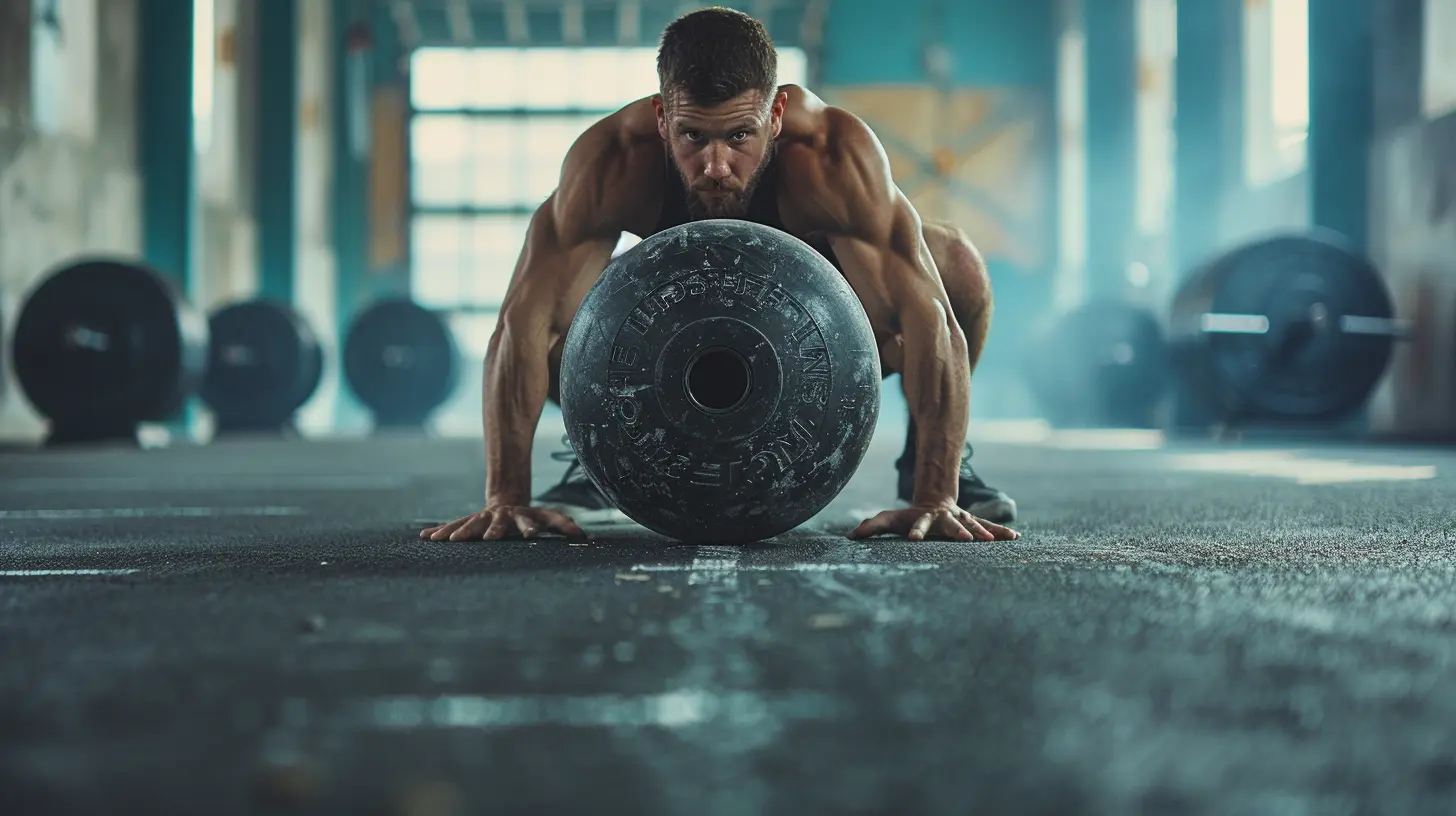
Why Does Injury Happen in the First Place?
Great question. Injuries can pop up due to several reasons—poor posture, muscle imbalances, weak stabilizing muscles, overuse, or just plain ol’ bad movement habits. Most traditional training focuses on aesthetics—what looks good in the mirror—but it often ignores how your body actually performs.Have you ever pulled a muscle picking up groceries or twisted your ankle jogging on an uneven path? That’s your body telling you it’s not prepared for real-world movement. Functional training steps in to bridge the gap between exercise and everyday life.
How Functional Training Keeps Injuries at Bay
Let’s dive into the meat of it. Here’s how functional training works behind the scenes to keep your body safer and stronger.1. Builds Core Stability
You’ve probably heard the term “core” being thrown around like a trending buzzword. But your core is more than just abs—it’s your body’s powerhouse. It includes your spine, pelvis, hips, and all the muscles around them.A weak core is like trying to build a house on a shaky foundation. Functional training targets the core in almost every movement, helping to stabilize your body during both exercise and daily tasks. This stability is key in preventing common injuries, especially in the lower back and hips.
2. Improves Joint Mobility and Flexibility
Stiff joints are ticking time bombs. When your hips, shoulders, or ankles lack mobility, your body compensates by moving unnaturally, which almost always leads to strain or sprain. Functional training incorporates dynamic stretching and mobility drills that keep your joints happy and healthy.Think of it like oiling a squeaky door—smooth movement is safe movement.
3. Enhances Balance and Coordination
We don’t often think about balance until we trip or fall—but it plays a huge role in injury prevention. Functional exercises challenge your proprioception (your body’s awareness in space), helping you build better control over your movements.From standing on one leg to executing movements on unstable surfaces (like BOSU balls), functional training teaches your body to react smarter and faster, reducing the risk of falling or twisting something.
4. Corrects Muscle Imbalances
If you sit for hours at a desk, chances are your hip flexors are tight and your glutes are underactive. If you always favor one side of the body while lifting, you might develop asymmetries without even realizing it.Functional training shines here by using unilateral (single-limb) movements—like single-leg deadlifts or one-arm presses—to reveal and correct those imbalances. This helps build symmetry in strength and movement, so one weak link doesn't take the whole chain down.
5. Teaches Movement Patterns, Not Just Muscles
Here’s the kicker: traditional gym workouts often train muscles in isolation. But your body doesn’t work that way in real life. You don’t use your biceps in isolation to pick up your kids, right?Functional training focuses on patterns—squatting, hinging, pushing, pulling, rotating, lunging—all the ways your body naturally moves. By training movements and not just muscles, you reduce the chances of missteps or awkward twists that cause injury.
Real-Life Examples of Functional Training at Work
You might be thinking, “Okay, this sounds great, but how does it really help me?”Let’s walk through a few everyday situations:
- Carrying groceries: Doing farmer’s carries in the gym strengthens your grip, core, and shoulder stability—all things you need to avoid straining your back while hauling in several grocery bags at once.
- Climbing stairs: Think of step-ups and lunges. These simulate climbing stairs and strengthen your glutes, quads, and hamstrings, reducing stress on your knees.
- Playing with kids: Squats, crawls, and rotational movements help you move more easily and react quickly without tweaking your back when you’re chasing your toddler around the house.
Functional training is real-world training. It prepares your body to move better, not just look better.
Key Functional Movements to Include in Your Routine
Want to get started? Here are some essential exercises to fold into your functional training regimen:1. Squats
Great for building lower body strength and improving hip, knee, and ankle mobility. Add variations like goblet squats or split squats to challenge your core and balance.2. Deadlifts
Don’t be scared of deadlifts! They teach you how to hinge at the hips—an essential movement for lifting things off the ground safely.3. Push-Ups
These aren’t just about upper body strength; they also engage your core and shoulders. Modify them if needed—knees down, or elevated.4. Pull Movements
Rows, pull-ups, and band pulls strengthen postural muscles and help counteract our hunched-over habits from screen time.5. Lunges
Forward, backward, or lateral—lunges activate stabilizing muscles and improve balance. Plus, they’re great for single-leg strength and coordination.6. Rotational Movements
Things like medicine ball throws or woodchoppers simulate twisting motions, giving your obliques and core some love while teaching your body to rotate safely.How Often Should You Do Functional Training?
There’s no one-size-fits-all, but integrating functional movements 2–4 times a week into your regular workout routine is a solid start. You can even blend them into your warm-ups or cool-downs.Not a fan of intense sessions? No worries. Keep it simple. The point isn’t to crush yourself—it’s to move with purpose and awareness.
Functional Training Isn’t Just for Athletes
Here’s the beautiful part—anyone can benefit from functional training. You don’t need to be training for a triathlon or lifting heavy to gain the rewards. In fact, for older adults or people recovering from injuries, functional training can restore mobility, confidence, and strength without overly stressing the body.It’s about moving better, feeling better, and living life to the fullest—without fearing the next injury.
Common Mistakes to Avoid
Before you jump into a functional workout, keep a few things in mind:- Skipping form for reps: Always prioritize proper form over speed or weight.
- Ignoring mobility work: Don't skip your warm-ups. Taking a few extra minutes can make all the difference.
- Overcomplicating movements: You don’t need fancy equipment or circus tricks. Basic, consistent movements trump complexity.
- Neglecting recovery: Rest, sleep, and hydration are still critical parts of injury prevention.
Final Thoughts: Train Smart to Stay in the Game
At the end of the day, functional training isn’t some passing fad—it’s a smarter, safer way to train your body for the real world. Whether you're in the gym, on the field, or just chasing after your dog, being able to move efficiently and pain-free is the ultimate win.Injury prevention shouldn’t be an afterthought. Taking the time to train functionally means investing in your body for the long haul. You don’t need to train harder—you just need to train smarter.
So, are you ready to future-proof your body? Let functional training be your backstage pass to better movement and a more injury-resistant life.
all images in this post were generated using AI tools
Category:
Injury PreventionAuthor:

Fernando Franklin
Discussion
rate this article
2 comments
Lys Mason
Great insights! Functional training is essential for athletes.
April 1, 2026 at 3:22 AM
Fernando Franklin
Thank you! I’m glad you found the insights valuable. Functional training truly plays a crucial role in enhancing athletic performance and reducing injury risk.
Oberon Wolfe
While functional training is vital for injury prevention, it’s essential to personalize programs to individual needs. Relying solely on general routines may overlook specific weaknesses, potentially leading to injuries rather than preventing them. Tailored approaches are key.
March 3, 2026 at 3:41 AM
Fernando Franklin
Absolutely! Personalization in functional training is crucial to address individual weaknesses and effectively prevent injuries. Thank you for highlighting this important aspect!