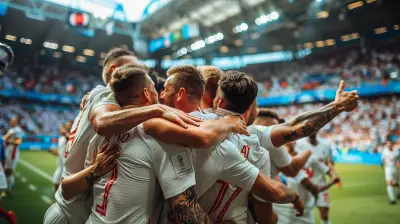
The Importance of Nutrition in Football Performance
14 December 2025
When we talk about what makes a football player great, most people immediately think of talent, training, speed, or skill. But there’s one underrated factor that's just as critical – nutrition. Yeah, that's right! What you put on your plate directly impacts what you put on the pitch. Whether you're a weekend warrior or an elite athlete, the food you eat can either fuel your game or leave you running on empty.
In this article, we’re diving deep into why nutrition is a game-changer for football performance. We'll go through the hows, whats, and whys—in a way that’s easy to digest (pun intended). So, let’s lace up and kick off!
Why Nutrition Matters in Football
Let’s start with the basics. Football is a physically demanding sport. It involves sprinting, jumping, tackling, and, let’s not forget, running non-stop for 90 minutes or more. That’s like doing the treadmill while solving a puzzle and wrestling, all at once. So, how do players manage this chaos?The answer lies in good nutrition. Proper meals help:
- Boost energy levels
- Improve endurance
- Speed up recovery
- Enhance focus and mental sharpness
- Reduce the risk of injury
Without the right nutrients, even the most talented player will start to feel like they’re dragging their boots through quicksand.
The Role of Macronutrients in Football Performance
1. Carbohydrates: Your Premium Fuel Source
Carbs often get a bad rap, but for footballers, they’re absolutely essential. Think of carbohydrates as high-octane fuel. They provide the body with glucose, which is stored in muscles and liver as glycogen. During intense exercise, like a match, your body taps into these glycogen stores for energy.Good Carb Choices for Footballers:
- Whole grains like oats, brown rice, and quinoa- Fruits like bananas, apples, and berries
- Vegetables, especially root veggies like sweet potatoes
- Whole grain pasta and bread
Carbs should make up the majority of a footballer's diet—around 55-65% of daily caloric intake, especially around match days.
2. Proteins: The Muscle Mechanic
Imagine your body as a high-performance car—after a wild race, it needs some maintenance. That’s where protein steps in. It helps in muscle repair and growth, especially after a tough match or training session.Top Protein Picks:
- Lean meats (chicken, turkey, beef)- Fish (salmon, tuna, mackerel)
- Dairy (Greek yogurt, milk, cheese)
- Eggs
- Plant-based options like lentils, chickpeas, tofu
For athletes, protein intake should be around 1.2 to 2.0 grams per kilogram of body weight daily. Spread it out over your meals instead of loading it all at dinner.
3. Fats: Don't Fear the Fat
Yes, you heard that right—fat is not the enemy! In fact, healthy fats are vital for long-lasting energy, particularly during lower-intensity parts of a game, and they also support hormone production and brain function.Good Fat Sources:
- Avocados- Nuts and seeds
- Olive oil
- Fatty fish
- Nut butters (go natural, not the sugar-loaded kind)
Keep fat intake steady but balanced—about 20-30% of your total calories. Avoid trans fats and minimize saturated fats.
Micronutrients: The Unsung Heroes
While macros often steal the spotlight, micronutrients deserve their fair share of praise. Vitamins and minerals keep your body functioning like a well-oiled machine. They’re involved in everything from oxygen transport to nerve function and immune defense.Key Micronutrients for Footballers:
- Iron: Crucial for carrying oxygen in the blood. Low iron = low stamina.- Calcium & Vitamin D: Essential for bone strength.
- Magnesium: Helps with muscle contractions and prevents cramps.
- Potassium & Sodium: Regulate fluid balance and prevent dehydration.
You can get these nutrients from a diet rich in fruits, vegetables, lean meats, and dairy. Supplementation may be necessary for some, but always consult a nutritionist or doctor.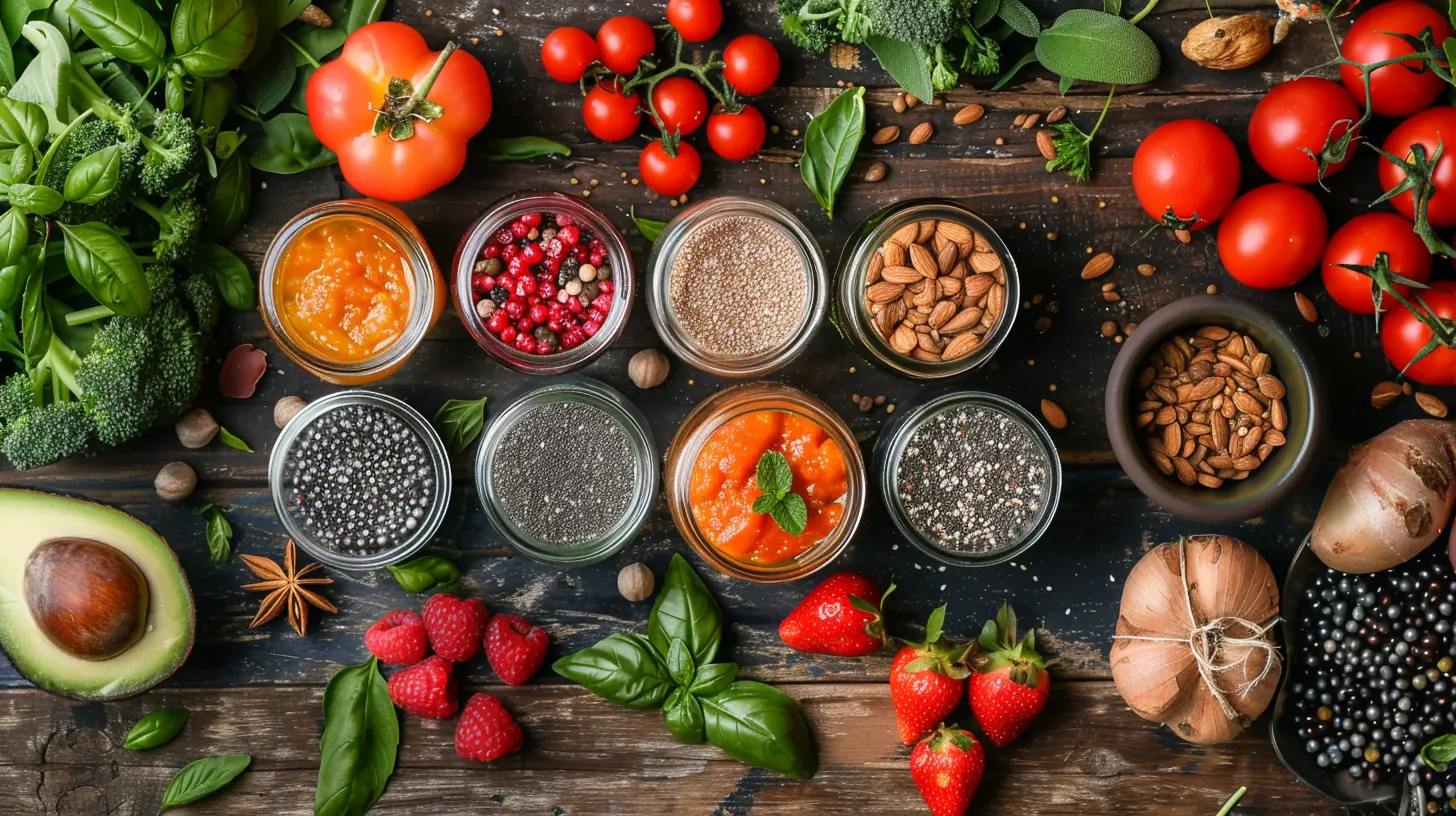
Hydration: The Overlooked Power-Up
Ever try running while dehydrated? It’s like trying to sprint through molasses. Water might be boring, but it’s absolutely essential.Hydration Tips:
- Drink 400–600 ml of water 2-3 hours before a game.- Sip water during breaks and at halftime.
- After the match, rehydrate with an electrolyte drink or coconut water.
Dehydration can lead to fatigue, reduced coordination, muscle cramps, and even higher risk of injuries. So keep that bottle handy!
Meal Timing: When You Eat Matters
Nutrition isn't just about what you eat—it’s also about when you eat. Footballers need to be strategic about meal timings to ensure peak performance.Pre-Match Meal (3–4 hours before kick-off):
- High in carbs, moderate in protein, low in fat and fiber- Example: Grilled chicken with rice and steamed veggies
Snack (1 hour before):
- Light, easily digestible carb-rich snack- Example: Banana with a dab of peanut butter or a granola bar
Post-Match Recovery:
- Aim to eat within 30–60 minutes after the game- Replenish glycogen with carbs and repair muscles with protein
- Example: Turkey sandwich with fruit, or a protein smoothie with oats and berries
Supplements: Yay or Nay?
Supplements can be helpful, but they’re not magic pills. The foundation should always be a solid diet. That said, some footballers might benefit from:- Whey protein: For convenient recovery
- Creatine: To improve strength and power
- Omega-3s: For joint and heart health
- Multivitamins: To fill any nutritional gaps
Remember, always consult a professional before adding any supplement to your routine.
Nutrition on Match Day
Let’s zero in on match day nutrition. Think of this day like a final exam, and your meals are your study guide. Mess this up, and you could crash halfway through the second half.Golden Rules:
- Eat your main meal 3–4 hours before kick-off.- Hydrate well the day before and throughout the morning.
- Avoid trying new foods on game day—stick with what your body knows.
- Don’t overload on sugar or heavy foods before the match.
Recovery Nutrition: The Secret Weapon
What happens after a match is just as important as what happens before. Recovery is when the body repairs, rebuilds, and recharges. Ignoring it can lead to fatigue, poor performance, and even injuries.Goals of Recovery Nutrition:
- Refill glycogen stores (carbs)- Repair muscle tissue (protein)
- Rehydrate and restore electrolytes
Sample Recovery Snack:
- Chocolate milk (yes, really—it’s a great recovery drink!)- Whole grain toast with eggs
- Protein shake with fruit
Building a Footballer's Weekly Meal Plan
Here’s a very basic sample to give you an idea of how to structure your meals:Monday to Friday (Training Days):
- Breakfast: Oats with fruit and almond butter- Lunch: Chicken wrap with veggies, side of quinoa
- Dinner: Salmon, brown rice, steamed broccoli
- Snacks: Greek yogurt, protein bar, mixed nuts
Saturday (Match Day):
- Pre-Match: Grilled chicken, pasta, banana- Post-Match: Recovery shake, sandwich with lean meat
Sunday (Recovery + Rest):
- Focus on: Hydration, anti-inflammatory foods like berries, leafy greens, and fatty fish.The Mental Side of Eating Right
Food doesn’t just affect your muscles—it plays a big role in your mental game too. Ever felt foggy or sluggish during a match? That might be your diet talking. A well-balanced diet sharpens focus, improves reaction time, and helps manage stress.Plus, when you eat right, you feel right. And that confidence? It shows on the field.
Final Thoughts
Nutrition isn’t just another box to tick off the training list—it’s a core part of a footballer’s toolkit. If you really want to level up your game, paying attention to what you eat can give you that edge you’ve been looking for.Think of your body like a sports car. Would you fuel a Ferrari with low-grade gas? No way. So why fuel your body with junk and expect to perform like Ronaldo?
Eating well doesn’t have to be complicated. It just takes consistency, a bit of planning, and a willingness to treat your meals with the same love you give your training sessions.
Ready to eat like a champ?
all images in this post were generated using AI tools
Category:
FootballAuthor:

Fernando Franklin
Discussion
rate this article
2 comments
Quillan Perez
Nutrition is fundamental to football performance. Optimal diets enhance stamina, recovery, and focus, directly impacting players’ effectiveness on the field. Prioritize nutrition for peak performance.
December 29, 2025 at 5:19 AM
Fernando Franklin
Thank you for highlighting the crucial role of nutrition in football. It's essential for maximizing performance and recovery!
Davina Mitchell
Great article! Nutrition truly is the backbone of athletic performance. It's inspiring to see how proper fueling can elevate athletes on and off the field. Every bite counts!
December 15, 2025 at 3:38 AM
Fernando Franklin
Thank you! I'm glad you found the article inspiring. Nutrition truly plays a vital role in maximizing athletic performance!