The Importance of Strong Defenses in National Team Football
21 March 2026
Let’s be honest—when it comes to football (or soccer, depending on where you’re from), we all love the thrill of a last-minute goal or a hat-trick hero lighting up the pitch. Attackers often steal the limelight, grabbing headlines and Instagram followers alike. But there’s a saying as old as the sport itself: “Offense wins games, defense wins championships.”
And when you’re talking about national team football, that quote couldn’t be more accurate. Want to lift the World Cup? Get your defense sorted first.
Why Defense is the Backbone of Any Great National Team
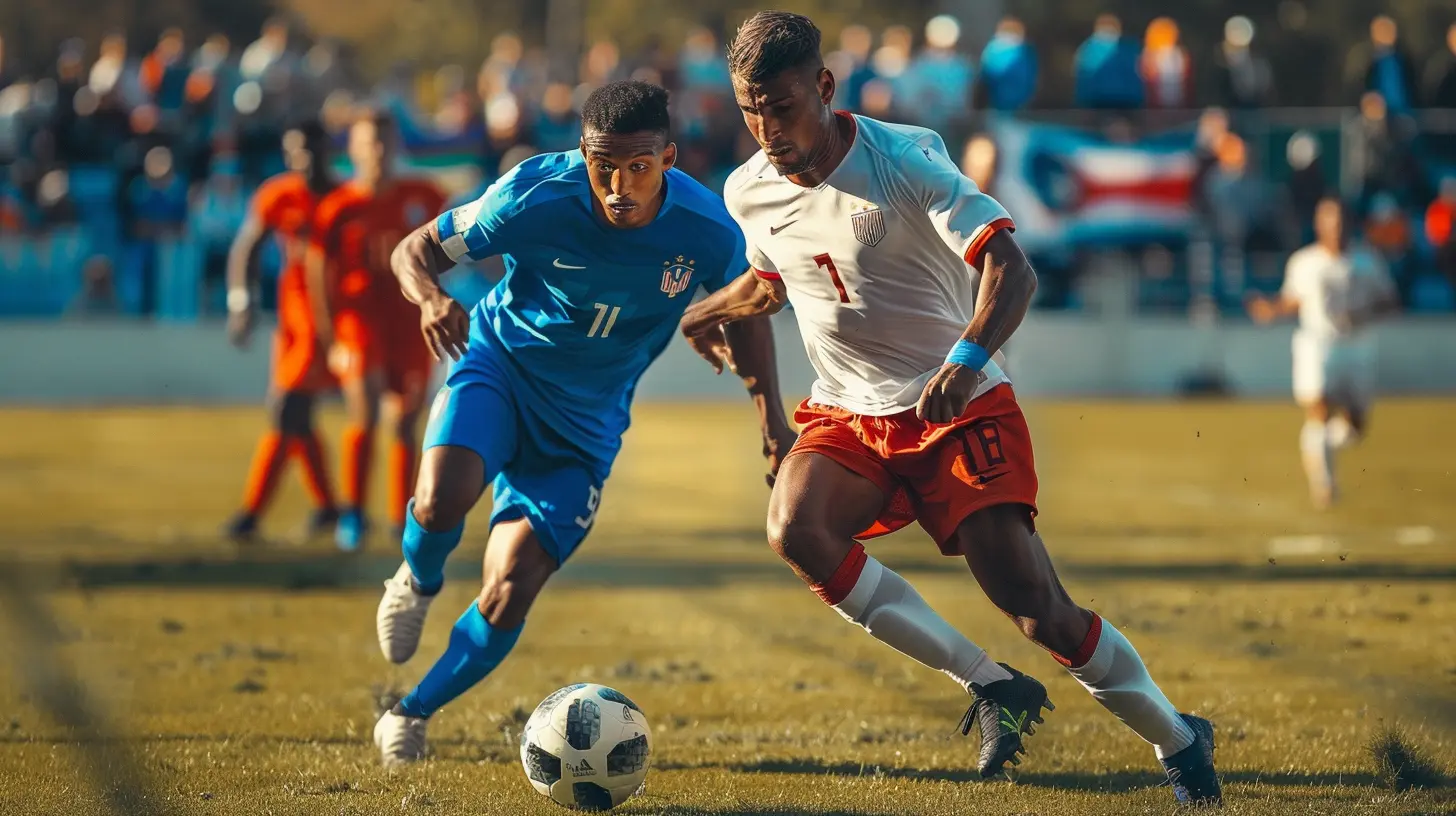
Think about the most iconic teams in football history—Italy in 2006, Spain in 2010, France in 2018. Sure, they had flair up top, but they were built on rock-solid defensive structures. You can have the best striker on the planet, but if your backline is leaking like a broken tap, you’re not going anywhere.Defense gives you consistency. It gives you control. And in high-stakes tournaments, that calm and control often makes the difference between going home early or bringing the trophy on the plane ride back.
Defense Isn’t Just Back Four—It’s a Whole Mentality
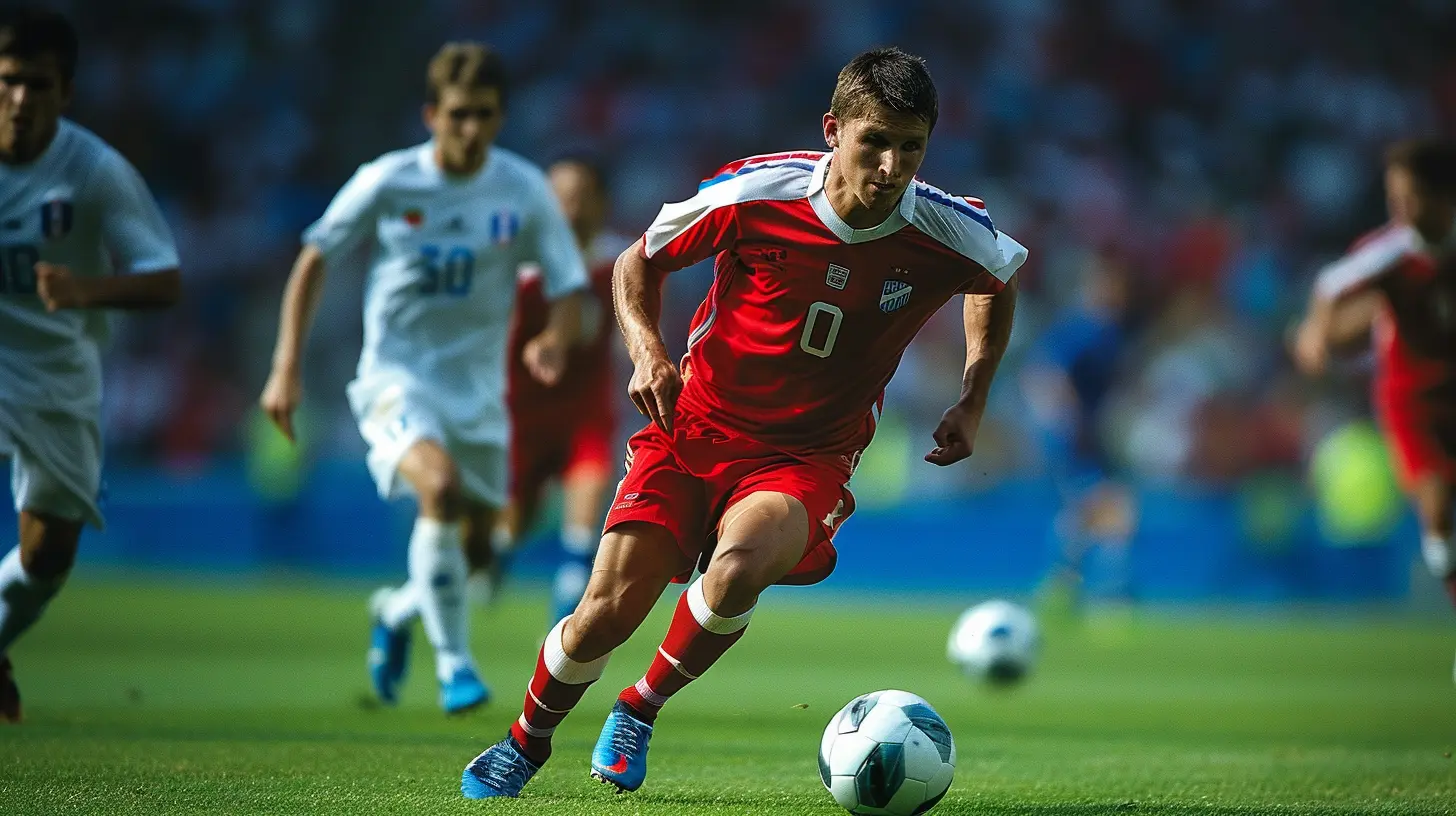
Here’s the thing, though: when we talk about defense, we tend to picture just the back four (or five, depending on formation) and the keeper. But in national team football, defense is so much more than a line of resolute center-backs. It’s a mentality.From the pressing of the forwards to the positioning of midfielders, good defending is a team effort. Ever seen a winger sprint 40 yards to track back and win the ball? That’s world-class defending. That’s commitment.
You don’t defend with four players—you defend with eleven.
National Tournaments: A Whole Different Ball Game
Club football and international football are two completely different beasts. In club football, players have months, even years, to gel as a unit. National teams? They get a handful of games and a few weeks together in total.This makes defensive chemistry much harder to develop. Attackers can create brilliance out of nowhere, but defensive cohesion needs time. That’s why national teams that already have a solid defensive identity tend to shine. They don’t need to figure it out on the fly.
Short Tournaments Favor Defensive Teams
World Cups, Euros, Copa Americas—these are short, high-pressure sprints. You don’t get 38 games to sort things out. One defensive blunder and you could be booking your flight.In these formats, teams that can shut down games, grind out 1-0 wins, and stay organized under pressure tend to go far. That's why coaches like Didier Deschamps, Fernando Santos, and Gareth Southgate often prioritize a solid backline, even if it sacrifices some attacking flair.
Historical Proof That Defense Wins Trophies
Let’s put our money where our mouth is. Look at some recent champions and how they used their defense as their foundation.Italy – World Cup 2006
These guys were a defensive masterclass. Led by Fabio Cannavaro (who went on to win the Ballon d'Or that year), Italy conceded only two goals all tournament—one being an own goal, and one a penalty. That’s ridiculous. Their backline was virtually impenetrable, and it allowed their attack to play with confidence.Spain – 2010 World Cup
Sure, they had tiki-taka. But what’s less talked about? Spain only conceded two goals during the entire tournament. Their ability to control games and suffocate opponents was key to their success.France – World Cup 2018
This squad had Kylian Mbappé blazing past defenders, but make no mistake—France’s backbone was that defense. Varane and Umtiti formed a solid partnership, with N’Golo Kanté and Paul Pogba shielding them like a bulletproof vest. They didn’t just defend; they hunted in packs and hit on the counter with frightening efficiency.Defensive Versatility: The Mark of Elite Teams
One of the secrets behind elite national defenses? Flexibility. The best teams can shift their shape mid-game. They can go from a 4-3-3 to a 5-2-3 without missing a beat. That sort of adaptability makes it hell for opposing attackers.Take Gareth Southgate’s England during the 2018 World Cup—they switched between back threes and back fours depending on the opponent. It wasn’t always pretty, but it was effective.
Having defenders who can play multiple roles—center-backs who can step into midfield, fullbacks who can operate as wingers—gives you options and unpredictability.
The Modern Center-Back: More Than a Tackler
Gone are the days when center-backs just hoofed the ball upfield. In today’s game, especially at the international level, center-backs need to be ball-players. They're the first playmakers.Look at players like Virgil van Dijk for the Netherlands or Aymeric Laporte for Spain. These guys don’t just clear crosses—they start attacks. That ability to build from the back gives teams an edge in controlling possession and dictating the tempo.
Set-Pieces: The Underrated Side of Defense
Let’s give some love to set-pieces—a part of the game where defensive discipline can make or break your tournament. Corners, free-kicks, even long throw-ins—any lapse in concentration can be fatal.You’ll often find that the most successful teams are the ones who are machines in set-piece defense. Again, this comes down to organization and preparation—two hallmarks of a great defensive team.
Goalkeepers: The Final Line, and Often the Hero
Of course, no talk about defense is complete without shouting out the keepers. On the international stage, goalkeepers often become legends.Iker Casillas’ saves in 2010, Gianluigi Buffon’s command in 2006, or more recently, Emiliano Martínez’s shootout heroics in Copa América and the World Cup—these guys were difference-makers.
A solid defense gives your keeper manageable work, but when they’re called into action, you want someone with ice in their veins.
Defensive Midfielders: The Unsung Heroes
Let’s not forget about the midfield shields—the guys doing the dirty work so that the creative midfielders and forwards can shine.Names like Casemiro (Brazil), Joshua Kimmich (Germany), and N’Golo Kanté (France) come to mind. Without them sniffing out danger and breaking up play, even the best backlines would be exposed. They’re the glue holding everything together.
Defense Builds Confidence and Team Identity
When you have a solid defense, everything becomes easier. Players can step forward without fear. Teams can take calculated risks. Coaches can plan more creatively. It’s like having a good insurance policy—you hope you don’t need it, but when things go south, it saves you.National teams with reliable defenses often have a clear identity. Think of Italy’s stoic "catenaccio" or Spain’s possession-based chokehold. Even if the tactics vary, the philosophy is clear: control the back, and the rest will follow.
Defense Wins Fans Over—Yes, Really
Okay, maybe they’re not trending on Twitter like strikers. But real football fans know: there’s something beautiful about a perfectly timed sliding tackle, a goal-line clearance, or a well-executed offside trap.It’s chess on grass. It’s calculated, it’s intense, and when done right, it’s just as thrilling as a bicycle kick into the top corner.
Some defenders become cult heroes. Think of Paolo Maldini, Carlos Puyol, or more recently, Giorgio Chiellini. These guys didn’t just defend—they led, they inspired, and they made their national teams greater.
The Future of National Team Defending
The game is evolving. Tactics are shifting. But the need for strong defenses isn’t going away anytime soon. In fact, with the rise of high-pressing systems and inverted full-backs, defensive roles are becoming even more complex.Teams will need defenders who are fast, technical, and smart. They’ll need multi-functional players who can adjust to the modern game’s tempo. But the core principle remains: don’t concede, and you always have a shot.
Final Whistle: It’s Time We Gave Defense the Respect It Deserves
So next time you’re watching a big international match, don’t just focus on who’s scoring the goals—pay attention to who’s stopping them. Every great team is built from the back. And in national team football, where every mistake counts more, a strong defense isn’t just important—it’s essential.Because at the end of the day, while goals win fame, great defending wins the game.
all images in this post were generated using AI tools
Category:
National TeamsAuthor:

Fernando Franklin
Discussion
rate this article
2 comments
Fletcher Graham
Defense wins championships, builds unity.
April 18, 2026 at 11:56 AM
Fernando Franklin
Absolutely! A solid defense not only secures victories but also fosters teamwork and resilience among players.
Gemma Whitaker
In the shadows of the pitch, a silent guardian emerges. The strength of a defense weaves an unbreakable tapestry of strategy and resilience. Will this hidden force be the key to unlocking glory for our national team?
March 21, 2026 at 3:28 AM
Fernando Franklin
Absolutely. A solid defense is often the backbone of success. It sets the stage for victory and can turn the tide in crucial matches.