The Influence of Gang Culture on Football Hooliganism
30 January 2026
When you think of football, your mind probably races to the pitch, the goals, the roars of packed stadiums, and the beautiful game being played with passion. But there’s a darker side to football that’s been lurking in the shadows for decades — football hooliganism. Even more intriguing is the connection it has with gang culture.
Now, you might be wondering, what exactly do gangs have to do with football? Well, as it turns out, quite a lot. The overlap between gang mentality and hooligan behavior is more complex than many realize. This article dives deep into how gang culture has shaped, fueled, and influenced football hooliganism across the globe.
What is Football Hooliganism?
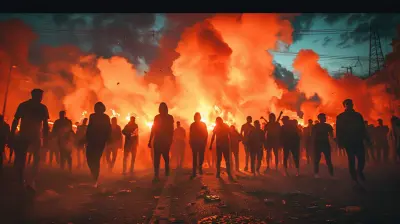
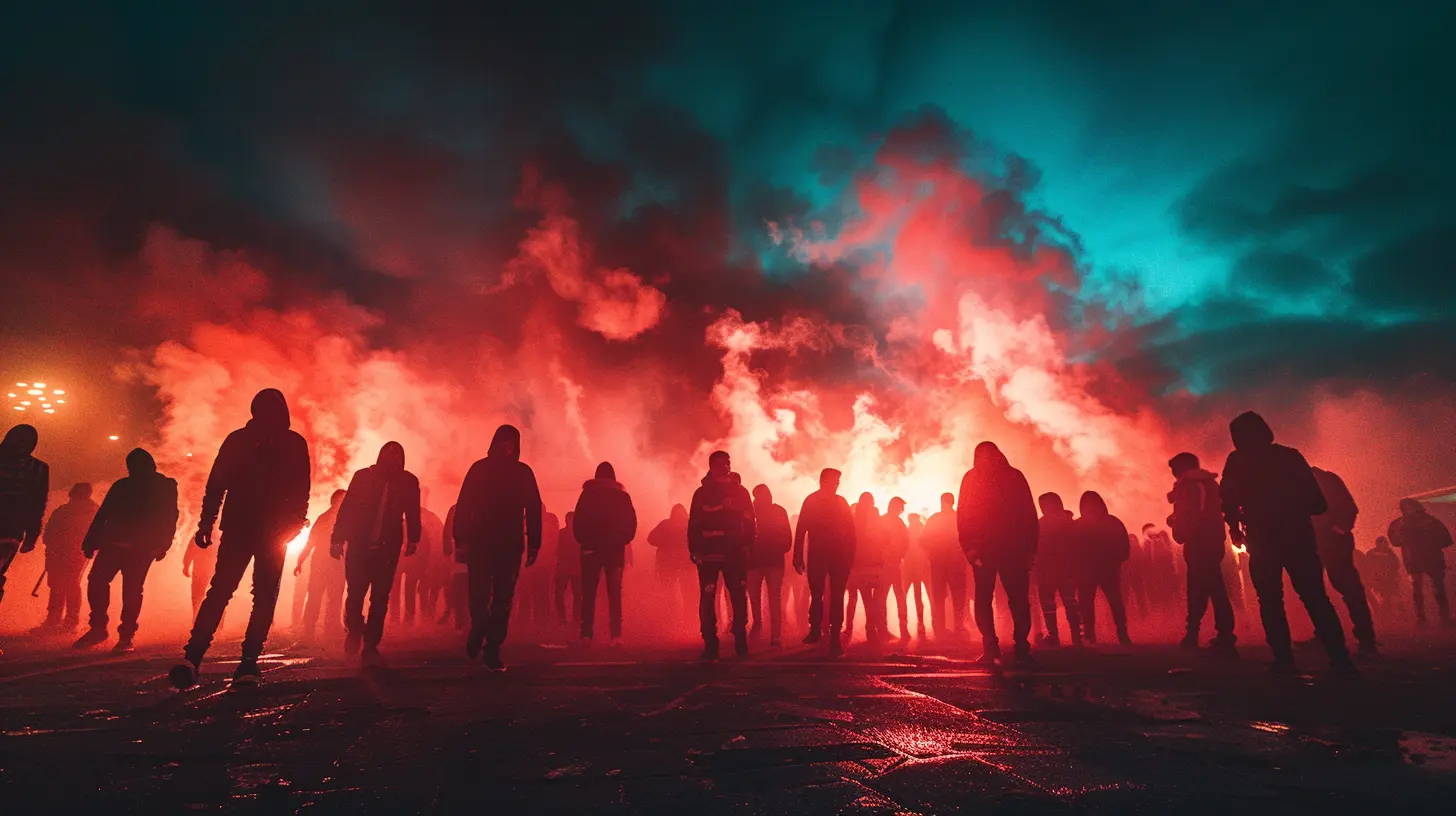
Let’s start with the basics. Football hooliganism isn’t just fans getting rowdy or chanting a little too loudly. It’s about organized violence, often pre-planned, where groups of fans (usually from rival teams) clash — sometimes with brutal consequences.These clashes aren’t always spontaneous. In many cases, there's a structure, a hierarchy, and even a code — sound familiar? That's because these traits mirror those seen in urban gang culture. So, how did we get here?
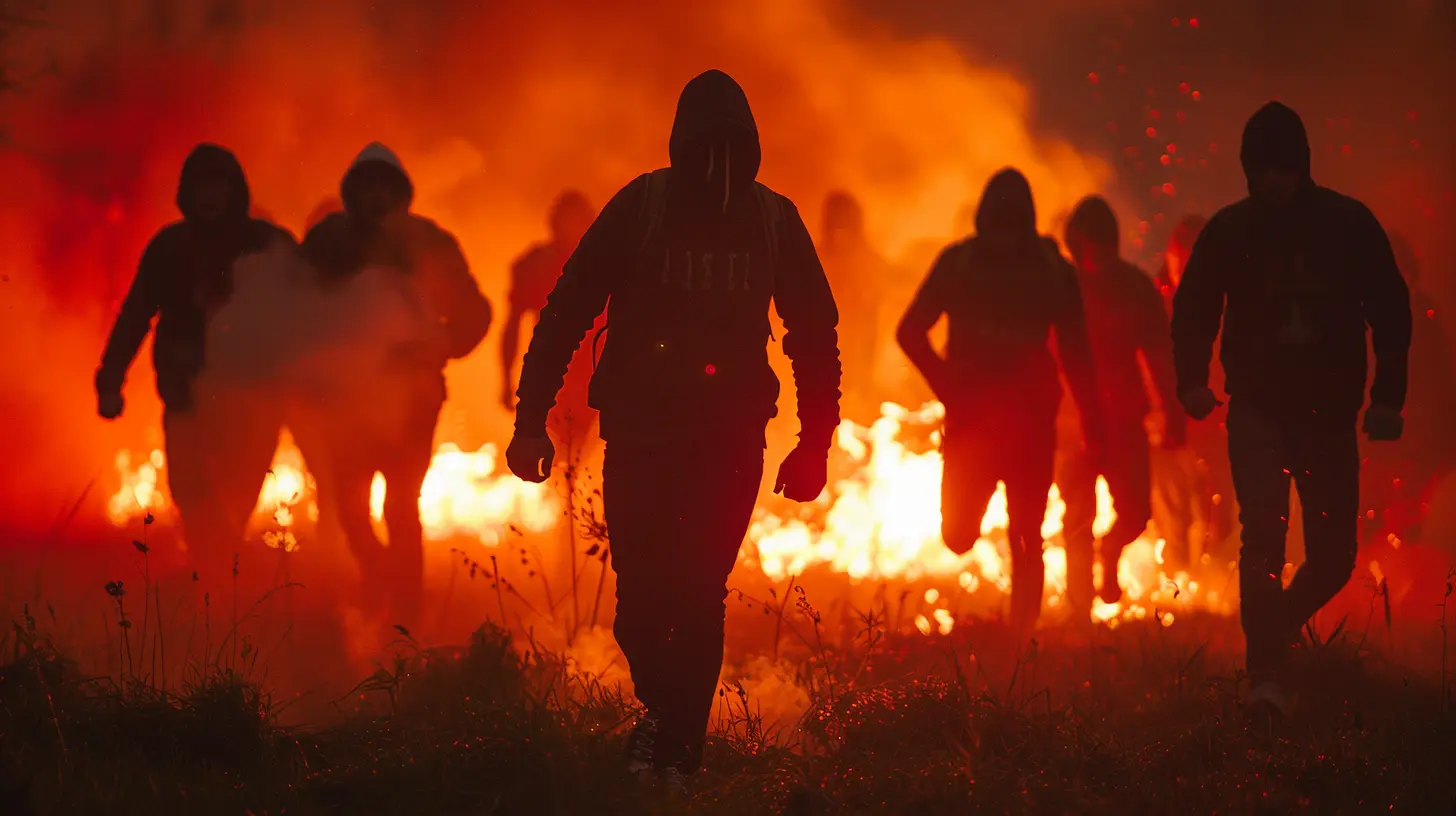
A Quick History of Football Hooliganism
Look back to the roots of football hooliganism, and you'll find its first real surge in England during the 1960s and 70s. At that time, working-class communities were struggling with high unemployment, social unrest, and economic decline. Combine this with the tribal loyalty of football fans, and you've got the perfect storm.Groups of supporters began identifying themselves not just by the clubs they loved but by how fiercely they could defend that love — often with their fists. Over time, these groups solidified into firms — organized fan units that operated much like street gangs.
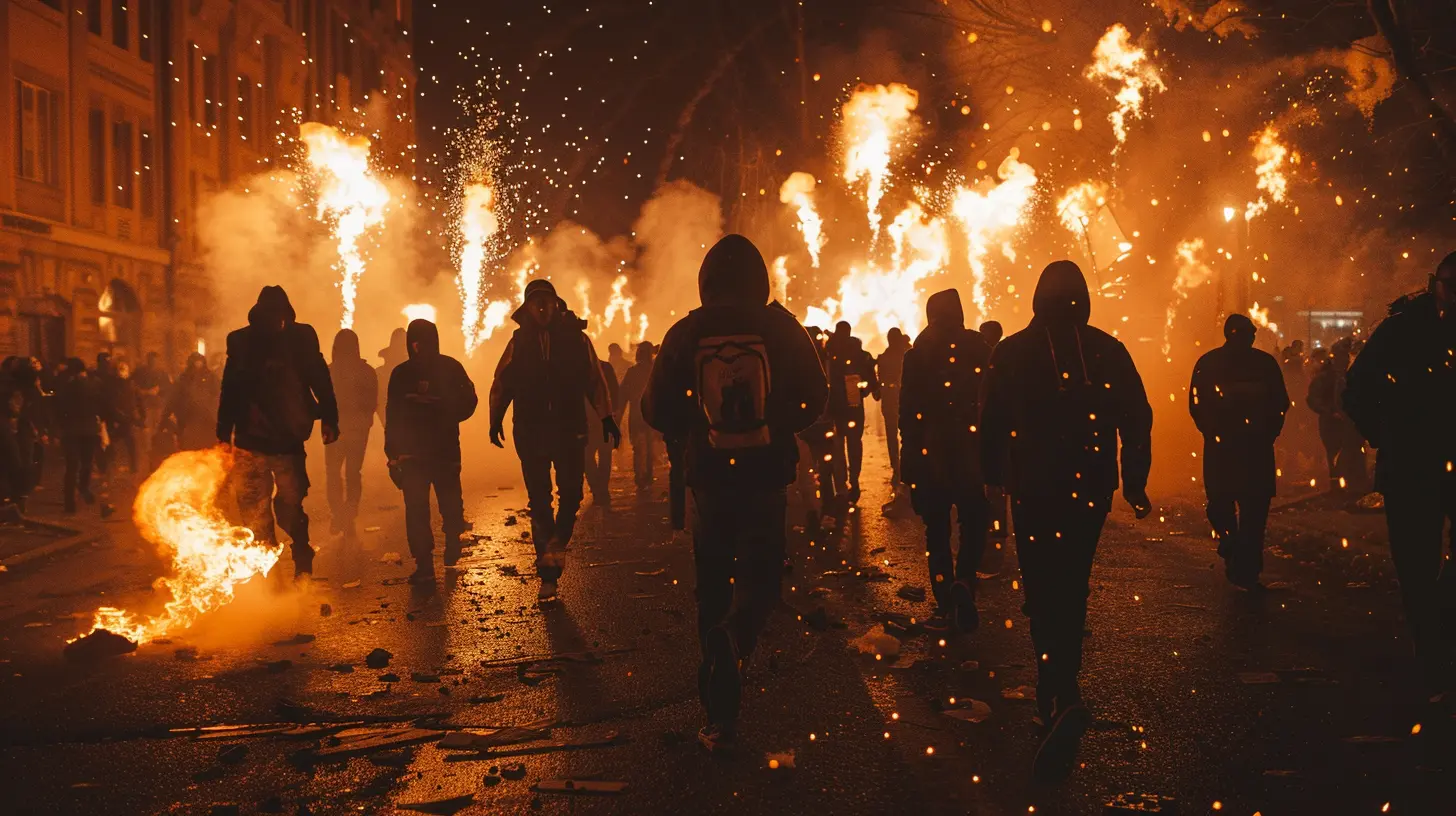
When Football Firms Meet Street Gangs
The similarities between football firms and street gangs are uncanny. They both:- Thrive on loyalty and identity
- Use violence as a display of power
- Claim territory (in this case, stadiums or areas around them)
- Recruit young members to carry on the legacy
Firms like Chelsea Headhunters, Millwall Bushwackers, and Manchester United’s Red Army became household names in the UK, not because of football prowess, but because of their violent reputations.
These weren’t just casual fans. They had ranks, leaders, and even looked out for each other as criminal enterprises would. Merchandise, intimidation, and strategic brawls — it’s all straight out of a gang’s playbook.
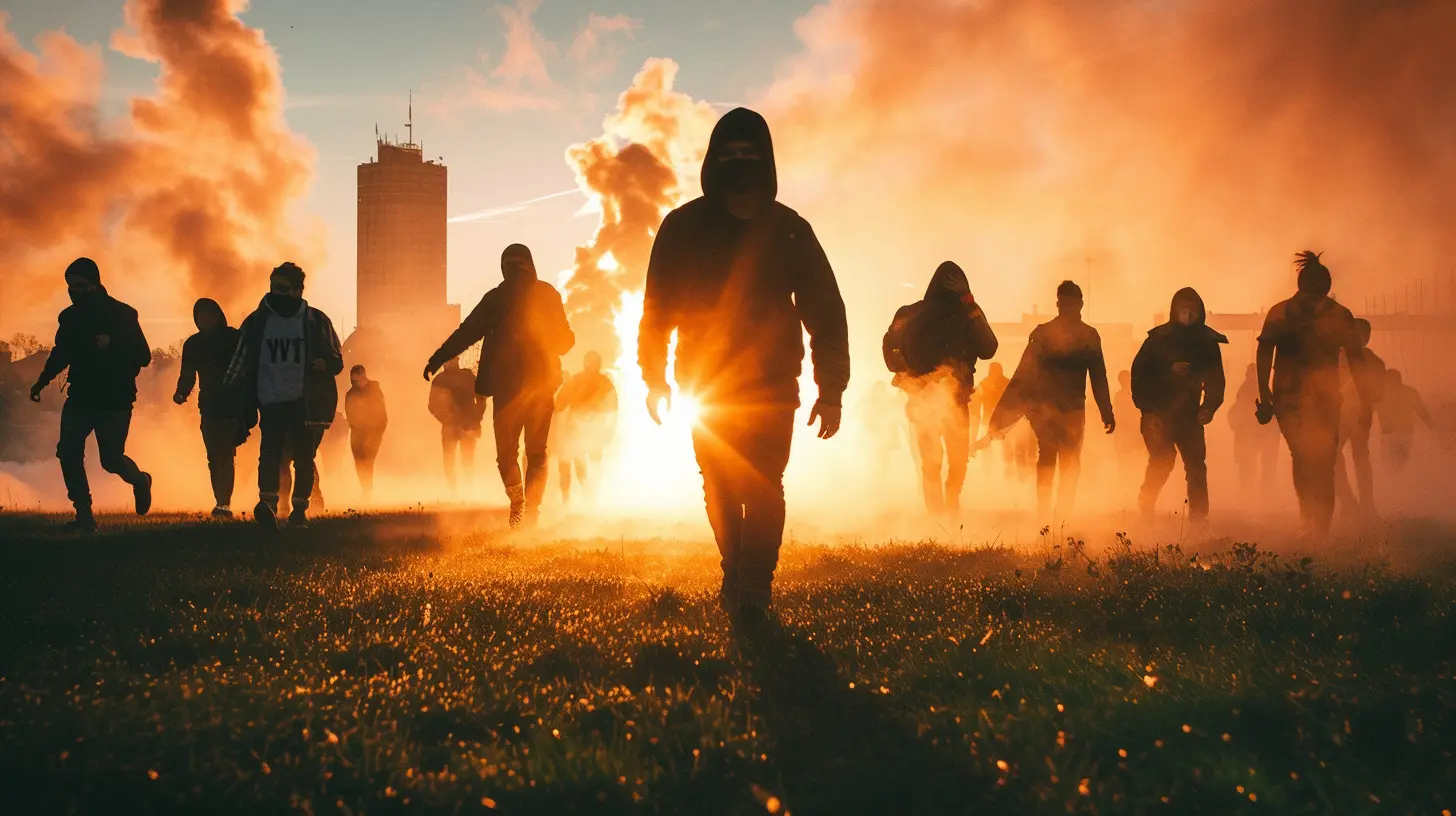
The Rise of Urban Gangs in Football
Now, here’s where it gets more interesting. As urban street gangs — often defined by their roots in poverty, crime, and a sense of brotherhood — gained prominence in cities, their influence naturally spilled over into football terraces.Where did these two worlds collide?
In the heart of the city.
Urban gangs and hardcore football fans often occupy the same spaces, especially in working-class neighborhoods. So, it was only a matter of time before gang culture started bleeding into football culture. Younger members of gangs began seeing football firms as another avenue to express aggression, claim street cred, and be part of something bigger.
Shared Values: Brotherhood, Respect, and Violence
Let’s be real — gang life and hooliganism share a core philosophy: respect earned through dominance.Both cultures thrive on mutual respect within the group and fear or intimidation outside it. If a rival firm or gang disrespects you, the code demands retaliation. It's tit for tat — a dangerous game where escalation is often the only path forward.
For many young men, particularly from marginalized communities, being part of a football firm or a gang provides a sense of identity, protection, and unity that society fails to offer.
The Role of Music, Fashion, and Media
Gang culture doesn’t exist in a vacuum. It's shaped by music (grime, drill, hip-hop), fashion (tracksuits, designer brands), and yes — even movies and TV shows glamorizing underground life.These same cultural markers started popping up among football hooligans, too. Look at match footage from the 80s to now, and you'll notice a shift. The lines between a gang member and a hooligan started to blur — sometimes, they were the same person.
The media didn’t help, either. Films like The Football Factory and Green Street romanticized hooliganism much like gangster movies glorify mob bosses. That fusion of gang prestige and football loyalty became an intoxicating mix for many.
Hooliganism Goes Global
While the UK might have been the stomping ground for early-day hooliganism, gang-influenced football violence is now a global phenomenon.- In Brazil, the “torcidas organizadas” operate like gangs with deadly rivalries.
- In Russia, ultra groups organize fights in forests, away from prying eyes but very much gang-like.
- In Eastern Europe, football firms are often entwined with far-right political ideologies and organized crime.
In all these cases, there’s a clear influence of gang-style organization, loyalty, and violence.
Social Media: The New Turf
Today, gang culture and hooligan behavior have found a new battlefield — social media.Instagram, Twitter, and even TikTok are used to flex dominance, organize meetups (a.k.a. fights), or share “wins” against rival firms. It's modern-day territory marking — virtual badges of honor that fuel the cycle of aggression.
Unfortunately, the digital space can radicalize even faster. A single video of a violent encounter can spark retaliation, and online beefs often translate into real-world violence.
Policing the Problem
Authorities have tried for decades to control hooliganism. CCTVs, banning orders, heavy police presence at derbies — you name it.But tackling hooliganism as purely a football issue misses the bigger picture. If gang culture is bleeding into the sport, then efforts need to address the root causes: poverty, lack of opportunity, and social exclusion.
Cracking down on the visible symptoms (like stadium brawls) without fixing the disease (the gang-like culture behind it) is like putting a plaster on a bullet wound.
Does Culture Imitate Football or Vice Versa?
Here’s a question to chew on: Are hooligans adopting gang traits, or are gangs using football as a new armor?The answer probably lies somewhere in the middle. Football provides an emotional outlet. It’s tribal, passionate, and unifying. Gangs offer identity, power, and brotherhood to those who feel pushed out by society. Put them together, and you’ve got a dangerous cocktail — especially when it’s served to disenfranchised youth looking for something to cling onto.
Can the Cycle Be Broken?
Absolutely, but it won’t be easy.Community programs that use football as a force for good (and trust me, there are many) are proving that the sport can uplift rather than destroy. When young people are given opportunities to engage with football in a positive way — as players, coaches, or even fans — it helps steer them away from the pull of gangs and violence.
But it takes investment, education, and most importantly, a shift in mindset.
Conclusion
At the end of the day, football should be a celebration — of skill, unity, and friendly rivalry. But the influence of gang culture continues to cast a shadow over certain corners of the sport.By understanding where hooliganism stems from and how deeply it intertwines with gang values, we’re better equipped to challenge and change it. This isn't just about cleaning up football; it’s about creating safer, more inclusive communities where passion for the game doesn’t come with a side of violence.
So next time you see headlines about football-related clashes, remember — there's often more beneath the surface than just two sets of angry fans.
all images in this post were generated using AI tools
Category:
HooliganismAuthor:
Fernando Franklin
Discussion
rate this article
2 comments
Shelby McInnes
This article astutely highlights the intertwining of gang culture and football hooliganism, revealing how socioeconomic factors and loyalty dynamics amplify violence. Understanding these connections is crucial for addressing the underlying issues and promoting safer sporting environments.
March 6, 2026 at 12:04 PM
Fernando Franklin
Thank you for your insightful comment! I'm glad you found the connections between gang culture and football hooliganism significant. Addressing these issues is indeed vital for fostering safer environments in sports.
Raine McVaney
Let’s channel our passions positively; unity in sports can overcome negativity and inspire greatness!
February 1, 2026 at 4:15 AM
Fernando Franklin
Absolutely! Positive passion in sports can unite fans and overshadow negativity, fostering an environment where teamwork and respect thrive.