The Influence of Music and Chants on Hooligan Culture
31 December 2025
When you think of hooligan culture, what comes to mind? Probably a rowdy group of fans, decked out in their team colors, chanting in unison, right? It’s not hard to imagine the intense atmosphere at a football (soccer) match, where emotions run high and the energy is infectious. But have you ever stopped to think about the role that music and chants play in all of this? They’re not just background noise—they’re integral to hooligan culture, serving as both a rallying cry and a form of identity. In this article, we’ll dive into how music and chants influence hooligan culture, and why they’re so much more than just catchy tunes.
The Roots of Hooliganism
Before we get into the connection between music and hooliganism, let’s take a quick step back and understand the origins of hooligan culture. While the word "hooligan" itself can be traced back to the late 19th century, hooliganism as we know it today—particularly in the context of football—began to take shape in the 1960s and 1970s in the UK. Football was more than just a sport; for many working-class fans, it was an escape, a chance to express their frustrations and passions.Unfortunately, some of that passion spilled over into violence, and groups of fans began forming what we now call "firms" or "ultras"—organized groups that would follow their team, and sometimes clash with rival supporters. Over time, these groups developed their own culture, complete with unique symbols, rituals, and, of course, music and chants.
The Power of Music in Hooligan Culture
More Than Just a Soundtrack
Music is powerful, right? It has the ability to evoke emotions, set the tone, and even unite people. And when it comes to hooligan culture, music plays a huge role in doing just that. For many football firms, certain songs become anthems—rallying cries that can stir up emotions and get the crowd fired up. These are more than just songs; they’re symbols of identity.Think of it like a movie soundtrack. The music sets the stage for the action, amplifying the emotions of the moment. In much the same way, music at football matches can amplify the intensity of the crowd—whether that’s excitement, anger, or camaraderie. It’s no wonder that certain songs have become synonymous with specific teams or firms.
Musical Influences: Punk and Rock
The types of music that tend to resonate with hooligan culture are often aggressive, rebellious, and raw. Punk rock, for example, was a natural fit for many hooligan groups in the 1970s and 1980s. Bands like The Clash, Sex Pistols, and Sham 69 provided the perfect soundtrack for a culture that thrived on anti-establishment attitudes and a sense of defiance.Rock music, too, has had a huge influence. Songs with heavy guitar riffs, pounding drums, and anthemic choruses can get the adrenaline pumping, making them ideal for hyping up a crowd. And let’s not forget about ska and reggae, genres that have also found their way into football culture, particularly in the UK. These genres often carried political and social messages, resonating with fans who felt marginalized or disenfranchised.
Regional Variations
The musical influences on hooligan culture aren’t the same everywhere. In South America, for example, you’ll find a lot more influence from local genres like samba, cumbia, and tango. In Italy, ultras might adopt traditional folk songs or operatic arias, while in Eastern Europe, hard-hitting techno and metal tracks are more common. The point is, no matter where you go, music is a key part of the hooligan experience—it just looks and sounds a little different depending on the region.
The Role of Chants in Hooliganism
Chants: The Ultimate Expression of Unity
Chants are arguably the most defining feature of hooligan culture. They’re simple, repetitive, and incredibly effective at uniting a crowd. When thousands of fans are chanting the same words in unison, it creates a sense of community and belonging. It’s almost tribal. You’re no longer just an individual; you’re part of something bigger—a collective voice, all pulling in the same direction.In many ways, chants are the backbone of hooligan culture. They serve as both a form of communication and a way of expressing identity. Think about it: when a group of fans starts chanting their team’s anthem, or even a taunt directed at the opposing team, it’s an immediate signal of who they are and where they stand. It’s like waving a flag, only louder.
The Evolution of Football Chants
Football chants have evolved over the years. In the early days, they were relatively simple—often just a team’s name repeated over and over again. But as hooligan culture developed, so too did the complexity of the chants. Fans began borrowing tunes from popular songs, adding their own lyrics, and creating unique chants that would become associated with their team or firm.One of the most famous examples is the chant "You’ll Never Walk Alone," adopted by Liverpool FC fans. Originally a show tune, it was transformed into one of the most iconic football anthems of all time. Today, it’s not just a song—it’s a symbol of the club’s identity and values.
Depending on the region, chants can vary widely. In Argentina, for example, chants are often much longer and more melodic, drawing from the country’s rich musical traditions. In Eastern Europe, chants tend to be shorter and more aggressive, often accompanied by drumming or clapping.
The Dark Side of Chants
Of course, not all chants are positive. Some can be downright nasty, particularly when they’re aimed at rival teams or players. In some cases, chants have been used to spread racism, xenophobia, or other forms of hate. This darker side of hooliganism has been a persistent issue, with authorities and clubs working to stamp out offensive chants and promote more inclusive fan cultures.However, despite these efforts, it’s clear that chants will always be a part of hooligan culture—for better or worse.
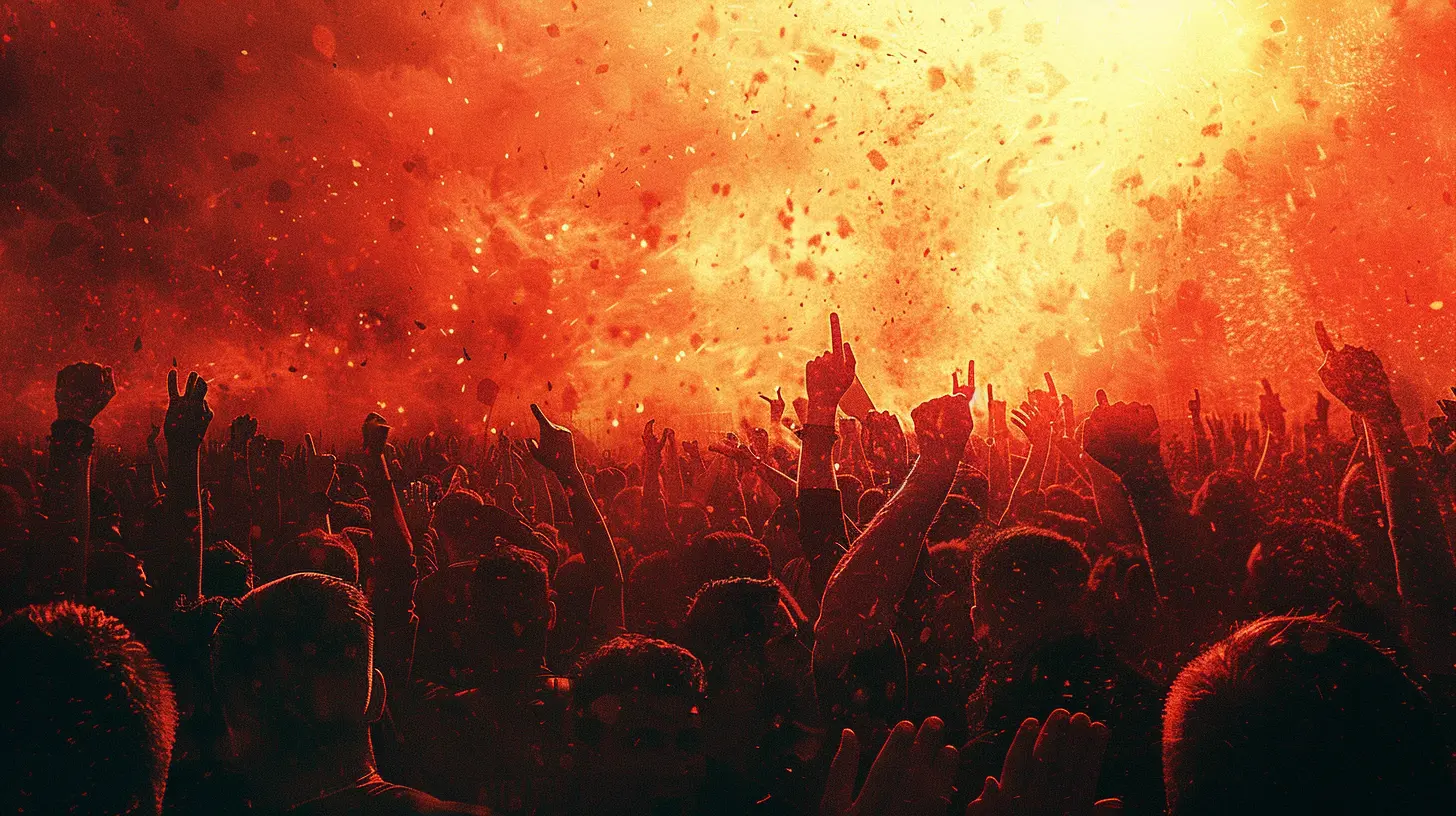
How Music and Chants Impact Behavior
The Psychology of Groupthink
Music and chants aren’t just about fun and games. There’s a psychological element at play, too. When you’re in a crowd, chanting or singing along with thousands of other people, it’s easy to get swept up in the moment. Psychologists refer to this as "groupthink"—when individuals in a group start to lose their sense of individual identity and become more likely to conform to the group’s behavior.In the context of hooliganism, this can be both good and bad. On the one hand, it can create a sense of unity and camaraderie, bringing fans together in support of their team. On the other hand, it can also lead to more aggressive or violent behavior, as individuals feel less accountable for their actions when they’re part of a large group.
Music and Aggression
There’s also some evidence to suggest that certain types of music can increase aggression. Studies have shown that fast-paced, aggressive music can lead to heightened arousal and emotional intensity, which can in turn lead to more aggressive behavior. This might explain why certain types of music—like punk, rock, or heavy metal—are so popular among hooligan groups. The music gets the adrenaline pumping, and in some cases, that can lead to clashes with rival fans or the police.The Role of Alcohol
Let’s be real—alcohol often plays a role in hooligan culture, too. And when you mix alcohol with loud music and chanting, it’s a recipe for heightened emotions. Alcohol lowers inhibitions and increases impulsivity, which can make fans more likely to engage in risky or aggressive behavior. Combine that with the groupthink effect and the emotional power of music, and it’s easy to see how things can escalate quickly.Can Music and Chants Bring Change?
A Tool for Positive Change
While music and chants have often been associated with the darker side of hooliganism, they can also be a force for positive change. In recent years, we’ve seen more and more clubs and fan groups using music and chants to promote positive messages—whether it’s anti-racism, anti-violence, or support for various social causes.For example, many clubs have adopted anti-racism anthems, and some fan groups have created chants that celebrate diversity and inclusion. These initiatives are a reminder that while hooligan culture has its problems, it also has the potential to bring people together in positive ways.
The Future of Music and Chants in Football
So, what does the future hold for music and chants in hooligan culture? As football continues to grow as a global sport, it’s likely that music and chants will continue to evolve, reflecting the changing nature of fan culture. While the aggressive, rebellious edge of hooliganism may never fully disappear, there’s hope that music and chants can be used to foster a more inclusive and positive fan experience.At the end of the day, music and chants are a reflection of the fans themselves—and as fans change, so too will the culture.
Conclusion
Music and chants are far more than just background noise at a football match. They’re an integral part of hooligan culture, shaping identity, emotions, and behavior. From the rebellious anthems of punk rock to the collective power of group chants, these elements have been key drivers in the development of hooliganism. However, while they’ve often been associated with aggression and violence, music and chants also have the potential to bring about positive change in the world of football.So next time you’re at a match and you hear the crowd start to chant, take a moment to appreciate the power of music and the role it plays in the beautiful (and sometimes chaotic) game.
all images in this post were generated using AI tools
Category:
HooliganismAuthor:

Fernando Franklin
Discussion
rate this article
2 comments
Aria Meyers
Fascinating topic! It's intriguing how music shapes the identity and camaraderie within hooligan culture. I wonder, do specific songs or chants enhance the emotional intensity of matches or alter fan behavior?
February 13, 2026 at 4:43 AM
Fernando Franklin
Thanks for your thoughts! Absolutely, specific songs and chants create a strong emotional bond among fans, fueling their passion and often influencing the atmosphere during matches. The right tune can amplify everything from excitement to unity, making the experience even more intense.
Joel McDonough
Who knew the secret weapon of hooligans was a killer playlist? Next time, let’s swap flares for funky beats and see if the mayhem still ensues!
January 8, 2026 at 4:49 AM
Fernando Franklin
Absolutely! Music has a powerful impact on emotions and unity, so swapping flares for funky beats could transform the atmosphere while still igniting passion.