The Influence of Street Football on Professional Players’ Skills
7 December 2025
If you’ve ever walked through a back alley, a dusty neighborhood field, or an empty parking lot surrounded by shouts and the scuff of sneakers on concrete, you’ve witnessed street football in its purest form. It’s raw. It's real. And believe it or not, it’s one of the most powerful breeding grounds for football talent the world has ever known.
You see, before the bright lights of stadiums and the roar of thousands, many of today’s football superstars were just kids kicking around a battered ball with their friends. They weren’t playing for trophies. They weren’t being coached by UEFA-certified trainers. They were playing for the love of the game.
And here's the kicker—it shaped them into the players we idolize today.
So let’s dive deep into how street football doesn’t just influence professional players—it defines them.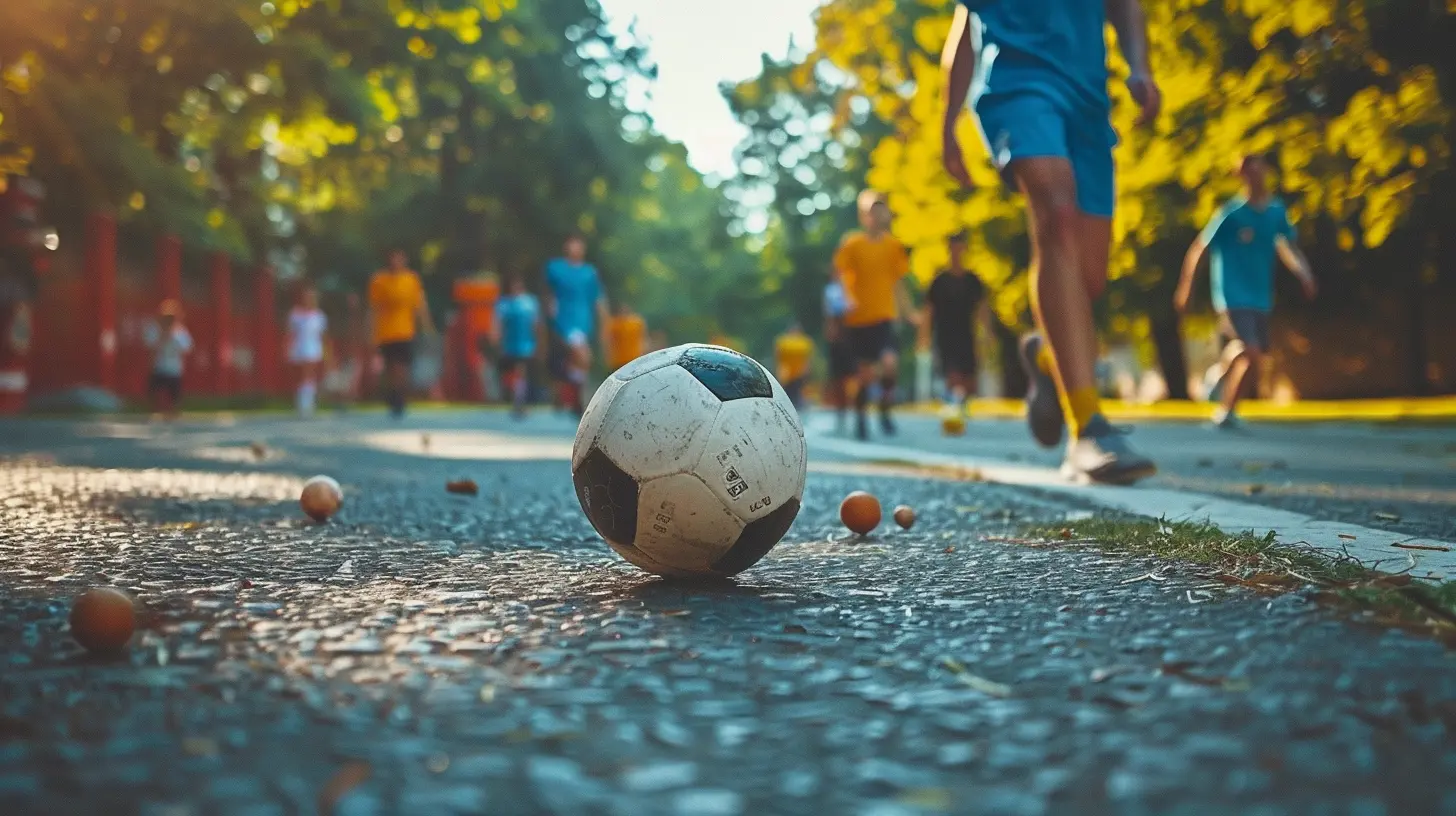
What Exactly Is Street Football?
Before we get ahead of ourselves, let’s get on the same page.Street football is informal, unstructured, and often played in tight spaces—think alleyways, rooftops, side streets, and abandoned lots. There are no referees, no fancy kits, often not even proper goals. It’s pure, improvisational football.
And that’s exactly the beauty of it.
This environment forces players to develop quick decision-making, creativity, flair, and technical finesse. It’s where football becomes art.
The Magic of the Streets: What Sets It Apart?
Professional academies focus on structure, discipline, tactics, and drills. Useful? Absolutely. But street football offers something rare—freedom.In street football, there are no limits. You can attempt outrageous skills without the fear of getting benched. You learn to adapt, to think fast, and express yourself openly in the game.
Let’s break down what makes street football so unique:
- Small Spaces = Big Skills
You ever tried dribbling past five people in a courtyard no bigger than your living room? That’s street football. It demands tight control, sharp turns, and lightning-quick reflexes.
- No Rules, All Expression
Nutmegs, stepovers, elasticos—street football is a stage for flair. Players invent moves that look like they came straight out of a video game.
- Under Pressure, Always
You mess up in street football, you hear about it. It’s brutally honest. But this kind of feedback fuels growth. You learn fast or get left behind.
How Street Football Sharpens Technical Skills
Let’s zoom in on some of the game-changing skills players pick up from the streets.1. Close Ball Control
In tight, unstructured environments, you learn to treat the ball like an extension of your own body. Every touch counts. Players develop an almost magnetic control over the ball—something that’s tough to fully instill in a structured academy setting.2. Creativity and Improvisation
Street football players are magicians. They think on their feet, crafting unpredictable moves that dazzle defenders. It's like jazz—unpredictable, instinctive, and alive.Just look at someone like Neymar. His creativity didn’t come from drill after drill—it was born in the streets of Brazil where every move had to beat a defender and earn admiration.
3. First Touch and Quick Reaction
In street games, you often get one shot—your first touch better be perfect or you’ll lose the ball. It’s a make-or-break environment that forces players to sharpen the foundational basics.4. Confidence in 1v1 Situations
Because it’s mostly smaller games—2v2, 3v3, or even 1v1—you’re constantly put in situations where beating a man is essential. This repeated exposure builds both skill and confidence that translates directly to the pro pitch.
Street Football and Football IQ
Here’s something that doesn’t get talked about enough—football intelligence.Street football forces you to read the game instinctively. There’s no coach yelling instructions. Players have to read their environment, anticipate passes, find gaps, and react in real time.
It’s the kind of awareness you don’t get from a chalkboard and film session.
And here's the cool part: many street footballers develop different ways of seeing the game. They might not explain tactics like a coach, but they feel them. They understand rhythm, timing, and space in ways that almost seem, well… poetic.
The Global Footprint: From the Favelas to the World Stage
Think street football is just Brazil’s thing? Think again.All over the world, players are rising from humble street games into professional greatness. Let’s look at a few legends shaped by street football:
- Lionel Messi (Argentina)
Okay, maybe not the “streets” in the classic sense, but growing up in Rosario, little Leo played endlessly in local neighborhoods, crafting his unique, low-center-of-gravity style.
- Cristiano Ronaldo (Portugal)
He honed his raw physical attributes and hunger on the streets of Madeira, playing against older, tougher kids.
- Ronaldinho (Brazil)
The ultimate street football icon. His flair and vision came directly from playing futsal and informal street games in Porto Alegre.
- Zinedine Zidane (France)
Raised in the tough suburbs of Marseille, Zizou’s graceful control and balance reflect his street football roots.
The list goes on—Riyad Mahrez, Kylian Mbappé, Mohamed Salah—all shaped by street football’s unpredictable schooling.
The Bridge Between Street and Professional Football
So how exactly does all this street magic translate into top-tier performance?Simple—the foundational skills learned in the streets give players a massive edge.
When they enter elite academies or professional systems, they arrive with:
- Strong technical ability
- Natural creativity
- Mental resilience
- Unshakable confidence
- Passion for the game
Trainers can teach formations and fitness. But that raw, expressive, fearless style? That has to be lived, not taught.
The Rise of Street Football Culture in Modern Training
Here’s something cool—many academies and clubs are starting to realize the power of street football. Some even incorporate street-style mini-games and futsal-like formats as part of training.You’ll see more small-sided games, one-touch challenges, and “free play” sessions designed to spark creativity and spontaneity.
And let’s not forget the cultural movement. Street football has spilled into music, fashion, and social media. Players are no longer just athletes—they’re artists and influencers. Street culture is football culture.
The Emotional Impact: Why Street Football Feels Different
Beyond the physical and tactical advantages, there’s an emotional element to street football that’s just… different.It’s personal. Heartfelt. Passionate.
You're not playing for glory—you’re playing for pride. For love. For the roar of your friends when you nutmeg someone twice your size. For the feeling that even if you don’t have much, you've got a ball and a dream.
This emotional depth builds character. And when players carry that with them onto the world’s biggest stages, it shows.
The Flip Side: Limitations of Street Football
Okay, let’s be fair—it’s not all sunshine and samba.Street football has its limits. It often lacks:
- Tactical structure
- Positional discipline
- Physical conditioning
- Injury prevention
That’s why blending both worlds—street flair with professional structure—is the ultimate combo.
The best players? They’ve got both.
Why It Matters Now, More Than Ever
In an era where kids are getting scouted at age 7 and football is increasingly data-driven, it's easy to forget the soul of the game.Street football reminds us of the joy, the toughness, and the creativity that made us fall in love with the game in the first place.
It’s not about stats. It’s about stories. It’s about passion.
So whether you're a player, coach, parent, or just a fan—embrace the streets. There’s magic in those cracked pavements and dusty pitches.
Final Thoughts
Street football isn’t just a stepping stone—it’s a crucible. It tests, refines, and transforms. The influence it has on professional players’ skills is undeniable, shaping legends that thrill us week in, week out.So next time you see a kid juggling a ball in a park, remember—you might just be watching the next Neymar, the next Zidane, the next big thing.
Not every star is born in an academy.
Some are forged in the streets.
all images in this post were generated using AI tools
Category:
FootballAuthor:

Fernando Franklin
Discussion
rate this article
2 comments
Miranda Allen
Great insights! Street football truly shapes unique skills in professional players. Love it!
December 26, 2025 at 4:25 AM
Fernando Franklin
Thank you! I’m glad you enjoyed the article and appreciate the impact of street football on player development!
Carrie McLanahan
Street football: where creativity meets grit. It’s the unsung hero behind professional players' flair, proving that the best skills aren’t always honed in pristine stadiums, but on gritty, asphalt pitches.
December 7, 2025 at 12:38 PM
Fernando Franklin
Absolutely! Street football fosters creativity and resilience, shaping players' unique styles and skills that often shine in professional arenas.