The Most Iconic Soccer Stadiums Around the World
22 February 2026
Soccer, or football as it's known almost everywhere else, is more than just a game—it’s a global obsession. And what makes the soccer experience even more electric? The stadiums. These architectural marvels aren't just steel and concrete; they are the modern-day gladiator arenas where legends are made, dreams are shattered, and history is written in real-time.
Some stadiums, due to their rich history, passionate fanbases, or jaw-dropping design, have transcended beyond their role as mere venues. They’ve become iconic landmarks, drawing not just soccer fanatics but also tourists and architecture buffs. So, let’s lace up our metaphorical boots and take a tour around the world’s most iconic soccer stadiums. Ready? Let’s dive in!
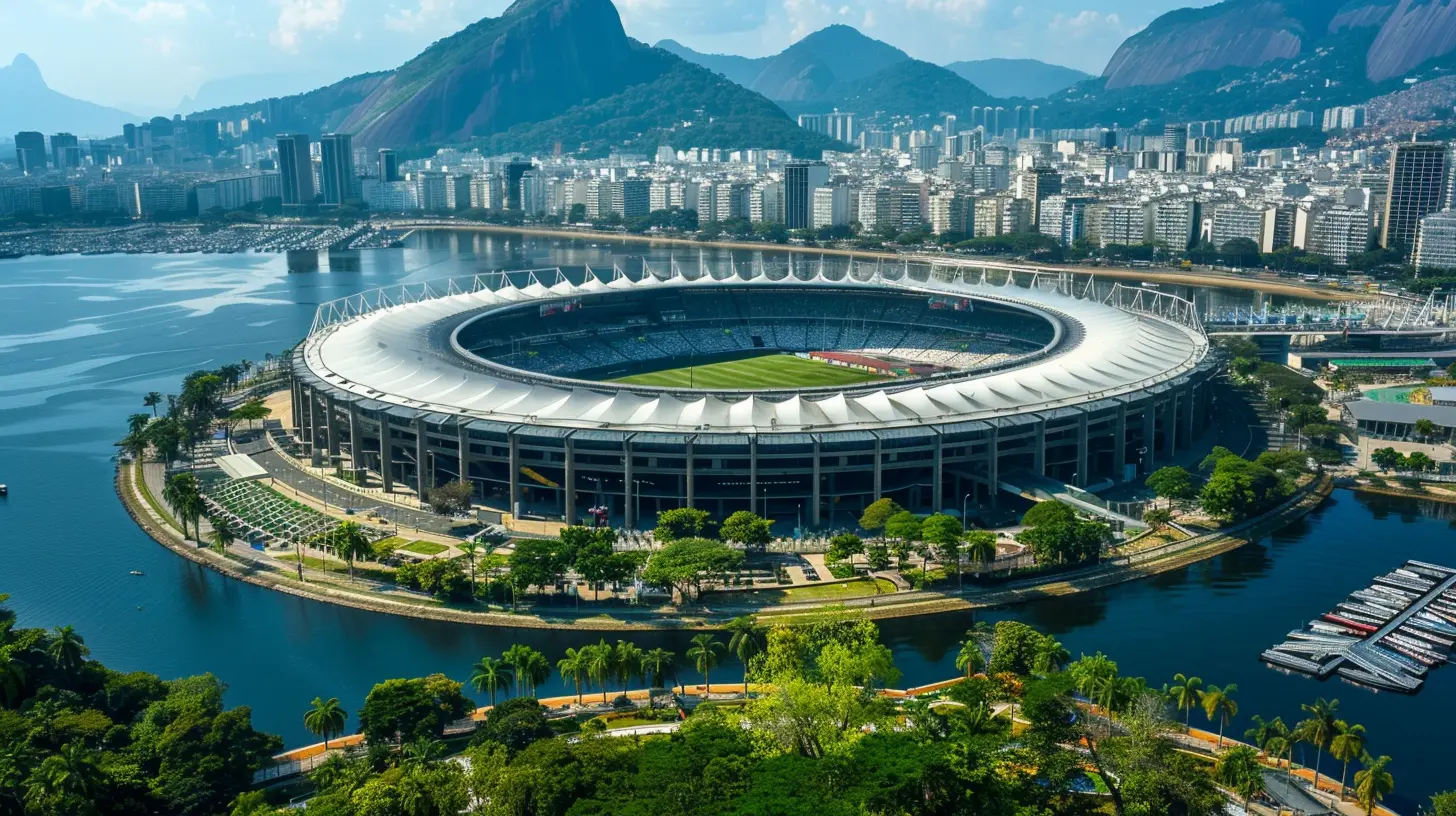
1. Camp Nou - Barcelona, Spain
The Heart of Catalonia
When you think of FC Barcelona, the name Camp Nou is engraved into your mind. This stadium isn’t just a place to watch football; it’s a symbol of Catalonian pride, culture, and identity. Opened in 1957, Camp Nou has become one of the most famous stadiums on the planet.With a seating capacity of 99,354, it’s the largest stadium in Europe—and the second-largest soccer stadium in the world. It’s seen some of the greatest footballers in history grace its pitch: Lionel Messi, Xavi, Andrés Iniesta, Ronaldinho, and the list goes on. Watching a match at Camp Nou isn’t just an event; it’s an experience that leaves you breathless.
What Makes Camp Nou Iconic?
The atmosphere. The chants of "Mes Que Un Club" (More Than A Club) resonate through the air, sending chills down your spine. It also doesn't hurt that the stadium is located in one of the most beautiful cities in the world—Barcelona.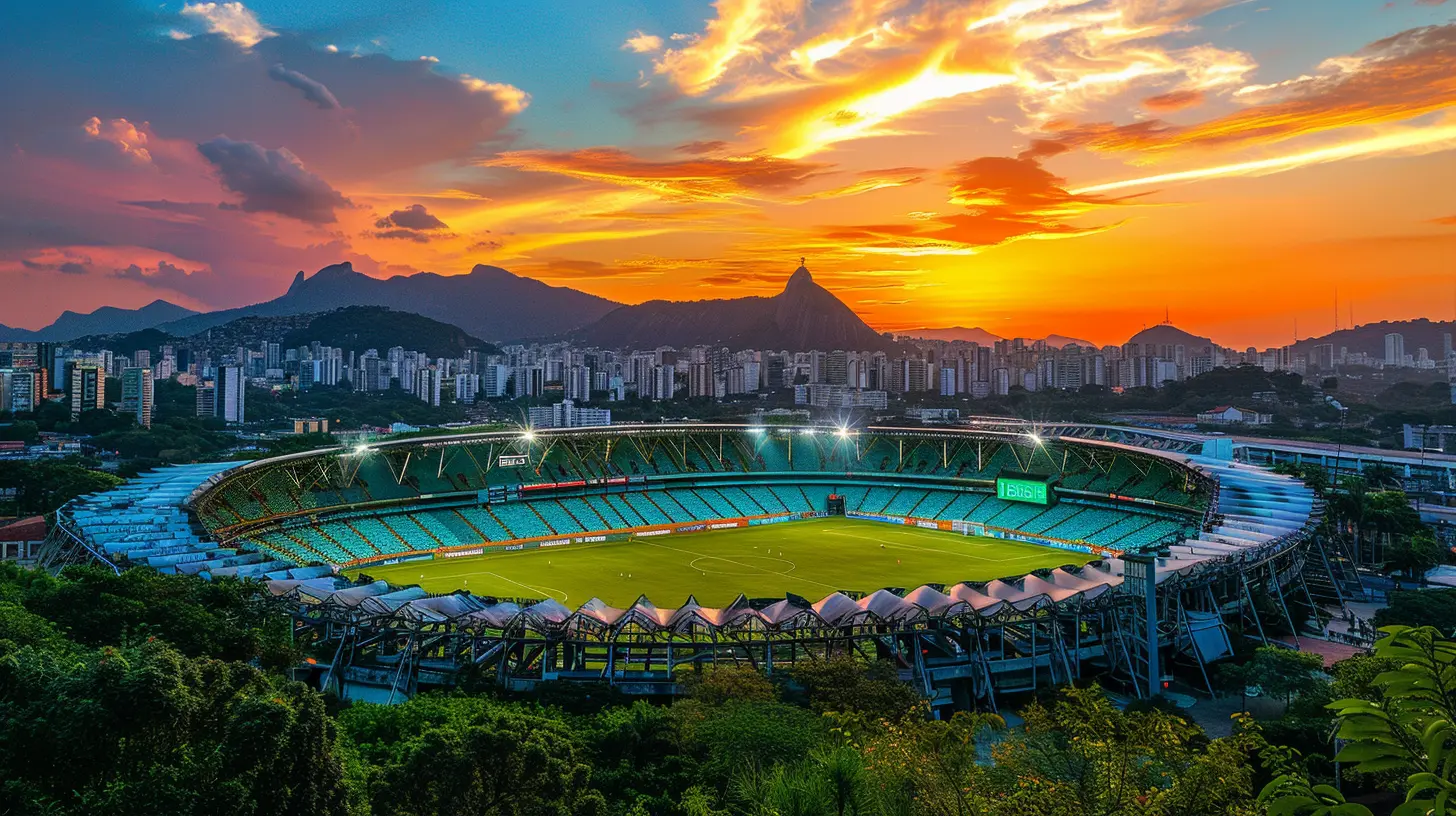
2. Maracanã - Rio de Janeiro, Brazil
The Soul of Brazilian Football
Ah, the Maracanã! If Camp Nou is the heart of Catalonia, then Maracanã is undoubtedly the soul of Brazilian football. Opened in 1950 for the FIFA World Cup, this stadium is steeped in history and emotion. It's seen some of the highest highs and the most heartbreaking lows, none more dramatic than the infamous 1950 World Cup final where Brazil lost to Uruguay, a moment known as the "Maracanazo."Though originally built to hold over 200,000 fans, renovations have reduced its capacity to around 78,838. But don't let the smaller size fool you—the energy inside is still electric.
What Makes Maracanã Iconic?
Brazil’s love for football is like nothing else on this planet, and Maracanã is its cathedral. From Pelé’s 1000th goal to hosting the 2014 World Cup final, this stadium is woven into the fabric of soccer history. Plus, it’s located in one of the world’s most picturesque locations, right next to the stunning beaches of Rio.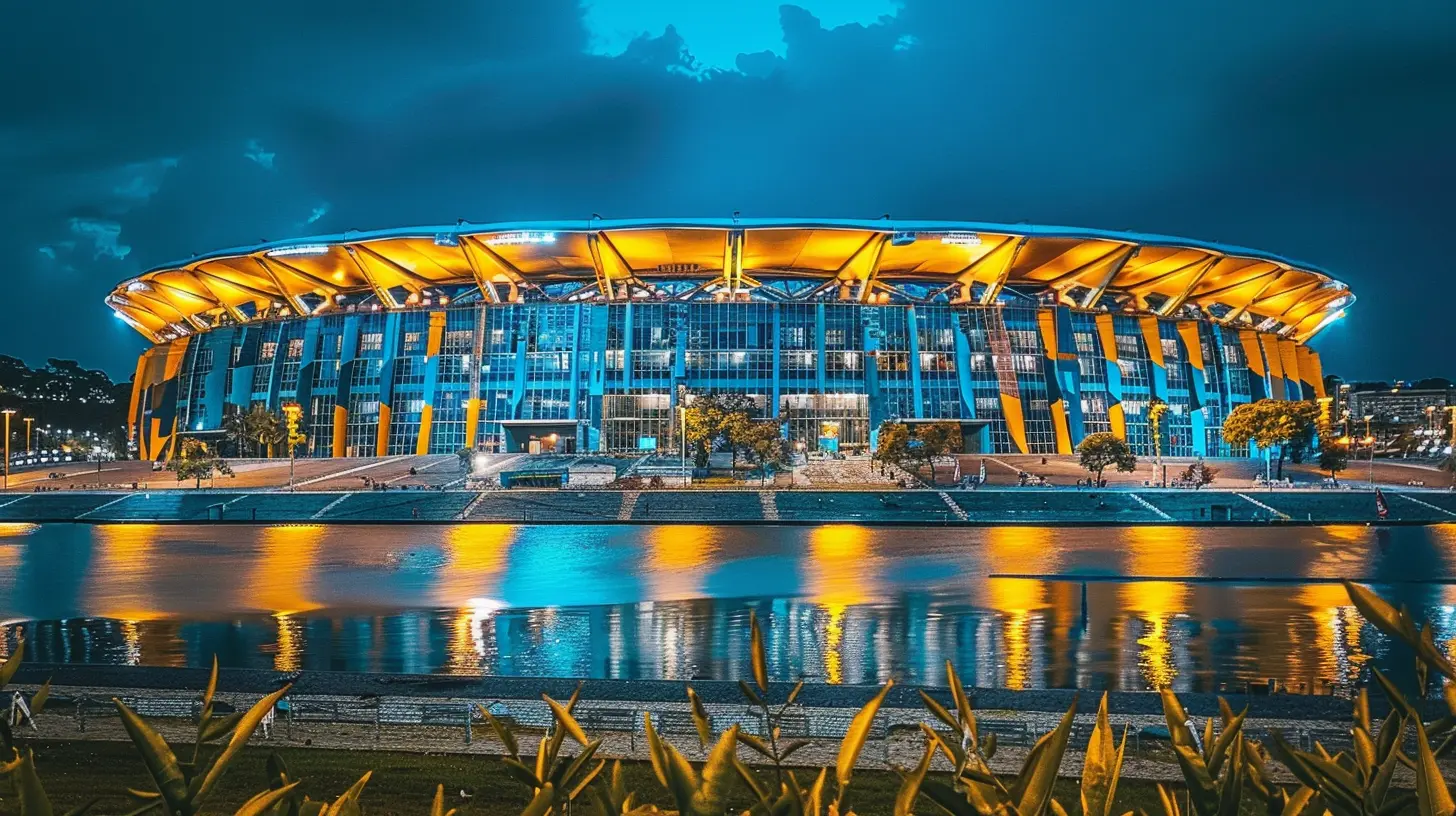
3. Old Trafford - Manchester, England
The Theatre of Dreams
Nicknamed “The Theatre of Dreams," Old Trafford is the home of Manchester United, one of the most successful football clubs in the world. Opened in 1910, this stadium has witnessed the rise of legends like George Best, Eric Cantona, David Beckham, and Cristiano Ronaldo.With a capacity of 74,140, it's the largest club stadium in the United Kingdom. What sets Old Trafford apart isn't just its size, but its history and the aura that surrounds it. Walking into Old Trafford feels like stepping into a living museum of football.
What Makes Old Trafford Iconic?
It has to be the history. From Sir Alex Ferguson’s dynasty to the Busby Babes, this stadium has seen it all. When you step into Old Trafford, you're not just watching a game—you’re witnessing a piece of football’s grand narrative.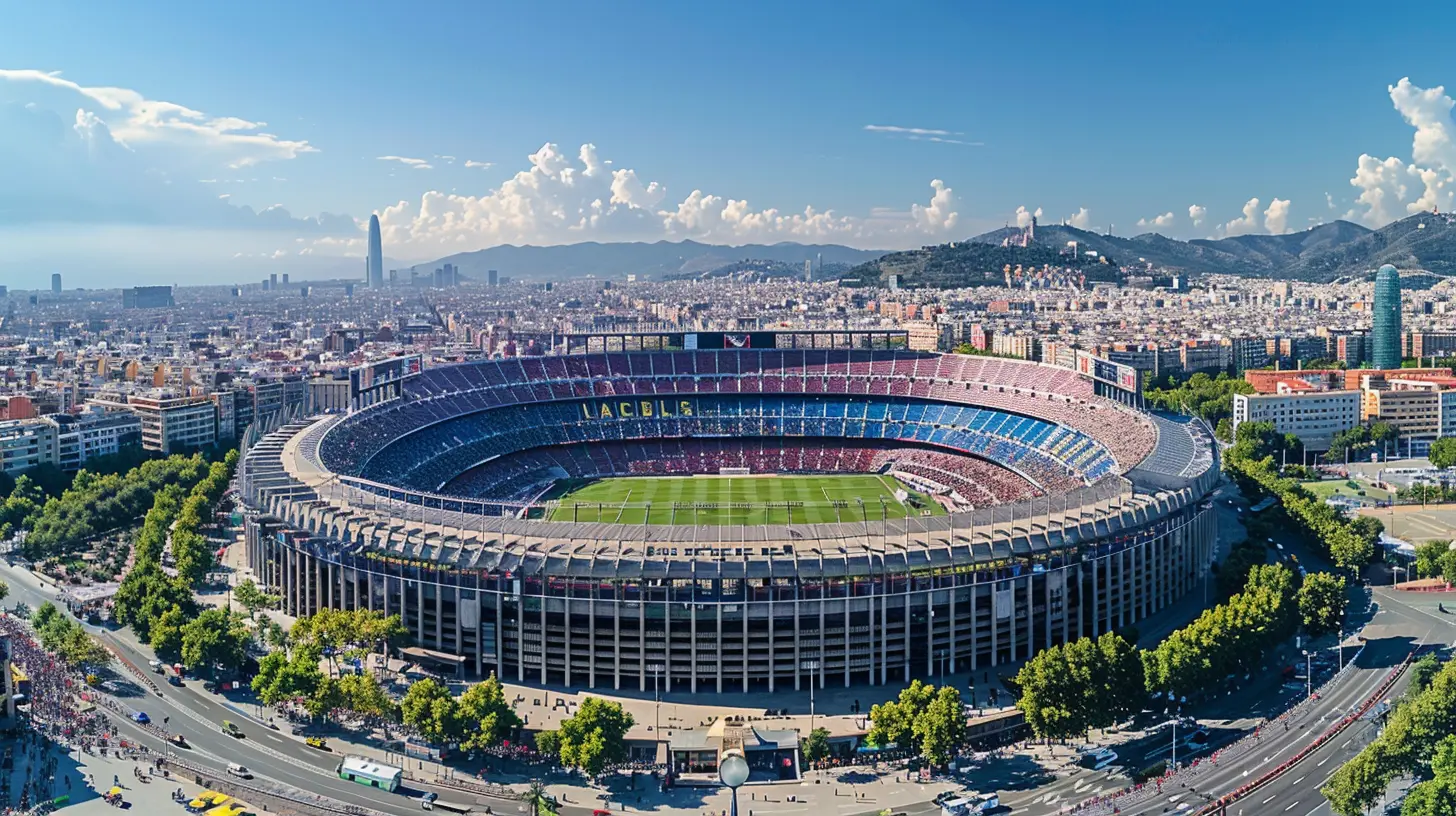
4. Estadio Azteca - Mexico City, Mexico
The Colossus of Saint Ursula
Estadio Azteca is a beast. It’s not just one of the largest stadiums in the world with a capacity of 87,523, but it’s also one of the most significant. Why? Because it’s the only stadium in the world to have hosted two FIFA World Cup finals (1970 and 1986). Both finals were legendary, with Pelé and Diego Maradona at the helm, each lifting the trophy in their respective eras.What Makes Estadio Azteca Iconic?
Two words: World Cups. This stadium has been the backdrop for some of football’s most iconic moments, including Maradona’s infamous "Hand of God" goal and his mesmerizing solo effort against England, both in 1986. Estadio Azteca is where legends come to etch their names in history.5. Wembley Stadium - London, England
The Home of Football
Wembley Stadium is more than just England’s national stadium—it’s an institution. Opened in 2007 as a replacement for the original 1923 Wembley, this modern marvel is a symbol of football's past, present, and future. With a seating capacity of 90,000, it’s the largest stadium in the UK and the second-largest in Europe.From hosting the FA Cup final to the UEFA Champions League final, Wembley is where football's biggest moments unfold. And let’s not forget its iconic arch, which has become one of the most recognizable features in stadium design.
What Makes Wembley Iconic?
The aura. It’s where football’s biggest moments have taken place, from England’s 1966 World Cup win to countless FA Cup finals. The Wembley arch, visible from all over London, is like a lighthouse for football fans guiding them home.
6. Santiago Bernabéu - Madrid, Spain
The Fortress of Real Madrid
The Santiago Bernabéu is synonymous with Real Madrid, one of the most successful football clubs in history. Opened in 1947, this legendary stadium has a capacity of 81,044 and has hosted some of the biggest games in football history, including multiple European Cup finals.Real Madrid’s illustrious history is intertwined with this stadium, where legends like Alfredo Di Stéfano, Zinedine Zidane, and Cristiano Ronaldo have all showcased their magic.
What Makes Santiago Bernabéu Iconic?
The Bernabéu is a fortress. When Real Madrid plays in their home stadium, it feels like they’re invincible. The energy, the crowd, the sheer history of the place—it all makes for an unrivaled football experience.7. Allianz Arena - Munich, Germany
The Futuristic Beacon of Munich
Opened in 2005, the Allianz Arena is one of the most modern stadiums in the world. With its unique exterior that changes colors depending on who’s playing (red for Bayern Munich, blue for 1860 Munich, and white for the German national team), this stadium looks more like a spaceship than a football ground.With a seating capacity of 75,000, the Allianz Arena has quickly become one of the most famous stadiums in the world. It’s a symbol of modern football architecture and a fan-favorite for both locals and visitors.
What Makes Allianz Arena Iconic?
The design. The Allianz Arena’s futuristic look and color-changing façade make it stand out instantly. It’s like the stadium is alive, breathing with the game.
8. San Siro - Milan, Italy
The Cathedral of Italian Football
Home to both AC Milan and Inter Milan, San Siro is one of the most iconic stadiums in the world. Opened in 1926, this 80,018-seat stadium has witnessed countless Milan derbies, known as "Derby della Madonnina," and has been the venue for numerous UEFA Champions League finals.The stadium’s towering structure and intimidating atmosphere make it a fortress for both Milanese football giants. If you ever get the chance to attend a derby here, do it. The passion and intensity are off the charts.
What Makes San Siro Iconic?
It’s the drama. Being home to two of the world’s biggest clubs means San Siro is steeped in rivalry. The atmosphere during a Milan derby is unlike anything else in football.9. Signal Iduna Park - Dortmund, Germany
The Yellow Wall of Dortmund
Signal Iduna Park, also known as Westfalenstadion, is the home of Borussia Dortmund and one of the loudest stadiums in the world. With a capacity of 81,365, this stadium is famous for "The Yellow Wall," a single-tier terrace that holds over 25,000 passionate Dortmund fans. The atmosphere here is something every football fan needs to experience at least once in their lifetime.What Makes Signal Iduna Park Iconic?
The fans. The Yellow Wall isn’t just a stand; it’s an overwhelming force of nature. When Dortmund plays at home, the energy is palpable, and the decibel levels are off the charts.
10. La Bombonera - Buenos Aires, Argentina
The Cauldron of Passion
La Bombonera, home to Boca Juniors, is one of the most intimidating stadiums in the world. With a capacity of just 54,000, it may not be the largest, but the steep stands and fervent fans create an atmosphere that is tense, electric, and downright intimidating for visiting teams.The stadium’s unique "D-shape" design means that fans are right on top of the action, and when Boca Juniors play, you can feel the stadium shake.
What Makes La Bombonera Iconic?
The passion. Boca Juniors’ fans are some of the most passionate in the world, and La Bombonera channels that energy into a cauldron of noise and emotion. It’s not just a match here; it’s a life-defining experience.Conclusion
From the towering architecture of Camp Nou to the roaring atmosphere of La Bombonera, these iconic soccer stadiums are more than just places to watch football. They are monuments to the beautiful game, each with its own unique story, atmosphere, and charm. Whether you're a die-hard football fan or just someone who appreciates incredible architecture, these stadiums are worth the pilgrimage.So, next time you're planning a trip, why not add one of these legendary arenas to your bucket list? Who knows—you might just witness history being made.
all images in this post were generated using AI tools
Category:
SoccerAuthor:

Fernando Franklin
Discussion
rate this article
2 comments
Rhett Jennings
Ah, soccer stadiums—the only places where people passionately argue over grass, while trying to ignore the fact that it’s just 22 grown-ups chasing a ball! Let’s just hope they remember to bring snacks for the halftime drama!
April 1, 2026 at 11:57 AM
Fernando Franklin
Absolutely! It’s all about the passion and the snacks—both essential for an unforgettable match experience!
Niko Malone
This article beautifully captures the essence of soccer culture through its iconic stadiums. Each venue tells a unique story and fosters unforgettable moments that define the beautiful game. Great read!
February 22, 2026 at 5:14 AM
Fernando Franklin
Thank you! I'm glad you enjoyed the piece. Each stadium truly has its own story and charm.