The Psychology Behind National Team Rivalries
18 May 2026
National team rivalries in sports go beyond the game itself. Fans don’t just support their teams—they feel an emotional, almost tribal connection to them. These rivalries run deep, fueled by history, culture, and national identity. But what exactly makes these matchups so intense? What is it about international sporting events that bring out such passion? Let’s dive into the psychology behind national team rivalries and why they matter so much to fans across the world. 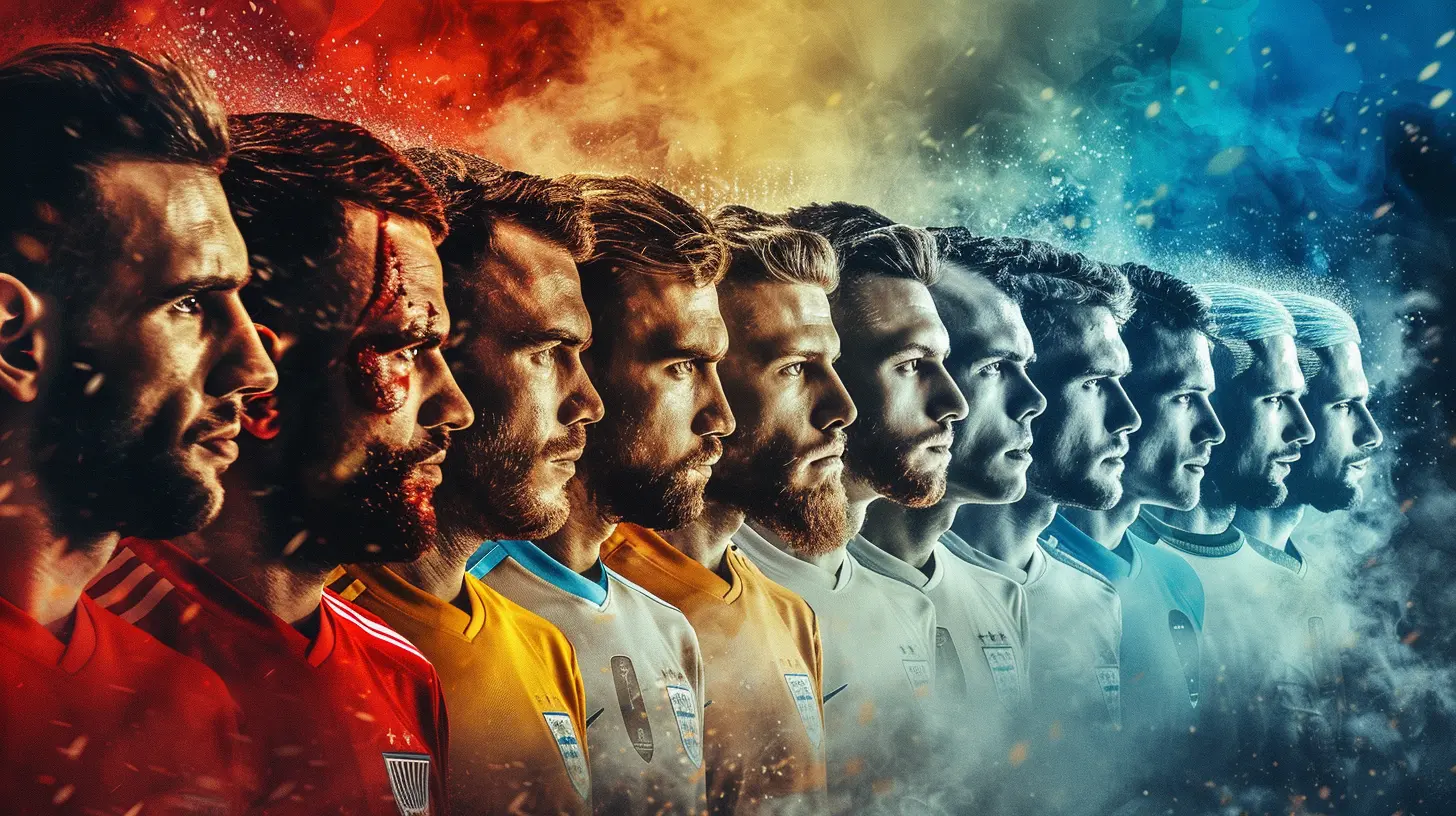
The Emotional Power of National Identity
At the heart of any national team rivalry lies national identity. Supporting a national team isn’t just about enjoying the sport—it’s about representing something bigger than yourself. Your country’s success feels like your success.Think about it: when your national team wins, you feel a surge of pride. When they lose, it hits like a personal defeat. This emotional connection creates a powerful bond between fans and their teams, turning matches into more than just games. They become battles of pride, history, and honor.
In many ways, sports function like a war without the violence. Just as nations have fought battles throughout history, they now compete on the field. The flags, anthems, and chants all fuel a sense of unity, making sports an extension of cultural pride. 
Historical and Political Tensions in Rivalries
Some of the fiercest national team rivalries are rooted in history and politics. Sports rivalries between nations that have clashed in the past often carry deeper meaning beyond simple competition.Take, for example, the Argentina vs. England rivalry in football (soccer). While it started on the pitch, it intensified after the Falklands War in 1982. When the two teams faced off in the 1986 World Cup, Argentina’s infamous "Hand of God" goal by Diego Maradona was seen by Argentinians as a symbolic victory over England.
Another instance is the India vs. Pakistan cricket rivalry. Given the tense political relationship between the two countries, every cricket match feels like a high-stakes event. Fans pour emotions into these games as if the outcome somehow reflects the geopolitical situation between the nations.
These historical and political layers add weight to the competition, making every encounter between rival teams feel more significant. 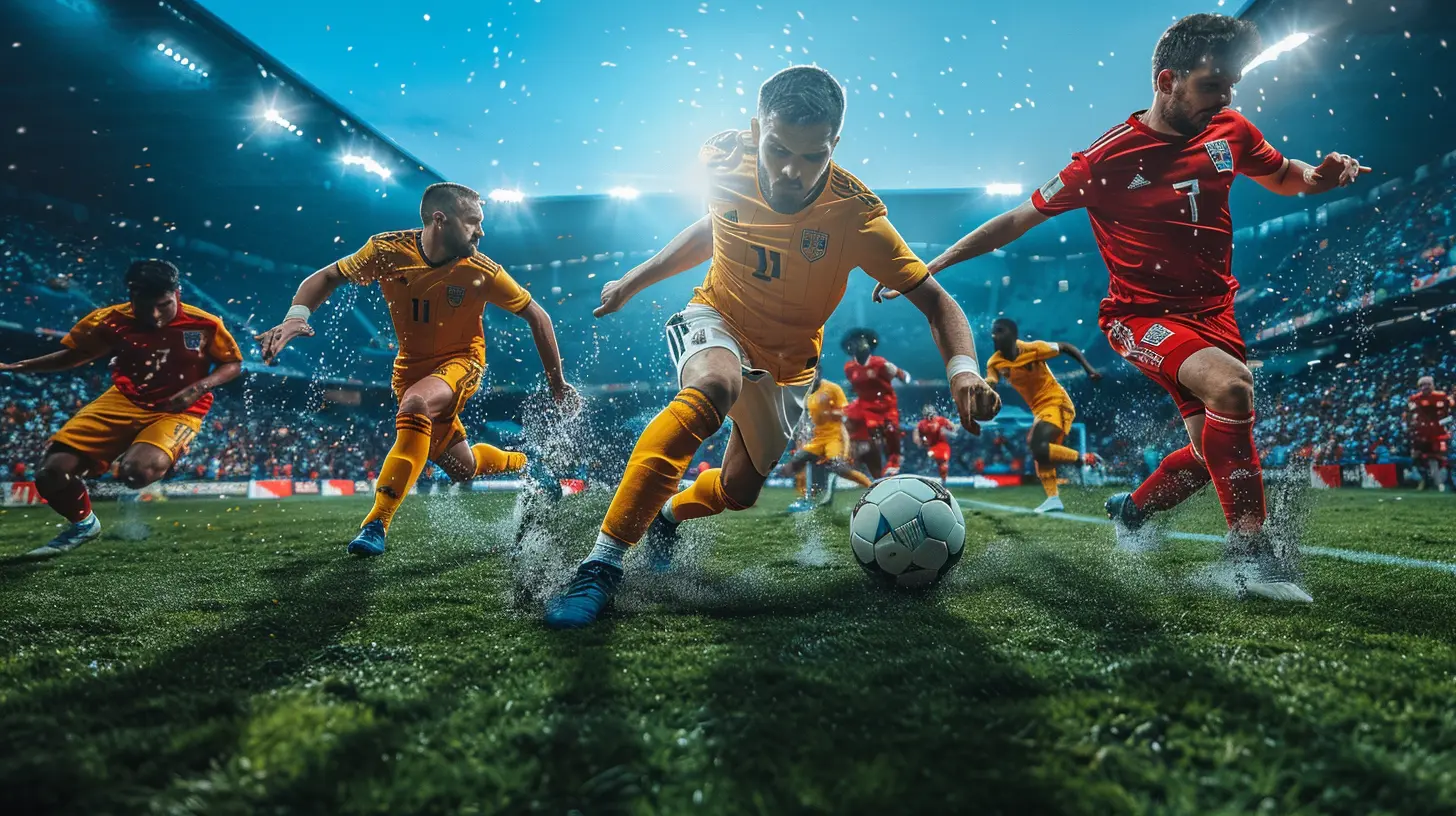
The Tribal Instinct: Us vs. Them Mentality
Humans are wired to form groups. Psychologists call this in-group vs. out-group bias, where people tend to favor those within their group and see outsiders as rivals. Sports rivalries tap into this deeply rooted psychological instinct.When your national team plays against a historical rival, you immediately feel a sense of loyalty. It’s not just about supporting your team—it’s about defeating "them." The opposition becomes the enemy, even if, outside of sports, you have no personal issue with them.
This tribal mentality explains why fans are so passionate about these matchups. The rivalry is more than just a game—it’s a symbolic struggle between two groups of people. 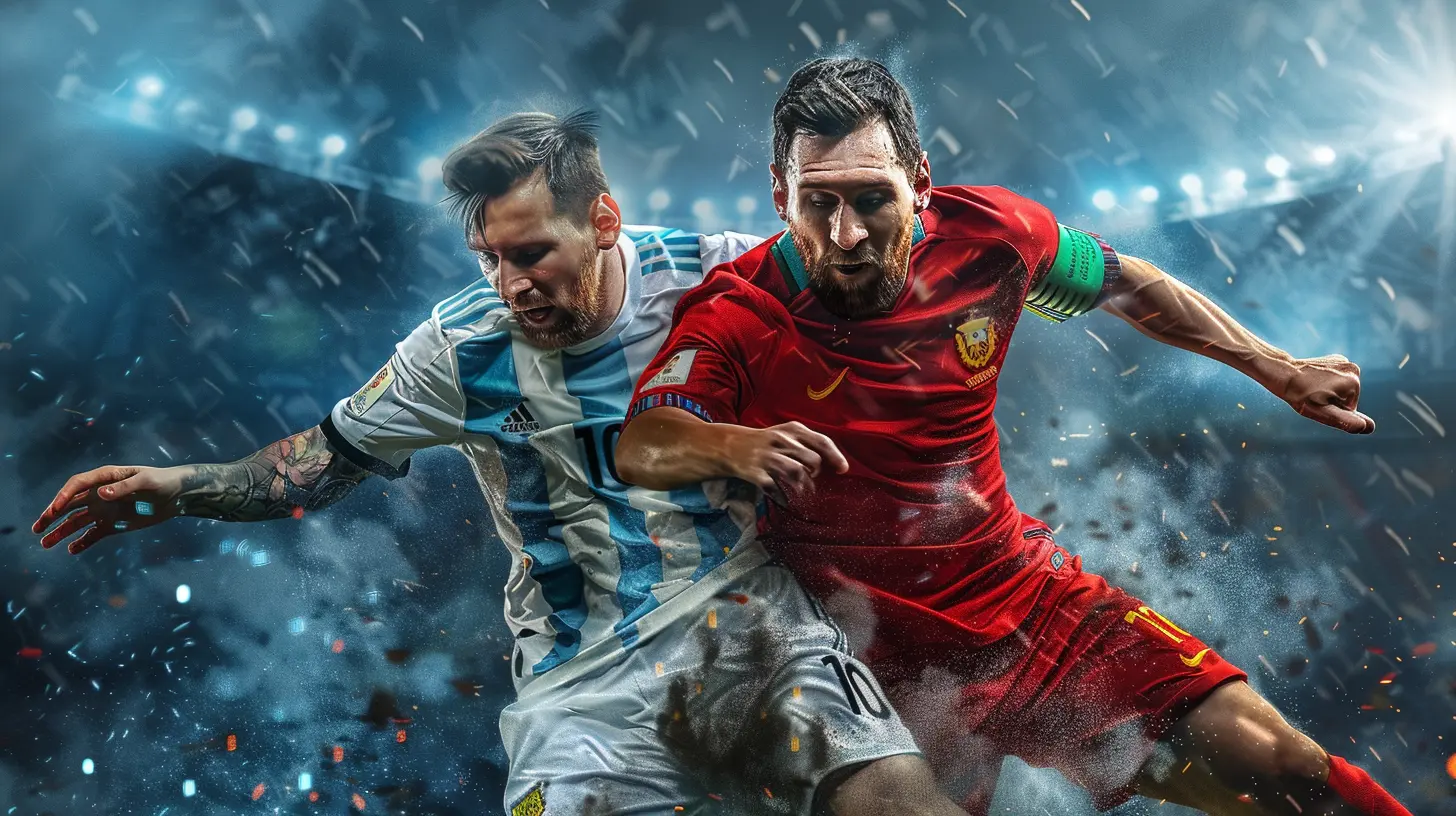
The Role of Media and Fan Culture
Let’s be honest—rivalries wouldn’t be nearly as intense without the media and fan culture fueling the fire.Sports media loves a good rivalry story. They hype up the historical context, dig into past controversies, and amplify player statements that add tension. This constant storytelling builds the anticipation, making every match between rivals feel like an epic showdown.
Fans also play a massive role. Chants, social media trash talk, and heated debates in pubs or online forums all contribute to the intensity. The collective energy of millions of people emotionally investing in their teams creates an electric atmosphere.
Take Brazil vs. Argentina in football. The media constantly debates which country produces the best players, who has the deeper footballing tradition, and which team will emerge victorious in the next showdown. This narrative only adds fuel to an already fiery rivalry.
Psychological Effects on Players and Fans
Players Under Pressure
For the athletes, playing in a high-profile national team rivalry comes with immense psychological pressure. They know the weight of history, the expectations of their country, and the emotional stakes for fans.Some players rise to the occasion, thriving in the intensity of the moment, while others crumble under the pressure. The mental aspect of these games can be just as crucial as physical performance.
Players also feed off the crowd’s energy. The roar of a packed stadium, the pressure of millions watching at home—these factors can make or break an athlete’s performance.
Fans and Emotional Investment
For fans, these rivalries can be emotionally draining. The results of these games genuinely affect people’s moods. A victory can bring euphoria, while a loss can feel like devastation.Studies have shown that when a fan's team wins, their body releases more testosterone, making them feel more confident and dominant. Conversely, after a loss, testosterone levels drop, leading to feelings of sadness or frustration.
It’s no wonder that sports bars erupt in either celebration or frustration when these big rivalry games take place. Fans are emotionally invested as if they were playing the match themselves.
The Dark Side of National Rivalries
While rivalries bring excitement, they also have a darker side.Fan Violence and Hooliganism
Some rivalries have spiraled out of control, leading to violence between fans. Football hooliganism, riots, and clashes between rival supporters have marred several high-profile matchups.For instance, the Serbia vs. Croatia football rivalry carries historical and political baggage, sometimes resulting in violent encounters between fans. Similarly, England vs. Germany has, at times, led to aggressive behavior due to lingering World War II tensions.
While passion is great, when it spills into hostility, it crosses the line from fierce competition to dangerous aggression.
Nationalism vs. Toxic Patriotism
Patriotism in sports is normal, but when it turns into toxic nationalism, it can have negative consequences. Some fans take rivalries too far, using them to justify hatred or racist behavior towards opposing teams and their supporters.A good example is when players face discrimination or racial abuse after a loss. Social media has unfortunately amplified this problem, with some fans directing hate toward rival players simply because of a game.
A healthy rivalry should be about competition and pride—not an excuse for prejudice or hostility.
Why We Love These Rivalries Anyway
Despite their complexities, national team rivalries remain one of the best parts of sports. The passion, the tension, the emotional highs and lows—these are what make sports so thrilling.Think of these rivalries like a great movie storyline. If every game was just another match, sports wouldn't be as exciting. The history, the drama, the narratives—these are what keep fans coming back for more.
And while rivalries can get heated, at the end of the day, sports also have a unique power to bring people together. Some of the most iconic moments in sports history have happened when rivals put aside differences—whether through moments of respect between players or fans uniting in appreciation of the game.
Final Thoughts
National team rivalries are about much more than just sports. They reflect history, culture, and deep-rooted emotions that shape human identity. While these matchups can bring out intense passion (and sometimes hostility), they also remind us why we love sports in the first place.So, the next time your national team takes on a historical rival, embrace the excitement. Cheer, celebrate, maybe engage in some friendly banter—but remember, in the end, it's all about the beauty of the game.
all images in this post were generated using AI tools
Category:
National TeamsAuthor:

Fernando Franklin
Discussion
rate this article
1 comments
Ivory Rogers
What drives these fierce rivalries? A mix of history, passion, and psychology that adds layers to every match...
June 1, 2026 at 11:37 AM
Fernando Franklin
Absolutely, it's a complex blend of cultural pride and historical tensions that fuels these rivalries. Each match becomes a stage for deeper emotions and collective identities.