The Role of Big Data in Fantasy Football Decisions
15 August 2026
Let’s be honest for a second — fantasy football isn’t just a game anymore. It’s a battle of wits, strategy, and, more recently, cold, hard data. A few years back, drafting your fantasy football team meant going with your gut, following your favorite players, and maybe tossing in a few last-minute picks based on what some random guy said on TV. Fast forward to today? Welcome to the age of Big Data — and it’s changing everything.
So, what’s really going on behind the scenes? How is Big Data quietly becoming fantasy football’s secret weapon? Pull up a chair because we’re about to dig into the game behind the game.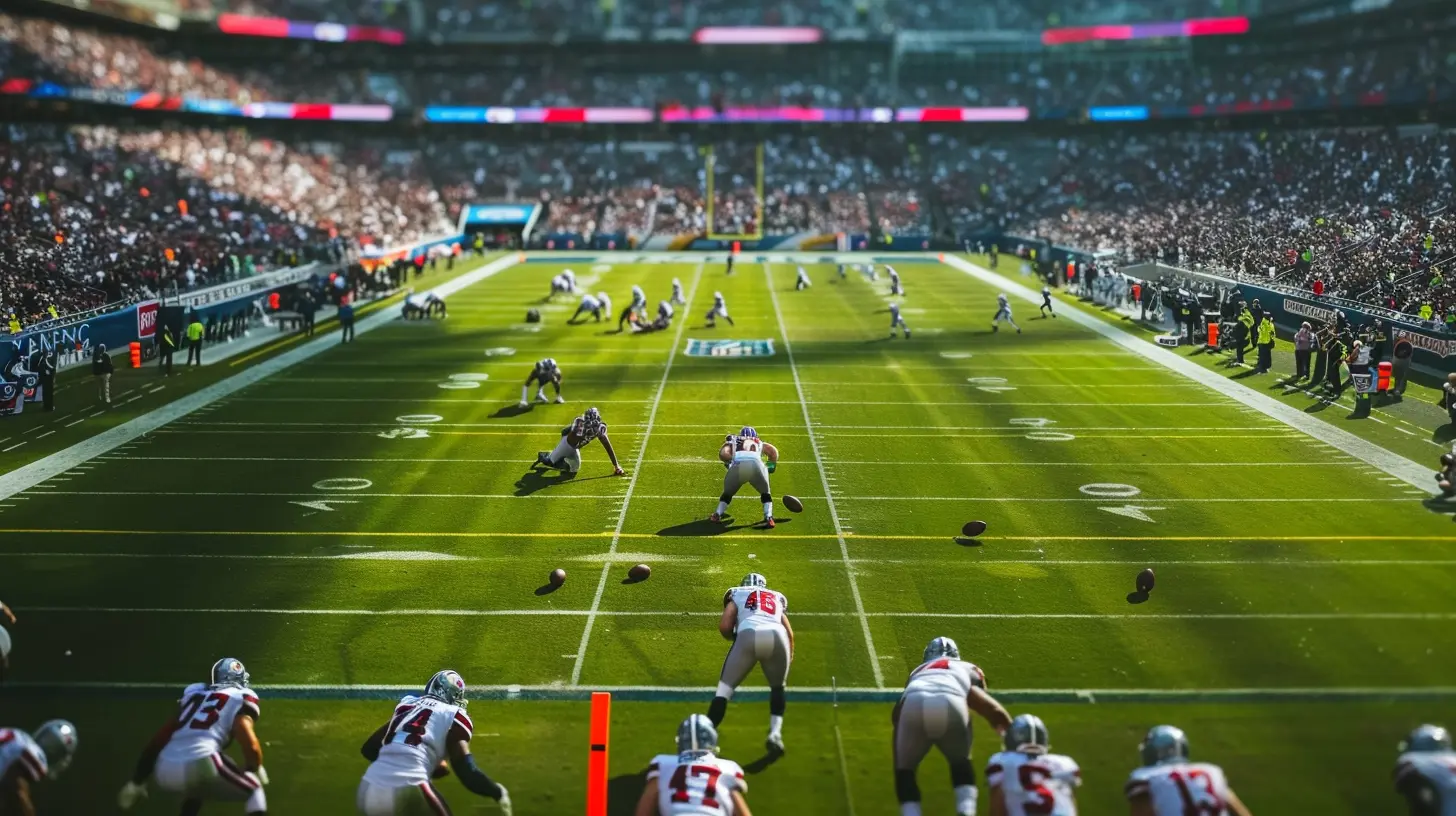
The New MVP: Big Data
Fantasy football used to be a hobby. Now it's practically a science experiment mixed with Vegas odds. And who's the real MVP behind the scenes? You guessed it — Big Data.Big Data doesn’t just mean “a lot of stats.” We're talking about massive volumes of structured and unstructured data pouring in from every click, pass, and step a player makes. GPS trackers, injury reports, historical trends, social media sentiment... it's all part of the mix now.
Think of Big Data like a crystal ball, only powered by algorithms instead of magic. And when used right, it gives fantasy managers a serious edge.
So, What Is Big Data Exactly?
Before we go deeper, let’s break down this buzzword. Big Data refers to data sets that are so large, complex, and fast-moving that traditional data-processing tools can’t handle them. But don’t worry — we’ve got powerful algorithms, machine learning, and predictive models doing the heavy lifting.In the context of fantasy football, Big Data draws from:
- Player performance stats (yards, touchdowns, targets, etc.)
- Injury histories and patterns
- Weather conditions
- Play-calling tendencies
- Team matchups and schedules
- Social media chatter
- Fan sentiment and trends
This isn’t just numbers on a spreadsheet anymore. It’s a living, breathing tapestry of insight.
Gut Instinct VS Data-Driven Decisions
Remember that one friend who always picks players based on their lucky jersey color? Yeah, those days are numbered.Big Data swings open a new door. Instead of relying on gut instincts, fantasy managers can now make informed decisions backed by data science.
Let’s say you’re torn between starting a wide receiver who’s been hot for the past few weeks or another whose team faces a weak pass defense. With Big Data tools, you can analyze past performance in similar matchups, player fatigue, QB relationships, and even red-zone target rates.
Suddenly, the decision isn’t a shot in the dark — it’s a calculated move. That’s the power of precision.
Predictive Analytics: Tomorrow’s Stats Today
Here’s where it gets spooky-good.Predictive analytics uses historical data and statistical models to forecast future events. That means you’re not just reacting to what happened last week — you're anticipating what’s coming next.
This is your cheat sheet to the future. Want to know if a backup running back is primed to explode this week? Predictive analytics can point to that based on snap count trends, upcoming opponent weaknesses, and even how a team tends to use backups in October home games. (Yes, it can get that specific.)
It's like having your own personal fantasy football oracle — no joke.
Real-Time Data: Decisions on the Fly
Game day changes everything, right? Your locked-in lineup suddenly feels shaky after a last-minute injury report or surprise weather forecast. This is where real-time data swoops in like a caped superhero.From injury updates to live performance metrics, having access to up-to-the-minute info can be the difference between a win and a soul-crushing loss.
Advanced platforms now even track player movement with RFID chips during games. Yep, every cut, sprint, and stumble is logged and analyzed. You can literally see if a player is slowing down — as it’s happening.
Can your gut do that?
Sleepers and Breakouts: Found Through the Data Cracks
Every fantasy owner wants to find that diamond in the rough — the sleeper pick that rockets their team to glory. But how do you find these hidden gems when everyone is looking at the same basic info?Big Data!
Using detailed metrics like target share trends, route participation, air yards, and even offensive line grading, savvy players can spot breakouts before they explode. Big Data doesn’t just notice the touchdown scorers. It sees the players quietly stacking value behind the scenes — just waiting to erupt.
It’s kind of like seeing the iceberg before it hits the ship.
Bust Detection: Avoiding Landmines
Avoiding bad picks is just as important as making the right ones. How many times has a big-name player busted and cratered your weekly score?Big Data helps you spot the red flags.
Maybe a star RB is averaging fewer touches. Or perhaps a top-tier WR is facing the league’s best defense for shutting down deep routes. Even things like quarterback pressure rate or offensive line injuries can contribute to poor performance.
With the right data tools, you’re not just crossing your fingers — you're steering clear of trouble like a pro.
Tools of the Trade: Where the Magic Happens
Let’s talk about how you actually use Big Data.There are platforms now built specifically to harness all this chaotic data and turn it into fantasy gold. We’re talking about:
- FantasyPros
- Rotowire
- PFF (Pro Football Focus)
- Next Gen Stats
- Sleeper and Underdog Fantasy tools
- Custom-built spreadsheets and models
These platforms deliver player grades, matchup data, projection comparisons, and even AI-powered trade analysis. You don’t need a PhD in statistics — just the willingness to dig deeper than the average fantasy player.
Drafting With Data: The First Power Move
Let’s not forget about the draft — the cornerstone of every season.Back in the day, you'd print out rankings from some website and wing it. Today? Draft prep means crunching data on ADP (average draft position), value over replacement, workload projections, and team pace of play.
You’re not just picking players anymore — you’re building a statistical masterpiece.
With the right data, you can zig when everyone else zags. That’s how you win championships.
In-Season Management: Data Never Sleeps
Fantasy football isn’t won on draft day. It’s won by the managers who stay sharp week after week. And guess what? Big Data is right there with you, every step of the way.Waiver wire moves? Use usage rates, snap counts, and injury trends to scoop up emerging studs.
Trades? Let the data help you sell high or buy low with surgical precision.
Matchups? Break them down by looking at defensive schemes, coverage tendencies, and player matchups. Every week is a puzzle — Big Data is the cheat code.
The Human Element Still Matters
Now, don’t get it twisted — data is incredible, but it’s not perfect. Football is messy, unpredictable, and full of human factors. A guy could have all the perfect metrics and still fumble the ball twice on Sunday.Big Data should be your compass, not your captain.
Use it to guide your decisions, surface insights, and challenge assumptions. But still trust your instincts, especially if you’ve been around the game a while. The best fantasy players blend hard data with intuitive feel — like a Jedi with an analytics dashboard.
The Future: AI, Machine Learning, and Smarter Fantasy Football
We’ve only scratched the surface.The future of fantasy football? Think AI-generated draft strategies, voice-activated trade simulators, and real-time coaching advice during games. Machine learning models are already rebuilding projections every single day based on new inputs.
It’s like having a digital Bill Belichick whispering advice in your ear.
Fantasy football is evolving fast — and those who embrace the data revolution will dominate the next era.
Final Whistle
Big Data isn't just a trend in fantasy football — it’s a total game-changer. Whether you're a casual player or a hardcore fantasy general manager, tapping into the power of data can take your game to the next level.From draft day to championship week, every lineup tweak, waiver claim, and trade offer becomes a calculated move — not a coin toss.
Want to crush your league this year? Don't just play the game. Master it — with Big Data on your side.
all images in this post were generated using AI tools
Category:
Sports StatisticsAuthor:

Fernando Franklin