The Role of Football Firms in Hooligan Networks
2 February 2026
When we think of football, most of us imagine the roar of the crowd, last-minute goals, and waving scarves. But there's a darker side to the beautiful game—one that's been lurking in the shadows for decades. We're talking about football firms, those underground groups of supporters tied to violence, rivalry, and an almost tribal loyalty.
Now, before we dive headfirst into this gritty world, let’s make one thing clear: not every fan involved in football culture is part of these firms. In fact, most aren’t. But the ones who are? They’ve played a huge role in shaping hooligan networks across the UK and beyond.
So, pull up a seat. Let’s unpack the murky, complicated world of football firms and their role in hooliganism—how they connect, clash, and continue to exist even in today’s high-tech football world.
What exactly is a football firm?
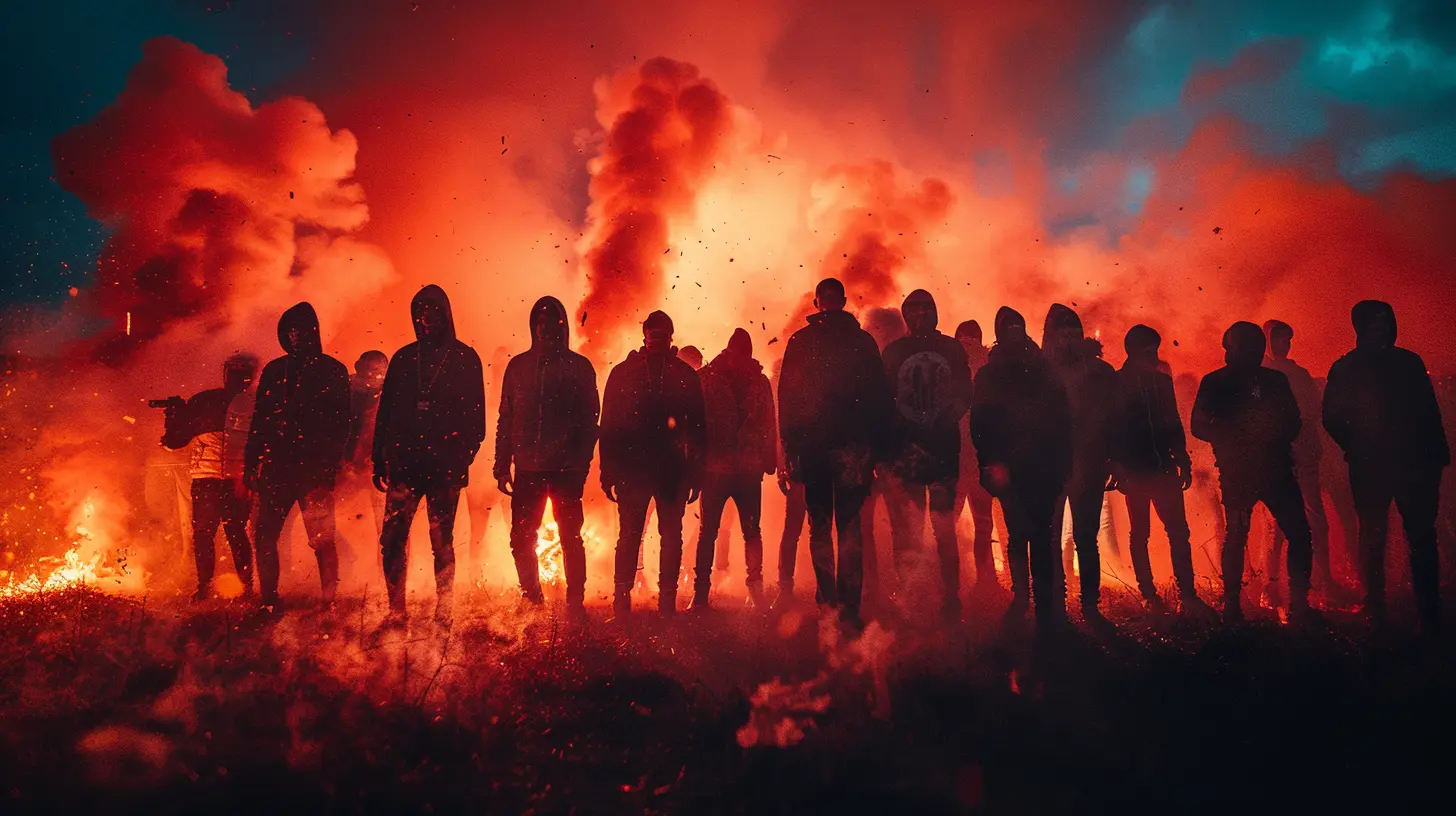
Let’s cut to the chase. A football firm isn’t the kind of 'firm' you’d find in a business park with a receptionist and branded mugs.In the football context, a ‘firm’ is an organized group of hardcore supporters – most often unofficial – who come together primarily for the purpose of defending their club, establishing dominance over rival firms, and often engaging in pre-arranged fights with enemy groups. These clashes usually happen away from the stadium and far from CCTV or police patrols.
Firms are tight-knit, secretive, and loyal. Think of them like underground units in a covert war—with nicknames, codes, and unwritten rules. They might sound like something from a Guy Ritchie film, but trust me, they're very real.
The backbone of hooligan networks
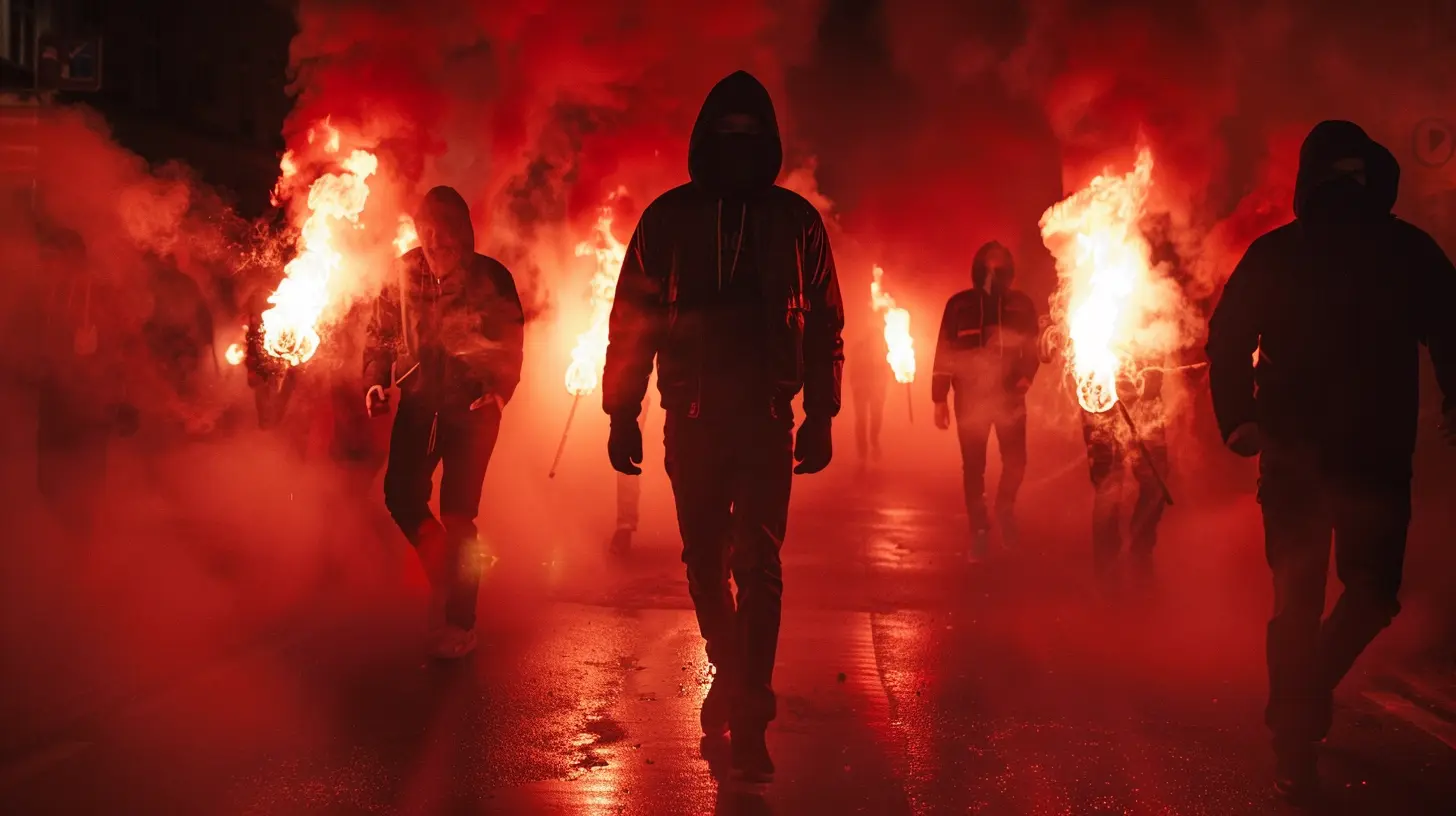
When we talk about ‘hooligan networks’, it’s not just a buzz phrase—it’s a web. And guess who sits right in the middle? You got it: the football firms.They’re the lungs of hooliganism. They pump aggression, rivalry, and tribalism into national and cross-border networks. Here’s how they do it:
1. Local Organization, National Reach
Most firms begin as localized groups—just a bunch of guys (and sometimes women) who follow the same team. But over time, they build reputations. Some become legendary, feared across the country. This reputation opens doors to networks with other firms, whether friendly (alliances) or fiercely hostile (enemies).Through these ties, you'll find an intricate network of interactions—whether that’s arranging fights on neutral turf or coordinating travel to rival grounds.
2. The Hierarchy Within
Don’t think it’s all chaos and mayhem. Nope—firms are often highly structured. You’ve got veterans (the old guard), leaders (usually the most respected or feared), and newcomers (who have to prove themselves).This internal system keeps things moving like clockwork. It enforces discipline, sets boundaries, and makes sure that everyone knows their place. It’s a code—one that fuels the wider hooligan network.
3. Clout and Clashes
The more dominant a firm becomes, the more it influences hooligan behavior statewide. Rivalries intensify because no one wants to be seen as second-best.These rivalries feed the network. They create a constant flow of interaction—whether it's coordination, competition, or outright confrontation.

The ties that bind: How firms are connected
You might be wondering, “How do these firms even find each other?”Well, in the early days, connections were made through word of mouth, pub chats, or encounters at matches. But as technology advanced, so did the communication methods of firms.
1. Old school communication
Back in the '70s and '80s, everything was analog. You wanted to arrange a meet-up (or a “tear-up” as they call it)? You’d do it via landline, handwritten notes, or a whispered word at the pub. It was cloak-and-dagger, but it worked.It also made firms harder to track, which let them operate in the shadows for decades.
2. Digital age hooliganism
Today? It’s not uncommon for firms to use encrypted messaging apps, burner phones, and even specially made forums to coordinate.Social media has also played a massive role. YouTube, Twitter, Facebook—they’re all double-edged swords. Some firms flex their muscles by uploading footage of brawls or posting taunts to rivals. Others use these platforms to plan and recruit, even though it’s risky and puts them on the radar of law enforcement.
The bottom line? From face-to-face to FaceTime, firms have adapted to the times while keeping their old-school mentality intact.
Identity, loyalty, and reputation
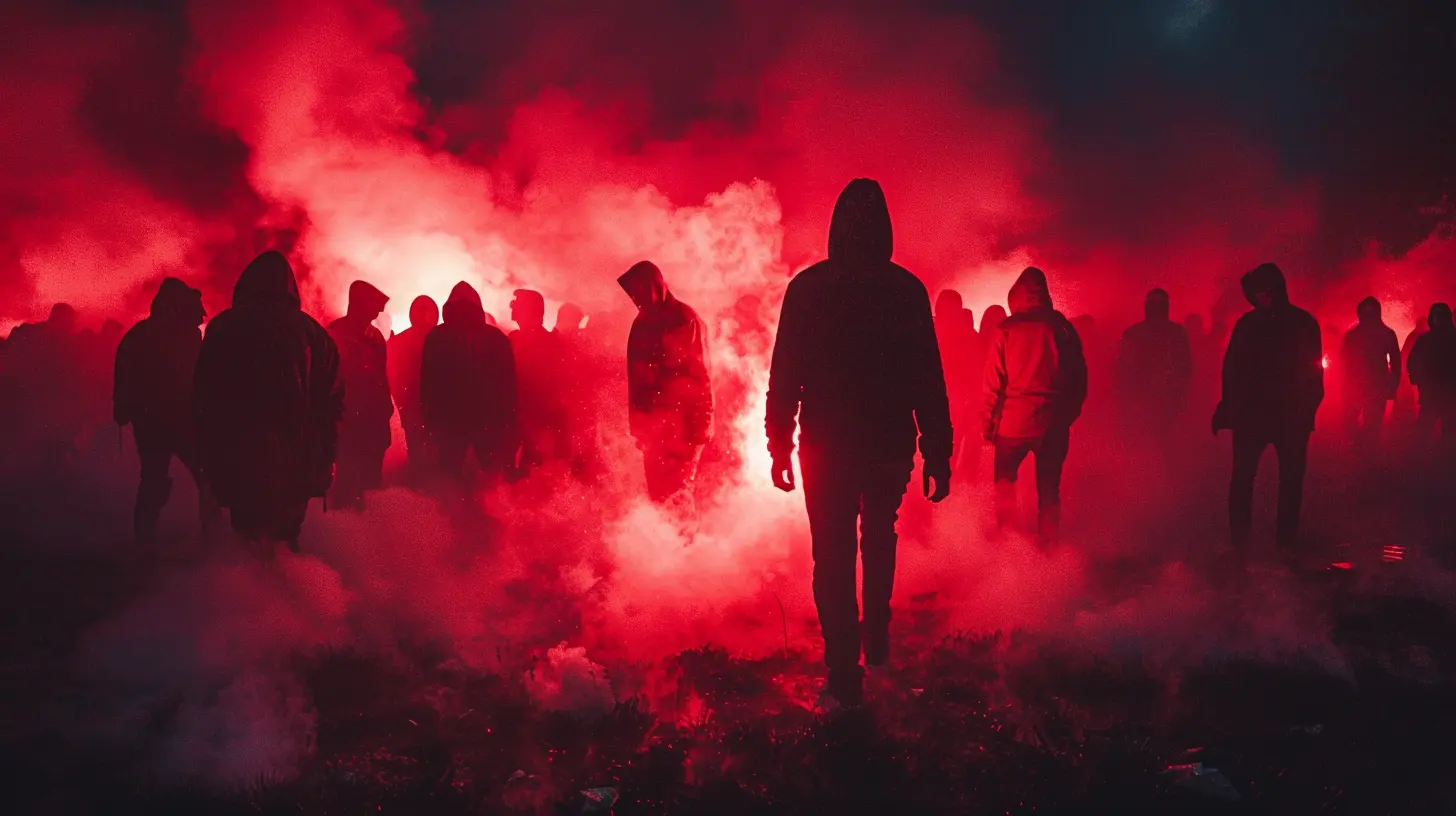
What makes someone join a football firm in the first place? It’s all about belonging and identity.For many, being part of a firm isn’t just about fighting. It’s about brotherhood, loyalty, and pride. You're not just supporting a team; you're defending your people and your city. It becomes personal. Tribal.
Some see it as a rite of passage—a way to find respect, especially in communities that might lack opportunity or representation. These firms create a structure for people who feel left out of mainstream society. The uniform? The club colors. The battlefield? The terraces and train stations.
It’s not pretty, but to those involved, it’s something bigger than themselves.
From casuals to cults: The fashion and culture of firms
Let me paint a picture.Imagine a group of guys walking into a pub. They’re not in club shirts, but they scream “firm.” Think designer jackets, Adidas trainers, and Stone Island gear. That’s the “casual” look—and it became a badge of honor in the 1980s firm culture.
Why the fashion? It was a strategy. By ditching club colors and putting on designer gear, they could blend in and avoid police attention. But as time went on, these threads started symbolizing status within the network. Wearing the right clothes meant you belonged—it was like a passport to firm culture.
And this fashion didn’t just stay local. It spread across Europe, influencing firms from Amsterdam to Belgrade.
International spread: From England to the world
England may have lit the hooligan flame, but it didn’t take long for the fire to spread. Today, football firms exist across Europe, South America, and even parts of Asia.The English firms laid the groundwork—especially during the 1970s and 1980s. But countries like Italy (Ultras), Russia (hooligan groups), and Poland (fans turned militants) took that template and added their own twist.
Some of these groups are even more extreme, using nationalism, political ideologies, and ultra-violence to push their agendas. In some areas, football firms blur the line between sports fandom and organized crime.
Law enforcement vs football firms: The never-ending chess match
You’d think with modern surveillance, policing, and intelligence, firms would be wiped out by now, right?Not quite.
Sure, police have cracked down hard over the years. Spotters, banning orders, undercover officers—you name it. But firms evolve. They move faster, smarter, and quieter. It’s a constant chess match between law enforcement and these underground networks.
In response to crackdowns, many firms now arrange “off” fights—planned brawls far from the stadiums, usually in secluded woods or industrial areas. There are no passersby. No fans. Just two sides settling scores the old-fashioned way.
The impact on football culture and community
Let’s step back a moment.While firms are often glamorized in films and books, their impact on football culture has been controversial. In many ways, they’ve damaged the image of the game—especially during the ‘dark days’ of the 1980s.
Whole communities suffered. Families stopped going to matches. Clubs lost revenue. Stadiums became battlegrounds.
But oddly enough, some argue that firms also brought passion and loyalty to the game that corporate football has slowly washed away. It’s a complex mix of nostalgia and critique.
Are firms still relevant today?
Short answer? Yes.While the golden days of firm culture may have passed, many still operate behind the scenes. They're smarter, leaner, and more covert. They’ve adapted and survived.
Even with modern security systems and international cooperation, new firms continue to pop up. Why? Because the feelings that fuel them—identity, belonging, defiance—still burn strong.
Final thoughts: The double-edged sword of fandom
Football firms occupy a strange space. They represent the rawest form of fandom—pure, passionate, and personal. But they also highlight how easily loyalty can turn toxic.The role of football firms in hooligan networks is more than just about violence. It’s about connection, culture, and consequences. As long as there are rivalries, grievances, and the desire to be part of something bigger, firms won’t disappear completely.
So the next time you’re watching a match, take a moment to think about what’s happening in the background—beyond the pitch, beyond the commentary. The game’s pulse is stronger—and darker—than you might think.
all images in this post were generated using AI tools
Category:
HooliganismAuthor:

Fernando Franklin
Discussion
rate this article
2 comments
Archer Wallace
Insightful piece! Football firms significantly impact hooligan culture dynamics.
March 19, 2026 at 12:12 PM
Fernando Franklin
Thank you! I appreciate your feedback and completely agree on the crucial role of football firms in shaping hooligan culture.
Daniella Powell
This article sheds light on the often-overlooked dynamics of football firms within hooligan networks. It's fascinating to explore how loyalty, identity, and social bonds influence behavior in these groups. I'm eager to understand more about the underlying psychology and socio-economic factors that contribute to these phenomena in the sport.
February 4, 2026 at 1:47 PM
Fernando Franklin
Thank you for your insightful comment! I'm glad you found the exploration of loyalty and identity in football firms engaging. The psychology and socio-economic factors are indeed crucial for understanding these dynamics, and I hope to delve deeper into them in future discussions.