The Role of Media in Perpetuating Hooliganism
31 July 2026
Hooliganism and football—two words that, unfortunately, still go hand in hand in some parts of the world. But have you ever stopped to think about how much of this issue is influenced by the media? Is the media simply reporting on fan violence, or is it fueling the fire?
Whether it’s sensationalized headlines, viral videos, or social media outrage, the way the media portrays fan violence plays a crucial role in shaping public perception. But does this attention help curb the problem, or does it glorify and perpetuate it? Let’s dive into this issue and uncover how media plays a pivotal role in the cycle of hooliganism.
The Power of Media in Modern Football
Football isn’t just a game; it’s a culture, a passion, a way of life for millions. But with passion comes intensity, and sometimes, that intensity spills into violence. The media, being the ultimate storyteller, has a significant influence on how these incidents are perceived by the public.The way fan violence is covered can turn minor altercations into global spectacles, making hooliganism seem far more widespread than it actually is. But why does the media do this? Because controversy sells. And when something sells, it sticks around.
The Sensationalism of Violence: A Media Strategy
Let’s be real—bad news spreads faster than good news. This is why media outlets often focus on the ugly side of football fandom. A peaceful celebration doesn’t make for a gripping headline, but a chaotic brawl? That’s front-page material.Headlines like:
- "Football Chaos: Fans Clash in Explosive Brawl!"
- "Riot Police Called as Hooligans Wreak Havoc on Match Day!"
These dramatic phrases grab attention, spark emotions, and boost engagement. The more people click, comment, and share, the more money media companies make. It’s a vicious cycle that continues to portray football fans as violent thugs, even when the majority aren’t involved in any trouble.
Social Media’s Role in Amplifying Hooliganism
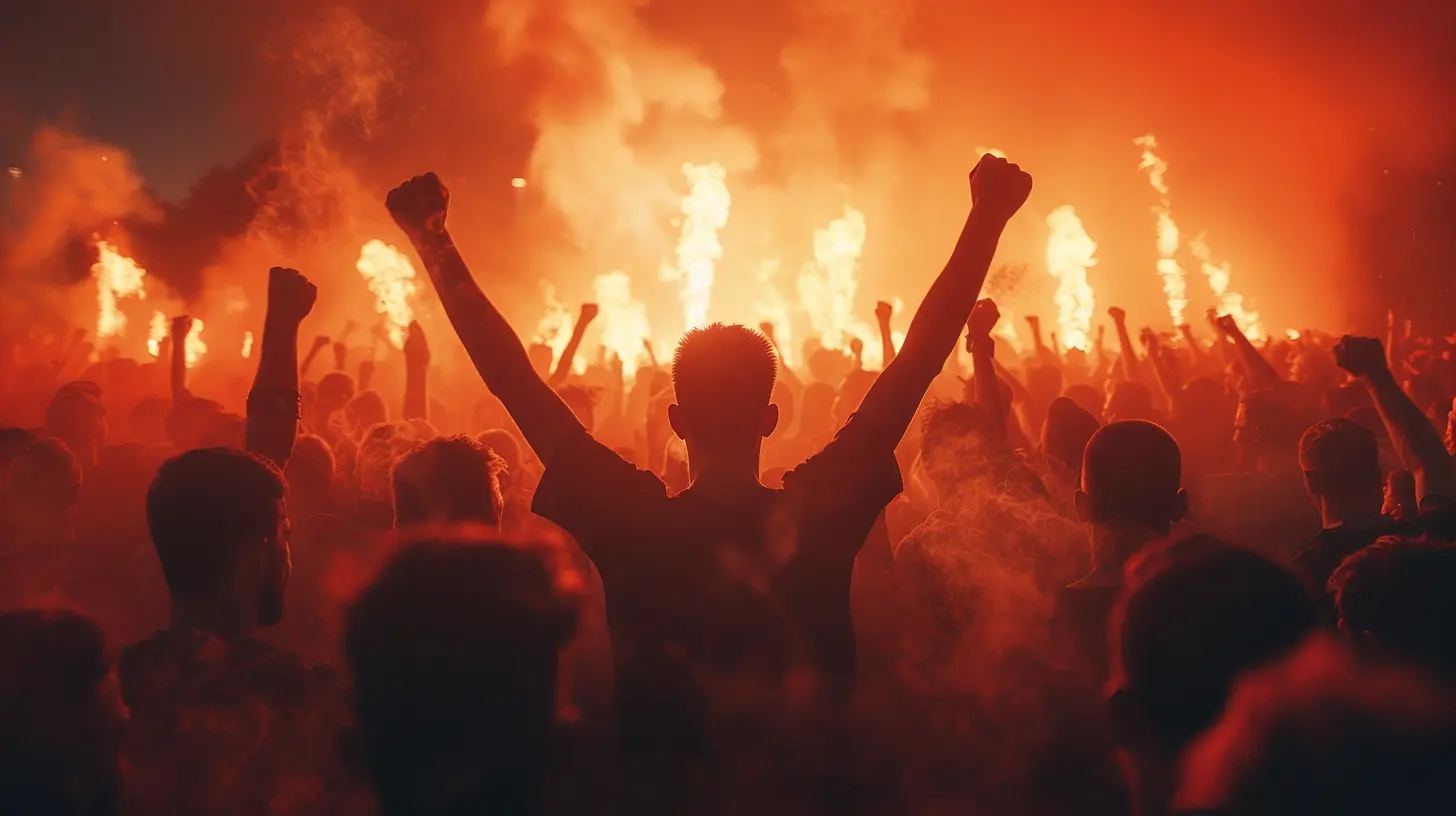
In the age of Instagram, Twitter, and TikTok, social media plays a massive role in shaping narratives. A single fight caught on camera can go viral within minutes, reaching millions of people before the truth is even established.What makes it worse? Social media thrives on engagement. The more shocking the content, the more it gets shared. Suddenly, an isolated incident at one stadium feels like a worldwide epidemic.
Additionally, social media has given hooligans a platform to showcase their actions, turning violent altercations into bragging rights. Some groups even organize fights and post them online as if it’s some twisted form of entertainment.
The Psychological Impact of Media on Fan Behavior
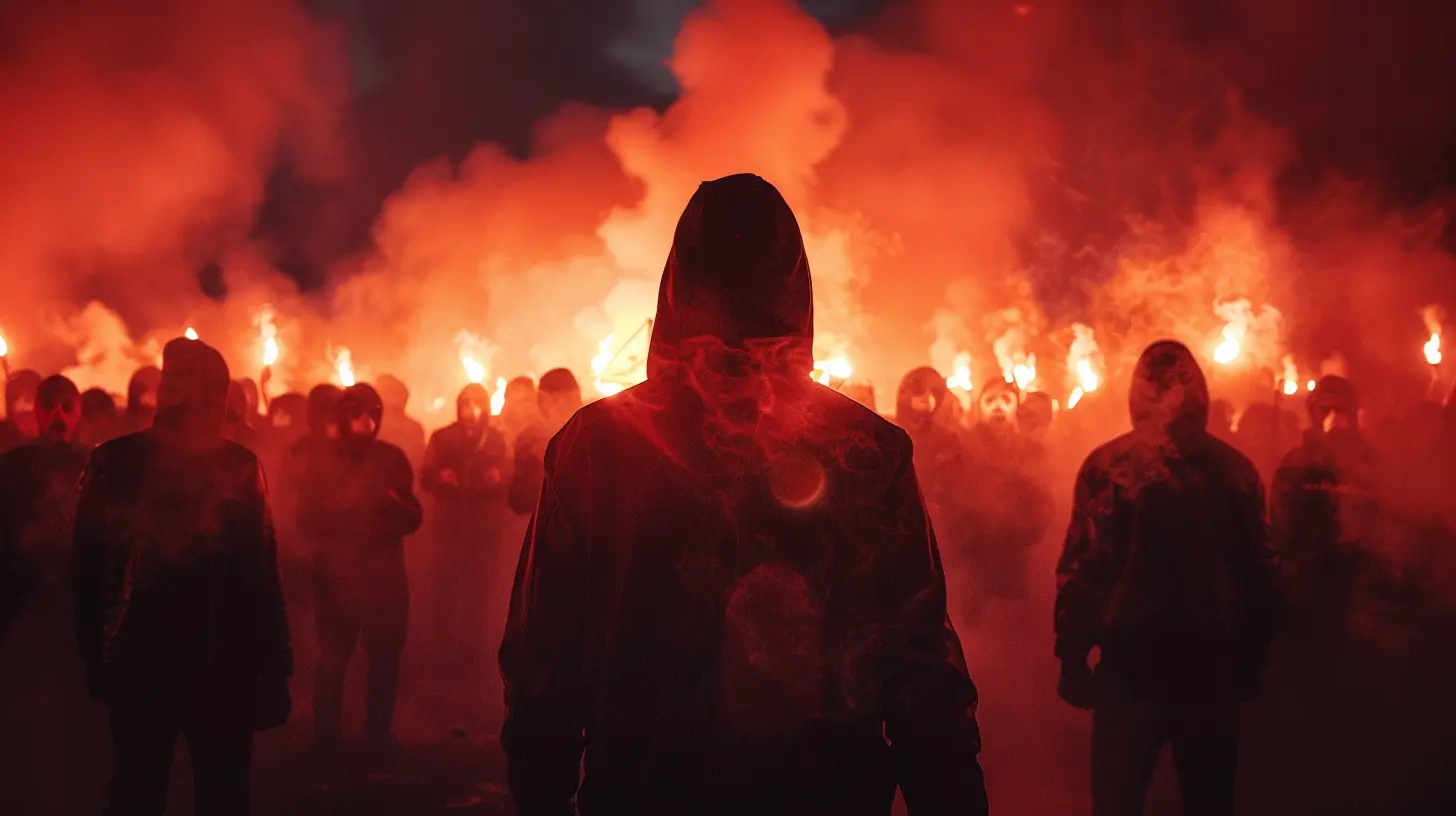
When something is repeatedly shown in the media, it starts to become normalized. Think about it—if all you see is football violence, you might start believing that it's just a part of the game.Some fans, especially the younger ones, may even see hooliganism as an initiation into true fandom. If their favorite club’s supporters are known for being “tough,” they might feel the need to prove themselves in the same way. The media, by constantly covering these events, unknowingly provides a blueprint for future hooligans.
Are the Media Justified in Their Coverage?
Some argue that the media is simply doing its job—reporting the facts. After all, if violence occurs, shouldn’t it be covered? Absolutely. But there’s a difference between reporting and glamorizing.Instead of just painting fans as reckless thugs, media outlets should provide balanced coverage. Why not highlight the positive aspects of fan culture? The charity work, the tifos, the unwavering support through difficult times? There’s more to football than just the fights, but those stories often get buried beneath the sensationalism.
How Can the Media Help Reduce Hooliganism?
If the media has the power to perpetuate hooliganism, then it also has the power to reduce it. So, how can they play a more positive role?1. Responsible Reporting
News outlets should focus on facts rather than sensationalism. Avoiding exaggerated headlines and sticking to the truth can prevent unnecessary panic and stigma.2. Promoting Positive Fan Culture
Instead of always highlighting the negatives, media can balance their coverage by showcasing the beauty of football fandom. There are countless stories of fans coming together to support their teams peacefully. Let’s see more of that!3. Discouraging Online Hooliganism
Social media platforms must take responsibility for monitoring violent content. If social media can ban offensive language, it can certainly regulate posts that glorify hooliganism.4. Educating Fans
Documentaries, interviews, and reports can be used to educate football fans on the dangers of hooliganism rather than making it look like a glorified tradition. Imagine if more content focused on the impact of hooliganism on communities rather than glorifying the fights.5. Encouraging Authorities to Act
Rather than just documenting violence, the media can push for action. Highlighting efforts to combat hooliganism rather than just reporting on its occurrence can help change the narrative.Final Thoughts: The Change Starts Now
Football is supposed to unite people, not divide them. The media, with its enormous influence, has the chance to help turn the tide against hooliganism. If all we see are violence and riots, then that’s what will define the sport. But if we start highlighting the good, shifting the narrative, and focusing on the passion instead of the chaos, we can change the game for the better.So, next time you see a headline screaming about hooligans, think critically. Is it informing or exploiting? Football is more than just the fights. It’s about the love of the game, the unity of fans, and the unbreakable spirit of the sport. And that’s the story that truly needs to be told.
all images in this post were generated using AI tools
Category:
HooliganismAuthor:
Fernando Franklin