Tracking Player Movement: A New Era in Sports Performance Analytics
31 May 2026
Welcome to a whole new world where every sprint, step, and slide on the field is under the microscope—literally. We're talking about tracking player movement, and it’s fundamentally changing how coaches, players, analysts, and even fans experience sports.
Gone are the days of blindly trusting hunches or waiting for post-game stats. With today’s technology, we can monitor players in real time, highlight trends, identify strengths and weaknesses, and fine-tune performance like never before.
Sound futuristic? It's already happening—right now.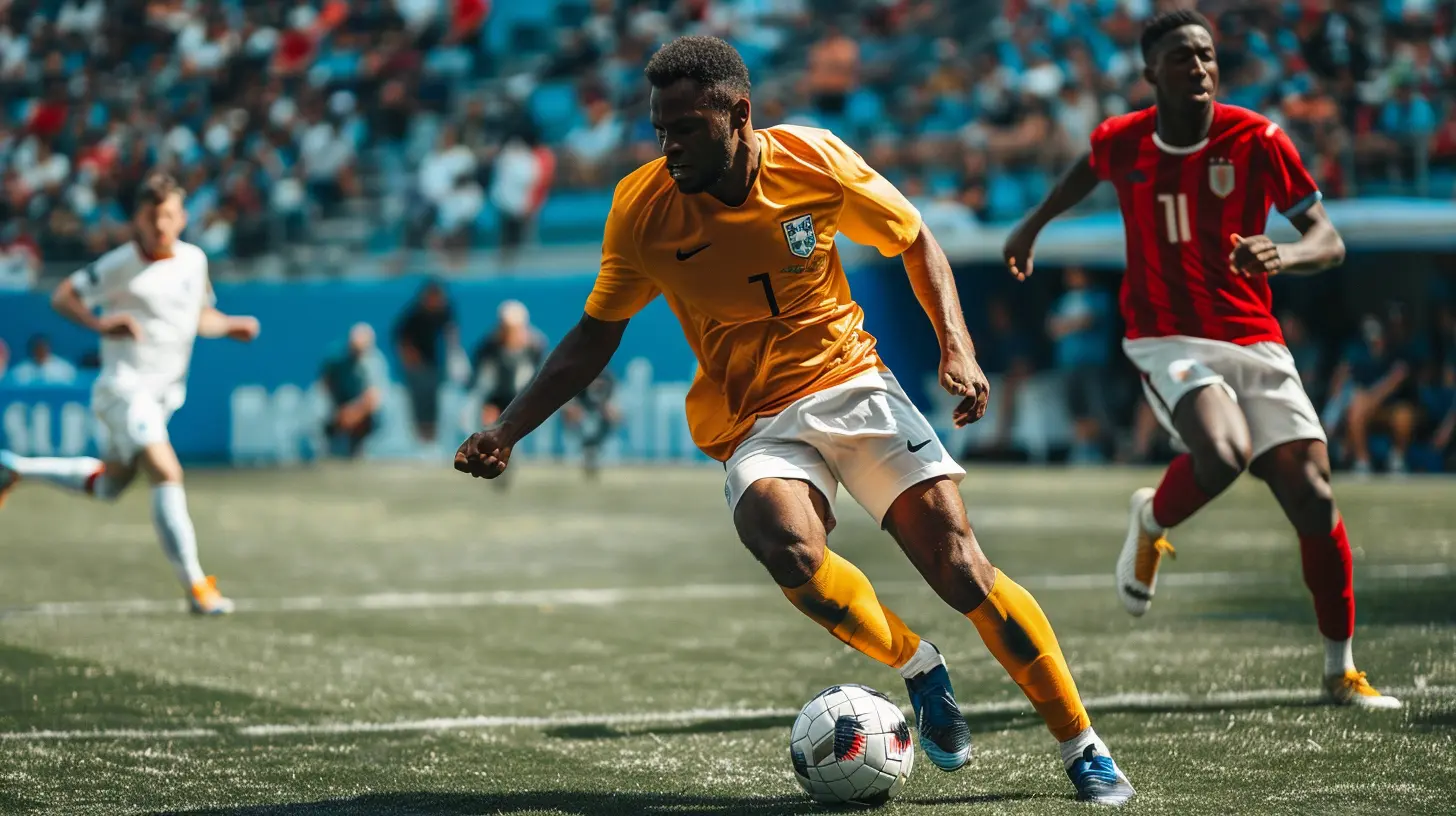
What Does Player Movement Tracking Actually Mean?
Let’s keep it simple. Tracking player movement involves using technology—like GPS, wearables, cameras, and sensors—to monitor where athletes go, how fast they move, how often they sprint, and even how much ground they cover during a game. This isn't just for fun; it's pure gold for performance analysis.Think of it as a digital breadcrumb trail for every athlete. Instead of guessing who had a great game, coaches can now point to heat maps, metrics, and speed charts that tell the real story.
The Evolution of Sports Analytics
Sports analytics has come a long way. It’s not just about collecting numbers; it’s about making smarter decisions with them.Before Tech Took Over
Remember the era when analysis meant flipping through game tapes or scribbling down stats on paper? Yeah, we’ve stepped way beyond that. Back then, coaches relied heavily on visual cues and gut feelings.Enter the Digital Revolution
Fast forward to today, and we’re seeing full-fledged tech ecosystems making their way into locker rooms. From machine learning to computer vision, what was once a pipe dream is now standard practice. Real-time data. Predictive modeling. Customized training regimens. That’s where we are.
The Tools of the Trade: How Is Movement Tracked?
Let’s break down the high-tech gear powering this revolution.1. GPS Trackers and Wearables
You've probably seen those small, vest-looking things soccer players wear during training. Inside them? GPS units that record:- Distance covered
- Acceleration and deceleration
- Top speed
- Work rate and intensity
These devices are like Fitbits on steroids—built specifically for elite performance.
2. Optical Tracking Systems
This is next-level stuff. Optical systems like Hawk-Eye and TRACAB use multiple high-speed cameras placed around stadiums. These systems track the position of every player (and even the ball) 25 times per second. No wearable needed.3. Accelerometers and Gyroscopes
These are tiny sensors that can be built into wearables. They track movement direction, rotation, and sudden impacts. For collision sports like rugby or football, this is critical for both performance and safety.
Why Is Tracking Player Movement a Game Changer?
Alright, so technology is fancy, but what’s the point? Let’s break down how it’s transforming the landscape.Personalized Training Programs
Every athlete is different—so why train them the same way? With movement data, strength and conditioning coaches can tailor workouts based on each player’s workload. Too much sprinting? Time to ease off. Not covering enough ground? Time to push harder.It’s all about finding the sweet spot between performance and recovery.
Injury Prevention & Recovery
You can’t perform if you’re benched. That’s where tracking comes in. By measuring workload and movement patterns, teams can catch warning signs before injuries strike. And for those rehabbing, data-driven monitoring ensures they return at the right time—stronger and safer.Tactical Insights
Want to know why your team keeps getting overrun in midfield? Or why that forward missed yet another run? Movement tracking provides the answers.Coaches can dissect positional data to understand spacing, timing, and decision-making. It’s like giving them X-ray vision into how a game unfolds.
Scouting and Recruitment
Imagine you're a scout. Would you rather rely on a highlight reel or have full access to a player’s movement data across multiple games?Exactly.
Teams are now using this data to find hidden gems—players who might not score the most goals but consistently cover the most ground, create space, or press opponents into mistakes.
Real-World Examples of Player Tracking in Action
Let’s put this into perspective with some real-world cases.Soccer (Football)
Top European clubs like Manchester City, Liverpool, and Barcelona are pioneers here. They use GPS and optical tracking to:- Monitor match intensity
- Avoid overtraining
- Fine-tune tactical formations
Lionel Messi, for instance, is legendary for how little he runs—until it really matters. Tracking proves he saves his energy for decisive moments.
NBA Basketball
In the NBA, systems like Second Spectrum track every movement on the court. That’s over 1 million data points per game. Coaches analyze spacing, pick-and-roll effectiveness, and even player fatigue.It’s like Moneyball—but for every second of play.
NFL and Rugby
With wearables and helmet sensors, teams are now:- Gauging impact forces
- Tracking sprint bursts
- Managing fatigue in real time
This is especially key for minimizing concussions and long-term injuries.
The Role of Artificial Intelligence
Tech is great, but data without context is just noise. That’s where AI steps in.AI algorithms can spot patterns we’d never see manually. For instance, it can:
- Predict injuries before they happen
- Recommend substitutions mid-game
- Identify ideal player matchups
In short, AI turns raw data into smart decisions—faster than any human analyst ever could.
Coaches, Players, and Fans: Everyone Wins
For Coaches
It’s like having a cheat code. Better decisions, sharper strategies, and precise feedback—it all helps create a winning formula.For Players
More than ever, athletes are in control of their own development. They can review their data, set tangible goals, and protect their bodies over the long term.For Fans
Yes, even casual viewers benefit. Broadcasters now use real-time stats, heatmaps, and tactical breakdowns to elevate the viewing experience. It’s one more layer of engagement that brings fans closer to the game.The Privacy and Ethics Debate
Now, not everything is sunshine and touchdowns. With so much data flying around, there are valid concerns.- Who owns the data?
- Can it be used against players in contract negotiations?
- What’s the limit to surveillance?
These are questions leagues and governing bodies are still grappling with. The key is finding a balance between performance benefits and personal rights.
What’s Next for Player Tracking?
This is just the beginning. Here’s what the future looks like:Integration with Virtual Reality
Imagine strapping on a VR headset and reviewing your training runs in a full 3D simulation. Already happening.Smart Stadiums
With 5G and IoT, stadiums will soon feed real-time data to coaches, analysts, and even fans via apps. We're talking up-to-the-second heat maps and speed stats.Deeper Fan Engagement
Fantasy sports? Betting markets? Fans want more data. Teams are responding with platforms that let you track your favorite players just like the pros do.Final Thoughts
Tracking player movement is more than a trend—it’s a revolution. It's helping athletes become sharper, coaches smarter, and games more thrilling. Whether you're a casual fan, a budding coach, or an aspiring athlete, this new era of sports analytics is something to get excited about.We’re no longer guessing who’s performing best on the field—we know. And the game will never be the same.
all images in this post were generated using AI tools
Category:
Sports StatisticsAuthor:

Fernando Franklin
Discussion
rate this article
1 comments
Parisa McLanahan
Player movement is more than just tactics; it's a glimpse into untold stories. Are we ready to uncover the hidden patterns that shape the game? Each step could reveal secrets that change how we view performance forever...
June 8, 2026 at 2:15 AM
Fernando Franklin
Absolutely. Player movement opens up a world of insights. Every motion tells a story, and uncovering these patterns can transform our understanding of performance. Let's explore.