Understanding and Treating Rotator Cuff Injuries in Athletes
27 December 2025
When it comes to sports injuries, a rotator cuff injury is one of the most common—especially in athletes who put a lot of strain on their shoulders. Whether you're a baseball pitcher, tennis player, swimmer, or even a weightlifter, your rotator cuff plays a crucial role in your performance.
But what happens when it gets injured? How do you recover, and more importantly, how can you prevent it from happening again? Let’s break it all down. 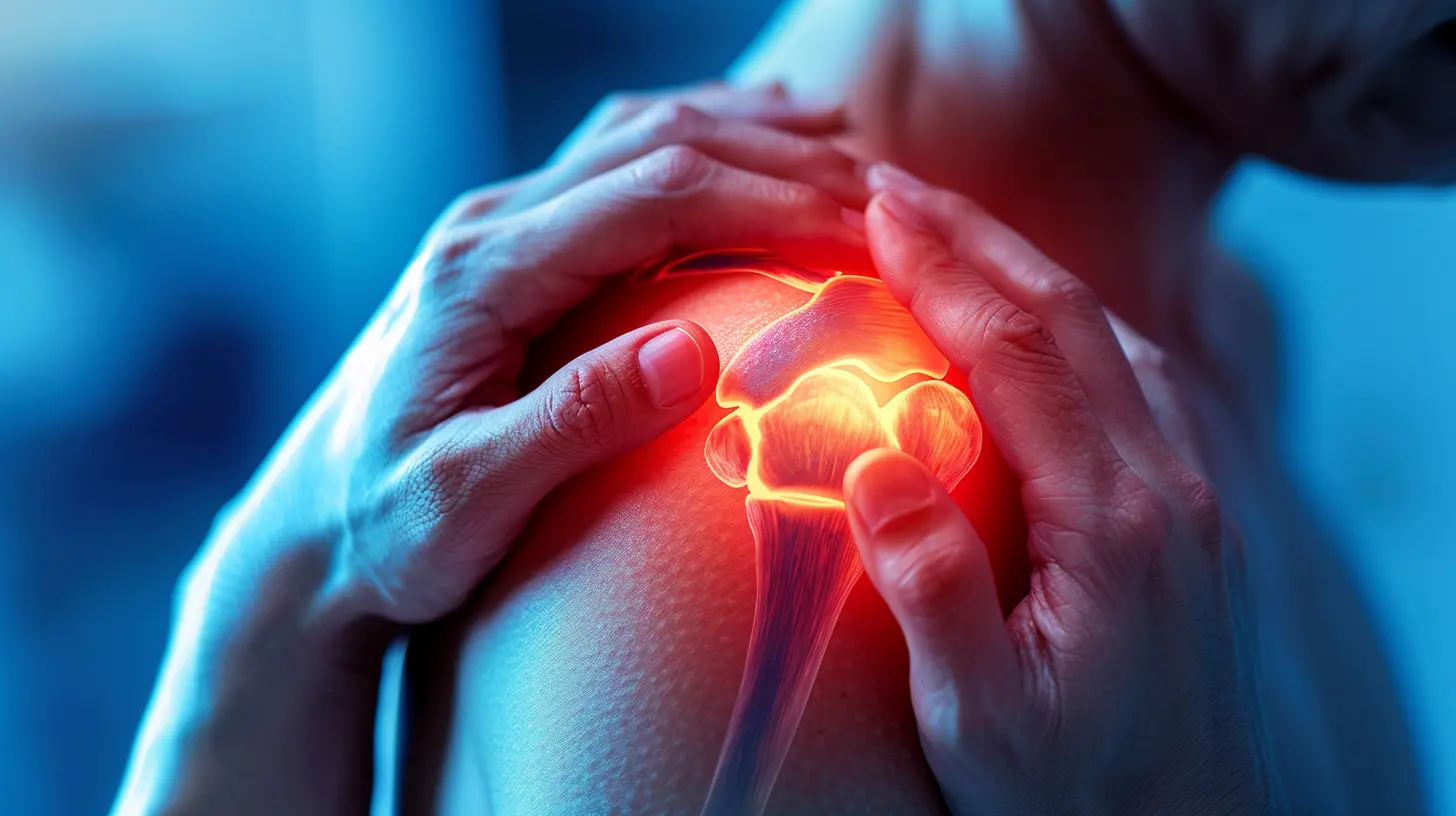
What is the Rotator Cuff?
Before we dive into the injuries, let's understand what the rotator cuff actually is. The rotator cuff is a group of four muscles and their tendons that surround the shoulder joint. These muscles work together to stabilize the joint and allow for a wide range of motion in your shoulder.The four muscles that make up the rotator cuff are:
- Supraspinatus – Helps lift your arm.
- Infraspinatus – Assists with rotating the arm outward.
- Teres Minor – Also helps with external rotation.
- Subscapularis – Supports internal rotation of the shoulder.
When these muscles or their tendons become injured, it can lead to pain, weakness, and limited mobility in the shoulder—bad news for any athlete! 
Causes of Rotator Cuff Injuries in Athletes
Rotator cuff injuries can happen for several reasons, but for athletes, the most common causes include:1. Overuse and Repetitive Motion
Athletes involved in sports that require repetitive shoulder movements—such as baseball pitchers, swimmers, and tennis players—are at a higher risk. The continuous stress on these muscles can eventually lead to wear and tear.2. Acute Injuries
A sudden, forceful impact—like falling on an outstretched arm or a heavy collision—can cause immediate damage to the rotator cuff. This is more common in contact sports like football or during accidental falls.3. Poor Shoulder Mechanics
If an athlete has improper form or weak supporting muscles, the rotator cuff can experience more strain than it should. Over time, this poor mechanics can contribute to an injury.4. Age-Related Degeneration
Although this is more common in older adults, even younger athletes can experience gradual degeneration of the rotator cuff due to continuous wear and tear over time.
Symptoms of a Rotator Cuff Injury
So how do you know if you've injured your rotator cuff? Here are the primary symptoms:- Pain in the shoulder – Especially when lifting or lowering your arm.
- Weakness – Difficulty lifting even light objects.
- Limited range of motion – Trouble reaching behind your back or above your head.
- Clicking or popping sounds – Especially when moving the shoulder.
- Nighttime pain – Discomfort that gets worse when lying on the affected shoulder.
If you're feeling any of these symptoms, it’s crucial to take them seriously. Ignoring the signs can make the injury worse over time. 
Diagnosing a Rotator Cuff Injury
If you suspect a rotator cuff injury, a doctor or physical therapist can evaluate it in several ways:1. Physical Examination
A healthcare professional will assess your shoulder strength, range of motion, and pain levels through various tests.2. Imaging Tests
If necessary, your doctor may order imaging tests like:- X-rays – To rule out bone fractures.
- MRI (Magnetic Resonance Imaging) – To get a detailed look at the muscles and tendons.
- Ultrasound – Provides real-time images of how the tendons are moving.
Early diagnosis is key. The sooner you know what’s wrong, the quicker you can start treatment.
Treatment Options for Rotator Cuff Injuries
Treatment depends on the severity of the injury. Some cases heal with rest and rehab, while others may require surgery. Let’s take a closer look:1. Rest and Activity Modification
If the injury is mild, resting the shoulder and avoiding activities that worsen the pain can be enough for recovery.2. Ice and Anti-Inflammatory Medications
Applying ice and taking NSAIDs (like ibuprofen) can help reduce pain and inflammation.3. Physical Therapy
Physical therapy is often the best way to recover. A therapist will guide you through exercises to strengthen the shoulder, improve flexibility, and restore normal movement.4. Corticosteroid Injections
For severe pain, doctors may recommend a steroid injection to reduce inflammation. However, these should not be overused as they can weaken the tendons over time.5. Platelet-Rich Plasma (PRP) Therapy
Some athletes opt for PRP injections, which use the body’s own healing factors to promote tissue repair. While research on PRP is still developing, many athletes have found it beneficial.6. Surgery (For Severe Cases)
If the rotator cuff is torn or significantly damaged, surgery may be necessary. The most common surgical procedures include:- Arthroscopic repair – A minimally invasive option where small incisions are made to repair the tendons.
- Open surgery – Used in more extensive injuries.
- Tendon transfer – If the tendon cannot be repaired, a nearby tendon is used to restore function.
Post-surgery, rehabilitation is crucial for a full recovery and preventing future injuries.
Preventing Rotator Cuff Injuries
They say prevention is better than cure, and that’s especially true for rotator cuff injuries. Here’s how athletes can reduce their risk:1. Strengthen the Shoulder Muscles
Incorporate strength training exercises that focus on the rotator cuff and surrounding muscles. Simple exercises like resistance band rotations and shoulder raises can go a long way.2. Improve Shoulder Flexibility
Stretching before and after workouts can help maintain flexibility and reduce the strain on the rotator cuff.3. Practice Proper Technique
Using the correct form and mechanics—whether it’s throwing a baseball or lifting weights—will help prevent unnecessary stress on your shoulder.4. Cross-Training and Rest Days
Don’t overwork your shoulders! Mix up your training routine and give your body time to recover with proper rest.5. Listen to Your Body
If you start feeling shoulder discomfort, don’t ignore it. Early treatment can prevent minor injuries from turning into major problems.Final Thoughts
Rotator cuff injuries are no joke, especially for athletes who rely on their shoulders for peak performance. Whether you’re dealing with a minor strain or a full-blown tear, the right approach to treatment and recovery is crucial.Take care of your shoulders by strengthening, stretching, and using proper form. And if you ever feel that nagging shoulder pain, take action sooner rather than later. After all, a well-functioning rotator cuff can be the difference between staying in the game or sitting on the sidelines!
all images in this post were generated using AI tools
Category:
Sports MedicineAuthor:

Fernando Franklin
Discussion
rate this article
2 comments
Velma Good
Great article! It's so important for athletes to understand rotator cuff injuries and their treatment options. Knowledge is power! With the right approach, many can bounce back stronger than ever. Here’s to healthy shoulders and more victories on the field! Keep up the fantastic work!
February 12, 2026 at 3:37 AM
Fernando Franklin
Thank you for your kind words! I completely agree—knowledge truly empowers athletes to recover and thrive. Here's to strong shoulders and continued success!
Merida Phelps
Rotator cuff injuries? More like rotator cough injuries! If athletes spent as much time treating their shoulders as they do showing off their abs, we wouldn’t have to read about these injuries. Just sayin’.
December 27, 2025 at 5:25 AM
Fernando Franklin
You make a valid point! Prioritizing shoulder health is crucial for athletes to prevent injuries. Balance in training is key. Thanks for sharing your thoughts!