Understanding Momentum Shifts and How to Control Them
19 January 2026
Ever been watching a game where everything just flips? One minute your team is on fire, the next they can’t seem to make a pass. Welcome to the wild world of momentum shifts. It's that invisible force in sports that can turn the tide of a game faster than you can yell “timeout!”
Momentum’s not just some mystical sports buzzword. It’s real, and it’s powerful. Whether you’re a coach, player, or hardcore fan, knowing how to read and control momentum can make or break your game.
Let’s break it all down — raw, bold, and straight to the point.
What the Heck is a Momentum Shift?
Alright, let’s not overcomplicate things. A momentum shift in sports is when the “feel” of the game swings from one side to the other. It’s not about stats or numbers. It’s about energy, intensity, and confidence. You feel it more than you see it.Ever notice how a single big play — like a blocked shot, a long touchdown, or a dunk — seems to light a fire under one team, while deflating the other? That right there is momentum punching one side in the gut and slapping the other on the back.
Momentum can change fast. It’s emotional. It’s psychological. It hits hard. And if you’re not ready to ride the wave or push back, you’re toast.
Why Momentum Shifts Matter (Hint: They’re Game-Changers)
You can’t see it on the scoreboard, but make no mistake — momentum wins and loses games. Let’s put it bluntly: the better team doesn’t always win. The team that manages momentum usually does.A Momentum Shift Can:
- Swing confidence from one bench to the other- Spark comebacks or fuel blowouts
- Break your game plan into tiny, useless pieces
- Drag one team down into frustration and mistakes
You know that helpless look a coach gets when their players are floundering and the crowd’s going nuts for the other side? That’s the face of someone who just lost the momentum battle.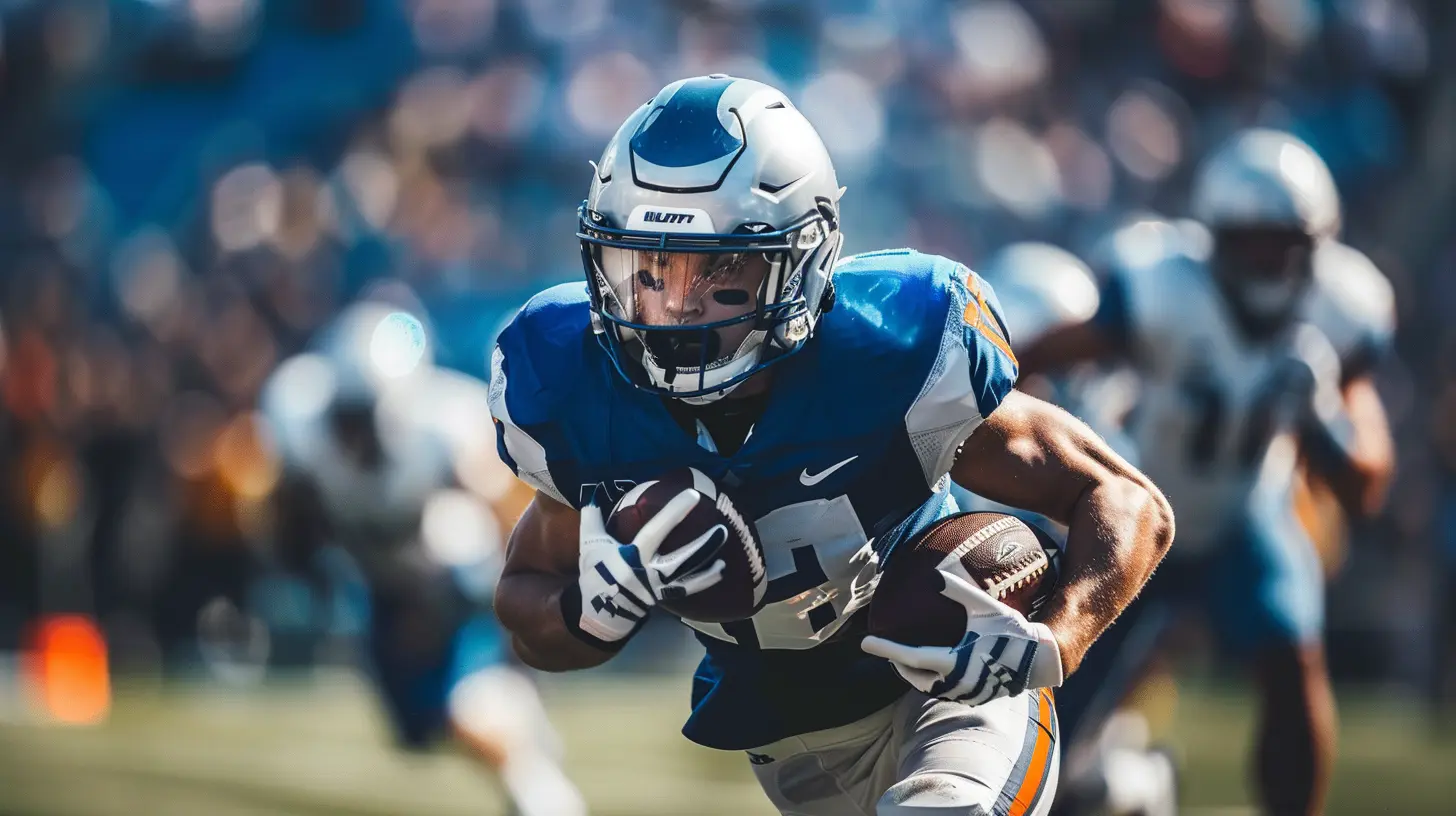
Common Triggers That Flip the Switch
Momentum doesn’t just shift for no reason. Something causes that emotional earthquake. Here are the usual suspects:1. Big Plays
We’re talking about highlight-reel moments. A 40-yard bomb for a touchdown. A chase-down block. A game-changing steal. These plays pump up the energy and shift the emotional balance.2. Crowd Energy
Ever wonder why Home Court Advantage is a thing? It’s the crowd, baby. When fans go wild, momentum swings like a wrecking ball. The noise, the pressure — it gets in the heads of the other team.3. Leadership (Or Lack Of It)
A fired-up leader who rallies the squad can stop a bad run dead in its tracks. Or, without leadership, even the smallest bump in the road feels like a cliff.4. Turnovers or Sloppy Mistakes
Turnovers are like free gifts to the opposition. Make back-to-back errors, and you basically stapled momentum to the other team’s jersey.5. Bad Calls or Refs' Decisions
Let’s be real — nothing gets a team rattled faster than a garbage call. The frustration builds, players lose their cool, and the opponents get an extra edge.
Signs That Momentum is Shifting (Don’t Miss These!)
Okay, so how do you know if the tide is turning? It’s not always obvious if you're not paying attention. Look for these red flags:- Players stop talking or encouraging each other
- Sloppy basics: missed passes, poor spacing, lazy defense
- Body language turns negative — heads drop, shoulders slump
- The opposing team suddenly gets bolder and flashier
- Coach starts screaming more than strategizing
If you’re spotting this stuff during a game, guess what? You’re in the middle of a momentum shift — whether you like it or not.
How to Control Momentum Like a Pro
Here’s the million-dollar part: You CAN control momentum. You might not stop every shift, but you sure as hell can swing it back your way.1. Call a Timeout (Yes, It Actually Works)
A perfectly timed timeout can shut down the other team’s fire. Use it to cool things off, reset emotions, and tweak your strategy. Don’t save timeouts for a miracle. Use them smart.2. Make a Bold Substitution
Feeling flat? Bring in a hustle player. Someone who brings energy, defense, and grit. Not every hero scores 20 points. Some dive for loose balls and lift a team's spirit.3. Change the Tempo
Slow it down. Or speed it up. Just change something. If the current rhythm favors the other side, you have to disrupt it. That means pressing, switching defense, or changing offensive sets.4. Use Emotional Leaders
Every team has that one player — the heart, the voice, the fire. When things go sideways, look to them. They ignite the group emotionally and mentally, and that can swing momentum back.5. Build "Momentum-Proof" Habits
Want bulletproof confidence? Train for it. Practice under pressure. Simulate chaos. The more your team gets used to adversity, the harder it is for momentum to crush them.The Psychology Behind Momentum (It’s All In the Head)
Momentum shifts are psychological warfare. Let me explain.When things go your way, your brain releases dopamine — the body's “feel-good” chemical. You feel sharp, confident, and fearless. When everything goes wrong, cortisol kicks in. That’s your stress hormone. Now, your body tenses, your mind clouds, and the fear of screwing up grows.
Catch my drift?
That’s why momentum matters. It literally changes the way players think and react. The team riding high believes they can’t lose. The team losing grip starts to doubt everything.
So if you want to master momentum, you’ve got to win the mental battle.
Real-World Examples of Momentum Swings
Let’s throw it back to some iconic sports moments where momentum flipped the script.1. Super Bowl LI – Patriots vs. Falcons
28-3. That’s all I need to say. The Falcons had the game in the bag, and then... BAM. A couple stops, a turnover, and next thing you know, Brady’s holding another Lombardi trophy. Momentum swung, and the Falcons couldn’t stop the bleeding.2. 2016 NBA Finals – Cavs vs. Warriors
Down 3-1, most teams pack it in. But the Cavs? They found momentum with Draymond Green’s suspension, a LeBron block, and a Kyrie dagger three. Golden State looked flat, rattled, and unsure. That shift changed history.3. 2004 ALCS – Red Sox vs. Yankees
No team had ever come back from 3-0 in the MLB playoffs. Then Dave Roberts stole second base in Game 4. That single play? It flipped the entire series. Momentum roared toward Boston, and they rode it to a World Series win.How Coaches and Leaders Keep Momentum From Slipping Away
Let’s get real — if you’re coaching and your team loses momentum, you’ve got to act fast. Here’s how the best in the business control the chaos.Keep a Pulse on Player Emotions
Body language tells all. Good coaches see the shift coming before it hits like a truck. Stay connected, stay vocal, and lead by example.Don’t Panic, Strategize
You can’t let your team see doubt on your face. Be the calm in the storm. Make adjustments, talk it out, and refocus the group.Use Practices To Simulate Pressure
Make drills stressful. Throw in fake bad calls. Test their reactions. If they’re comfy in chaos, they won’t crack when momentum turns.Final Thoughts: Win the Momentum War, Win the Game
Let’s wrap this up with some real talk: understanding momentum shifts and how to control them isn’t optional — it’s essential.Momentum is emotion, pressure, psychology, and performance all tied together in a tight little tornado. If your team can read the signs, react quickly, and stay mentally unshakable, they’ll ride the highs and survive the lows.
So next time you’re watching or playing, don’t just cheer the big plays — watch the energy. Feel the shift. And be the one pulling the strings, not just reacting to them.
This isn’t just about sports. It’s about life, competition, and grit. Momentum is yours to take… if you’ve got the guts.
all images in this post were generated using AI tools
Category:
StrategyAuthor:

Fernando Franklin
Discussion
rate this article
2 comments
Destiny Acevedo
Great insights on momentum shifts! Understanding how to harness them can truly change the dynamics of a game. Thanks for sharing!
March 16, 2026 at 3:47 AM
Fernando Franklin
Thank you! I’m glad you found the insights valuable. Harnessing momentum can indeed be a game-changer!
Aubrey Richardson
Momentum shifts in sports are psychological and tactical. Teams must recognize these shifts early, adjust strategies accordingly, and harness energy to not only regain control but also seize the advantage before the tide turns again.
January 19, 2026 at 4:02 AM
Fernando Franklin
Absolutely! Recognizing and adapting to momentum shifts is crucial. Teams that can effectively harness these psychological and tactical changes often gain a significant competitive edge.