What Retired Athletes Are Doing in 2026: Exploring Second Careers
18 April 2026
Let’s be brutally honest for a second. The final whistle blows, the last lap is run, and the jersey is hung up for good. Then what? For decades, the narrative around retired athletes was a tragic trilogy: glory, decline, and obscurity. We’d see the occasional coaching gig or TV pundit role, and we’d nod, thinking, "Well, that’s the natural order." But friends, throw that old playbook out the window. It’s 2026, and the game has changed—dramatically.
Today’s retired athletes aren’t just fading into the background or clinging to the edges of their sport. They’re launching venture capital funds, revolutionizing mental health advocacy, building tech empires, and rewriting the very definition of a "second act." This isn't about finding a hobby to pass the time; this is about leveraging a lifetime of insane discipline, competitive fire, and brand equity to dominate entirely new fields. So, what’s fueling this renaissance? And more importantly, what does it look like on the ground? Strap in; we’re going beyond the highlight reel.
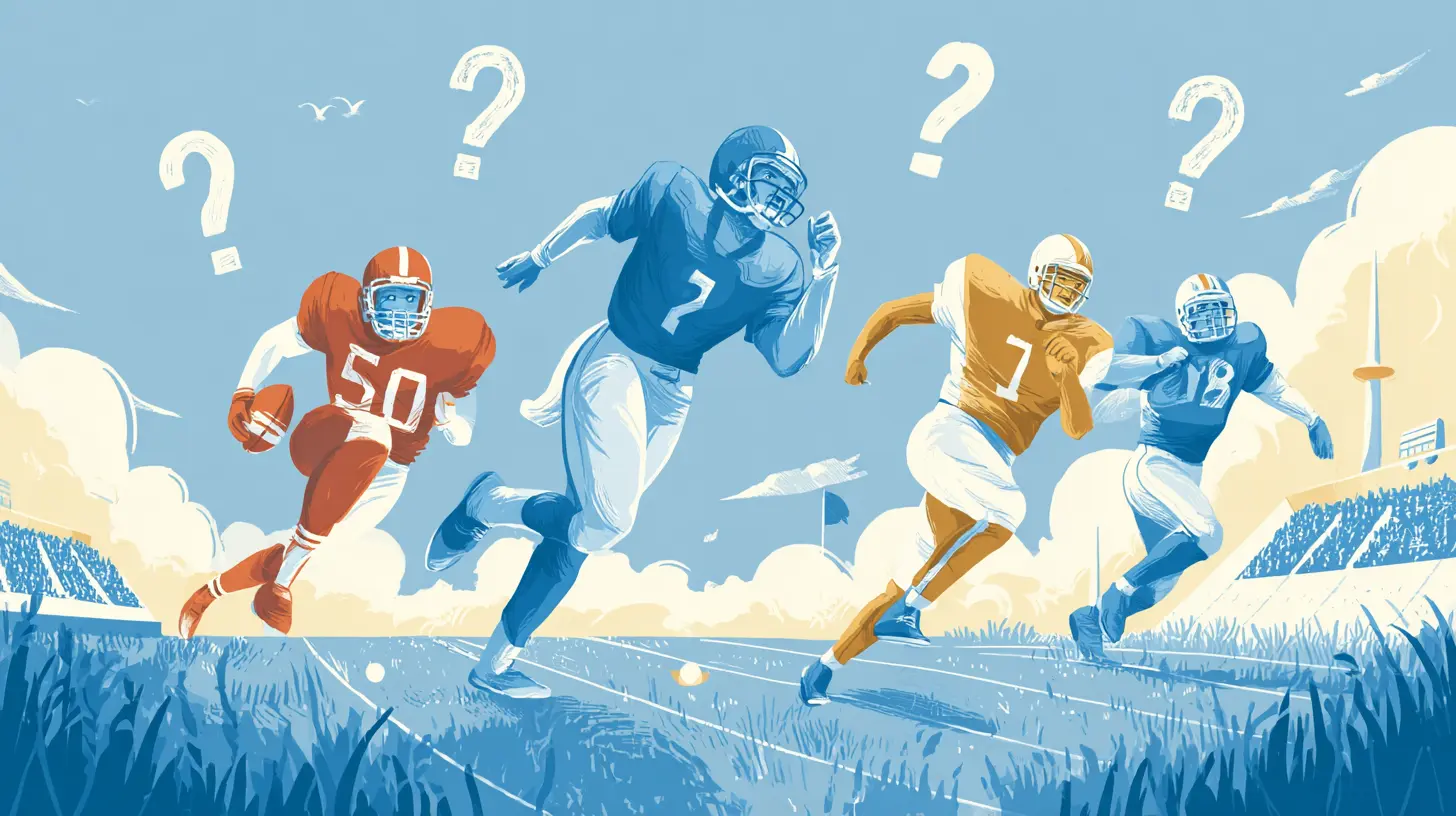
The New Playbook: Why 2026 is Different
First, you have to understand the ecosystem. The athlete retiring today is not the athlete of 2005. They’ve been building their brand from their first viral highlight. They have teams—financial advisors, digital strategists, brand managers—working alongside their agents before they even hit their prime. The concept of a "post-career" plan is now discussed at the draft combine. This proactive, entrepreneurial mindset is the rocket fuel for what we’re seeing.But it’s more than just planning. The tools have democratized success. You don’t need a network TV deal to have a media platform; you need a smartphone and authenticity. You don’t need an MBA from an Ivy League school to understand market disruption; you need the lived experience of performing under pressure and a keen eye for a winning team (or startup). The playing field, so to speak, is leveler than ever. These legends are walking off the court and into boardrooms, studios, and labs with the same intensity they brought to game seven.

From the Arena to the Algorithm: Tech & Venture Capital Titans
If you think an athlete’s brain is only wired for playbooks, think again. The strategic thinking, risk assessment, and team-building required in pro sports translate scarily well to the world of tech and venture capital. In 2026, it’s not unusual to see a former point guard dissecting a SaaS company’s metrics or a retired striker leading a seed round for a climate-tech firm.They’re not just silent faces on a website, either. They’re active partners. They use their platform to launch products, their discipline to guide founders through the grueling startup marathon, and their competitive edge to spot winners in a crowded market. Think of it like this: scouting a rookie and scouting a startup require the same gut instinct—seeing raw talent and coachability before anyone else does. These athletes are building portfolios that would make seasoned investors blush, focusing on everything from sports recovery tech they wish they’d had to broad, world-changing innovations in finance, health, and Web3. Their locker room is now a Zoom room, and the championship they’re chasing is a unicorn exit.
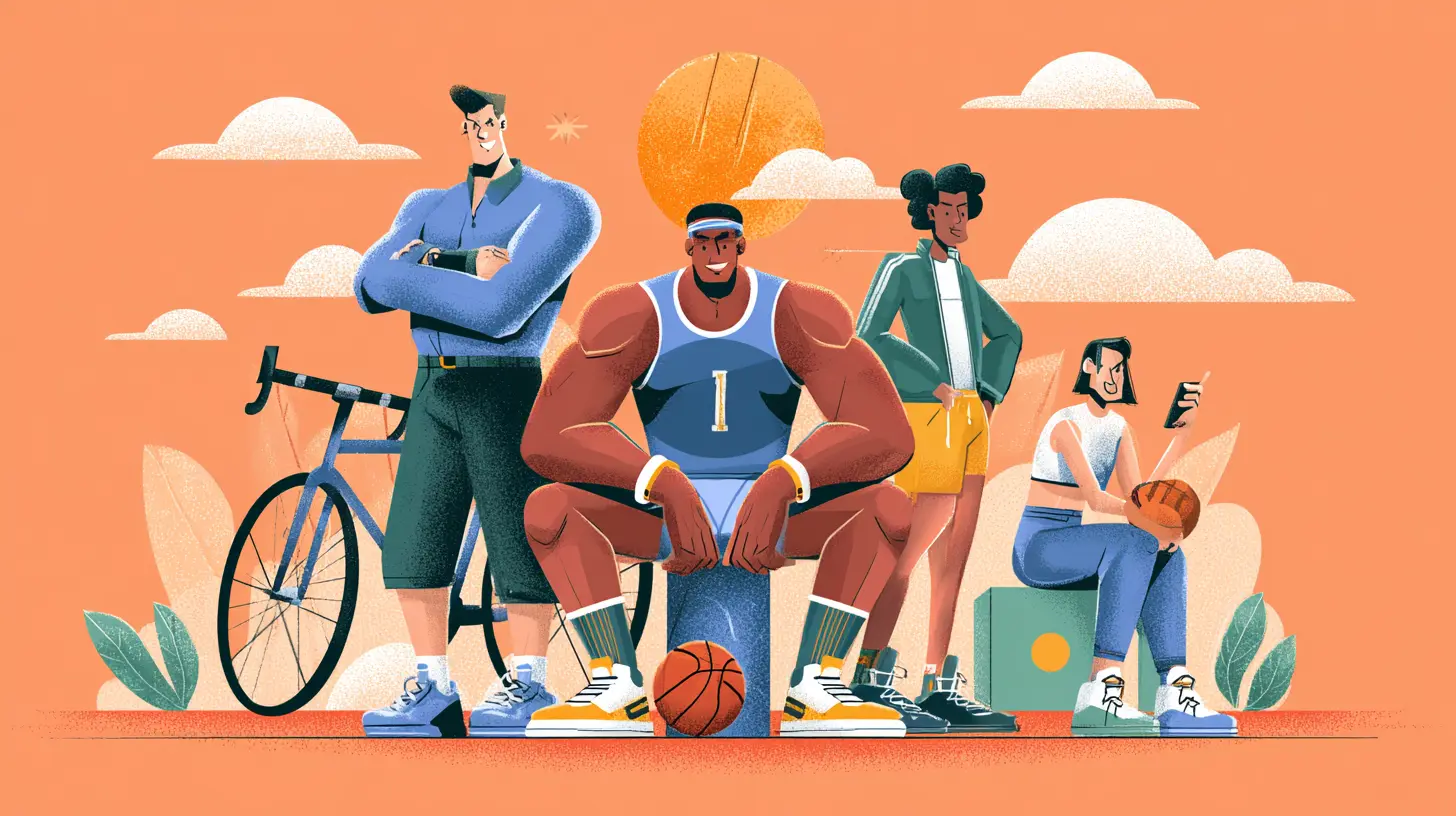
The Mic is Theirs: Unfiltered Media and Content Empires
Gone are the days of stiff, suit-and-tie studio analysis as the only option. Today’s retired athletes are bypassing the traditional gatekeepers entirely. They’re not waiting for a network to offer them a segment; they’re building their own networks.We’re talking multi-platform media empires born from podcasts, YouTube channels, and subscription-based content hubs. They own their voices, their opinions, and their narratives. No producer telling them to tone it down. No fear of being "too honest" about their former team’s management. This is raw, unfiltered, and deeply engaging content. They’re breaking news, conducting long-form interviews with former rivals, and providing analysis that’s steeped in recent, visceral experience. The audience isn’t just watching; they’re subscribing, literally and figuratively, to a perspective they can’t get anywhere else. The athlete is no longer just the talent; they are the CEO, producer, and star of their own show.
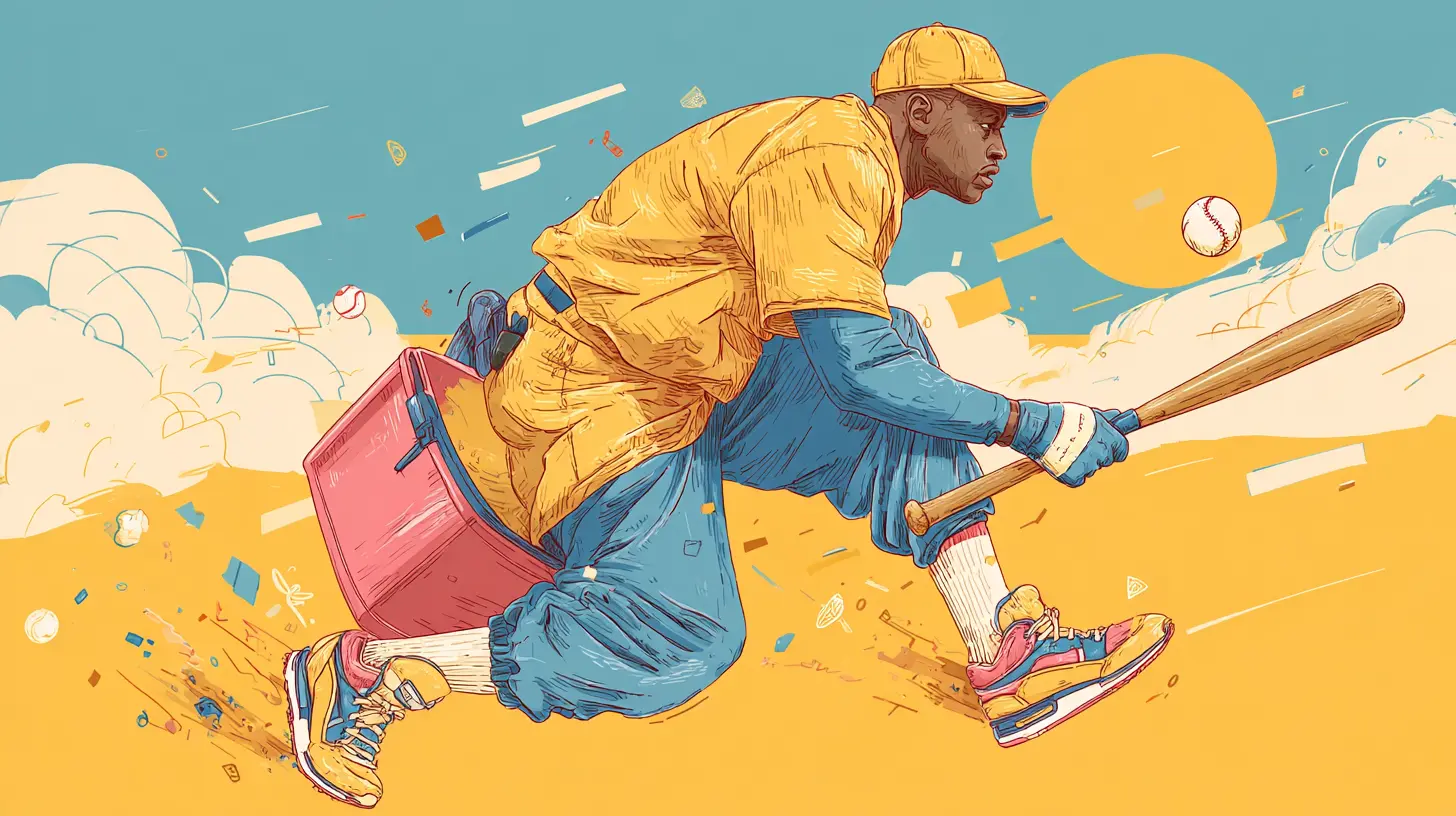
Healing the Whole Athlete: The Wellness & Mental Health Revolution
This might be the most profound shift. A generation of athletes who endured the "tough it out" culture is now leading the charge to dismantle it. Retired stars in 2026 are founding mental health platforms, wellness brands, and advocacy groups with a mission born from personal pain.They’re speaking openly about the identity crisis that follows retirement, the depression that can shadow a career-ending injury, and the anxiety that no trophy can cure. And they’re not just talking—they’re building solutions. From CBD and recovery product lines developed with real science to apps that connect former pros with therapists who specialize in athletic transition, they are creating the support system they lacked. They’re using their credibility to make it okay for the next generation to say, "I’m not okay," and they’re building businesses that provide real answers. This is legacy work that goes far beyond any stat sheet.
The Classroom and the Corner Office: Education & Executive Leadership
The image of the "dumb jock" is not just outdated; in 2026, it’s laughably obsolete. Retired athletes are flooding into top-tier MBA programs, not for the credential, but for the toolkit. They’re then parlaying that knowledge into serious corporate leadership roles or launching disruptive educational initiatives.We’re seeing former captains become CEOs of major corporations, where their leadership skills in building team cohesion and driving toward a common goal are directly applicable. Others are returning to their alma maters or founding charter schools with a sports-based curriculum, focusing on leadership, finance, and personal branding for young athletes. They’re teaching kids that the most important muscle to train is the one between their ears. They’re moving from calling plays in a huddle to shaping business strategy in a boardroom, and the transition feels less like a leap and more like a natural next step.
The Green Wave: Sustainability and Community Impact
For many, the second career is a mission. Having traveled the world and seen its beauty and its fragility, a growing legion of retired athletes are dedicating their post-sport lives to sustainability and hyper-local community development.This isn’t just cutting a check for a photo op. This is a former marathon runner launching a sustainable activewear line from recycled materials. It’s a football star using his name and capital to revitalize the food desert in his hometown, building a community center with a grocery co-op and health clinic. They’re investing in renewable energy projects and using their platforms to advocate for policy change. The competitive drive is still there, but the opponent is now climate change or systemic inequality. The arena is the planet, and the victory is a healthier, more equitable community.
The Final Whistle is Just the Kickoff
So, what’s the through-line here? What connects the VC investor, the podcast mogul, the mental health advocate, and the sustainability entrepreneur?It’s purpose. The retirement of 2026 is not an end; it’s a pivot. The assets honed on the field—resilience, strategic vision, teamwork, brand power, and an inhuman work ethic—are simply being redeployed. These individuals spent their first careers mastering a game. Now, they’re spending their second careers changing the game—in business, in media, in wellness, and in society.
They’ve traded their playbooks for business plans, their stadiums for startups, and their fan bases for communities. And they’re just getting started. The next time you see a legendary athlete retire, don’t ask, "What will they do now?" The real question is, "Which industry are they about to transform?" The second career is no longer a consolation prize. In 2026, it’s where the legacy is truly built.
all images in this post were generated using AI tools
Category:
Post Career PathsAuthor:
Fernando Franklin
Discussion
rate this article
2 comments
Fatima McMahan
Retired athletes are crushing it in their second careers, proving that the drive and discipline from sports translate perfectly to the business world. Success knows no age limit or career change. Keep pushing boundaries!
July 16, 2026 at 10:18 AM
Mary Stevens
Retired athletes excel in diverse, impactful careers!
April 19, 2026 at 12:56 PM
Fernando Franklin
Absolutely! It's inspiring to see how retired athletes leverage their skills in new fields and make a difference.