What the NHL's New Rules Could Mean for the 2026 Season
16 April 2026
Let’s be honest, hockey fans—we’re a nostalgic bunch. We cling to the sound of skates cutting ice, the smell of the arena, the timeless traditions. But if there’s one thing that rivals our love for tradition, it’s our passion for debating the game itself. Is it too slow? Too defensive? Are the goalie pads too big? (They’re always too big, according to my Uncle Dave).
So, when the NHL starts whispering about potential rule changes for the future, my ears perk up. It’s like hearing the distant rumble of a Zamboni before the flood—something’s coming, and it’s going to reshape the landscape. The 2026 season might feel like a distant face-off circle, but the league is already thinking about how to get there. What could these new rules look like, and more importantly, what would they mean for the game we love?
Buckle up your chinstrap. We’re not just talking about moving the blue lines a few inches. We’re talking about a potential philosophical shift in how the game is played, coached, and experienced. Let’s dive into the crystal-clear ice of speculation.
The Eternal Quest: More Goals, More Drama
Let’s start with the NHL’s perennial headache: scoring. For every high-flying, 6-5 overtime thriller, there seem to be three 2-1 games where the neutral zone becomes a clogged parking lot. The league is obsessed with offensive flow, and rightly so. It’s the engine of highlight reels and new fans. So, what levers could they pull by 2026?Tinkering with the Toolkit: Goalie Equipment and Net Size
This is the oldest debate in the book. Shrink the goalie’s leg pads, chest protector, and blocker again? It’s possible. But there’s a more radical, often-discussed idea: slightly larger nets. Now, before you throw your vintage puck at the screen, hear me out. We’re not talking soccer goals here. Imagine an increase of an inch or two in height and width—virtually invisible to the fan in the stands, but a canyon for a shooter’s eyes. This single change would force a massive tactical shift. Point shots become more dangerous. Cross-crease passes become almost automatic goals. The entire geometry of defensive coverage changes. It would be the most significant change to the game’s fundamental scoring area in a century.
The Power Play Revolution: Penalty Adjustments
What if a minor penalty didn’t last a full two minutes? What if it ended upon a goal and a successful zone clearance? Or what if penalties escalated? A first penalty is 1.5 minutes, a second to the same player in the game is 2.5? These ideas are floating in the hockey stratosphere. The aim is to make penalties more punitive without feeling like a death sentence for the shorthanded team, potentially leading to more aggressive even-strength play. Coaches would have to be chess masters with their discipline, and star players taking lazy hooks could cripple their team in new ways.
Pace & Flow: Unclogging the Neutral Zone
You know that feeling when play gets stuck along the boards for what feels like an eternity? Or when a team gets a lead and turns the neutral zone into a fortress? The NHL hates that. Pace is king.The "No Icing" Power Play?
Here’s a wild one. Some have suggested that a team on a power play should be allowed to ice the puck without a whistle. Think about that. It eliminates the risk of a costly turnover at the blue line while shorthanded. It would allow the power-play unit to keep fresh players on the ice more easily, leading to more sustained pressure. The shorthanded team would have no respite—they’d have to chase every cleared puck. This could make power plays even more dominant, tilting the game heavily toward special teams. Is that good? It certainly makes penalties scarier.
Face-Off Fever: Speed Over Ceremony
Face-offs are a ceremonial pause. What if we reduced that pause? Stricter enforcement on centers being set, or a "shot clock" style beep to drop the puck faster? The league could also expand the "no-tv-timeout" rule to more situations in the final minutes of periods. The goal is simple: less staring, more playing. It keeps players and fans in the flow, and could lead to more tired players making mistakes—and mistakes lead to scoring chances.
Player Safety & The Culture of the Game
This is the heaviest, most important category. The conversation around head injuries and long-term health isn’t going away; it’s getting louder. By 2026, the rules around player safety won’t just be tweaks—they could be foundational shifts.The End of Fighting? A Real Conversation.
I can feel the traditionalists heating up. Fighting has been part of hockey’s fabric since the beginning. But its role is diminishing, and the medical data is undeniable. Could the NHL move to an automatic game misconduct for any fight by 2026? Or a "one-fight-per-season" rule before massive suspensions kick in? This isn’t about removing physicality—it’s about removing repeated, targeted trauma to the head. The game would lose a certain emotional release valve, but it might gain a generation of players with healthier lives after hockey. The "enforcer" role, already nearly extinct, would be officially fossilized. Team toughness would be defined by hard hits, board battles, and standing up for teammates in scrums, not just dropping the gloves.
Stiffer Penalties for Head Contact
Expect any contact with the head, intentional or not, to be met with harsher penalties. We’re talking major penalties and suspensions for what are now minor "reckless" plays. This would force a dramatic change in defensive technique. The classic "keep your head up" mantra for forwards would be matched by a "keep your elbow down" mandate for defenders. Hitting would become more about precision and body positioning than sheer intimidation through violence. It would change the very anatomy of a check.
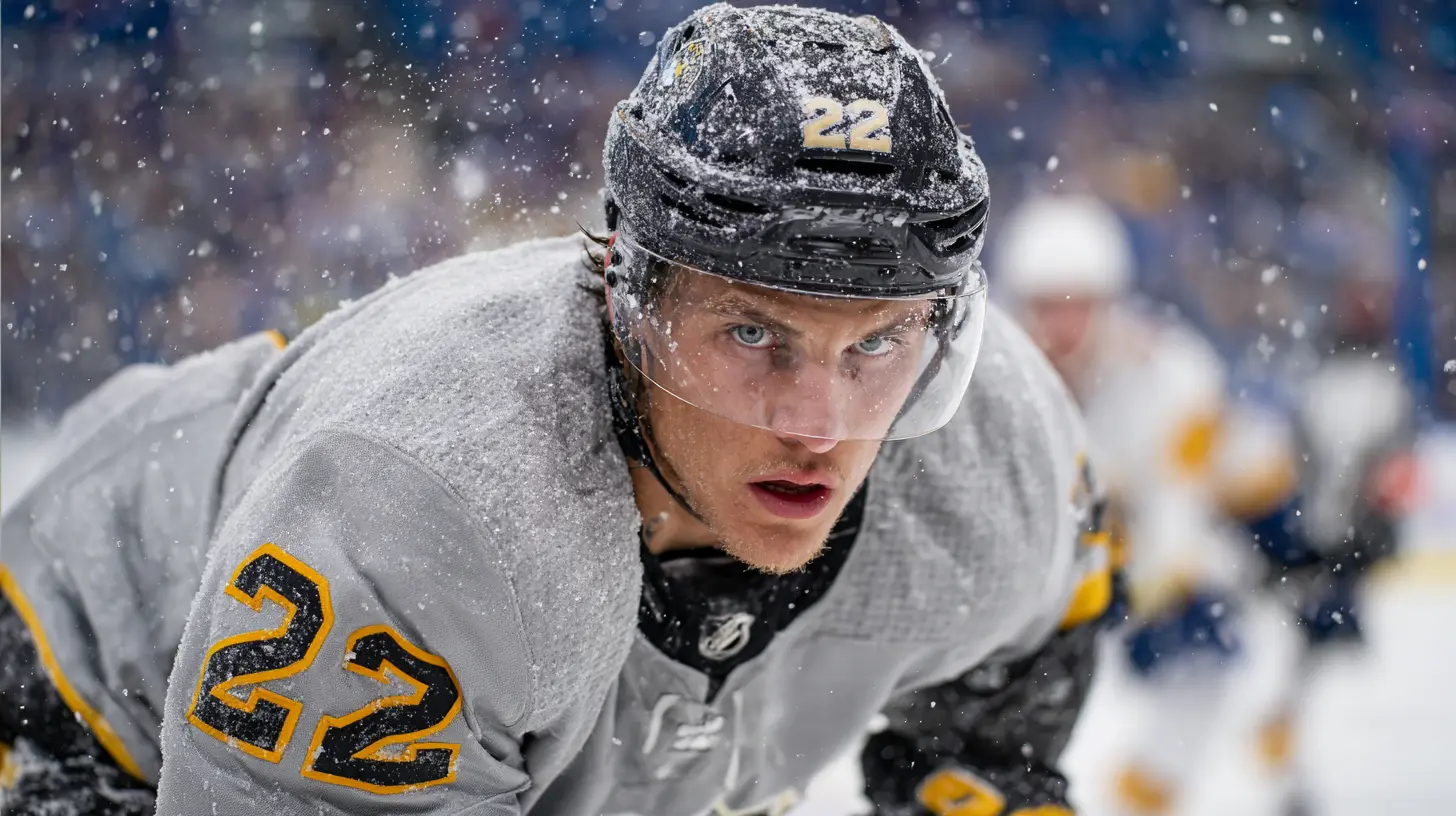
Technology’s Inevitable Creep: The Robo-Ref?
Love it or hate it, technology is the third referee. Offside challenges have already changed how we celebrate goals. By 2026, this could evolve further.Automated Offside & Goaltender Interference?
What if offside calls were fully automated via chip-in-puck and sensors on the blue line? No more coaches’ challenges for offside—the horn just blows automatically if the puck enters illegally. This would erase one of the most frustrating delays in the modern game. Similarly, could there be a standardized, AI-assisted review for goalie interference? The human element in refereeing is sacred, but the league might decide that absolute accuracy on black-and-white calls (like offside) is worth sacrificing a bit of tradition for the sake of flow and consistency.
The "Coach’s Challenge" Overhaul
The current challenge system can feel like a strategic timeout. What if challenges were limited only to goals, but you got one per game, period, and if you’re wrong, it’s not a minor penalty, but you simply lose it and any future chance to challenge? This makes the decision more dramatic and high-stakes, not just a tactical tool to kill momentum.
What This All Brews Together: The 2026 Game
So, let’s paint a picture. It’s Opening Night, 2026. What does the product on the ice look like if even half of these ideas come to fruition?The game is faster. Whistles are quicker, play resumes in a flash. The pace is relentless, favoring young legs and deep rosters. We see more goals, but not just from pretty plays—from sustained pressure and defensive exhaustion. The power play is a terrifying weapon, making discipline the most prized coaching trait.
The players are different. The prototype defenseman is no longer the towering, bruising hitter, but a swift, positionally-sound skater who can move the puck and angle attackers away without taking penalties. Forwards, knowing head contact is a career-threatening penalty, play with less fear driving the net. The game is physical, but it’s a cleaner, more athletic physicality.
The emotional rhythm of the game has changed. The big fight isn’t there to swing momentum. Instead, momentum swings on a colossal, clean hit, a breathtaking end-to-end rush, or a coach’s perfectly timed, high-stakes challenge. The drama is channeled into the continuous play, not the punctuated bouts.
Is this better? That’s the million-dollar question. For some, it’s a sanitized version of the gritty game they loved. For others, it’s a refined, faster, safer sport that highlights supreme skill and endurance. It’s hockey, but amplified for a modern audience’s expectations.
The Final Buzzer
Change is the only constant, even in a sport layered in frost and tradition. The NHL’s potential rule changes by 2026 aren’t about rejecting the past, but about securing the future—of the players’ health, the game’s excitement, and its relevance to a new audience.Will it work? Will it feel like our hockey? There will be growing pains. There will be nights where we scream at the TV over a robotic offside call. But we’ll also have nights of breathtaking, fluid hockey that we’ve never seen before. The core—the skill, the speed, the heart-stopping saves, the overtime magic—will remain. It will just be packaged in a new, evolving form.
So, get ready. The NHL of 2026 is being dreamed up in boardrooms today. And as always, we’ll be here to watch, to debate, and to love every minute of it, no matter what the rulebook says.
all images in this post were generated using AI tools
Category:
Professional LeaguesAuthor:

Fernando Franklin
Discussion
rate this article
1 comments
Zephira Young
The NHL's new rules aim to enhance gameplay and safety. Their impact on strategy and player performance will be critical for the 2026 season's excitement.
April 21, 2026 at 3:35 AM
Fernando Franklin
Thank you for your comment! I completely agree that the new rules will play a crucial role in shaping strategy and player performance, ultimately enhancing the excitement of the 2026 season.