Why Certain Matches Are More Prone to Hooligan Violence
13 July 2026
Football—or soccer if you're reading this from across the pond—is more than just a game. It's a deep, emotional, almost tribal experience for millions of fans. But honestly, sometimes the passion boils over, especially during certain matches. You've probably seen the headlines: "Fans Clash Outside Stadium," or "Rival Supporters Riot After Final Whistle." So, it begs the question—why are some matches more prone to hooligan violence than others?
Let’s break it down together. From fierce rivalries to societal tensions, a cocktail of reasons fuels the chaos. And it’s not just about the game itself—it’s way deeper than that.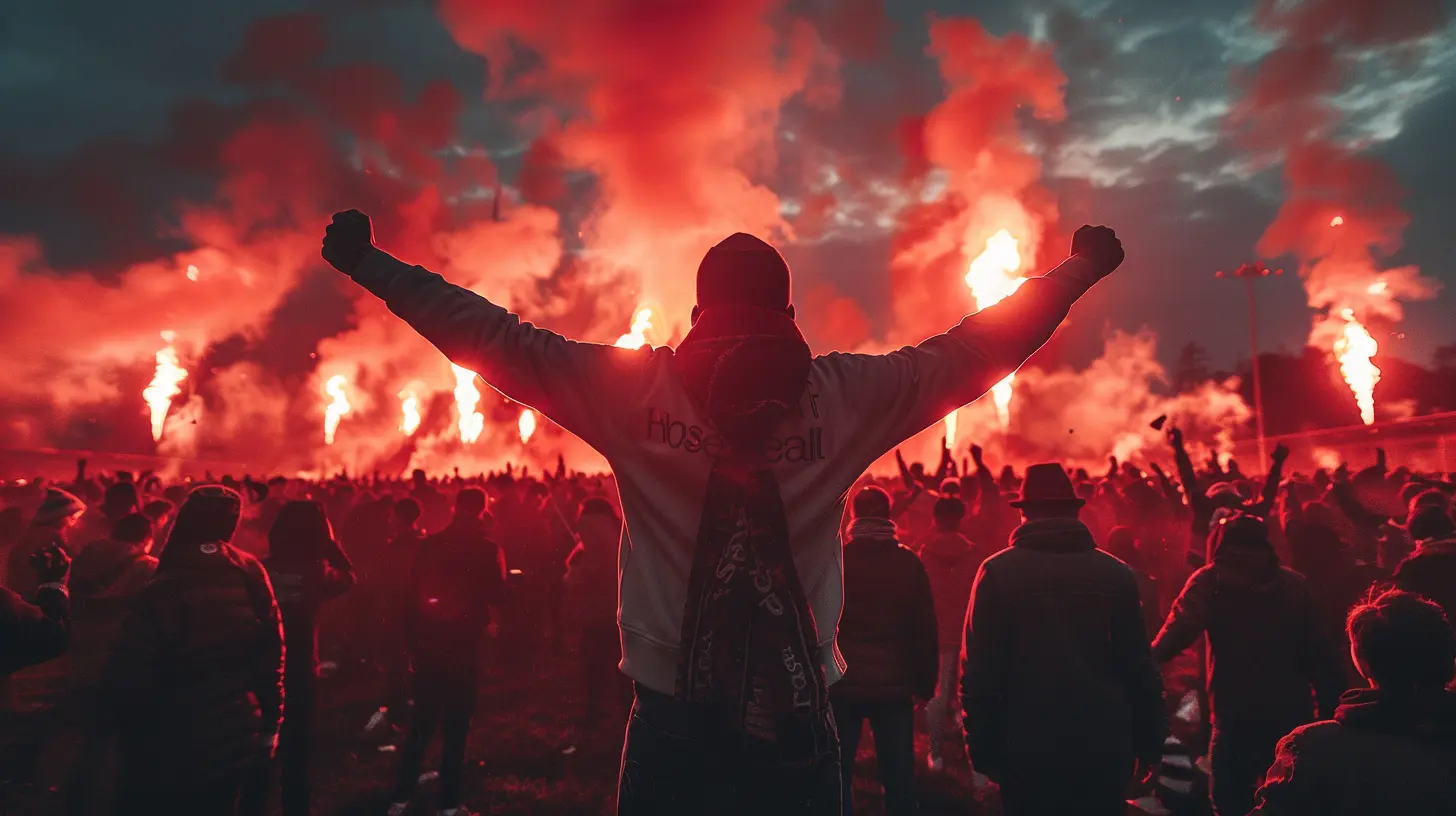
Rivalries: The Spark That Often Lights the Fire
The Fierce History of Derbies
Nothing gets under a fan’s skin like a local rivalry. We're talking about decades—sometimes even a century—of bad blood and competitive pride. El Clásico (Real Madrid vs Barcelona), the Old Firm Derby (Celtic vs Rangers), or the Manchester Derby (City vs United)… these aren’t just games. They’re wars without weapons.These matches carry a lot of emotional baggage. It’s not only about winning on the pitch—it’s about proving superiority in identity, history, and loyalty. And when you throw thousands of beer-fueled fans into a stadium with years of animosity behind them, well, things can turn ugly.
The Psychological Edge
We humans are wired to be tribal. My team versus yours. My city versus yours. My colors versus yours. In high-stakes rivalries, this tribal mentality intensifies. Fans identify so deeply with their club that any insult or defeat feels personal.So when tempers flare, and emotions skyrocket, hooliganism seems to slide in like an uninvited guest. It's not about rationality anymore. It’s about raw instinct—and sometimes, violence becomes an unfortunate outlet.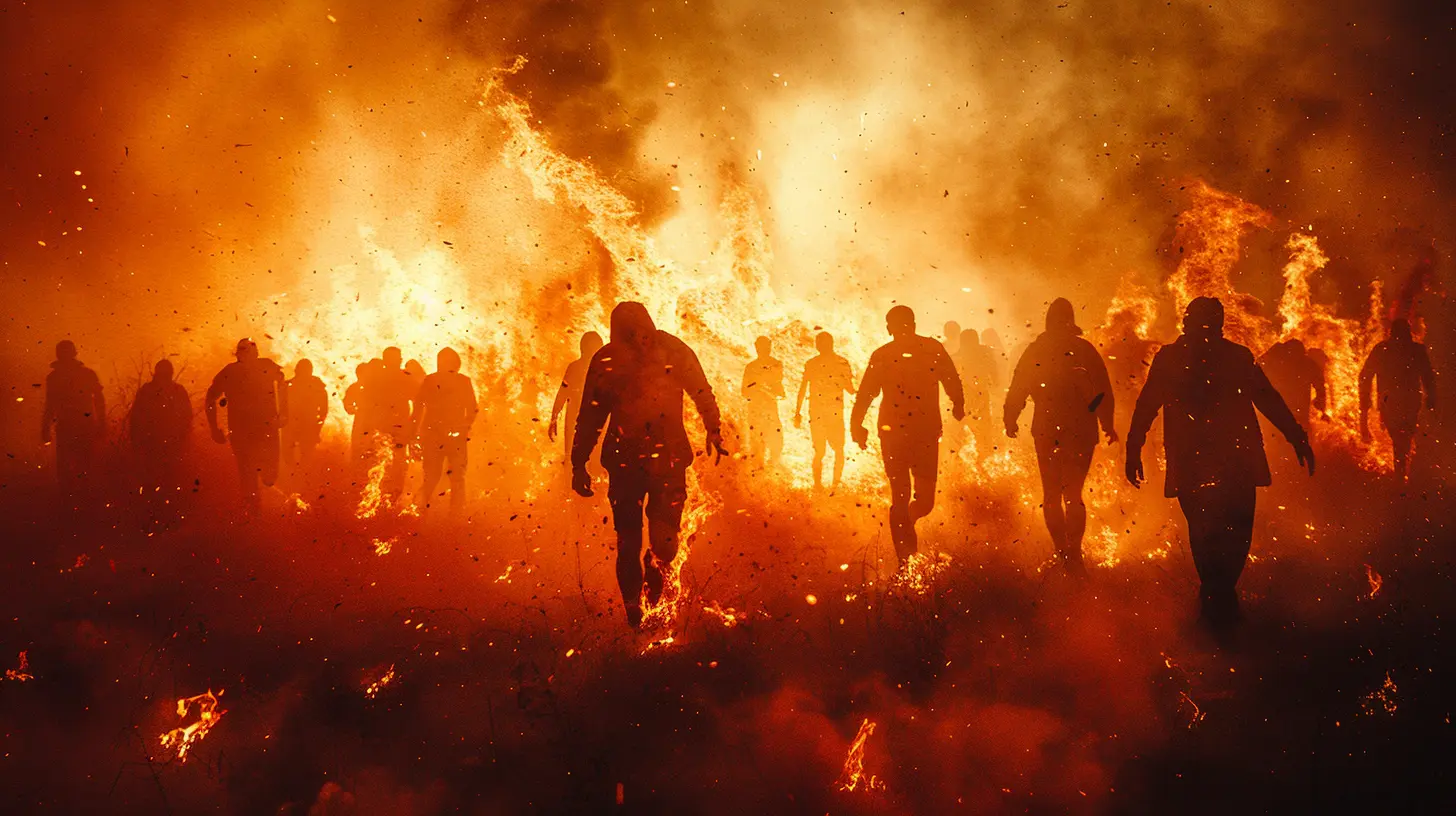
High-Stakes Matches Mean Higher Tensions
Promotion, Relegation, and Finals Pressure
Think about a match where a team's entire season is on the line—lose, and they’re relegated; win, and they play top-flight football next year. Or imagine a cup final where silverware is just 90 minutes away. The stakes are sky-high, and the tension isn’t just felt by players—it seeps into the stands too.When emotions are running that high, even the smallest spark can ignite a fire. A dodgy call from the ref? A controversial goal? That's all it takes. Some fans take it as an invitation to ‘defend’ their club’s honor—with their fists.
Win or Lose—Violence Brews Either Way
Oddly enough, both victory and defeat can lead to chaos. If a team wins a major match, celebrations can quickly spiral into drunken riots. And if that same team loses? Well, grief turns into rage, which isn’t exactly the recipe for peaceful behavior.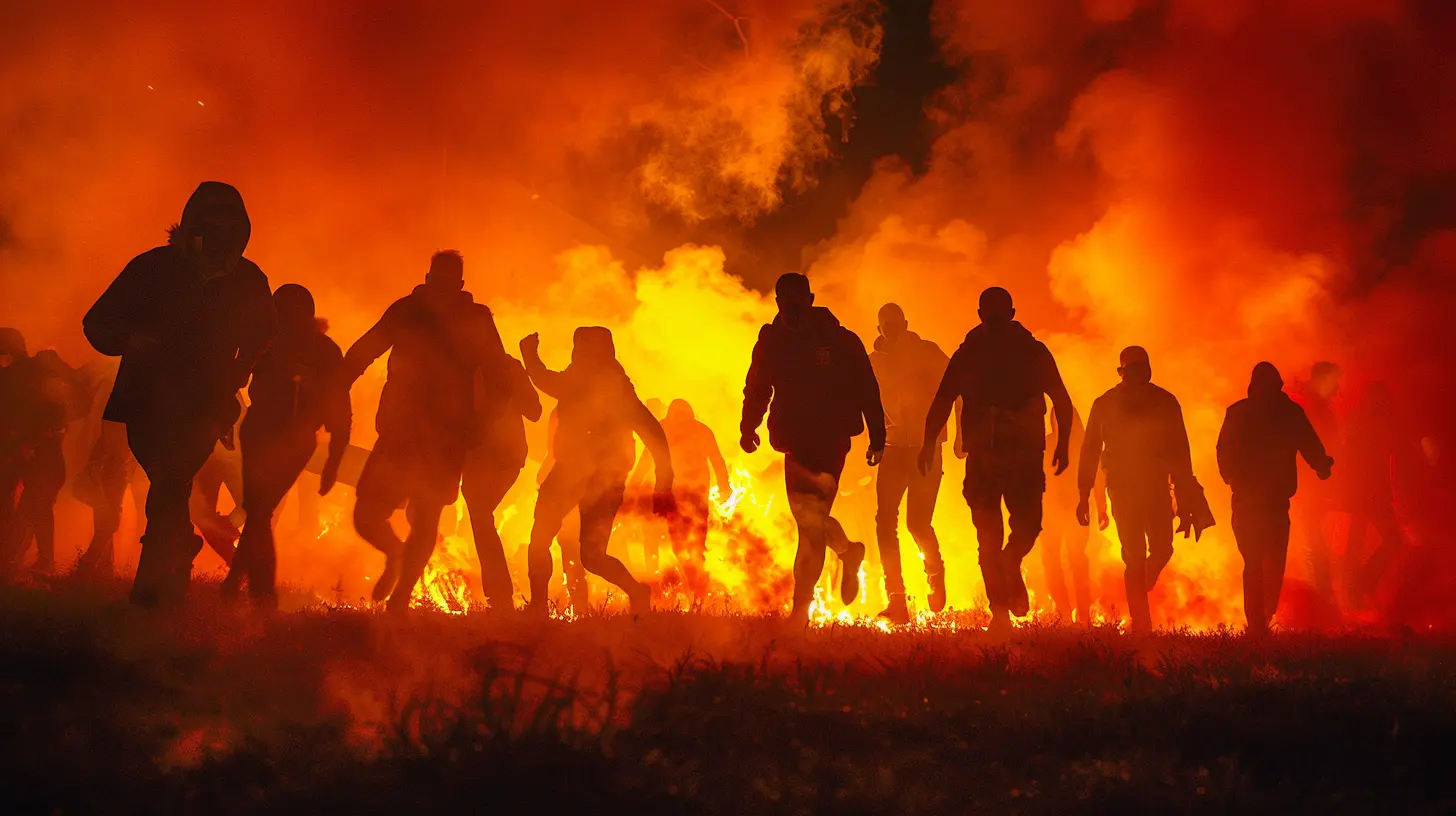
Political and Social Undercurrents
More Than Just Football
In some countries, football clubs are deeply entangled with politics, religion, or class issues. Take the Old Firm Derby again: Celtic and Rangers fans don’t just support different teams—they often represent opposing religious and national identities. Catholic vs Protestant. Irish vs British. These are powder kegs waiting to explode.So when fans clash, it’s rarely just about a bad game or a missed penalty. It can be centuries of history bubbling to the surface in the form of violence.
Societal Frustrations, Stadium Outlets
Sometimes, fans bring more than just banners and scarves into the stadium—they bring in their personal and societal frustrations. Economic hardships, political discontent, or social inequality can all build up within people. And where do they let it out? Often, at the stadium.The match becomes less about 11 players on a pitch and more about expressing pent-up emotions. In these cases, hooliganism becomes a form of protest, albeit a destructive one.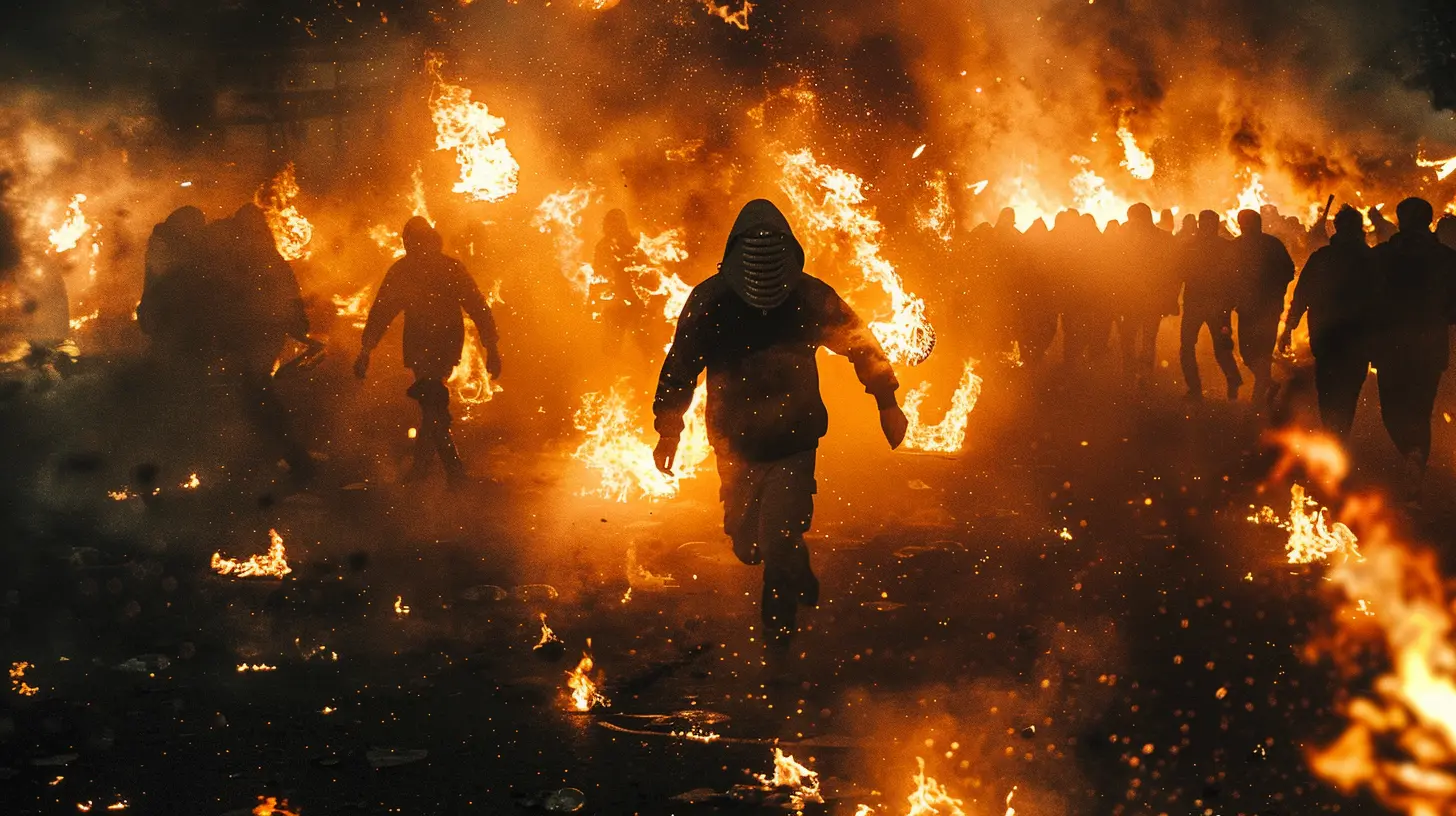
Inadequate Policing and Poor Crowd Control
When Security Slips, Chaos Creeps In
Let’s face it—some matches are just not well-prepared from a security standpoint. Understaffed police, poor crowd management, or lack of fan segregation can be a disaster waiting to happen. It's like having a ticking time bomb and forgetting to cut the right wire.When rival fans are left to mingle, chants turn into shoves, and shoves turn into all-out brawls. Proper policing can cool tensions before they hit the boiling point. But when that buffer is missing, things spiral fast.
The Role of Stadium Design
Believe it or not, even stadium architecture plays a part. Older stadiums that don’t have clear barriers or sections for different fan groups often see more problems. Without physical separation, you're just inviting trouble.Modern stadiums are designed with this in mind—keeping fans apart, having easy escape routes, and providing clear sightlines for security personnel. But not every match is played in these modern arenas.
Alcohol, Drugs, and the Mob Mentality
Booze Is Fuel on the Fire
Alcohol is almost synonymous with watching sports. A pint before the match, one during half-time, and a few after—sounds innocent enough, right? But too much alcohol can quickly impair judgment and escalate temper. It's the ultimate fuel for poor decisions.When large groups of intoxicated fans gather in one place, the mood can shift in seconds. Toss in some provocative chanting and you've got a volatile mix.
The Mob Mentality Explained
Ever noticed that people tend to act braver—or more reckless—in a group than they would alone? That’s the mob mentality at work. In the heat of the moment, people lose their sense of personal accountability. Surrounded by hundreds who are just as amped up, someone who’d normally walk away might throw the first punch.In hooligan-prone matches, this mob effect is like a matchstick near gasoline.
Social Media and the Hype Machine
Online Trash Talk Feeds Real-World Violence
Fans today don’t just talk smack in pubs—they take it online. Twitter threads, Facebook groups, YouTube rants—it’s all digital dynamite. And it builds a narrative of "us vs. them" long before kick-off.By the time fans show up at the stadium, they’re already emotionally charged from days—sometimes weeks—of online bickering. One provocative tweet or viral video clip is all it takes to set the tone.
Organizing Clashes on Social Platforms
Here’s something not everyone knows: Some hooligan groups actually organize themselves using encrypted messaging apps. Telegram, WhatsApp, Signal—you name it. They plan pre-match meetups, targeted attacks, even specific locations to avoid police detection.Yep, hooliganism has gone high-tech.
Lack of Strong Club and League Policies
Turning a Blind Eye
Some clubs don’t take a hard enough stance on violence. Whether it's fear of upsetting the fan base or just wanting to avoid bad press, this passive attitude sends a signal: "It’s not that big a deal."But let’s be real—it is a big deal. When clubs and leagues don't enforce bans or sanctions, they essentially enable the behavior. A slap on the wrist isn’t going to stop someone who sees themselves as defending their team's honor.
What Accountability Should Look Like
Effective clubs issue lifetime bans to violent fans. They work closely with law enforcement, step up security, and publicly condemn hooligan actions. That sends a clear message: "Support the team, not the violence."The Media’s Role in Elevating Tensions
Sensationalizing Rivalries
Media outlets love a juicy story. A headline like "Blood Feud: Fans Prepare for War in Derby Clash" gets way more clicks than “Local Teams Face Off Peacefully.” But this kind of sensationalism just fans the flames—pun intended.By hyping up rivalries to ridiculous levels, the media can inadvertently (or sometimes deliberately) contribute to the tension. It’s like poking a bear and then acting surprised when it attacks.
Glorifying the Ultras
Documentaries, blogs, even Instagram pages sometimes romanticize ultra groups—those hardcore, often violent factions of fans who live and breathe football. Sure, passion is great. But glorifying people who beat up rival fans? That’s a step too far.So... How Do You Reduce Hooliganism?
Not an easy fix, is it? But there’s hope. Here’s what can help:- Better policing and stadium security. Duh.
- Tougher club policies. Kick out the troublemakers.
- Community engagement. Help fans channel passion in positive ways.
- Social campaigns. Normalize respectful rivalries.
- Educating young fans. Teach 'em early that love for the game doesn’t mean hate for others.
Final Thoughts
Football should be about unity, not division. Sure, rivalries make the sport exciting. But when excitement turns into violence, everyone loses—the clubs, the fans, the sport itself.Certain matches carry more emotional and societal weight. And while we can’t erase history or eliminate rivalry, we can definitely manage how it plays out. With the right mix of policy, awareness, and common sense, hooligan violence doesn’t have to be a part of the beautiful game.
Let's keep it beautiful, shall we?
all images in this post were generated using AI tools
Category:
HooliganismAuthor:

Fernando Franklin