Why Turnover Ratios Are Critical in NFL Success
5 June 2026
When it comes to winning in the NFL, every detail matters. From play-calling to execution, teams must fine-tune every aspect of their game to succeed. But if there's one statistic that consistently separates the winners from the losers, it's the turnover ratio.
Turnovers can make or break a game. A single fumble or interception can shift momentum, change the course of a season, or even determine a Super Bowl champion. That’s why turnover ratios are one of the most important metrics in football.
In this article, we'll break down why turnover ratios are critical to success in the NFL, how they impact games, and why teams that dominate this statistic often find themselves on top.
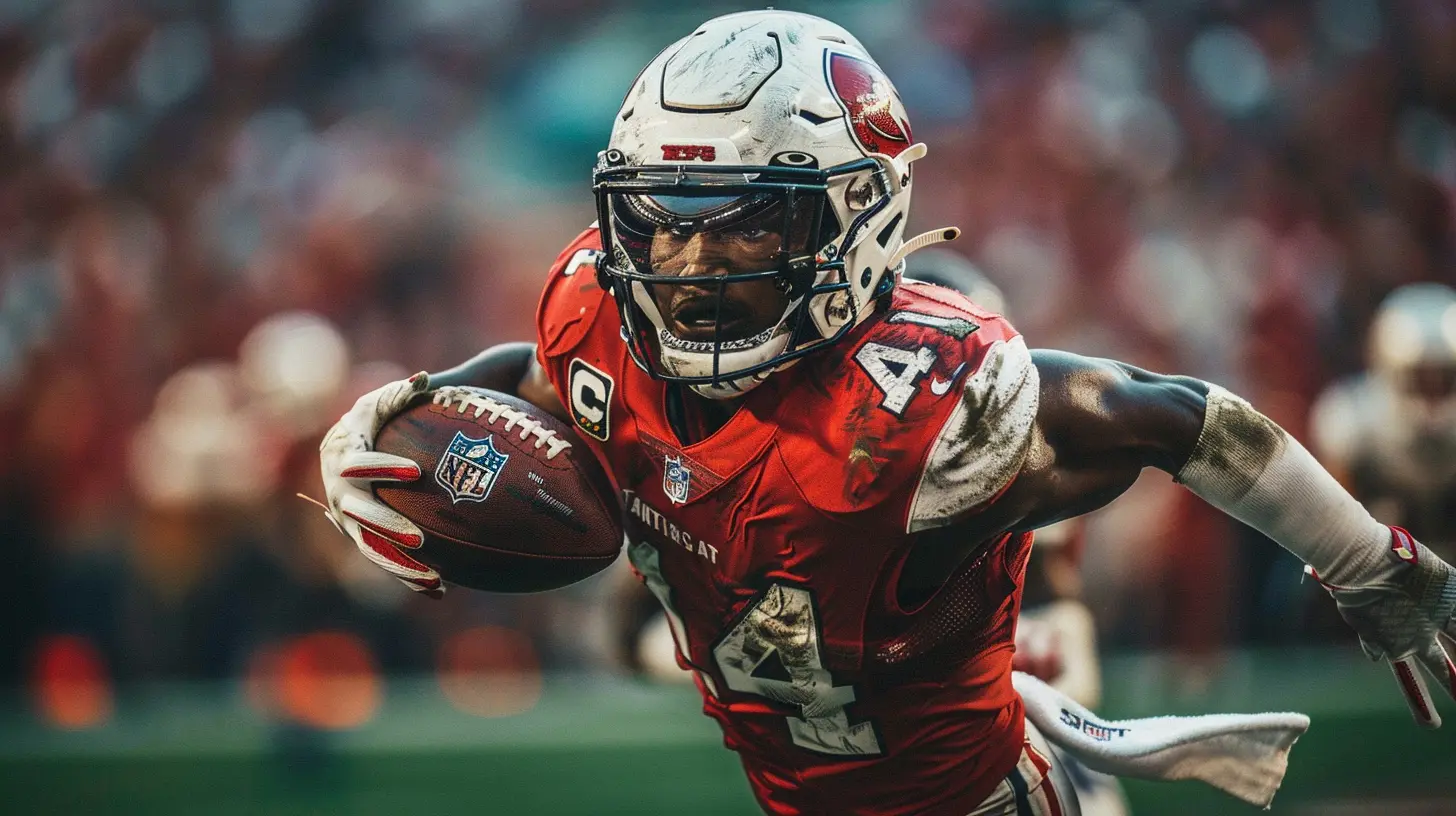
What Is Turnover Ratio in the NFL?
Before we dive deep, let's define what the turnover ratio actually means in football. Simply put, turnover ratio is the difference between turnovers for and turnovers against a team. A turnover occurs when a team loses possession of the football due to an interception or a fumble. The turnover ratio formula is:Turnover Ratio = Takeaways – Giveaways
- Takeaways: When a team’s defense forces and recovers a turnover (interceptions and fumble recoveries).
- Giveaways: When a team’s offense loses possession due to interceptions or fumbles.
A positive turnover ratio means a team forces more turnovers than they commit. A negative turnover ratio means the team loses possession more than they take it away.
Historically, teams that excel in turnover differential tend to win more games. But why is this stat so important? Let’s break it down.
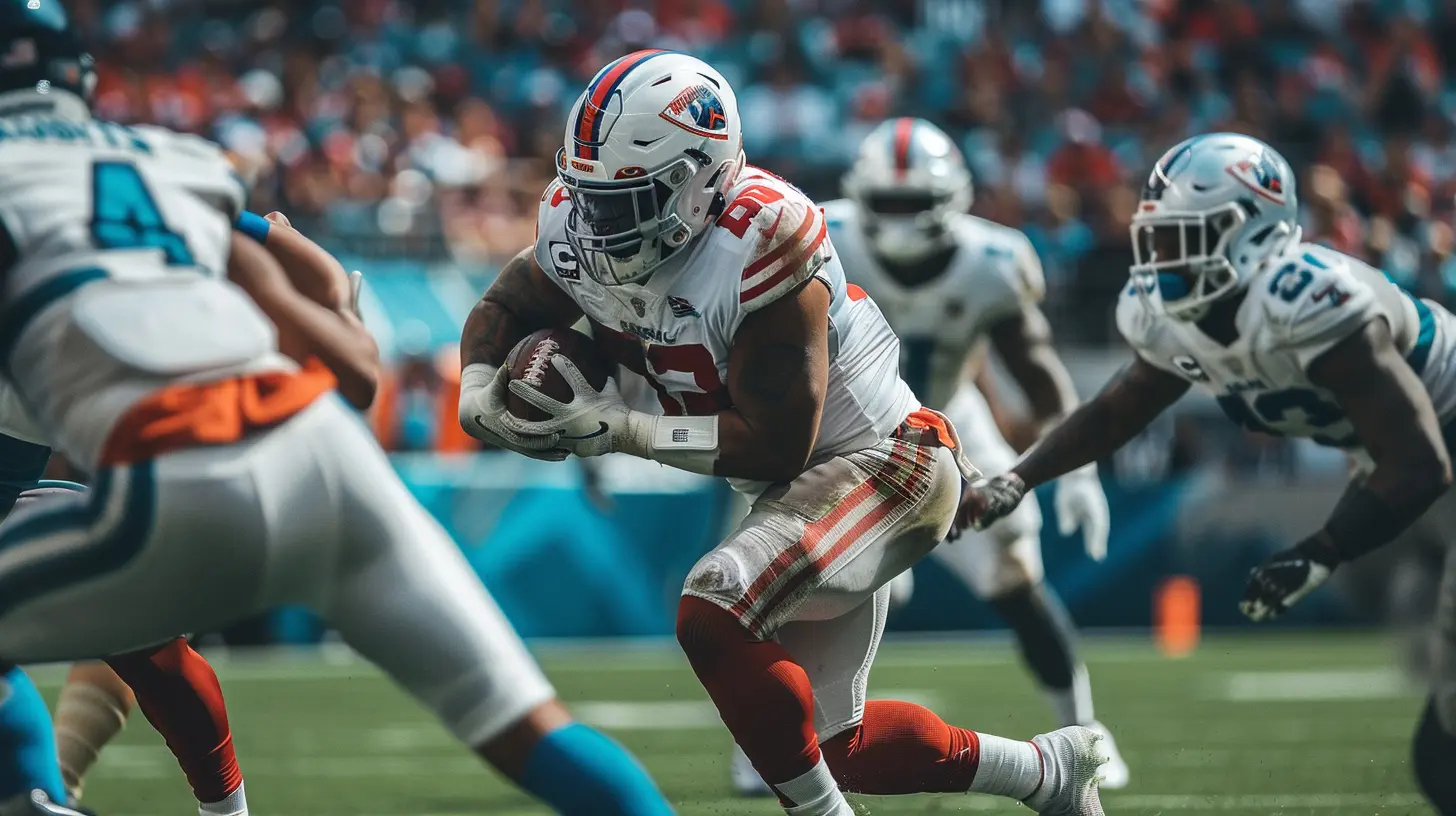
How Turnover Ratio Directly Impacts NFL Games
1. Turnovers Shift Momentum Instantly
The NFL is a game of momentum. One interception can completely change the energy in the stadium. Fans get engaged, players become more pumped, and the opposing team starts feeling pressure.Think about it—how many times have you seen a team leading comfortably, only to throw a pick-six and suddenly struggle to recover? A turnover can be a gut punch that swings the game in an instant.
2. More Possessions Mean More Scoring Opportunities
Every turnover means the team with the positive turnover ratio gets another opportunity to score. More possessions equal more chances to put points on the board.For example, if an offense turns the ball over three times in a game, that’s three wasted possessions. At the same time, if the opposing defense forces three turnovers, that’s three extra opportunities to score. The math is simple—teams that generate turnovers give themselves more chances to outscore their opponents.
3. Turnovers Lead to Short Fields
One of the biggest advantages of forcing turnovers is field position. When a defense forces a turnover, they often start their next drive with great field position, making it easier to score.If a defense recovers a fumble inside the opponent’s 30-yard line, the offense is already in field goal range. That’s an easy three points at minimum, and a touchdown is highly likely.
4. Turnovers Demoralize Opponents
Football is as much a mental game as it is physical. When a quarterback throws two interceptions in the first half, confidence takes a hit. Teams that are prone to fumbling start second-guessing themselves, leading to even more mistakes.When a defense knows they can force turnovers, they play with extra confidence. They attack the ball aggressively, knowing that every takeaway puts their team in a better position to win.

The Correlation Between Turnover Ratio and Wins
If you look at NFL history, one of the most consistent trends is that teams with a high turnover differential tend to have winning records.Super Bowl Champions and Turnovers
Some of the best teams in NFL history have dominated the turnover battle. Take, for example, the 1985 Chicago Bears, the 2000 Baltimore Ravens, and the 2013 Seattle Seahawks. Each of these teams had elite defenses that thrived on creating turnovers.The 2013 Seahawks, led by their "Legion of Boom" defense, dominated turnover differential that year. They forced mistakes, gave their offense more opportunities, and ultimately crushed opponents on their way to a Super Bowl victory.
The Numbers Don’t Lie
A study of NFL statistics over the past 20 seasons shows that teams with a positive turnover differential (forcing more turnovers than they commit) win around 78% of their games. On the flip side, teams with a negative turnover differential win only about 22% of the time.That’s a staggering difference! It proves that controlling the football and forcing mistakes is one of the biggest indicators of success.

Why Teams Focus on Winning the Turnover Battle
1. Defensive Coaches Emphasize Takeaways
Every great defense is built around forcing takeaways. Defensive coordinators preach ball-hawking mentality, urging their players to strip the ball, break on passes, and make game-changing plays.Players like Ed Reed, Charles Woodson, and Troy Polamalu made Hall of Fame careers out of their ability to create turnovers. Their teams consistently won games because they made crucial plays when it mattered most.
2. Offenses Prioritize Ball Security
Great offenses understand the value of ball security. The best quarterbacks make smart decisions, avoiding risky throws that lead to interceptions. Running backs and wide receivers work on ball protection drills daily to avoid costly fumbles.The saying “protect the football” is drilled into players at every level, because turnovers kill momentum, field position, and scoring chances.
3. Turnover Ratio Is a Key Strategy in Game Planning
NFL teams don’t just talk about turnovers—they actively game-plan around them. Coaches design defensive schemes to put pressure on opposing quarterbacks, increasing the likelihood of mistakes. Meanwhile, offensive coordinators create game plans that minimize risky plays when facing turnover-hungry defenses.Winning the turnover battle isn’t just a coincidence. It’s the result of preparation, strategy, and execution.
How Teams Improve Their Turnover Ratio
1. Ball Security Drills
Teams that focus on preventing turnovers constantly run ball security drills. Running backs practice holding onto the ball while defenders try to strip it away. Quarterbacks are trained to avoid forcing passes into tight coverage.2. Defensive Playmaking Mentality
Great defenses don’t just wait for turnovers—they create them. Aggressive pass rushes force hurried throws, while defensive backs practice reading quarterbacks to jump passing routes.3. Coaching Philosophy
Some coaches build their entire foundation on turnover differential. Bill Belichick’s Patriots, for example, have historically excelled at taking care of the football while forcing mistakes from opponents. Belichick’s emphasis on fundamentals and situational awareness has led to multiple championships.
Conclusion
When it comes to NFL success, the turnover ratio is one of the biggest predictors of victory. Teams that protect the football while forcing takeaways dominate the league year after year.Whether it’s a clutch interception late in the fourth quarter or a fumble recovery that leads to a game-winning touchdown, turnovers swing games in a heartbeat. That’s why coaches, players, and fans alike understand that winning the turnover battle is often the key to winning the game.
So next time you’re watching an NFL matchup, keep an eye on the turnover differential. It might just tell you everything you need to know about who’s going to walk away with the win.
all images in this post were generated using AI tools
Category:
Sports StatisticsAuthor:

Fernando Franklin
Discussion
rate this article
1 comments
Briar Rhodes
Every possession counts!
June 6, 2026 at 4:32 AM